
A BIC Card represents a specialized financial instrument designed to facilitate and reward consumer engagement within a prominent retail ecosystem, primarily focused on electronics and consumer goods. Far more than a mere identification badge, it functions as a multi-faceted loyalty card and often integrates with payment solutions, serving as a pivotal tool for personal financial management, strategic spending, and value accumulation for its holders. Understanding a BIC Card involves dissecting its mechanics as a loyalty program, its role in integrated payment systems, and its potential as a savings and budgeting asset in the personal finance toolkit.
The BIC Card: A Foundation for Retail Financial Management
At its core, a BIC Card is a sophisticated loyalty program membership, issued by a major retailer (most notably, BIC Camera in Japan), designed to incentivize repeat purchases and foster customer retention. Its fundamental purpose from a consumer finance perspective is to provide tangible monetary benefits that effectively reduce the cost of future expenditures. When a customer makes a purchase using a BIC Card, they typically accrue “BIC Points,” which are a form of virtual currency directly linked to the retailer’s ecosystem. These points hold a clear monetary equivalent, allowing cardholders to offset the cost of subsequent purchases, thereby functioning as a direct discount mechanism.
Beyond simple point accumulation, the BIC Card serves as a central hub for a customer’s financial interactions with the retailer. It tracks purchase history, which, while useful for the retailer’s marketing, also empowers the consumer by consolidating information on their spending patterns within that specific store chain. This data can indirectly aid personal budgeting by providing a clear record of electronics or appliance expenditures. For many users, the BIC Card becomes an integral part of their financial strategy for managing larger household purchases, enabling them to make smarter decisions about when and how to allocate their discretionary income for tech-related needs. Its existence fosters a proactive approach to shopping, where anticipating future purchases and planning point redemption becomes a form of minor financial planning.
Unlocking Monetary Value: Earning and Redeeming BIC Points
The primary financial appeal of a BIC Card lies in its points system, which acts as a direct rebate or discount. The process of earning points is straightforward: for most eligible purchases, a percentage of the transaction value is converted into BIC Points. This percentage can vary depending on the product category, ongoing promotions, or the payment method used. For instance, paying in cash might yield a higher point return than using a credit card, encouraging specific payment behaviors that benefit both the consumer (more points) and the retailer (reduced transaction fees). Each point typically holds a value equivalent to one unit of local currency (e.g., 1 point = 1 JPY), making their monetary worth transparent and easily calculable.
Redemption strategies are where the financial savvy of a BIC Card holder can truly shine. Points accumulated can be directly applied to future purchases, effectively reducing the cash outlay required. This isn’t merely a nominal discount; it’s a tangible reduction in the final price, allowing consumers to save money that can then be reallocated to other financial goals or necessities. Savvy cardholders often strategically accumulate points for larger, anticipated purchases, turning a series of smaller expenditures into significant savings on a high-value item like a new television or computer.
Furthermore, the utility of BIC Points can extend beyond direct merchandise discounts. Depending on specific partnerships and promotions, points might be convertible into other forms of value, such as electronic money for public transport, gift cards for partner services, or even donations to charitable causes. This flexibility enhances the card’s financial utility, allowing users to leverage their accumulated value in ways that align with their broader personal finance objectives. Understanding the various redemption avenues and their respective values is crucial for maximizing the financial return on one’s loyalty.
Integrated Financial Instruments: BIC’s Co-Branded Payment Solutions

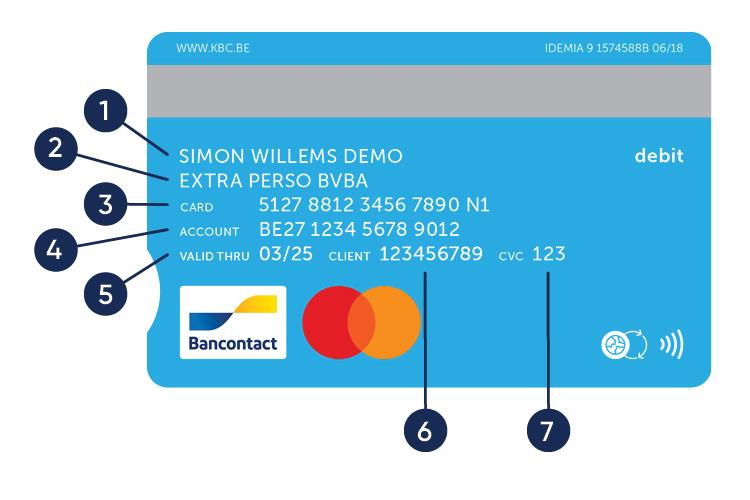
The evolution of the BIC Card transcends a simple loyalty program by integrating directly with established financial institutions to offer co-branded payment solutions. These typically come in the form of credit cards or prepaid cards that carry the BIC brand alongside a major credit card network like Visa or Mastercard. These integrated cards significantly expand the financial utility and reach of the BIC ecosystem.
A co-branded BIC credit card, for example, functions as a standard credit card for purchases both inside and outside the associated retail chain. However, it often provides enhanced point accumulation rates specifically when used at the retailer’s stores, or even exclusive discounts. From a personal finance perspective, this offers a dual benefit: earning points on everyday spending, and accelerating rewards for purchases at the affiliated retailer. Users must, however, be acutely aware of the standard financial obligations that come with any credit card, including interest rates, annual fees, and the importance of timely payments to avoid debt accumulation and negative impacts on credit scores. Managing these cards requires disciplined budgeting and understanding their terms and conditions to harness their benefits without incurring financial liabilities.
Prepaid BIC Cards or electronic money functionalities offer an alternative financial tool, acting like a digital wallet or a stored-value card. Users load funds onto these cards, which can then be used for purchases. This provides a valuable budgeting tool, allowing consumers to pre-allocate funds specifically for spending at the retailer or for general everyday use, depending on the card’s features. It helps in controlling expenditure and avoiding debt, making it particularly appealing for individuals seeking greater control over their discretionary spending. The financial implications here revolve around cash flow management, digital payment convenience, and the potential to earn points on loaded funds or purchases made with the prepaid balance. These integrated solutions transform the BIC Card from a mere discount provider into a comprehensive financial instrument within the consumer’s wallet.
Strategic Personal Finance: Maximizing Savings and Returns with Your BIC Card
Effectively leveraging a BIC Card requires a strategic approach to personal finance, moving beyond impulsive spending to calculated purchasing decisions. One key strategy involves timing large purchases with promotional periods or “point-up” campaigns, where the earning rate for BIC Points is temporarily increased. This tactical alignment can significantly amplify the monetary return on investment for high-value items, turning a standard 10% point return into 13% or even 15%, for example. Such careful planning ensures that every expenditure yields the maximum possible financial benefit.
Another critical aspect of maximizing the card’s value is understanding its terms and conditions thoroughly. This includes knowing point expiration policies, transferability rules, and any restrictions on redemption. Overlooking these details can lead to forfeited points, effectively diminishing the expected financial return. From a budgeting perspective, integrating the BIC Card’s benefits into your financial plan means consciously setting aside funds for specific purchases while factoring in the anticipated point accumulation and redemption. This can lead to a virtuous cycle where savings from points on one purchase directly contribute to reducing the cost of the next.
For those with co-branded credit cards, managing credit responsibly is paramount. While the rewards are enticing, the financial risks associated with carrying a balance, such as high interest rates, can quickly negate any benefits gained from points. Therefore, treating the credit card primarily as a payment vehicle for earning rewards, with a commitment to paying off the full balance each month, is the most financially prudent approach. Furthermore, exploring whether the points can be transferred to airline miles or other loyalty programs can unlock even greater value, diversifying the financial returns beyond the initial retail ecosystem. The BIC Card, when used strategically, becomes a dynamic tool for enhancing purchasing power and contributing to overall financial wellness.
The Broader Economic Landscape of Loyalty Programs
From a macro-economic and business finance perspective, loyalty programs like the BIC Card illustrate a sophisticated interplay between consumer behavior, retail strategy, and the flow of capital. For retailers, these cards are not merely a cost center for discounts but a strategic investment in customer lifetime value (CLV). The data gathered through card usage provides invaluable insights into consumer preferences, purchase frequencies, and spending habits, enabling highly targeted marketing campaigns and personalized offers. This data-driven approach allows retailers to optimize inventory, streamline operations, and enhance profitability, indirectly benefiting consumers through more relevant product offerings and potentially competitive pricing.
For the broader economy, loyalty programs can influence market dynamics by fostering brand loyalty and potentially reducing price elasticity for cardholders. Consumers who have accumulated significant points or benefits may be less inclined to switch to a competitor, even if a slightly lower price is offered elsewhere, due to the “switching cost” of losing their accumulated value. This creates a more stable revenue stream for the issuing retailer but can also lead to less competitive market pricing in certain segments.
Ultimately, the BIC Card stands as a testament to the evolving nature of consumer finance in the digital age. It’s a system where purchasing power is not just about the money in one’s wallet but also the loyalty and data one provides. For the consumer, mastering the BIC Card means understanding its financial mechanisms, strategically planning purchases, and integrating its benefits into a cohesive personal finance strategy to maximize savings and extract genuine monetary value from their retail interactions.
aViewFromTheCave is a participant in the Amazon Services LLC Associates Program, an affiliate advertising program designed to provide a means for sites to earn advertising fees by advertising and linking to Amazon.com. Amazon, the Amazon logo, AmazonSupply, and the AmazonSupply logo are trademarks of Amazon.com, Inc. or its affiliates. As an Amazon Associate we earn affiliate commissions from qualifying purchases.