
For students, engineers, and professionals alike, a graphing calculator is more than just a tool; it’s a gateway to understanding complex mathematical concepts, visualizing data, and solving intricate problems. From high school algebra to advanced calculus, statistics, and engineering, these sophisticated devices are indispensable. However, with a myriad of models and purchasing options available, finding the right graphing calculator and the best place to buy it can be a daunting task. This comprehensive guide will navigate the landscape, helping you make an informed decision within the technology sphere. We’ll delve into understanding your needs, exploring various retail channels, and offering crucial tips to ensure your investment serves you well.

Understanding Your Needs: Choosing the Right Graphing Calculator
Before you even consider where to buy, it’s paramount to understand what you need. Graphing calculators come with a range of features designed for different academic levels and professional applications. Investing in the right model can significantly impact your learning experience and efficiency.
Academic Requirements: High School vs. College vs. Professional Use
The first step is to align your choice with your current or anticipated academic and professional trajectory.
-
High School (Algebra I/II, Geometry, Pre-Calculus, Statistics): Most high school courses, including AP exams, SAT, and ACT, typically allow and sometimes require models like the TI-84 Plus CE or Casio fx-9750GII. These calculators offer robust graphing capabilities, statistical functions, and basic calculus tools sufficient for the curriculum. Compatibility with standardized tests is a key consideration here.
-
College (Calculus, Linear Algebra, Differential Equations, Physics, Engineering): University-level courses often demand more powerful machines. The TI-Nspire CX II CAS (Computer Algebra System) or HP Prime G2 are popular choices, offering symbolic manipulation, advanced graphing in 3D, programming capabilities, and deeper integration with computer software. A CAS calculator can simplify algebraic expressions, solve equations symbolically, and perform advanced calculus operations that non-CAS models cannot. However, be aware that CAS models are sometimes prohibited in specific exams (e.g., some SAT subject tests, certain college-level math exams), so always check with your instructor or exam board.
-
Professional Use (Engineering, Data Science, Finance): Professionals might lean towards models with specialized functions or programmable capabilities. The HP Prime G2, with its powerful CAS and app-driven interface, or even specialized engineering calculators, might be preferred for specific workflows. Graphing calculators can also serve as reliable backups for software-based computations in the field.
Feature Set Considerations: Display, Connectivity, Memory, and More
Beyond academic compatibility, a calculator’s feature set directly impacts its usability and versatility.
-
Display Type: Newer models boast full-color, backlit displays that make graphs easier to read and distinguish, especially when plotting multiple functions. Older or budget-friendly models might have monochrome, non-backlit screens. For extended use or in varying lighting conditions, a backlit color display is a significant advantage.
-
Connectivity: USB ports are standard for connecting to computers for data transfer, operating system updates, and charging. Some advanced models offer Wi-Fi or Bluetooth connectivity for wireless data sharing or linking with educational apps.
-
Memory: Sufficient memory is crucial for storing programs, data sets, and applications (apps). If you plan to heavily customize your calculator or store extensive notes and formulas, look for models with ample RAM and archival memory.
-
Battery Life: Rechargeable batteries (often via USB) are common in modern graphing calculators, offering convenience and reducing environmental impact. Check the estimated battery life, especially if you anticipate long study sessions or travel without easy access to charging.
-
Programming Capabilities: Most graphing calculators are programmable, allowing users to write custom programs to solve specific problems or automate repetitive tasks. This feature is particularly valuable for advanced users in STEM fields.
Brand Preferences and Ecosystems: TI, Casio, HP
The market for graphing calculators is primarily dominated by three major brands, each with its own ecosystem and loyal user base.
-
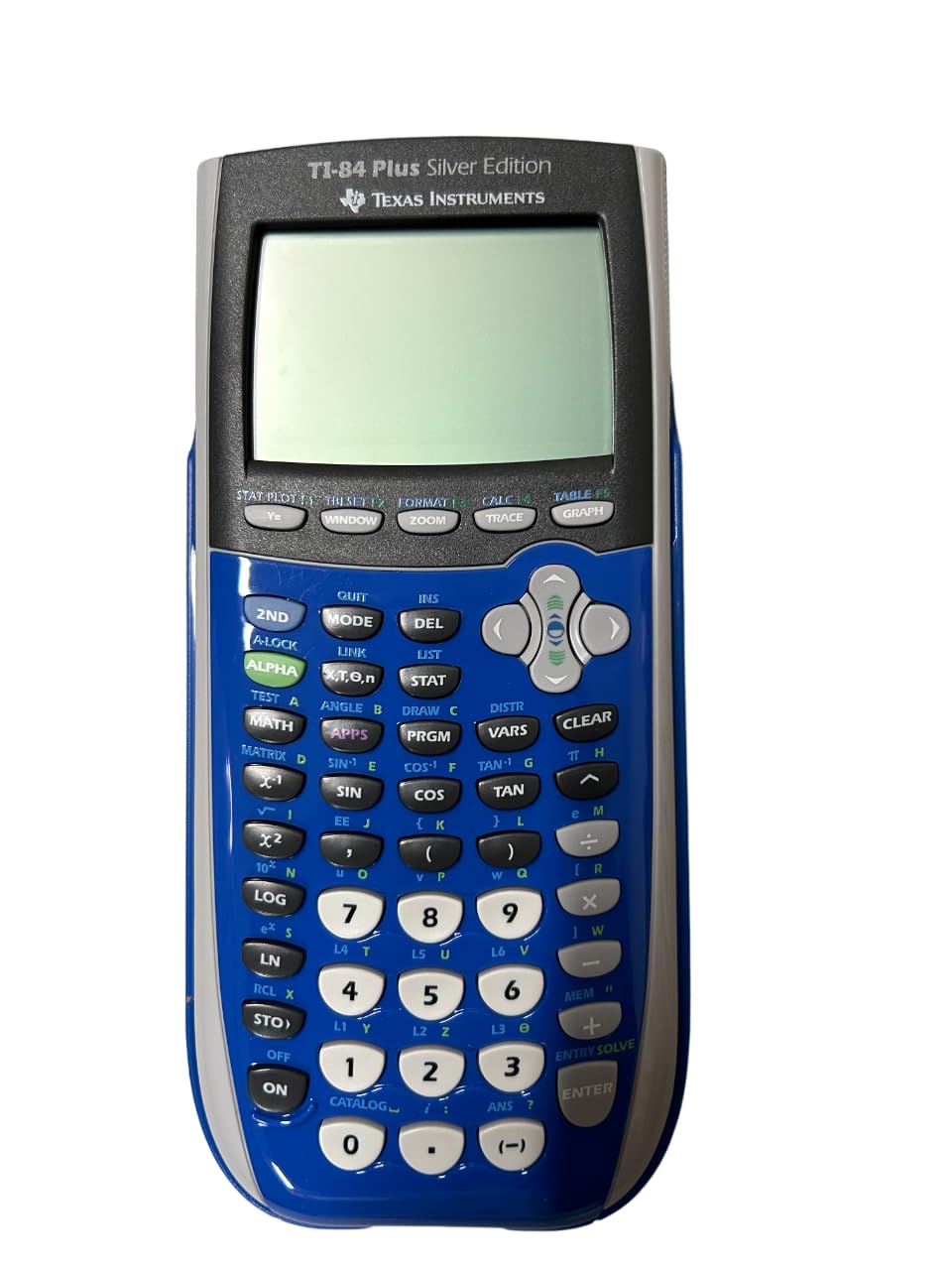
Texas Instruments (TI): The most prevalent brand in North America, particularly the TI-83/84 series, which is often mandated or recommended by high school teachers. Their calculators are known for their intuitive interface, vast online support communities, and extensive range of educational apps. The TI-Nspire series offers a more advanced, document-based approach.
-
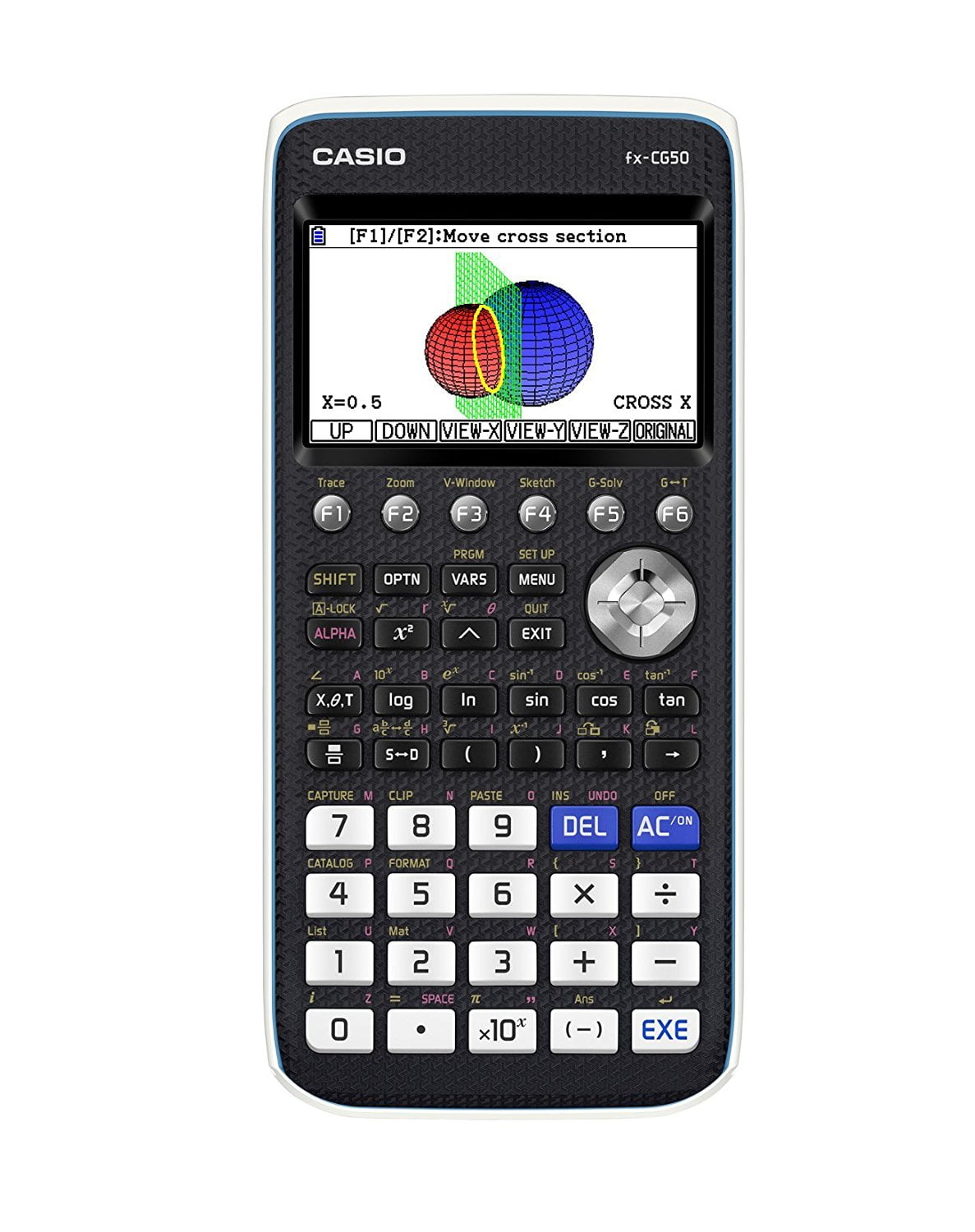
Casio: Offers a strong line of graphing calculators, such as the fx-9750GII and fx-CG50 (color model), which often provide competitive features at a more accessible price point. Casio calculators are known for their user-friendly menus and robust build quality.
-
HP (Hewlett-Packard): With models like the HP Prime G2, HP offers powerful calculators favored by engineers and those who appreciate advanced functionality and a highly responsive touchscreen interface. HP calculators often have a steeper learning curve but reward users with exceptional capability.
Choosing a brand might also depend on what your peers or instructors are using, as this can facilitate easier sharing of knowledge and troubleshooting.
Top Online Retailers for Graphing Calculators
In the digital age, online retailers offer unparalleled convenience, selection, and competitive pricing. They are often the first stop for many looking to purchase a graphing calculator.
Amazon: Convenience and Variety
Amazon stands out as the go-to online marketplace for virtually any product, and graphing calculators are no exception.
-
Extensive Selection: You’ll find models from all major brands (TI, Casio, HP), including current versions and sometimes older, refurbished options.
-
Competitive Pricing: Amazon’s dynamic pricing often leads to good deals, especially during sales events.
-
Customer Reviews: A wealth of user reviews provides insights into a calculator’s real-world performance, pros, and cons, helping you make an informed decision.
-
Prime Shipping: For Amazon Prime members, fast, free shipping is a significant benefit, often delivering your calculator within a day or two.
Best Buy: Tech Expertise and In-Store Pickup
Best Buy, a leading electronics retailer, offers a blend of online convenience and physical store presence.
-
Product Comparison Tools: Their website often features detailed specifications and comparison charts, making it easier to weigh different models side-by-side.
-
Geek Squad Support: While less critical for a calculator, the availability of technical support can be reassuring for some.
-
In-Store Pickup: The option to order online and pick up in-store can be ideal for immediate needs, combining the ease of online shopping with instant gratification.
-
Sales and Bundles: Best Buy frequently offers deals, especially during back-to-school season, and may bundle calculators with accessories or other student essentials.
Walmart/Target: Accessibility and Budget-Friendly Options
These retail giants offer graphing calculators as part of their broader electronics departments, appealing to a wide consumer base.
-
Everyday Low Prices: Walmart is known for its competitive pricing, making it a good option for budget-conscious buyers.
-
Accessibility: Both stores have a massive physical footprint across the country, making them easily accessible for in-person purchases or online order pickups.
-
Back-to-School Sales: These stores are particularly aggressive with discounts during the back-to-school shopping season, offering some of the best prices.
Manufacturer Websites (TI, Casio, HP): Direct Purchase & Support
Buying directly from the manufacturer can offer specific advantages, particularly for the latest models and direct support.
-
Latest Models and Bundles: Manufacturers’ websites are the first to feature new releases and often offer exclusive bundles (e.g., calculator + software licenses).
-
Authenticity and Warranty: Purchasing directly ensures you receive a genuine product with full manufacturer warranty support.
-
Educational Discounts: Texas Instruments, for example, frequently offers educational pricing for students and educators, which can lead to significant savings.
-
Direct Technical Support: Any issues or questions can be addressed directly by the product experts.
Specialized Educational Retailers
Beyond general retailers, some specialized stores cater specifically to educational needs.
-
School Supply Stores: Online and physical school supply stores may stock common graphing calculator models and offer educational discounts or tax-exempt purchases for schools.
-
University Bookstores: College bookstores, both brick-and-mortar and online, are excellent resources. They often stock the specific models required or recommended by university departments and professors, sometimes even offering custom bundles.
Brick-and-Mortar Stores: The Hands-On Advantage
While online shopping offers convenience, physical stores provide the invaluable opportunity to see and touch a graphing calculator before purchasing. This hands-on experience can be crucial for assessing screen clarity, button feel, and overall ergonomics.
Electronics Retailers
-
Best Buy: As mentioned, Best Buy’s physical stores allow you to interact with display models. Sales associates can also provide assistance, though their expertise on specific calculator features might vary.
-
Micro Center (if applicable locally): For those with a Micro Center nearby, these stores offer an extensive range of electronics, often with knowledgeable staff and competitive pricing on graphing calculators.
Office Supply Stores
- Staples, Office Depot/Max: These chains typically carry a selection of common graphing calculators, especially during the back-to-school rush. Their in-store staff might not be experts on specific calculator functions but can assist with general purchasing.
Department Stores
- Walmart, Target: These mega-stores provide convenience, especially if you’re already shopping for other items. Their electronics sections usually stock popular TI and Casio models.
Campus Bookstores
- For students, campus bookstores are an incredibly convenient option. They are highly likely to stock the exact models required by specific courses at that institution, saving you the hassle of researching compatibility. They may also participate in financial aid programs or accept student charge accounts.
Alternative and Budget-Friendly Acquisition Methods
Graphing calculators can be a significant investment. For those looking to save money or explore alternatives, several options exist beyond buying new.
Refurbished and Used Marketplaces
-
eBay, Amazon Renewed: These platforms are excellent for finding used or professionally refurbished graphing calculators at a reduced price. Ensure the seller has a good rating, offers a return policy, and provides clear descriptions and photos. Amazon Renewed items come with a warranty.
-
Gazelle: While more known for phones, some electronics resale sites occasionally list graphing calculators.
-
Local Classifieds (Craigslist, Facebook Marketplace): You might find good deals from local sellers. Always exercise caution, meet in a public place, and thoroughly inspect the calculator before purchase. Check all buttons, the screen, and connectivity.
Rental Programs
- Some high schools, colleges, or even public libraries offer graphing calculator rental programs for a semester or academic year. This can be a cost-effective solution for short-term needs or to try out a specific model before committing to a purchase.
Borrowing or Hand-Me-Downs
- Don’t overlook the possibility of borrowing from a friend or family member who no longer needs theirs. Many older models (e.g., TI-83 Plus) are still perfectly functional for basic high school requirements.
Software Emulators and Apps
- While not a direct replacement for physical calculators in exam settings, software emulators (like WabbitEmu for TI-83/84) and graphing calculator apps (available for iOS and Android, such as GeoGebra or Desmos) can be incredibly useful for practice, homework, and general understanding. They provide powerful functionality on your computer or smartphone, often for free or at a low cost. However, always remember that physical calculators are usually mandatory for standardized tests and many in-class exams.
Key Considerations Before Making Your Purchase
Once you’ve decided on the “what” and the “where,” a few final checks can ensure a smooth and satisfactory purchase.
Price Comparison and Deals
-
Seasonal Sales: Keep an eye out for back-to-school sales (July-September), Black Friday/Cyber Monday, and other major holiday sales. These periods often see the steepest discounts on electronics.
-
Student Discounts: Always inquire about student discounts directly from manufacturers or retailers. A valid student ID can often unlock significant savings.
-
Bundles: Sometimes, retailers offer bundles that include a calculator with a case, extra batteries, or even a textbook. Compare the total value of these bundles against buying items individually.
Warranty and Return Policies
-
Manufacturer Warranty: New graphing calculators typically come with a one-year manufacturer’s warranty. Understand what it covers and for how long.
-
Retailer Return Periods: Familiarize yourself with the retailer’s return policy. Most offer a 15-30 day window for returns or exchanges, which is crucial if the calculator proves incompatible with your course or has an unforeseen issue.
Authenticity and Counterfeits
- Particularly when buying from third-party sellers on marketplaces or from less reputable sources, there’s a risk of encountering counterfeit products. These might look identical but have inferior components, poor performance, or lack proper warranty. Stick to authorized retailers or trusted sellers to minimize this risk. If a deal seems too good to be true, it probably is.
Accessories and Bundles
-
Protective Case: A good protective case is essential to safeguard your investment from drops and scratches, especially given how often these devices are carried in backpacks.
-
Charging Cables/Batteries: Most modern graphing calculators use USB charging, but ensure you have the correct cable and possibly a spare. For models requiring specific batteries, consider purchasing extras.
Choosing and buying a graphing calculator is a critical decision that impacts academic performance and professional efficiency. By thoroughly understanding your needs, exploring both online and brick-and-mortar retail options, and considering alternative acquisition methods, you can confidently navigate the market. Always prioritize compatibility, reliability, and value, ensuring your new tech tool serves you effectively for years to come.
aViewFromTheCave is a participant in the Amazon Services LLC Associates Program, an affiliate advertising program designed to provide a means for sites to earn advertising fees by advertising and linking to Amazon.com. Amazon, the Amazon logo, AmazonSupply, and the AmazonSupply logo are trademarks of Amazon.com, Inc. or its affiliates. As an Amazon Associate we earn affiliate commissions from qualifying purchases.