
The evolution of the global financial landscape has transformed the way individuals perceive and interact with value. What began as an experimental digital movement has matured into a sophisticated asset class that demands attention from seasoned investors and curious newcomers alike. As digital assets—frequently referred to as “coins” or tokens—gain institutional acceptance, the primary question for the modern investor has shifted from “why” to “where.” Navigating the vast ecosystem of exchanges, brokerages, and decentralized platforms requires a nuanced understanding of security, liquidity, and regulatory frameworks.
Choosing the right venue to acquire digital assets is not merely a matter of convenience; it is a fundamental pillar of a sound financial strategy. The platform you choose influences your transaction costs, the security of your capital, and the speed at which you can respond to market volatility.
Understanding the Ecosystem: Where to Buy Coin and Digital Assets
The marketplace for digital assets is broadly divided into three main categories: Centralized Exchanges (CEX), Decentralized Exchanges (DEX), and traditional fintech brokerages. Each serves a specific type of investor and offers unique advantages depending on your financial goals.
Centralized Exchanges (CEX)
Centralized exchanges are the most common entry point for investors. These platforms act as intermediaries, matching buyers with sellers while providing a user-friendly interface similar to traditional stock trading platforms. Names like Coinbase, Binance, and Kraken dominate this space. The primary advantage of a CEX is ease of use and deep liquidity, meaning you can buy and sell large amounts of coin without significantly affecting the price. Furthermore, these platforms often offer “fiat on-ramps,” allowing you to purchase digital assets directly with USD, EUR, or other government-issued currencies via bank transfers or credit cards.
Decentralized Exchanges (DEX)
For those who prioritize privacy and the ethos of blockchain technology—peer-to-peer interaction—Decentralized Exchanges (DEXs) like Uniswap or SushiSwap are the preferred choice. Unlike centralized counterparts, DEXs do not have a central authority holding your funds. Instead, they facilitate trades directly between users via smart contracts. While this eliminates the “middleman” risk, it requires a higher level of technical proficiency, as users must manage their own digital wallets and be wary of “slippage” in less liquid markets.
Brokerages and Traditional Fintech Apps
In recent years, traditional financial institutions and fintech giants have integrated digital assets into their offerings. Platforms like Robinhood, Revolut, and even PayPal allow users to buy “coin” within the same environment where they manage their stocks or daily spending. These are excellent for beginners who want exposure to price movements without the complexity of managing private keys or navigating professional trading interfaces. However, it is essential to check whether these platforms allow you to withdraw your assets to an external wallet, as some operate within “closed loops.”
Key Factors to Evaluate Before Choosing a Platform
Selecting a platform is a critical decision that should be based on several objective criteria. Not all platforms are created equal, and a failure to perform due diligence can lead to excessive fees or, in the worst-case scenario, the loss of capital.
Security Infrastructure and Insurance
Security is the paramount concern in the digital asset space. When evaluating where to buy coin, investigate the platform’s history of security audits and its storage protocols. Leading exchanges keep the majority of user funds in “cold storage”—offline servers that are immune to cyberattacks. Additionally, look for platforms that offer two-factor authentication (2FA) via hardware keys or authenticator apps rather than SMS. Some top-tier exchanges also carry private insurance policies to protect against hacks, providing an extra layer of financial security.
Fee Structures and Hidden Costs
The cost of buying digital assets is rarely just the market price. Platforms earn revenue through various fee structures, including trading fees, deposit/withdrawal fees, and the “spread.” The spread is the difference between the buy and sell price; a platform might advertise “zero fees” but make up for it with a wide spread that results in a higher effective price for the buyer. High-volume traders should look for “maker-taker” fee models, which reward those who provide liquidity to the market.
Regulatory Compliance and Geographic Availability
The regulatory environment for digital assets varies significantly by jurisdiction. Before creating an account, ensure the platform is licensed to operate in your country or state. Regulated platforms are required to follow strict Anti-Money Laundering (AML) and Know Your Customer (KYC) protocols. While some see this as an intrusion on privacy, it offers a level of legal protection and accountability that unregulated platforms lack.
Liquidity and Asset Selection
Liquidity refers to how easily an asset can be converted into cash (or another coin) without moving the price. High liquidity ensures that you can execute trades at the price you see on the screen. Furthermore, different platforms offer different selections. While a major exchange might list hundreds of assets, a traditional brokerage might only offer the top five by market capitalization. Determine whether you are looking for established assets like Bitcoin and Ethereum or smaller “altcoins” before committing to a platform.
Step-by-Step Process: How to Execute Your First Purchase
Once you have selected a platform that aligns with your financial goals, the actual process of buying is relatively standardized across the industry.
Account Creation and Identity Verification (KYC)
The first step is creating an account and completing the KYC process. This typically involves providing a government-issued ID and a selfie to verify your identity. While this process can take anywhere from a few minutes to several days depending on the platform’s manual review speed, it is a necessary step for any platform that interfaces with the traditional banking system.
Funding Your Account: Fiat vs. Crypto
After verification, you must fund your account. Most users start by linking a bank account for an ACH transfer or a wire transfer. ACH transfers are often free but may take several days to clear. Credit and debit cards offer instant purchases but usually come with significantly higher fees (often 3% to 5%). If you already own digital assets, you can transfer them from another wallet to the exchange’s deposit address to begin trading.
Market Orders vs. Limit Orders
When you are ready to buy, you will encounter different order types. A Market Order executes your trade immediately at the current best available price. This is ideal for those who want to acquire the asset quickly and are not concerned about minor price fluctuations. A Limit Order, on the other hand, allows you to set a specific price at which you are willing to buy. The trade will only execute if the market reaches your price. This is a more disciplined approach for investors who have a specific entry point in mind.
Beyond the Purchase: Securing and Managing Your Investment
Buying the coin is only the first half of the journey. The second half is ensuring that your investment is managed and stored safely.
The Importance of Private Wallets
There is a common saying in the digital asset community: “Not your keys, not your coins.” When you leave your assets on an exchange, the exchange technically controls the private keys to those funds. If the exchange is compromised or goes bankrupt, your assets may be at risk. For long-term holdings, it is highly recommended to move your assets to a “self-custody” wallet. Hardware wallets (like Ledger or Trezor) are physical devices that keep your keys offline, offering the highest level of security against online threats.
Portfolio Diversification and Tracking Tools
As you acquire different assets, keeping track of your performance becomes essential. Many investors use third-party portfolio trackers that sync with their exchanges and wallets via API keys. This provides a holistic view of your net worth, your profit and loss (P&L), and your tax obligations. In many jurisdictions, buying and selling digital assets is a taxable event, so maintaining clear records from the moment of purchase is a vital component of financial management.
Future Trends in Digital Asset Acquisition
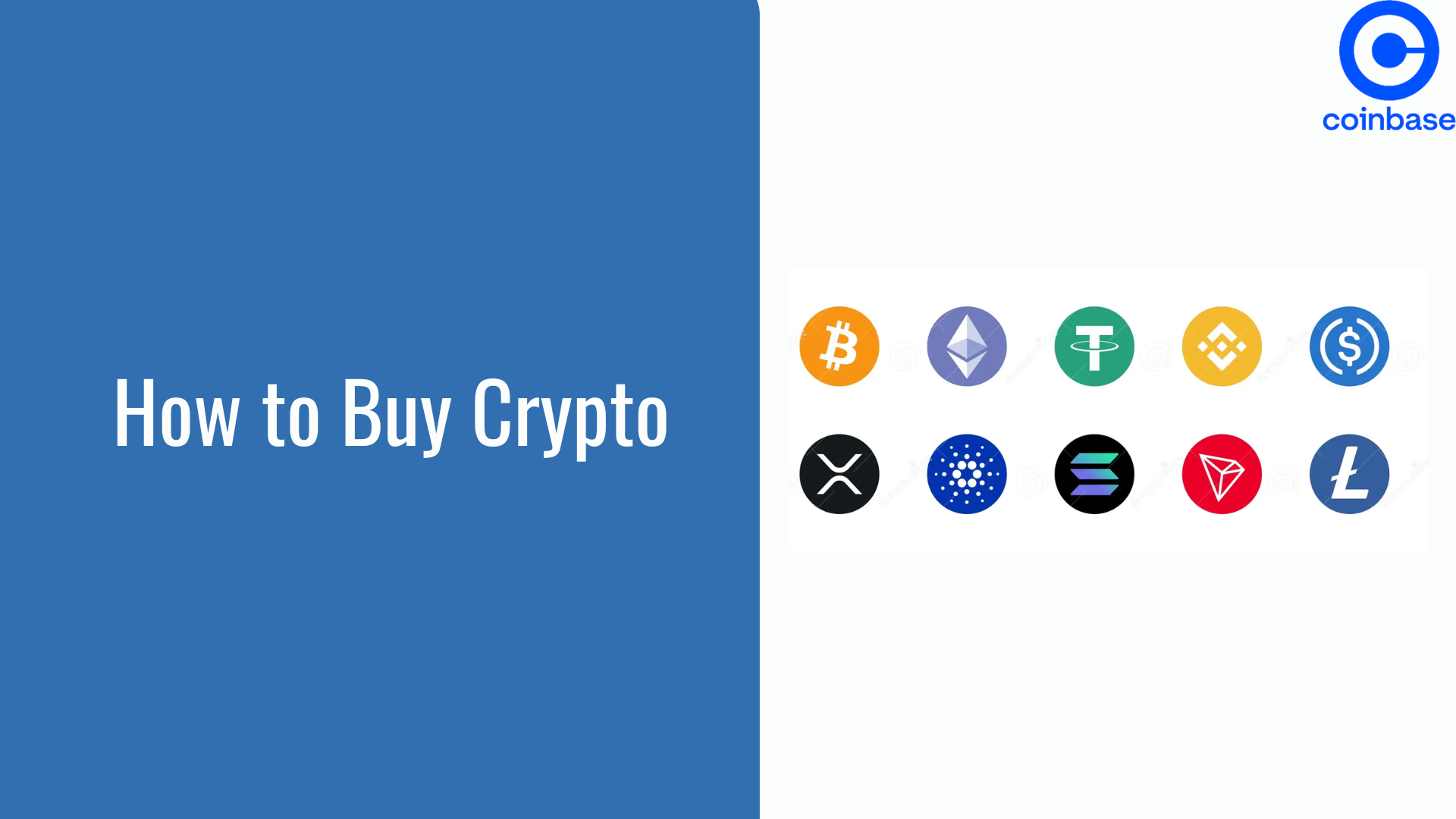
The “where” of buying coin is constantly evolving. We are currently witnessing a convergence between traditional finance (TradFi) and decentralized finance (DeFi). The approval of Spot ETFs (Exchange Traded Funds) for major digital assets in various global markets has opened a new avenue for investors to gain exposure through their existing 401(k)s and brokerage accounts without ever needing to manage a digital wallet.
Furthermore, the rise of “Central Bank Digital Currencies” (CBDCs) and the increasing integration of blockchain technology into payment processors like Visa and Mastercard suggest that in the near future, buying coin might be as seamless as a standard contactless payment. Regardless of the technology used, the principles of due diligence, security awareness, and strategic planning remain the most important tools for any investor looking to participate in this digital gold rush. By choosing a reputable platform, understanding the fee structures, and prioritizing security, you position yourself to benefit from the ongoing transformation of the global economy.
aViewFromTheCave is a participant in the Amazon Services LLC Associates Program, an affiliate advertising program designed to provide a means for sites to earn advertising fees by advertising and linking to Amazon.com. Amazon, the Amazon logo, AmazonSupply, and the AmazonSupply logo are trademarks of Amazon.com, Inc. or its affiliates. As an Amazon Associate we earn affiliate commissions from qualifying purchases.