
Deciding when to exit a position in Tesla (TSLA) is perhaps more complex than with any other stock in the modern market. Since its IPO in 2010, Tesla has evolved from a niche electric vehicle (EV) startup into a global powerhouse that sits at the intersection of automotive manufacturing, renewable energy, and artificial intelligence. For investors, this multi-faceted identity creates a valuation paradox: is it a car company, a software firm, or a robotics play?
The decision to sell Tesla stock should not be driven by headlines or short-term volatility, which are hallmarks of the ticker. Instead, a disciplined exit strategy must be rooted in fundamental analysis, portfolio requirements, and the evolution of the company’s core thesis. This guide explores the specific triggers and financial frameworks that indicate when it might be time to take profits or cut losses.
Reassessing the Investment Thesis
The most critical moment to sell any stock is when the original reason for owning it no longer holds true. For Tesla investors, the “thesis” often falls into one of three buckets: the EV transition, Full Self-Driving (FSD) and autonomy, or energy storage.
Deviation from Core Milestones
If your investment was predicated on Tesla maintaining a dominant 50% market share in the global EV space, and that share begins to erode significantly due to legacy OEM (Original Equipment Manufacturer) competition or the rise of Chinese manufacturers like BYD, your thesis has changed. When a company fails to meet its long-term guidance—such as the ambitious 50% compound annual growth rate (CAGR) in deliveries—investors must ask if the growth narrative is slowing. A transition from a “hyper-growth” phase to a “mature growth” phase often justifies a re-rating of the stock’s valuation, which may be a signal to reduce exposure.
The Shift from Hardware to Software
Many long-term bulls hold Tesla because they believe it will eventually operate a high-margin “Robotaxi” network. If regulatory hurdles or technological plateaus suggest that Level 5 autonomy is decades away rather than years, the “software-as-a-service” (SaaS) valuation multiples currently baked into the stock price may no longer be defensible. When the timeline for a company’s most profitable catalyst is pushed indefinitely into the future, it often creates a ceiling for the stock price, making it a prudent time to sell.
Portfolio Rebalancing and Risk Mitigation
Even if you believe in Tesla’s long-term future, your personal financial situation may dictate a sale. Because of Tesla’s historic runs, many investors find that the stock has grown to represent 20%, 30%, or even 50% of their total portfolio. This creates massive “key-stock risk.” Selling to rebalance back to a diversified allocation is not a bet against the company; it is a fundamental rule of risk management. If a 20% drop in TSLA would jeopardize your retirement or your ability to pay for major life expenses, you are over-leveraged and should consider selling down to a “sleep-at-night” level.
Fundamental Triggers for Liquidation
While sentiment often drives Tesla in the short term, the numbers eventually dictate the long-term trend. Financial metrics provide the most objective signals for an exit.
Margin Compression and Price Wars
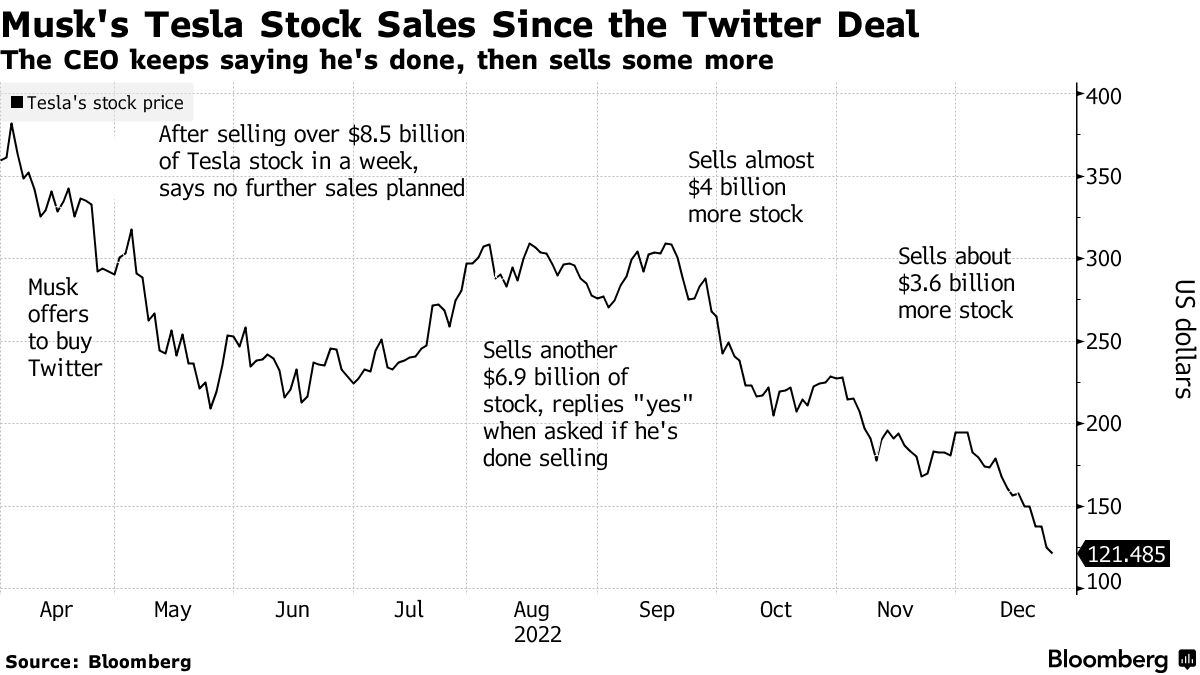
For years, Tesla enjoyed industry-leading operating margins that dwarfed those of Ford, GM, and Volkswagen. However, as the EV market becomes more saturated, Tesla has frequently resorted to aggressive price cuts to stimulate demand. If you observe consistent quarter-over-quarter declines in gross margins without a corresponding drop in cost-of-goods-sold (COGS), the company’s “moat” may be narrowing. When a premium brand loses its pricing power, the stock’s “growth premium” often evaporates. Selling when margins begin to align with traditional automotive industry averages is a classic defensive move.
Valuation vs. Reality: The P/E Ratio Dilemma
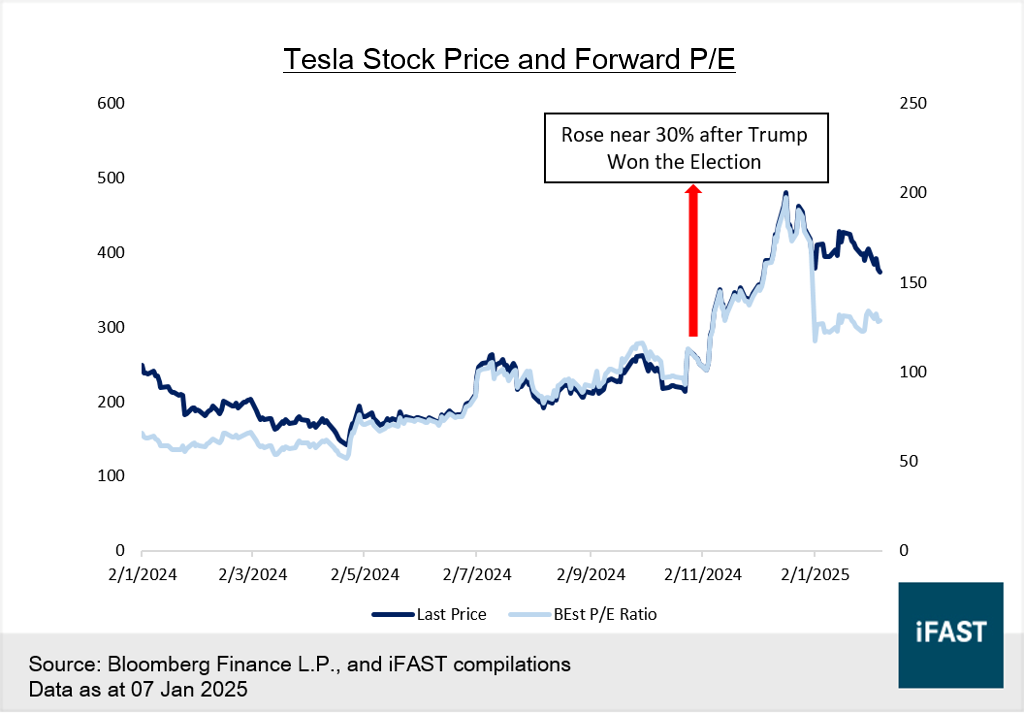
Tesla famously trades at a Price-to-Earnings (P/E) ratio that far exceeds any other major automaker. This premium is justified by its energy business, its AI prospects, and its supercharger network. However, there is a limit to how much “future potential” the market can price in. If the P/E ratio reaches historical extremes while earnings growth is decelerating, the risk-to-reward profile becomes skewed to the downside. Value-conscious investors often use a PEG ratio (Price/Earnings to Growth) to determine if the stock has become untethered from its actual earnings power.
Capital Allocation Concerns
A major signal to sell occurs when management shifts capital away from high-return projects toward ventures that are outside the company’s core competency or are perceived as “ego projects.” Investors should keep a close eye on Research and Development (R&D) spending versus Capital Expenditures (CapEx). If Tesla begins to over-invest in fringe technologies at the expense of its core vehicle platform or battery tech, it may indicate a lack of focus that will eventually hurt the bottom line.
Macroeconomic and Technical Signals
The broader economic environment and the price action on the chart can provide the “when” even if the “why” remains strong.
Interest Rates and Growth Stock Sensitivity
Tesla is categorized as a growth stock, meaning much of its perceived value is based on cash flows that will occur far into the future. When central banks raise interest rates, the “discount rate” applied to those future cash flows increases, making the stock less valuable in the present day. Furthermore, high interest rates make auto loans more expensive for consumers, directly impacting Tesla’s sales volume. If the macroeconomic outlook suggests a “higher-for-longer” interest rate environment, growth stocks like Tesla often face persistent headwinds, making it a strategic time to move capital into more defensive sectors.
Technical Breakdown Levels
For investors who use technical analysis, certain price levels serve as “line in the sand” indicators.
-
Moving Averages: A consistent close below the 200-day moving average on high volume often signals a change in the long-term trend from bullish to bearish.
-
Support Zones: If the stock breaks through a multi-year support level, it suggests that institutional “smart money” is exiting the position.
-
The RSI Overbought Signal: On a shorter-term basis, if the Relative Strength Index (RSI) climbs above 70 or 80 on a monthly chart, the stock is historically overextended. Selling during these periods of “extreme greed” often allows investors to lock in profits before an inevitable mean reversion.
Executive and Brand Risk
Tesla is uniquely tied to the brand and public persona of its CEO, Elon Musk. This “Key Man Risk” is a double-edged sword. While Musk’s vision has driven the company’s success, his extracurricular activities—such as the acquisition of other companies or controversial public statements—can lead to brand erosion. If data suggests that Tesla’s “favorable” rating among its core demographic (often tech-forward, environmentally conscious buyers) is declining, it could lead to a long-term demand problem that no amount of engineering can fix. When the CEO becomes a liability to the brand’s ability to sell units, it is a significant red flag for shareholders.
Developing a Systematic Exit Strategy
Selling doesn’t have to be an “all-or-nothing” decision. Implementing a structured approach can help remove the emotion from the process.
The “Rule of Thirds”
Rather than dumping an entire position, many professional investors use a tiered exit strategy.
-
Sell the first third when the stock hits a predetermined price target to lock in your initial principal.
-
Sell the second third if the fundamental data (like margins or delivery growth) starts to show signs of stagnation.
-
Let the final third run to capture any “moonshot” potential, with a trailing stop-loss to protect the remaining gains.
Tax-Loss Harvesting and Capital Gains Planning
The timing of your sale should also be influenced by your tax liability. If you have significant gains in Tesla, selling in a high-income year might result in a substantial tax bill. Conversely, if the stock is currently down but you still believe in the long-term prospects, you might sell to “harvest” the capital loss to offset other gains, then wait 31 days to rebuy the position (to avoid the Wash Sale Rule). Always consult with a financial advisor to ensure that the timing of your sale aligns with your broader tax strategy.
Identifying Opportunity Costs
Finally, consider the opportunity cost of holding Tesla. Even if the stock is performing well, could that capital be working harder elsewhere? If you identify an emerging sector or a company with a more attractive valuation and higher growth potential, selling Tesla to fund that new venture is a rational move. Wealth is built by rotating capital into the highest-conviction, highest-return ideas available at any given time.
In conclusion, knowing when to sell Tesla stock requires a balance of self-awareness regarding your financial goals and a cold, analytical look at the company’s shifting fundamentals. Whether it is due to a change in your investment thesis, a need for portfolio diversification, or a response to deteriorating economic conditions, a planned exit is the hallmark of a sophisticated investor. By focusing on data over dogma, you can protect your capital and ensure that your Tesla gains contribute to your long-term financial independence.
aViewFromTheCave is a participant in the Amazon Services LLC Associates Program, an affiliate advertising program designed to provide a means for sites to earn advertising fees by advertising and linking to Amazon.com. Amazon, the Amazon logo, AmazonSupply, and the AmazonSupply logo are trademarks of Amazon.com, Inc. or its affiliates. As an Amazon Associate we earn affiliate commissions from qualifying purchases.