
The evolution of Bitcoin from an experimental digital token to a cornerstone of the modern investment portfolio has been nothing short of revolutionary. As institutional adoption grows and regulatory frameworks become clearer, more retail investors are looking to diversify their wealth by entering the cryptocurrency market. However, for a newcomer, the primary question—”where to buy Bitcoin”—can lead to a dizzying array of options, each with its own fee structures, security protocols, and financial implications.
Choosing where to purchase Bitcoin is not merely a matter of convenience; it is a critical financial decision that impacts your net returns, your asset security, and your long-term investment strategy. This guide explores the most reputable avenues for acquiring Bitcoin, categorized by their financial utility and target investor profile.
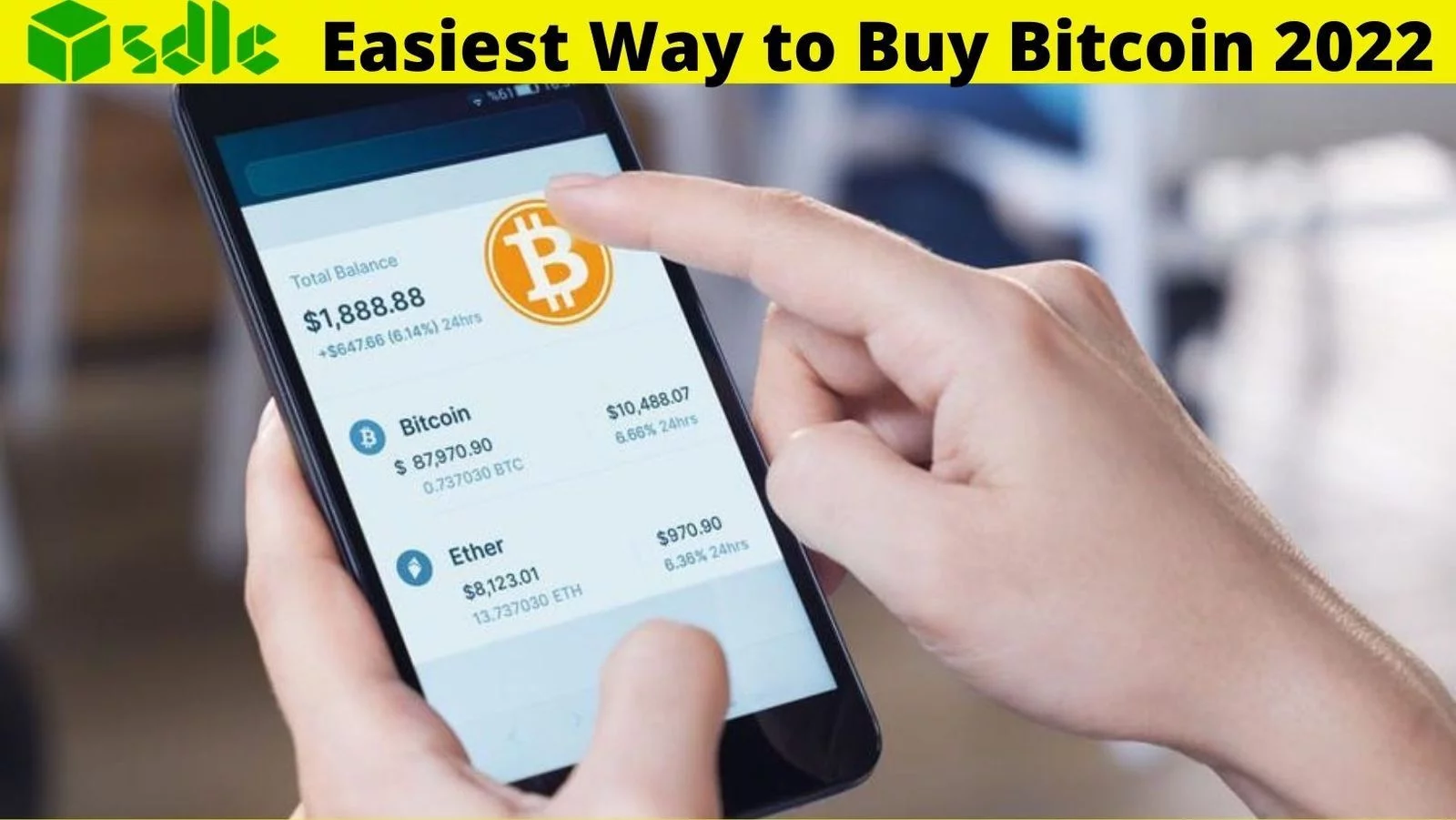
Navigating the Landscape: Centralized Exchanges vs. Financial Brokers
Before committing capital, an investor must understand the two primary types of entities that facilitate Bitcoin transactions. While both allow you to own digital assets, they operate under different financial models and regulatory umbrellas.
Centralized Exchanges (CEX)
Centralized exchanges are the most common entry point for Bitcoin investors. These platforms act as intermediaries that match buyers with sellers. The primary advantage of a CEX is liquidity—the ability to buy or sell large amounts of Bitcoin quickly without significantly moving the market price. Platforms like Coinbase, Binance, and Kraken fall into this category. They offer sophisticated trading tools, various order types (such as limit and stop-loss orders), and the ability to trade Bitcoin against a wide variety of other assets.
Cryptocurrency Brokers
Brokers simplify the process by selling Bitcoin directly to the user at a set price, often including a “spread” (the difference between the buy and sell price). Financial apps like Robinhood, Revolut, or eToro are prime examples. These are often preferred by casual investors who want to manage their Bitcoin alongside their traditional stock or bond portfolios. However, it is essential to check whether the broker allows for “self-custody”—the ability to move your Bitcoin to a private wallet—as some brokers only allow you to hold the price exposure within their ecosystem.
Peer-to-Peer (P2P) Marketplaces
For those seeking a more decentralized approach, P2P marketplaces like Paxful or Bisq connect individual buyers and sellers directly. While these offer greater privacy and a wider range of payment methods (including cash or gift cards), they often carry higher risks and slightly higher prices. From a professional investment standpoint, P2P is typically reserved for those who prioritize privacy over the streamlined efficiency of an exchange.
Evaluating Top Platforms: Fees, Security, and Financial Viability
When determining where to buy Bitcoin, a savvy investor must perform a cost-benefit analysis. High transaction fees can erode your principal investment, especially if you are practicing a high-frequency or recurring purchase strategy.
The Impact of Fee Structures
Every platform has a unique way of generating revenue. Some charge a flat fee per transaction, while others charge a percentage of the total trade. For example, Coinbase is renowned for its user-friendly interface but is often criticized for its higher-than-average retail fees. In contrast, Binance and Kraken Pro offer much lower maker/taker fees, making them more suitable for those moving larger volumes of capital. When calculating your potential ROI, always factor in the “all-in” cost, which includes deposit fees, trading fees, and withdrawal fees.
Security and Insurance Measures
From a financial security perspective, the “where” is just as important as the “how.” Reputable platforms employ institutional-grade security, such as cold storage (keeping the majority of assets offline) and Two-Factor Authentication (2FA). Furthermore, some platforms provide private insurance for digital assets or hold USD balances in FDIC-insured accounts. Investigating the platform’s history regarding hacks and its transparency in “Proof of Reserves” is a non-negotiable step in due diligence.
Liquidity and Execution Speed
Liquidity refers to how easily an asset can be converted into cash without affecting its price. High-volume exchanges ensure that when you decide to exit your position, you can do so at the current market rate. For an investor, low liquidity can lead to “slippage,” where the final execution price is significantly worse than the quoted price. Always opt for platforms with high trading volumes to ensure efficient price discovery.
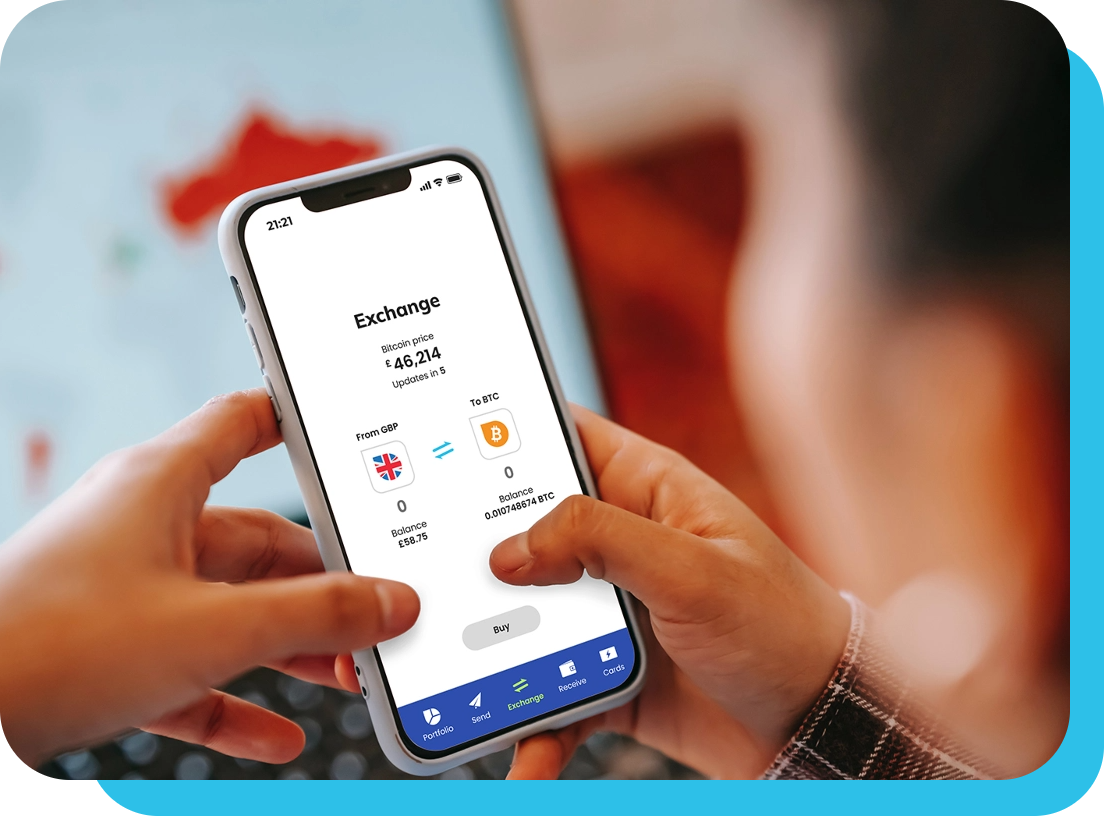
The Logistics of Funding: Converting Fiat to Bitcoin
Once you have selected a platform, the next financial hurdle is moving your “fiat” currency (USD, EUR, GBP) into the digital ecosystem. The method you choose will affect both the speed of your investment and the total cost.
Bank Transfers and ACH Payments
For the disciplined investor, bank transfers (such as ACH in the US or SEPA in Europe) are generally the most cost-effective method. While they can take 1–3 business days to clear, they often carry the lowest fees—sometimes even zero. This method is ideal for those who are not in a rush and want to maximize the amount of Bitcoin they receive for every dollar spent.
Credit and Debit Cards
Buying Bitcoin with a debit or credit card offers the gratification of an instant purchase. However, this convenience comes at a steep price. Processing fees for card payments can range from 3% to 5%, and some credit card issuers may treat the transaction as a “cash advance,” incurring high-interest rates and additional fees. From a wealth-management perspective, using credit to buy a volatile asset like Bitcoin is generally discouraged.
Wire Transfers
For high-net-worth individuals or institutional investors looking to move large sums of money (up to six or seven figures), wire transfers are the standard. While there is usually a flat fee associated with a wire transfer from your bank, the ability to move large amounts of capital quickly to capitalize on market dips makes it a vital tool for serious investors.
Strategic Acquisition: Dollar Cost Averaging and Storage
Knowing where to buy Bitcoin is only half the battle; the other half is integrating that purchase into a sound financial strategy.
Dollar Cost Averaging (DCA)
Instead of trying to “time the market”—which is notoriously difficult given Bitcoin’s volatility—many successful investors use Dollar Cost Averaging. This involves buying a fixed dollar amount of Bitcoin at regular intervals (e.g., $100 every month), regardless of the price. Many platforms, such as Swan Bitcoin or Strike, specialize in automated DCA. This strategy lowers the average cost of your holdings over time and reduces the emotional stress of price fluctuations.
Understanding Self-Custody
In the world of personal finance, the ultimate security for your Bitcoin is self-custody. While leaving your Bitcoin on an exchange is convenient for trading, it introduces “platform risk.” If the exchange goes bankrupt or is compromised, your assets could be at risk. Sophisticated investors often move their long-term holdings to a “cold wallet”—a physical device that keeps your private keys offline. This ensures that you have total control over your digital wealth, independent of any third-party institution.
Regulatory and Tax Considerations
Finally, an essential part of the “Money” niche is understanding the tax implications of your purchase. In many jurisdictions, Bitcoin is treated as property, meaning every time you sell or exchange it, you may trigger a capital gains tax event. When choosing where to buy, look for platforms that offer robust tax reporting tools or integrations with software like CoinLedger or Koinly. Keeping accurate records from the moment of purchase is vital for long-term financial health and legal compliance.
Conclusion: Building a Resilient Digital Portfolio
The question of where to buy Bitcoin has many answers, depending on your financial goals, risk tolerance, and level of technical comfort. For the beginner, a user-friendly broker or a major centralized exchange provides the easiest entry point. For the seasoned investor, low-fee exchanges and self-custody solutions offer the best balance of cost-efficiency and security.
Regardless of the platform you choose, Bitcoin should be viewed through the lens of a long-term financial instrument. By focusing on reputable platforms, minimizing unnecessary fees, and employing a disciplined investment strategy like Dollar Cost Averaging, you can navigate the complexities of the digital asset market and build a resilient position in the future of finance. In the modern economy, Bitcoin is no longer just a “tech” experiment; it is a vital component of a diversified, forward-thinking financial plan.
aViewFromTheCave is a participant in the Amazon Services LLC Associates Program, an affiliate advertising program designed to provide a means for sites to earn advertising fees by advertising and linking to Amazon.com. Amazon, the Amazon logo, AmazonSupply, and the AmazonSupply logo are trademarks of Amazon.com, Inc. or its affiliates. As an Amazon Associate we earn affiliate commissions from qualifying purchases.