
In the complex ecosystem of personal finance, few variables carry as much weight as mortgage interest rates. For the average homeowner or real estate investor, a fraction of a percentage point can translate into tens of thousands of dollars over the life of a loan. As we navigate a global economy characterized by post-pandemic recovery, fluctuating inflation, and shifting central bank policies, the question of “what are interest rates on mortgages today” is more than a simple inquiry—it is a vital component of long-term wealth management.
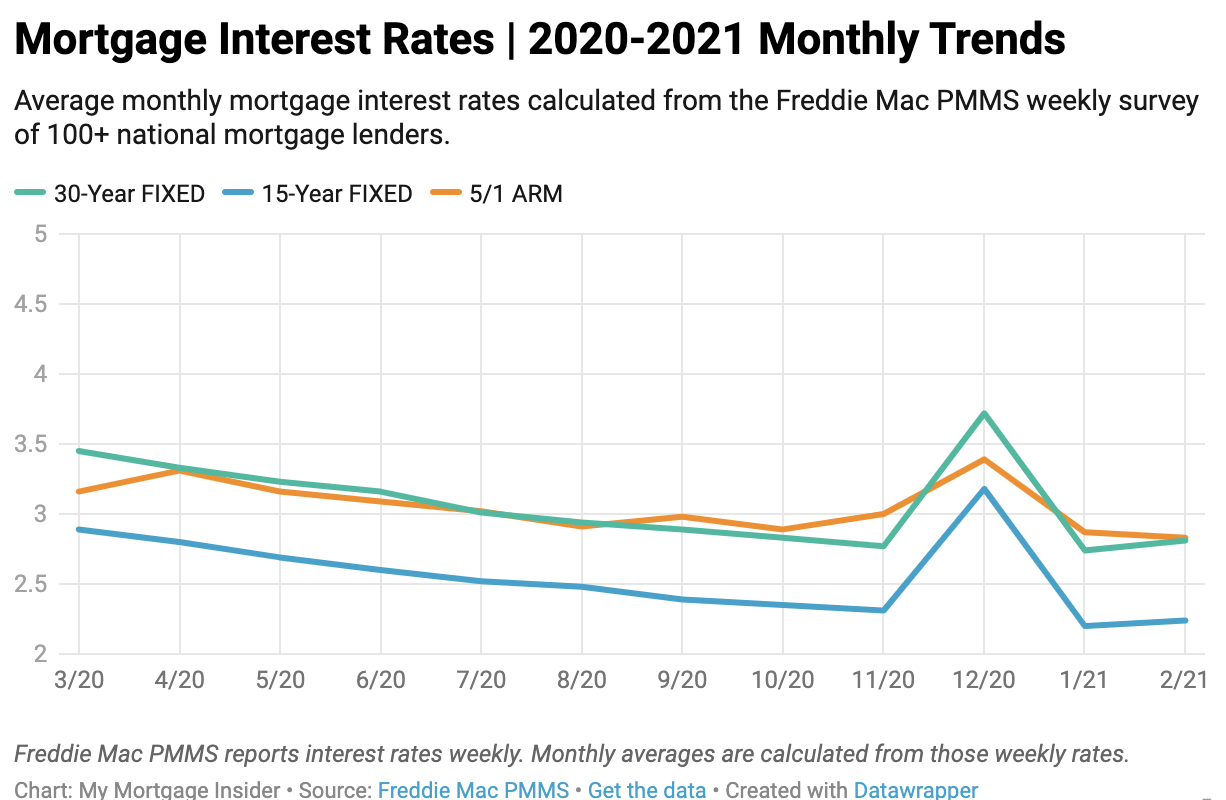
Understanding mortgage rates requires looking beyond the daily ticker. It involves analyzing the intersection of macroeconomic trends, individual financial health, and the strategic selection of loan products. This article explores the current landscape of mortgage financing, providing the insights necessary to make informed decisions in a high-stakes market.
The Economic Engine Driving Mortgage Rates
To understand where mortgage rates stand today, one must first look at the invisible hands that move them. Mortgage rates are not set by a single entity; rather, they are the result of complex interactions between government policy and market demand.
The Role of the Federal Reserve and the Federal Funds Rate
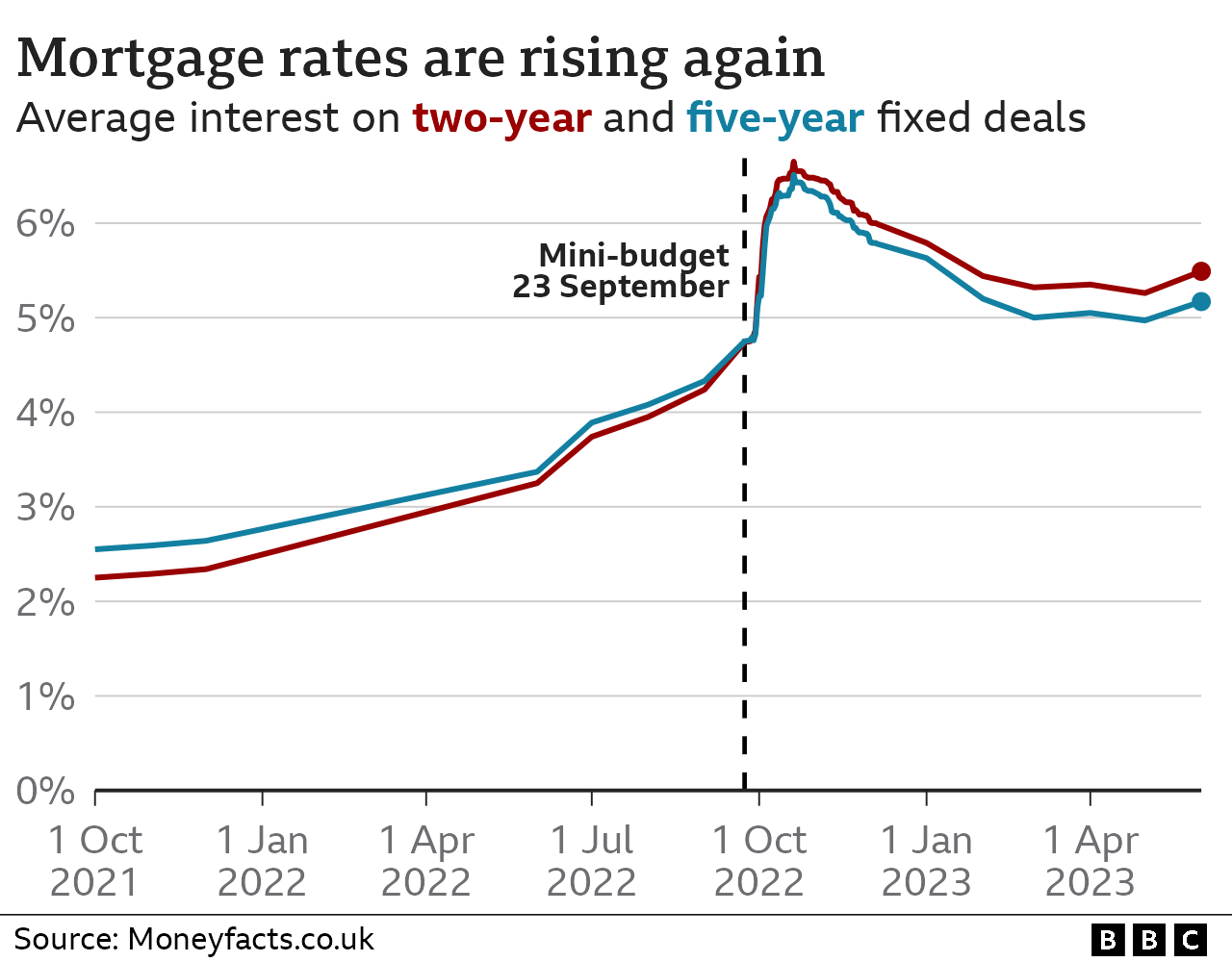
While the Federal Reserve does not set mortgage rates directly, its influence is profound. The Fed sets the federal funds rate—the interest rate at which commercial banks borrow and lend to each other overnight. When the Fed raises rates to combat inflation, the cost of borrowing increases across the board. Mortgage lenders respond by raising their rates to maintain profitability and account for the higher cost of capital. In the current economic cycle, the Fed’s aggressive stance on curbing inflation has been the primary driver behind the upward trajectory of mortgage costs.
Inflation and the 10-Year Treasury Yield
Mortgage rates are often more closely tied to the yield on the 10-year Treasury note than the federal funds rate itself. Investors view mortgage-backed securities (MBS) and Treasury bonds as competing investment vehicles. When inflation is high, the purchasing power of the fixed interest payments from these bonds decreases. Consequently, investors demand higher yields to compensate for inflation risk. As Treasury yields rise, mortgage rates typically follow suit, maintaining a “spread” between the two to account for the additional risk associated with home loans compared to government debt.
Global Market Sentiment and Economic Indicators
Broader economic health also plays a role. Reports on employment (Non-Farm Payrolls), Consumer Price Index (CPI) data, and Gross Domestic Product (GDP) growth all signal the strength of the economy. A robust economy often leads to higher rates as demand for credit increases, while signs of a recession can lead to a “flight to safety,” where investors pour money into bonds, driving yields—and mortgage rates—lower. Today’s rates reflect a market that is hyper-sensitive to every data point regarding the potential for an economic “soft landing.”
Comparing Modern Mortgage Products: Which Rate Fits You?
Not all mortgage rates are created equal. The rate a borrower is quoted depends significantly on the structure of the loan. Choosing the right product is a balancing act between monthly affordability and long-term interest expense.
The 30-Year Fixed-Rate Mortgage: The Gold Standard
The 30-year fixed-rate mortgage remains the most popular choice for American homebuyers. Its primary advantage is stability; the interest rate is locked in for three decades, protecting the borrower from future market volatility. However, because lenders are taking a 30-year risk on the borrower’s ability to pay and the stability of the dollar, these loans typically carry higher interest rates than shorter-term options. In today’s market, the 30-year rate serves as the primary benchmark for the housing industry.
The 15-Year Fixed-Rate: Trading Monthly Cash Flow for Long-Term Savings
For those who can afford higher monthly payments, the 15-year fixed-rate mortgage offers a significantly lower interest rate compared to its 30-year counterpart. Because the loan is paid off in half the time, the lender’s risk exposure is reduced. From a personal finance perspective, this is a powerful wealth-building tool. Borrowers not only secure a lower rate but also pay drastically less in total interest over the life of the loan, allowing them to build equity at an accelerated pace.
Adjustable-Rate Mortgages (ARMs): Navigating Initial Low Rates
Adjustable-rate mortgages offer an initial “teaser” period—typically 5, 7, or 10 years—during which the interest rate is lower than a standard fixed-rate loan. After this period, the rate adjusts annually based on market indices. In a high-rate environment, ARMs can be attractive for buyers who plan to sell or refinance before the adjustment period begins. However, they carry the inherent risk of rates climbing significantly in the future. Today’s sophisticated borrowers use ARMs as a tactical tool, but they require a clear exit strategy to avoid financial strain if rates remain high.
Personal Financial Factors Influencing Your Specific Quote
While “market rates” provide a baseline, the actual rate a lender offers is tailored to the individual’s financial profile. Understanding these levers allows borrowers to optimize their position before applying.
The Credit Score Threshold: Moving from Good to Excellent
Your credit score is perhaps the single most influential factor in determining your individual mortgage rate. Lenders categorize borrowers into “tiers.” A borrower with a score above 760 will typically receive the lowest available rates, while someone with a score in the 620-660 range may face rates that are 1% to 1.5% higher. Over a 30-year period, this difference can amount to hundreds of dollars a month. Maintaining a clean credit history and low credit utilization is essential for anyone looking to secure a competitive rate in today’s environment.
Loan-to-Value (LTV) Ratios and the Power of Down Payments
The LTV ratio represents the amount of the loan compared to the value of the home. A higher down payment results in a lower LTV, which reduces the lender’s risk. If a borrower can provide a 20% down payment, they not only avoid Private Mortgage Insurance (PMI) but often unlock lower interest rate tiers. In a market where rates are elevated, putting more money down can be a strategic move to lower the total monthly obligation and secure a better deal from the lender.
Debt-to-Income (DTI) and its Impact on Lender Risk
Lenders look at your DTI ratio to ensure you aren’t overextended. This ratio compares your total monthly debt payments (including the prospective mortgage) to your gross monthly income. While a high DTI might not always prevent you from getting a loan, it can lead to “risk-based pricing,” where the lender adds a premium to your interest rate to compensate for the higher likelihood of default. Improving your DTI by paying off car loans or credit card balances before applying for a mortgage is a classic financial strategy to secure a more favorable rate.
Strategic Maneuvers to Lower Your Interest Costs
Securing a mortgage is a negotiation, not a passive acceptance of terms. There are several proactive steps borrowers can take to mitigate the impact of current interest rates.
Buying Down the Rate: When Do Mortgage Points Make Sense?
“Points” or discount points allow a borrower to pay upfront interest at closing in exchange for a lower permanent interest rate. One point typically costs 1% of the loan amount and lowers the rate by about 0.25%. Determining whether this is a sound financial move requires a “break-even analysis.” You must calculate how many months of lower payments it will take to recoup the upfront cost of the points. If you plan to stay in the home for a long time, buying down the rate can be an excellent investment in your financial future.
The Art of Shopping Around: Why Multiple Quotes Are Essential
There is significant variance between lenders—including big banks, credit unions, and online mortgage brokers. Each institution has different overhead costs and risk appetites. Research from agencies like Freddie Mac has shown that borrowers who get at least five quotes can save an average of $3,000 or more over the life of the loan compared to those who only get one quote. In today’s digital age, comparing rates across multiple platforms is a low-effort, high-reward activity.
Timing the Market vs. Locking Your Rate
Because mortgage rates fluctuate daily (and sometimes hourly), “rate locks” are a crucial tool. A rate lock guarantees the interest rate for a specific period, usually 30 to 60 days, while the loan is being processed. In a volatile market, failing to lock in a rate can result in a higher monthly payment if the market shifts during underwriting. Conversely, some lenders offer “float-down” options, which allow you to lock in a rate but still take advantage if market rates drop before you close.

Conclusion: The Long-Term Perspective on Mortgage Rates
While mortgage interest rates today may seem high compared to the historic lows of the early 2020s, they must be viewed through a broader historical lens. For much of the late 20th century, rates in the 7% to 9% range were considered standard, and even higher rates were common in the 1980s.
For the modern borrower, the focus should not be on “timing the bottom” of the market, which is notoriously difficult even for professional economists. Instead, the focus should be on personal financial readiness. By improving credit scores, managing debt, and choosing the right loan product, you can secure a rate that fits your budget. Furthermore, remember that a mortgage is not necessarily forever; if rates drop significantly in the future, the option to refinance remains a powerful tool in your financial arsenal.
In the realm of money and personal finance, knowledge is the ultimate hedge against volatility. Understanding what drives mortgage rates and how you can influence your own financial standing ensures that no matter what the “rate of the day” is, you are positioned to build equity and secure your financial legacy.
aViewFromTheCave is a participant in the Amazon Services LLC Associates Program, an affiliate advertising program designed to provide a means for sites to earn advertising fees by advertising and linking to Amazon.com. Amazon, the Amazon logo, AmazonSupply, and the AmazonSupply logo are trademarks of Amazon.com, Inc. or its affiliates. As an Amazon Associate we earn affiliate commissions from qualifying purchases.