
In the contemporary financial landscape, purchasing a vehicle represents one of the most significant capital outlays for the average household, surpassed only by the acquisition of real estate. The question of “where to buy an auto” is no longer a simple matter of visiting the local dealership. It has evolved into a complex financial decision involving market timing, interest rate fluctuations, and a deep understanding of total cost of ownership. As supply chain disruptions stabilize and the market shifts from a seller’s market back toward a buyer’s equilibrium, consumers must navigate a myriad of platforms and financing structures to ensure their investment is sound.
The Financial Ecosystem of Car Buying: Choosing Your Source
The primary decision in the car-buying process is identifying the source of the vehicle. Each channel offers distinct financial advantages and risks that can impact the long-term cost of the asset.
Dealerships vs. Private Sellers: Analyzing the Cost-Benefit Ratio
Traditional franchised dealerships remain the most common point of purchase, particularly for new vehicles. From a financial perspective, the primary advantage of a dealership is access to Certified Pre-Owned (CPO) programs. CPO vehicles often come with manufacturer-backed warranties that mitigate the risk of high-cost repairs shortly after purchase. However, this peace of mind comes with a premium—often 5% to 10% above the market value of a standard used car.
Conversely, the private market offers the potential for significant savings. By removing the “middleman” (the dealer), buyers can often negotiate prices closer to the wholesale value of the car. However, the private market requires a higher degree of financial due diligence. A buyer must account for the lack of a warranty and the necessity of a pre-purchase inspection (PPI), which is a non-negotiable expense for any savvy investor in a used asset.
The Rise of Online Marketplaces: Efficiency and Pricing Transparency
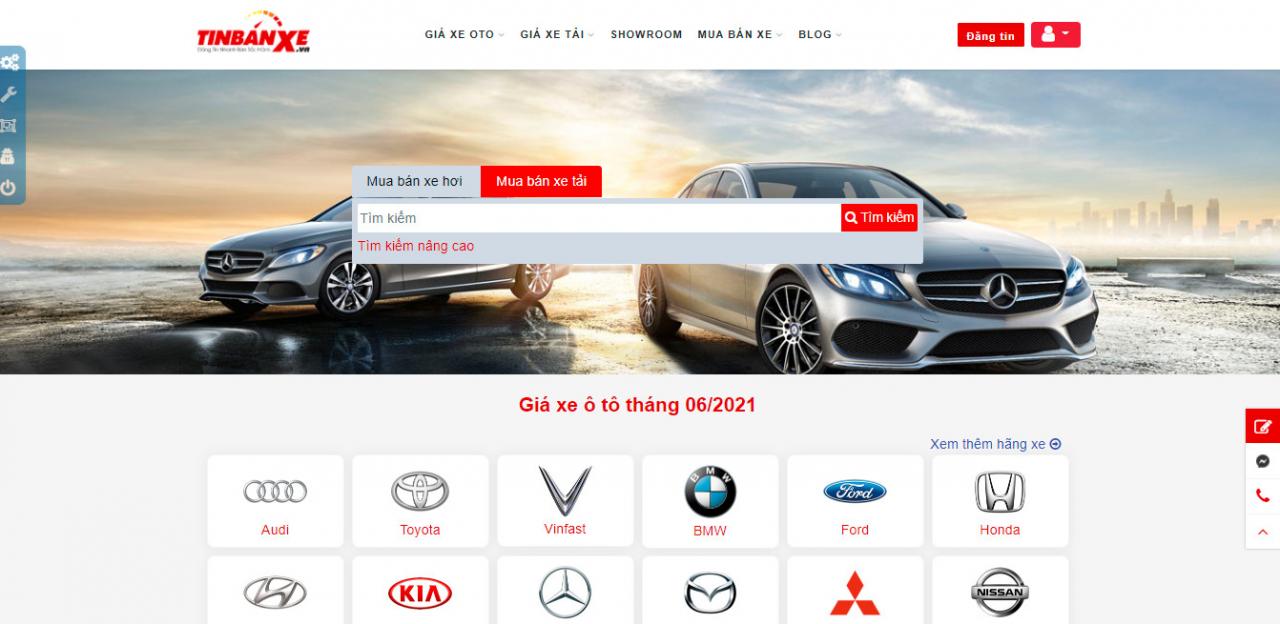
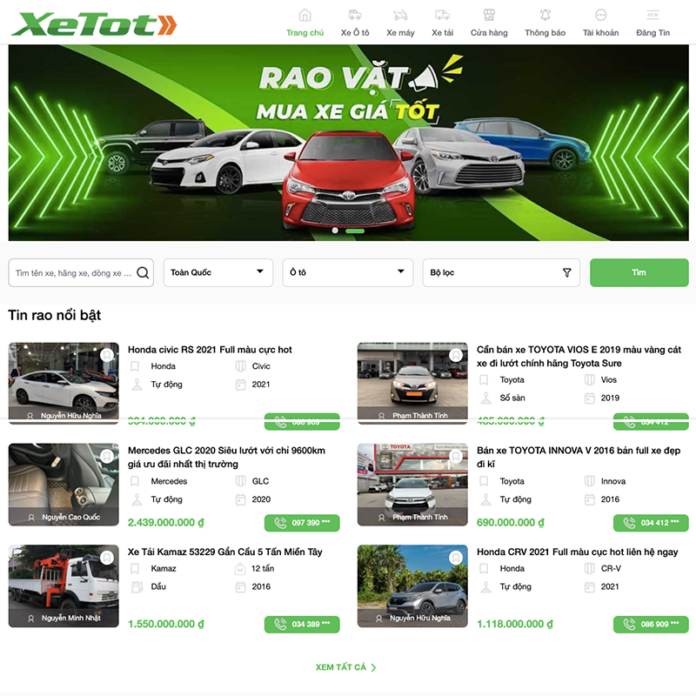
In the last decade, digital-first retailers like Carvana, Vroom, and various online auction sites have disrupted the industry. These platforms prioritize pricing transparency, often utilizing “no-haggle” models. For the busy professional or the financier who values time-equity, these platforms eliminate the hours spent in a negotiation room. While their prices may be slightly higher than private sales due to overhead and delivery logistics, the ability to compare national inventories allows a buyer to find a specific model at a competitive price point that might not be available locally.
Strategic Timing and Market Volatility
In the world of personal finance, when you buy is often as important as where you buy. The automotive market is subject to cyclical trends that, if understood, can save a buyer thousands of dollars in principal costs.
Seasonal Trends and Inventory Management
Automotive dealerships operate on monthly, quarterly, and annual sales targets. Financially savvy buyers often target the end of these periods—specifically the end of December. Not only are dealerships looking to clear out the current year’s models to make room for new inventory, but sales staff are often incentivized by volume bonuses that may lead them to accept a “break-even” deal to hit their targets.
Furthermore, the introduction of new model years (typically in late summer or early fall) creates a “depreciation cliff” for the outgoing year’s models. Buying a “new” car that is technically a year old can result in significant discounts while the vehicle still retains its full warranty and zero-mile status.
Understanding Depreciation: New vs. Pre-Owned Financials
The most significant “hidden” cost of a vehicle is depreciation. A new car typically loses 15% to 20% of its value the moment it is driven off the lot. By the end of the first year, that figure can reach 30%. From a wealth-building perspective, purchasing a “near-new” vehicle (2–3 years old) is often the most prudent move. This allows the first owner to absorb the steepest part of the depreciation curve, while the second owner benefits from a modern, reliable vehicle at a fraction of the original MSRP.
Financing Options and Interest Rate Dynamics
Unless you are purchasing the vehicle in cash, the “where” of your purchase is heavily dictated by the “how” of your financing. The interest rate on an auto loan can drastically alter the total amount paid over the life of the vehicle.
Direct Lending vs. Dealership Financing
Before stepping foot on a lot or clicking “buy” online, a buyer should secure a pre-approval from a direct lender, such as a credit union or a major bank. Credit unions, being member-owned, frequently offer interest rates that are 1% to 2% lower than commercial banks.
Dealership financing, while convenient, often involves “rate markup.” The dealer acts as an intermediary, finding a loan for the buyer and then adding a percentage point or two to the interest rate as a commission. By having a pre-approval in hand, a buyer can force the dealership to beat the existing rate, turning the financing office from a profit center for the dealer into a competitive tool for the buyer.
The Impact of Credit Scores on Long-Term Vehicle Costs
In the current high-interest-rate environment, the spread between a “Prime” credit score (720+) and a “Subprime” score can be as much as 10% or more in APR. On a $35,000 loan over 60 months, this difference can amount to over $10,000 in interest alone. For those whose credit is not yet optimal, it is often more financially sound to delay a purchase by six months to improve their score rather than locking into a high-interest loan that will drain their monthly cash flow.
Assessing the Total Cost of Ownership (TCO)
A common mistake in the auto-buying process is focusing solely on the monthly payment. To truly understand where to buy and what to buy, one must calculate the Total Cost of Ownership (TCO).
Hidden Costs: Insurance, Maintenance, and Resale Value
The purchase price is merely the “tip of the iceberg.” Insurance premiums vary wildly based on the vehicle’s safety ratings, repair costs, and theft rates. A “cheaper” car may actually be more expensive over five years if its insurance premiums are double those of a slightly more expensive, safer alternative.
Furthermore, maintenance schedules are not created equal. European luxury brands often require specialized parts and labor that can cost three times as much as domestic or Japanese counterparts. A buyer should utilize tools like “5-Year Cost to Own” calculators provided by financial research firms to see the projected expenditure on fuel, maintenance, and repairs.
Tax Incentives and Rebates for Alternative Fuel Vehicles
The “where” of buying an auto also includes geographical and governmental considerations. Federal and state tax credits for Electric Vehicles (EVs) and Plug-in Hybrid Electric Vehicles (PHEVs) can significantly lower the net cost of a vehicle. In some jurisdictions, these incentives can total up to $7,500 or more. However, these credits often have strict requirements regarding the vehicle’s place of assembly and the buyer’s adjusted gross income. Incorporating these tax strategies into the purchase plan can transform a premium-priced EV into a more affordable option than a traditional internal combustion engine (ICE) vehicle.
Conclusion: Making a Data-Driven Purchase Decision
Deciding where to buy an auto is a multifaceted financial operation that requires a departure from emotional impulse and a move toward data-driven analysis. Whether you choose the security of a CPO vehicle from a dealership, the value of a private sale, or the streamlined efficiency of an online marketplace, the goal remains the same: to minimize the cost of the asset while maximizing its utility and eventual resale value.
By focusing on the timing of the market, securing competitive financing, and meticulously calculating the total cost of ownership, consumers can turn the process of buying a car from a financial burden into a strategic acquisition. In the modern economy, the best place to buy a car is wherever the data—and your personal balance sheet—suggests the highest return on investment.
aViewFromTheCave is a participant in the Amazon Services LLC Associates Program, an affiliate advertising program designed to provide a means for sites to earn advertising fees by advertising and linking to Amazon.com. Amazon, the Amazon logo, AmazonSupply, and the AmazonSupply logo are trademarks of Amazon.com, Inc. or its affiliates. As an Amazon Associate we earn affiliate commissions from qualifying purchases.