
Apple products have carved out a unique space in the technology landscape, celebrated for their intuitive design, powerful performance, and seamless ecosystem. From the latest iPhone to the robust MacBook Pro, the elegant Apple Watch, or the immersive iPad, acquiring an Apple device is often a significant investment. Navigating the myriad of purchasing options can be daunting, but understanding the various channels available, along with their respective benefits and considerations, is key to making an informed decision. This guide aims to demystify the process, ensuring you find the perfect Apple product to suit your needs, budget, and peace of mind.

Official Channels: The Safest Bet for New Devices
For most consumers, the first thought when considering an Apple purchase leans towards official channels. These avenues offer the ultimate assurance of authenticity, the latest models, and direct access to Apple’s renowned customer service. While often representing the premium price point, the peace of mind and comprehensive support can be invaluable.
Apple Retail Stores: The Premium Experience
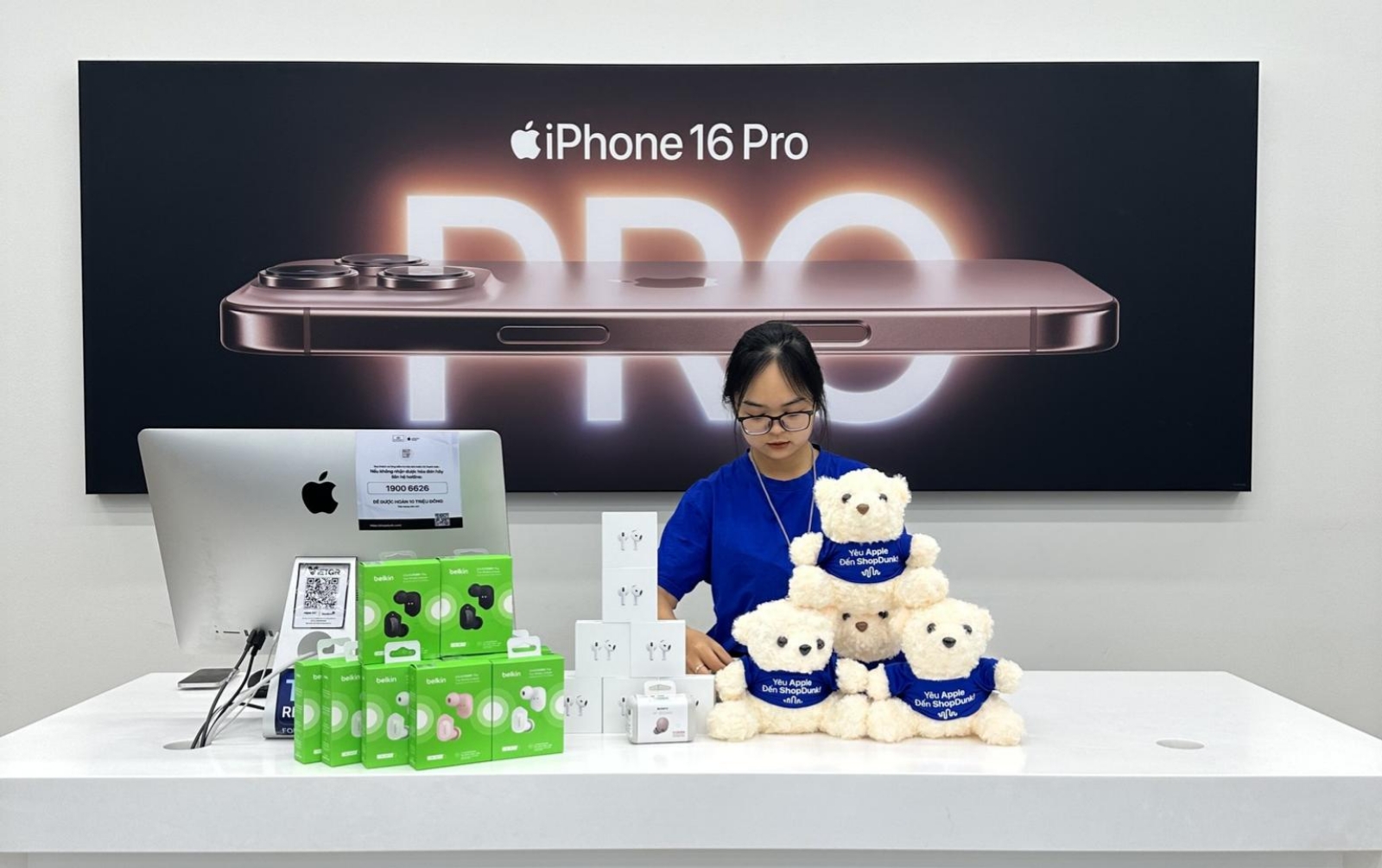
Stepping into an Apple Retail Store is an experience in itself. These meticulously designed spaces are more than just points of sale; they are showcases for the brand’s innovation and customer-centric approach. Here, you can physically interact with every product, getting a hands-on feel for the latest iPhones, testing out the nuanced features of an Apple Watch, or experiencing the power of a Mac.
The primary advantage of purchasing directly from an Apple Store is the unparalleled level of personalized service. Knowledgeable Geniuses and sales associates are on hand to answer any questions, provide product demonstrations, assist with setup, and even offer free workshops on how to maximize your device’s potential. Furthermore, repairs and troubleshooting can often be addressed on-site, making it a one-stop shop for both purchase and post-purchase support. While prices are fixed at MSRP, the immediate gratification of walking out with your new device, coupled with expert guidance, often justifies the choice for many.
Apple Online Store: Convenience at Your Fingertips
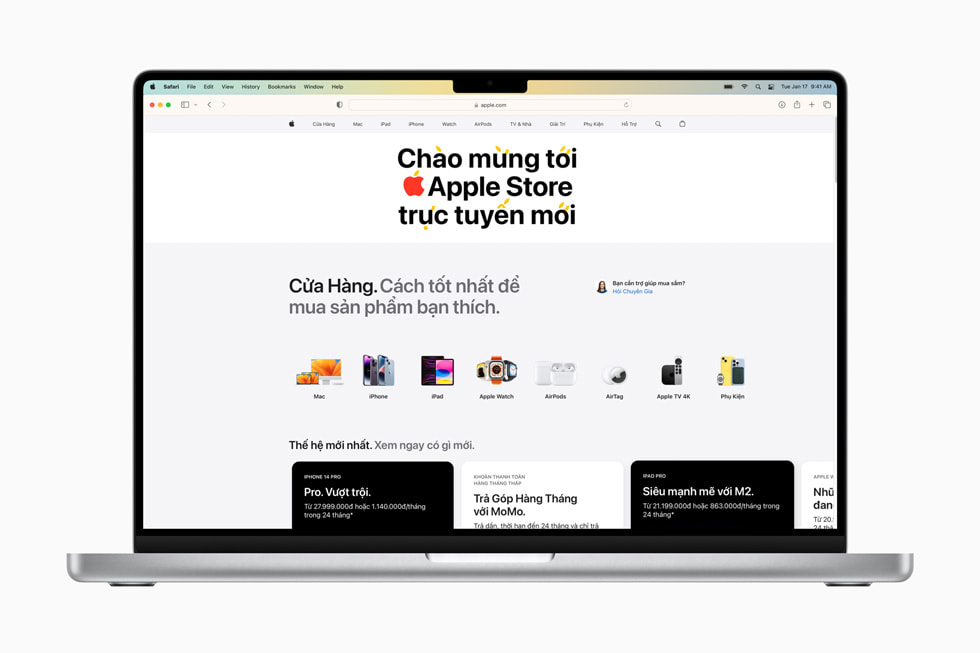
For those who prefer the comfort of their home or do not have easy access to a physical store, the Apple Online Store is an equally robust and official option. The website mirrors the in-store experience in terms of product range and information, offering detailed specifications, customer reviews, and interactive configuration tools. You can customize Macs to your exact specifications, select unique engraving options for AirPods, and explore a vast array of accessories.
The online store boasts several distinct advantages, including free shipping, flexible delivery options (including in-store pickup), and often a more relaxed environment for decision-making without sales pressure. Apple’s online platform is also frequently the first place new products become available for pre-order, ensuring early adopters can secure the latest models. Returns are straightforward, typically allowing a 14-day window for most products, provided they are in new condition. This convenience, combined with direct Apple support, makes the online store a highly attractive option.
Authorized Resellers: Expanding Your Options
Beyond Apple’s direct channels, a vast network of authorized resellers provides additional avenues for purchasing Apple products. These include major electronics retailers like Best Buy, Amazon, Walmart, and various telecommunications carriers (e.g., AT&T, Verizon, T-Mobile). Authorized resellers carry authentic Apple products and often offer competitive pricing, bundles, or financing deals that might not be available directly from Apple.
Purchasing from an authorized reseller can be particularly beneficial for those looking to combine their device purchase with a carrier contract, taking advantage of subsidized pricing or monthly payment plans for iPhones and iPads with cellular capabilities. Additionally, these retailers often run promotional sales, especially during holiday seasons or major shopping events like Black Friday, making them excellent places to find discounts on slightly older models or accessories. However, it’s crucial to ensure the reseller is indeed “authorized” to guarantee product authenticity, warranty validity, and access to Apple’s official support. Always look for official badges or verify their status on Apple’s website.
Exploring Value: Alternatives for Budget-Conscious Buyers
While new Apple products come with a premium price tag, there are several legitimate and smart ways to acquire Apple technology without breaking the bank. These alternatives cater to budget-conscious buyers who are willing to explore options beyond brand-new, full-price purchases.
Certified Refurbished Programs: Apple’s Own and Third-Party
One of the most appealing ways to save money on an Apple device is through certified refurbished programs. Apple itself operates a highly regarded Certified Refurbished store, offering products that have been returned, repaired if necessary, thoroughly cleaned, and repackaged with all original accessories and a new battery (for devices like iPhones and iPads). Crucially, these products come with the same one-year warranty as new devices and are eligible for AppleCare+, providing significant savings (typically 15-20%) with almost no compromise on quality or support. This is arguably the safest and most reliable refurbished option.
Beyond Apple, many authorized resellers and reputable third-party companies also offer their own certified refurbished programs. When considering these, it’s vital to research the vendor’s reputation, understand their refurbishment process, and confirm the warranty they provide. Look for detailed grading systems (e.g., “like new,” “excellent,” “good”) and ensure a clear return policy is in place. Companies like Gazelle, Back Market, and reputable sellers on Amazon (often indicated as “renewed”) are popular choices, but due diligence is paramount.
Reputable Used Marketplaces: Navigating the Second-Hand Scene
For the savviest and most budget-conscious buyers, the used market offers the greatest potential for savings. Platforms like Swappa, eBay, and even local classifieds (like Facebook Marketplace or Craigslist) host a vast array of pre-owned Apple devices. Prices can be significantly lower than even refurbished options, but this route demands careful consideration and vigilance.
When purchasing from the used market, verifying the seller’s reputation is critical. On platforms like eBay, scrutinize seller ratings, reviews, and transaction history. For local sales, always meet in a public place, inspect the device thoroughly before purchase, and never pay in advance. Crucial checks include: confirming the device is not activation locked to a previous owner’s iCloud account, checking for physical damage, ensuring all features (camera, speakers, buttons) work, and verifying the battery health. For iPhones and iPads, ensure the IMEI/serial number is not reported stolen or blacklisted using online tools. This option offers great value but requires expertise and caution.
Trade-In Programs: Upgrading Smartly
If you already own an Apple device, trade-in programs offer a convenient way to offset the cost of a new purchase. Apple itself runs a trade-in program, allowing you to get credit towards a new device or an Apple Store Gift Card for your old iPhone, iPad, Mac, or Apple Watch. The value offered depends on the device’s model, condition, and configuration.
Many authorized resellers and carriers also offer their own trade-in promotions, especially around new product launches. These can sometimes yield higher values than Apple’s direct program, particularly if tied to a new service contract or specific device purchase. Before trading in, always back up your data, factory reset your device, and ensure you’ve removed all personal information and accounts. Trade-in programs provide an eco-friendly way to upgrade and reduce the initial outlay for your new Apple product.
Strategic Purchasing: Factors Beyond the Location
Acquiring an Apple device involves more than just choosing where to buy it. A strategic approach considers the financial implications, long-term support, and market dynamics that can influence both the cost and your overall satisfaction.
Understanding Warranties and AppleCare+
Every new Apple product comes with a standard one-year limited warranty and 90 days of complimentary technical support. This covers manufacturing defects but generally not accidental damage. For extended peace of mind, Apple offers AppleCare+, an extended warranty program that can be purchased within 60 days of your device purchase. AppleCare+ typically extends the warranty period (e.g., to two or three years depending on the product) and, crucially, includes coverage for accidental damage incidents, usually for a small service fee.
For devices like iPhones, Macs, and Apple Watches, AppleCare+ can be a worthwhile investment, especially given the high cost of out-of-warranty repairs. When buying from non-official channels, always verify the device’s warranty status using its serial number on Apple’s website. If purchasing a used device, be aware that AppleCare+ might not be transferable or might have expired, adding a layer of risk.
Financing Options and Carrier Deals
The upfront cost of Apple products can be substantial. Fortunately, numerous financing options exist. Apple offers its own interest-free financing through the Apple Card Monthly Installments program, allowing you to pay for your device over time with no interest, provided you have an Apple Card.
Beyond Apple, most authorized resellers and carriers provide various financing plans. Carrier deals, in particular, can be very attractive for iPhones and cellular iPads, often bundling the device cost into your monthly bill or offering significant discounts with new service activations or trade-ins. However, it’s essential to read the fine print, understand the total cost over the contract period, and be aware of any lock-in periods or penalties for early termination. Comparing options from multiple providers can yield significant savings.
Timing Your Purchase: When to Expect New Releases and Discounts
Apple typically follows predictable release cycles for its major products. iPhones and Apple Watches usually see new generations in September, while Macs and iPads have less rigid but still somewhat predictable updates throughout the year. Knowing these cycles can help you make a strategic purchasing decision.
Buying a new model shortly after its release means you’re getting the latest technology, but it will be at full price. If you’re willing to settle for the previous generation, purchasing immediately after a new model is announced often results in price drops on the older models at authorized resellers. Similarly, major sales events like Black Friday, Cyber Monday, and back-to-school promotions are excellent times to look for discounts on Apple products, often through authorized retailers rather than directly from Apple. Patience and timing can save you hundreds of dollars.
Verification and Security: Protecting Your Investment
Regardless of where you decide to buy your Apple device, a few critical steps are necessary to protect yourself from fraud, ensure authenticity, and safeguard your investment. This is especially crucial when venturing beyond official channels.
Authenticity Checks: Spotting Fakes and Counterfeits
The popularity of Apple products unfortunately makes them a target for counterfeiters. When purchasing, especially from less reputable sources or online marketplaces, verifying authenticity is paramount. Check the packaging for inconsistencies, misspellings, or poor print quality. Examine the device itself for fit and finish – genuine Apple products boast extremely high build quality.
The most reliable check involves the device’s serial number (found in Settings > General > About on iOS/iPadOS, or About This Mac on macOS, and often on the original box). Enter this serial number on Apple’s official “Check Coverage” website (checkcoverage.apple.com). This will display information about the device’s model, warranty status, and purchase date, confirming it’s a genuine Apple product. If the serial number doesn’t register or shows conflicting information, it’s a red flag.
Device Activation Lock and iCloud Status
For pre-owned iPhones, iPads, and Apple Watches, one of the most critical checks is ensuring the device is not “Activation Locked.” Activation Lock is a security feature tied to the previous owner’s Apple ID, preventing anyone else from using the device if it’s lost or stolen. If a device is Activation Locked, it’s essentially useless to you.
Before purchasing any used device, demand that the seller completely removes their iCloud account and turns off “Find My [Device].” You can verify this by going to the setup screen or by checking the device’s IMEI/serial number on Apple’s iCloud Activation Lock status page (if still available, Apple has retired this public tool, making seller cooperation even more crucial). Never buy an Activation Locked device unless the seller explicitly agrees to unlock it while you are present, or you receive a full refund if they fail to do so.
Secure Payment Methods and Returns Policies
When making any purchase, especially from third-party or used markets, always prioritize secure payment methods. Credit cards offer consumer protections that debit cards or cash do not, making it easier to dispute fraudulent transactions. For online marketplaces, use their integrated payment systems (like PayPal on eBay) which often include buyer protection. Avoid wire transfers, gift cards, or direct peer-to-peer payment apps (like Venmo or Cash App) for large purchases from unknown sellers, as these offer minimal recourse if things go wrong.
Finally, understand the return policy before you buy. Official Apple channels and most authorized resellers offer clear, generous return windows. For refurbished third-party vendors, confirm their specific return policy and warranty. For used items, assume “all sales are final” unless explicitly stated otherwise, making your initial checks even more vital.
Conclusion
Acquiring an Apple product is an exciting prospect, opening doors to a powerful and interconnected ecosystem. Whether you prioritize the latest technology, seek the best value, or aim for absolute peace of mind, a suitable purchasing channel exists. By understanding the advantages of official stores and online platforms, exploring the smart savings offered by refurbished and used markets, and strategically considering warranties, financing, and timing, you can make a purchase that aligns perfectly with your needs and budget. Remember to prioritize authenticity, verify device status, and use secure payment methods to ensure a smooth and satisfying Apple experience.
aViewFromTheCave is a participant in the Amazon Services LLC Associates Program, an affiliate advertising program designed to provide a means for sites to earn advertising fees by advertising and linking to Amazon.com. Amazon, the Amazon logo, AmazonSupply, and the AmazonSupply logo are trademarks of Amazon.com, Inc. or its affiliates. As an Amazon Associate we earn affiliate commissions from qualifying purchases.