
In the rapidly evolving landscape of fintech, Cash App has emerged as a cornerstone for personal finance management. It bridges the gap between traditional banking and the digital economy, offering users a versatile platform for sending, spending, and investing money. For many, the Cash Card—a Visa debit card linked to the Cash App balance—serves as their primary tool for daily transactions. However, the utility of the card is entirely dependent on the availability of funds within the account. Understanding the various avenues for adding money to a Cash App card is essential for anyone looking to optimize their financial workflow and ensure liquidity in an increasingly cashless society.

The Digital Pipeline: Transferring Funds from Linked Bank Accounts
The most common and efficient way to add money to a Cash App card is through a linked bank account or debit card. This method creates a seamless digital pipeline, allowing for the instantaneous movement of capital between traditional financial institutions and the Cash App ecosystem.
Connecting Your Financial Infrastructure
To initiate this process, users must first establish a link between Cash App and their existing bank. This is typically done by entering debit card information or using a third-party service like Plaid to securely log into a bank account. From a financial management perspective, linking a debit card is often preferred for “Add Cash” operations because it allows for immediate transfers, whereas direct bank account links via ACH (Automated Clearing House) may sometimes take longer depending on the verification status.
Executing the “Add Cash” Command
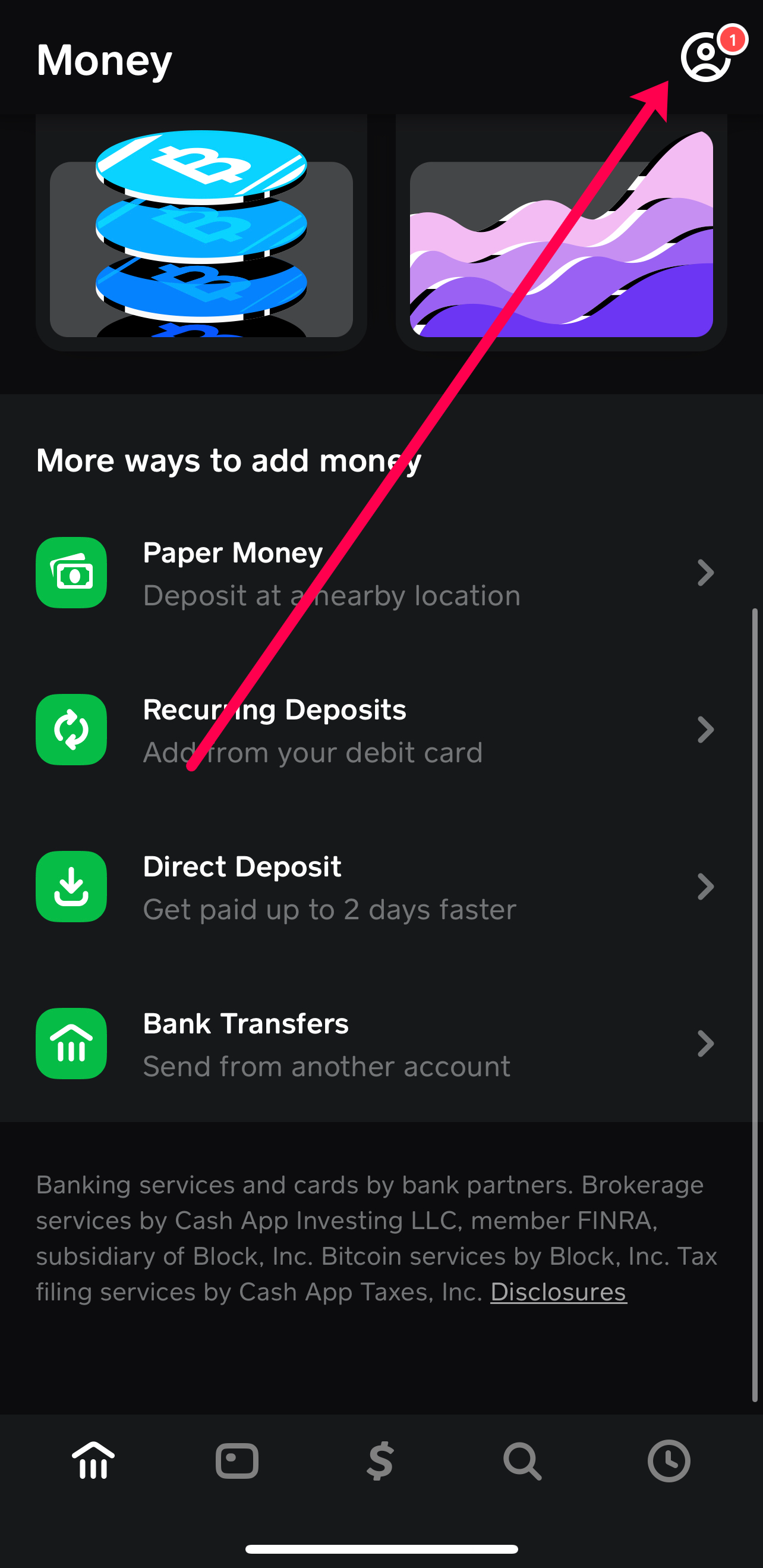
Once the link is established, adding money is a straightforward procedure within the app’s interface. By selecting the banking tab and tapping “Add Cash,” users can specify the amount they wish to move. This feature is particularly useful for those who use Cash App as a budgeting tool. By transferring a set amount of “discretionary spending” money from a main savings account to the Cash App card each week, users can better control their impulses and track their spending habits through the app’s intuitive categorization tools.
Security and Verification Protocols
When moving money digitally, security is paramount. Cash App employs several layers of protection, including encryption and the option for a Security Lock (requiring a PIN or biometric ID for every transfer). It is important to note that Cash App may impose initial limits on how much money can be added daily or weekly. For users looking to move larger sums, completing the identity verification process—which involves providing a full name, date of birth, and the last four digits of a Social Security Number—is a necessary step to unlock higher transaction ceilings.
Brick-and-Mortar Solutions: Adding Paper Money at Retail Locations
While the world is trending toward digital payments, physical currency remains a significant part of the economy. Cash App addresses this by offering a “Paper Money” feature, allowing users to deposit physical cash into their digital accounts at thousands of retail locations across the country.
Major Participating Retailers
Cash App has partnered with a wide network of national retailers to facilitate cash deposits. Some of the most prominent partners include:
-
Walmart (Customer Service Desk or MoneyCenter)
-
Walgreens and Duane Reade
-
7-Eleven
-
CVS Pharmacy
-
Family Dollar and Dollar General
-
Rite Aid
These partnerships are vital for the “unbanked” or “underbanked” populations, providing them with a gateway to participate in the digital economy without needing a traditional bank account.

The Barcode System: A Step-by-Step Process
To add physical cash, a user does not simply hand over their Cash Card. Instead, the process relies on a unique, time-sensitive barcode generated within the app.
-
Open the banking tab and select “Paper Money.”
-
Use the map to find a nearby participating location.
-
Once at the store, tap “Show Barcode.”
-
The cashier scans the barcode, takes the cash, and the funds are typically credited to the Cash App balance within minutes.
Fees and Deposit Constraints
It is important for users to be aware of the costs associated with this convenience. Most retail deposits incur a small service fee (often around $1.00 or $4.00, depending on the retailer and current Cash App policies). Furthermore, there are specific limits on paper money deposits: generally, a maximum of $500 per transaction, $1,000 per rolling 7-day period, and $4,000 per rolling 30-day period. For those managing business finances or large personal expenses, these limits must be factored into their long-term financial planning.
Maximizing Inflows: Direct Deposit and Peer-to-Peer Transfers
Beyond manual transfers, Cash App functions as a full-service financial hub by supporting automated inflows. This turns the Cash App card into a more robust tool that can replace a traditional checking account for many users.
The Power of Direct Deposit
Cash App provides users with a routing and account number, just like a standard bank. This allows for the setup of direct deposits for paychecks, tax refunds, and government stimulus payments. From a personal finance standpoint, this is a highly advantageous way to “add money” because it is passive. Moreover, Cash App often makes these funds available up to two days earlier than traditional banks, providing users with faster access to their earned income. This accelerated liquidity can be a game-changer for individuals managing tight monthly budgets or those looking to capitalize on investment opportunities quickly.
Utilizing the Peer-to-Peer (P2P) Network
The most social way to add funds to a Cash Card is through the P2P network. By sharing a unique $Cashtag, users can receive money from friends, family, or clients instantly. This is particularly useful for freelancers and those in the “gig economy” who need a quick and reliable way to get paid for services.
-
Requests: Users can proactively send a “Request” for funds, which serves as a digital invoice.
-
Incentives: Cash App often runs referral programs where users can add a small bonus to their balance by inviting others to the platform, further padding their account.
Managing High-Volume Inflows and Taxes
For users who receive significant amounts of money through P2P transfers—especially those using Cash App for business—it is crucial to understand the tax implications. As of recent IRS regulations, platforms like Cash App are required to report certain levels of commercial activity. Keeping a clean record of “Personal” vs. “Business” transactions within the app is a vital practice for sound financial management and tax compliance.
Strategic Financial Management: Optimizing Your Funded Cash Card
Simply knowing where to add money is only half the battle; knowing how to strategically manage those funds once they are on the card is what separates a casual user from a savvy financial manager.
Leveraging “Boosts” for Instant ROI
Once money is added to the Cash App card, one of the most effective ways to make that money go further is through “Boosts.” These are instant rewards or discounts applied to specific merchants (e.g., 5% off at grocery stores or $1 off at coffee shops). By strategically adding funds to the card right before a planned purchase, users can achieve an immediate return on their spending, effectively increasing their purchasing power without increasing their income.
Integrating Investments: Stocks and Bitcoin
Cash App is unique in its integration of an investment platform directly alongside the spending account. Once money is added to the Cash App balance, it can be instantly diverted into the stock market or into Bitcoin.
-
Fractional Shares: Users can invest as little as $1 in major companies, allowing for a “round-up” style of investing.
-
Bitcoin Auto-Invest: For those looking to build a position in digital assets, users can set up recurring purchases using the funds they have added to their card. This promotes the financial principle of “Dollar Cost Averaging,” reducing the impact of volatility on the overall portfolio.
Building a Digital Reserve
Finally, the Cash App card can serve as a component of an emergency fund strategy. While it shouldn’t replace a high-yield savings account for long-term reserves, having a few hundred dollars of liquid cash available on a mobile-accessible card ensures that one is prepared for immediate, unexpected expenses like a car repair or an urgent travel need. By diversifying where money is stored and understanding every method of replenishment—from digital transfers and retail deposits to direct deposits and P2P payments—users can create a resilient and flexible financial ecosystem.
aViewFromTheCave is a participant in the Amazon Services LLC Associates Program, an affiliate advertising program designed to provide a means for sites to earn advertising fees by advertising and linking to Amazon.com. Amazon, the Amazon logo, AmazonSupply, and the AmazonSupply logo are trademarks of Amazon.com, Inc. or its affiliates. As an Amazon Associate we earn affiliate commissions from qualifying purchases.