
In an era dominated by contactless payments, mobile wallets, and instantaneous digital transfers, the humble paper check can sometimes feel like a relic of a bygone financial age. However, despite the rise of fintech, checks remain a fundamental tool in the world of personal and business finance. Whether you are setting up direct deposit for a new job, authorizing an automatic bill payment, or making a large down payment on a home, you will inevitably be asked for your routing and account numbers.
Understanding the anatomy of a check is a foundational skill in financial literacy. Misidentifying these numbers can lead to failed transactions, late fees, or even security vulnerabilities. This guide provides a comprehensive deep dive into locating your routing number, understanding its function within the global banking system, and managing your financial data with confidence.

The Anatomy of a Personal Check: Identifying the Key Numbers
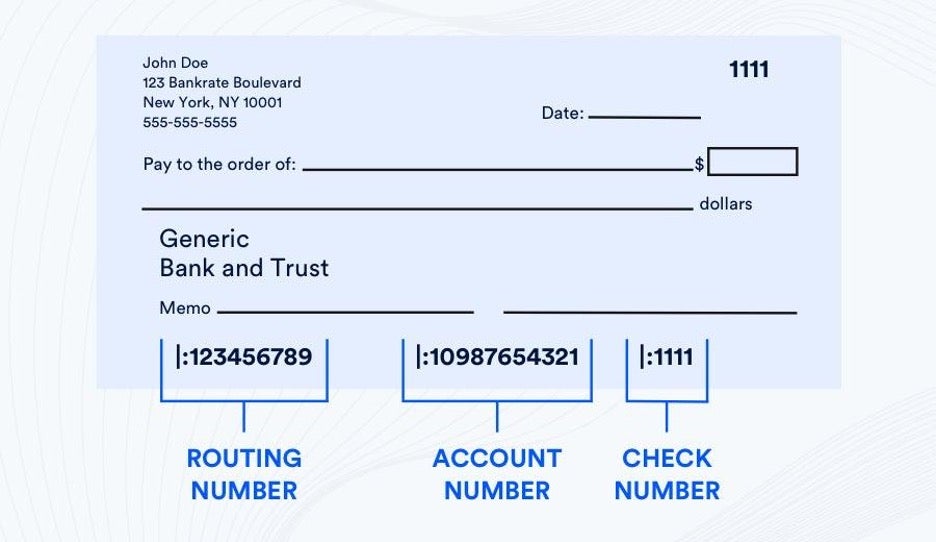
When you look at a standard personal or business check, you will notice a series of numbers printed at the bottom using a specific, slightly blocky font. This is known as Magnetic Ink Character Recognition (MICR) line. This line allows high-speed processing machines at banks and clearinghouses to read the information automatically. To the untrained eye, these digits might look like a random string of numbers, but they are organized into three distinct sections.
The Routing Transit Number (RTN)
The routing number is almost always the first set of numbers appearing on the bottom-left corner of your check. It is exactly nine digits long and is flanked by a specific MICR symbol that looks like a vertical dash followed by a colon.
The Routing Transit Number (RTN) acts as an “address” for your financial institution. Just as a zip code tells the postal service which town to deliver a letter to, the routing number tells the Federal Reserve and other banks exactly where the money needs to go. Without this nine-digit code, the electronic banking network would have no way of identifying which of the thousands of banks in the United States holds your account.
The Account Number
Following the routing number is your unique account number. This is usually located in the middle of the MICR line, though some banks may place it to the right of the check number. Unlike the routing number, which is shared by every customer at your specific branch or bank, the account number is unique to you. It identifies your specific checking or savings cache within the bank’s internal ledger. It can vary in length, typically ranging from 8 to 12 digits.
The Check Number
The shortest string of numbers on the MICR line is the check number. This is a sequential number used for your personal record-keeping and to help the bank track individual transactions. You will also see this number printed in the top-right corner of the check. If you ever need to “stop payment” on a check, the bank will ask for this specific number to identify the exact piece of paper you wish to void.
What is a Routing Number and Why Does It Matter?
Beyond simply knowing where to look, it is vital for any savvy financial manager to understand what these numbers actually represent. The routing number system was developed by the American Bankers Association (ABA) in 1910 to bring order to a rapidly expanding financial landscape.
The Function of the ABA Number
The nine-digit code is not arbitrary. The first two digits indicate the Federal Reserve district where the bank is located. The third digit identifies the specific Federal Reserve check processing center originally assigned to the bank. The fourth digit signifies the state in which the bank is located. Digits five through eight represent the specific financial institution, and the final ninth digit is a “check digit,” a mathematical tool used to verify that the previous eight digits were transmitted correctly.
In personal finance, the routing number is the gateway to the Automated Clearing House (ACH) network. This network handles trillions of dollars in transactions annually, including your paycheck via direct deposit and your monthly utility payments.
Routing Numbers vs. Wire Transfer Numbers
A common point of confusion in business finance is the difference between a standard routing number and a wire transfer routing number. While many smaller banks use the same nine-digit code for all transactions, larger national banks often have separate routing numbers for ACH transfers (like direct deposit) and domestic wire transfers.

When you are moving large sums of money—for example, during a real estate closing—using the wrong routing number can cause the wire to be rejected, potentially delaying your transaction by several days. Always verify with your bank whether you should use the “paper/electronic” routing number found on your check or a specific “wire routing number” provided by their wire department.
How to Find Your Routing Number Without a Physical Check
We are increasingly living in a “checkless” society. Many modern online banks do not even issue physical checkbooks unless specifically requested. If you find yourself needing your routing number but don’t have a checkbook handy, there are several professional and secure ways to retrieve this information.
Accessing Data via Mobile Banking Apps
In the modern fintech ecosystem, your mobile banking app is your most powerful financial tool. Most major banks include a “Digital ID” or “Account Details” section within their app. Once you log in using biometric verification (like FaceID or a fingerprint), you can usually tap on your specific checking account to view the routing and account numbers. Many apps even offer a “Copy” feature to ensure you don’t make a typo when pasting the number into a payroll or billing form.
Locating Numbers on Monthly Bank Statements
If you prefer a paper trail, your monthly bank statement is an official financial document that contains all necessary identification numbers. Look at the top of the first page, near your name and address. Most banks will list the account number and the routing number clearly labeled for your convenience. This is often the most reliable way to confirm you are using the correct numbers for the specific branch where your account was opened.
Using the American Bankers Association (ABA) Lookup
If you know the name of your bank but cannot find your documents, the ABA provides an online lookup tool. However, exercise caution: large banks may have different routing numbers for different states or regions. It is always best to confirm the number through your bank’s official website or customer service line to ensure accuracy.
Security and Best Practices for Handling Bank Information
The combination of your routing number and account number is the “key to the castle.” While the routing number is public information, the pairing of the two allows someone to withdraw funds via ACH or create fraudulent checks. Therefore, protecting this information is a critical component of personal financial security.
Protecting Your Routing and Account Numbers
Treat your checks like cash. Never sign a check and leave the “Pay to the Order Of” line blank (often called a “bearer check”). When sending a check through the mail, use security envelopes that prevent the MICR line from being visible through the paper.
Furthermore, be wary of “micro-deposit” verification scams. Many legitimate apps (like PayPal or Venmo) verify your bank account by sending two small deposits of a few cents. However, if you receive a notification for micro-deposits that you did not initiate, it is a sign that someone else has your routing and account numbers and is attempting to link your bank to their platform.
What to Do If Your Information Is Compromised
If you lose a checkbook or suspect your account details have been stolen, time is of the essence. Under the Electronic Fund Transfer Act (EFTA), your liability for unauthorized withdrawals is limited, but only if you report the breach promptly.
- Contact your bank immediately: They can place a freeze on the account or close it and move your funds to a new account with a new number.
- Review your statements: Check for any unauthorized “ACH Debits.”
- Update your direct deposits: If you change your account number, ensure you provide the new routing and account info to your employer and any automated billers immediately to avoid missed payments.
The Future of Routing Numbers in a Digital-First Economy
As we look toward the future of money, the role of the routing number is evolving. We are seeing the rise of “Real-Time Payments” (RTP) and the Federal Reserve’s “FedNow” service. These systems aim to move money instantly, 24/7/365, bypassing the traditional multi-day clearing process of the ACH network.
Despite these advancements, the routing number remains the foundational identifier. Even in the world of crypto-to-fiat bridges and neobanks, the transition into the traditional banking system requires these nine digits. Understanding where the routing number is on a check is more than just a clerical skill; it is an entry point into understanding how global liquidity moves.
By mastering these details, you position yourself as a more competent and secure participant in the financial world. Whether you are balancing a checkbook, scaling a business, or simply ensuring your paycheck arrives on time, the routing number is a small but mighty component of your financial success.
aViewFromTheCave is a participant in the Amazon Services LLC Associates Program, an affiliate advertising program designed to provide a means for sites to earn advertising fees by advertising and linking to Amazon.com. Amazon, the Amazon logo, AmazonSupply, and the AmazonSupply logo are trademarks of Amazon.com, Inc. or its affiliates. As an Amazon Associate we earn affiliate commissions from qualifying purchases.