
In the world of personal finance, few names command as much respect as Vanguard. Founded by John C. Bogle in 1975, the firm revolutionized the investing landscape by introducing the first index fund for individual investors. Today, Vanguard is a titan of the industry, managing trillions of dollars in assets. What sets it apart is its unique client-owned structure: the investors who own the funds own the company itself. This alignment of interests typically results in some of the lowest expense ratios in the market.
Opening a Vanguard account is a rite of passage for many long-term investors aiming for financial independence. However, the process involves more than just clicking a “Sign Up” button. It requires a clear understanding of your financial goals, tax implications, and the technical steps necessary to move your capital into the market. This guide provides a detailed roadmap to help you navigate the process of opening and optimizing a Vanguard account.

Preparing Your Financial Foundations
Before you dive into the digital application, it is essential to have your financial “house in order.” Vanguard is a platform for long-term wealth building, and the setup process reflects this serious intent. Proper preparation ensures that you don’t face delays in identity verification or funding.
Gathering Necessary Documentation
To comply with federal regulations (such as the USA PATRIOT Act), Vanguard requires specific personal information to verify your identity. You should have the following details ready:
- Social Security Number: This is required for tax reporting purposes.
- Employment Information: You will need to provide your employer’s name and address.
- Bank Information: Have your checking or savings account routing number and account number handy to link your funding source.
- Physical Address: Vanguard generally requires a permanent U.S. residential address.
Choosing the Right Account Type
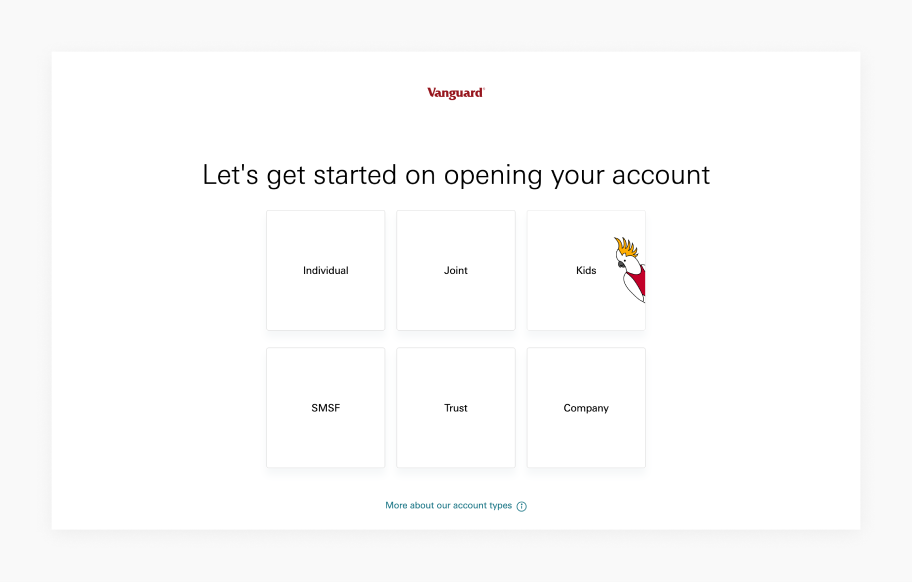
One of the most critical decisions you will make during the setup process is selecting the legal “wrapper” for your investments. The right choice depends on your goal—retirement, a home down payment, or general wealth building.
- Individual Brokerage Account: This is a taxable account. There are no contribution limits, and you can withdraw money at any time without tax penalties, though you will owe taxes on dividends and realized capital gains.
- Traditional IRA: Contributions may be tax-deductible, and growth is tax-deferred. You pay income tax when you withdraw the money in retirement.
- Roth IRA: Contributions are made with after-tax dollars, but growth and qualified withdrawals are tax-free. This is a favorite for those who expect to be in a higher tax bracket later in life.
Determining Your Initial Funding Strategy
Vanguard has different entry points depending on the products you choose. While Vanguard ETFs (Exchange-Traded Funds) only require the price of a single share to start, many of their flagship Mutual Funds have a $3,000 minimum investment. If you are starting with a smaller sum, you may want to plan for an ETF-based strategy initially and convert to mutual funds later once your balance grows.
Step-by-Step Guide to the Vanguard Registration Process
With your documentation ready and your account type selected, you can proceed to the official Vanguard website. The interface is designed for clarity, but it is thorough, reflecting the firm’s focus on security and compliance.
Initiating the Online Application
Navigate to Vanguard’s homepage and select the option to “Open an Account.” You will be asked if you are already a Vanguard client. Assuming you are new, you will select the option to start a new application. The system will guide you through a series of prompts. At this stage, you will select whether you are moving money from another financial institution (a “rollover” or “transfer”) or starting fresh with new a deposit from your bank.
Personal Information and Identity Verification
During this phase, you will enter the data you gathered in the preparation stage. Vanguard’s system will attempt to verify your identity in real-time using public records. If the automated system cannot verify you—perhaps because you have recently moved or have a frozen credit report—you may be asked to upload a copy of your driver’s license or a utility bill. Ensuring your credit is temporarily “unfrozen” can sometimes speed up this digital verification process.
Linking Your Bank Account
To buy shares, you need to move money into Vanguard. The most efficient way to do this is via Electronic Fund Transfer (EFT). You will enter your bank’s routing and account numbers. Vanguard often uses a “micro-deposit” verification system, where they send two small deposits (pennies) to your bank account. You must then log back into Vanguard and report those amounts to prove you own the account. This process typically takes 1 to 3 business days.
Navigating Post-Account Setup: Funding and Selection
Once your account is open and your bank is linked, your account is technically “active,” but it is not yet invested. This is a common point of confusion for new investors: having money in a Vanguard account is not the same as being invested in the stock market.
Understanding the Settlement Fund
When you transfer money from your bank to Vanguard, it first lands in a “Settlement Fund,” usually the Vanguard Federal Money Market Fund (VMFXX). This is a safe, cash-like holding area. It earns a small amount of interest, but it is not exposed to the growth of the stock or bond markets. To actually invest, you must use the money in this settlement fund to purchase specific mutual funds or ETFs.
Selecting Your First Investments
This is where the power of Vanguard’s low-cost philosophy becomes tangible. For most investors, a “lazy portfolio” or a “total market” approach is recommended.
- Total Stock Market Index (VTSAX or VTI): This provides exposure to nearly every publicly traded company in the United States.
- Total International Stock Index (VTIAX or VXUS): This adds global diversification.
- Target Retirement Funds: If you prefer a “hands-off” approach, these funds automatically adjust your asset allocation (stocks vs. bonds) based on your intended retirement year.
Executing Your First Trade
To buy your first shares, click on “Buy and Sell” within the Vanguard dashboard. Select the account you wish to use, search for the ticker symbol (e.g., VTI), and enter the dollar amount or number of shares you wish to purchase. If you are buying a Mutual Fund, the trade will execute at the end of the business day at the Net Asset Value (NAV). If you are buying an ETF, the trade will execute during market hours at the current market price.
Optimizing Your Vanguard Portfolio for Long-Term Success
Simply opening the account is the beginning. To truly build wealth, you must implement systems that take advantage of compound interest and Vanguard’s unique tools.
Implementing Automation through Automatic Investing
One of the most effective ways to build wealth is through “Dollar Cost Averaging.” Vanguard allows you to set up recurring transfers from your bank account directly into specific mutual funds. By automating this process, you remove the emotional temptation to “time the market.” Whether the market is up or down, your scheduled investment continues, allowing you to buy more shares when prices are low and fewer when they are high.
Monitoring Fees and Expense Ratios
While Vanguard is famous for low fees, not all funds are created equal. As you build your portfolio, keep an eye on the “Expense Ratio” of your holdings. A fund with an expense ratio of 0.03% (like VTI) costs you only $3 for every $10,000 invested. In contrast, some actively managed funds may charge 0.50% or more. Over a 30-year investing horizon, these small differences can result in tens of thousands of dollars in lost gains. Periodically reviewing your portfolio to ensure you are in the lowest-cost share classes (such as “Admiral Shares”) is a vital maintenance step.
Utilizing Vanguard’s Digital Tools and Services
As your balance grows, Vanguard offers additional layers of support. For accounts with significant assets, you may gain access to “Flagship” services or “Personal Advisor Select.” These services provide professional financial planning and tax-loss harvesting strategies. However, even for the beginner, Vanguard’s “Portfolio Watch” tool provides excellent insights into your asset allocation, helping you ensure that you aren’t over-weighted in one specific sector or region.

Conclusion
Opening a Vanguard account is more than a technical task; it is a strategic commitment to your future self. By choosing a platform that prioritizes low costs and investor ownership, you are giving your capital the best possible environment in which to grow.
The process—from gathering your documents and choosing a Roth IRA to selecting a total market index fund and automating your contributions—is designed to foster a disciplined, long-term mindset. While the financial markets will inevitably fluctuate, the foundation you build by following these steps provides the stability needed to weather volatility. Start today, keep your costs low, and let the power of the global economy work for you.
aViewFromTheCave is a participant in the Amazon Services LLC Associates Program, an affiliate advertising program designed to provide a means for sites to earn advertising fees by advertising and linking to Amazon.com. Amazon, the Amazon logo, AmazonSupply, and the AmazonSupply logo are trademarks of Amazon.com, Inc. or its affiliates. As an Amazon Associate we earn affiliate commissions from qualifying purchases.