
In the intricate world of personal finance, understanding the foundational elements of your banking operations is paramount. Among the most crucial pieces of information for managing your money is your checking account number. While digital transactions increasingly dominate our financial landscape, the physical check remains a cornerstone for many, serving various purposes from paying bills to receiving payments. Yet, for many, identifying the precise location of this vital number on a check can be a source of confusion. This article will demystify the anatomy of a check, guiding you directly to your checking account number, explaining its significance, and highlighting why this knowledge is essential for secure and efficient financial management.

Your checking account number is not just a random string of digits; it’s your unique identifier within your bank, differentiating your funds from millions of other account holders. Whether you’re setting up direct deposit, initiating an electronic funds transfer, or simply reconciling your monthly statement, knowing where to quickly and accurately locate this number is a fundamental aspect of financial literacy. Beyond mere identification, understanding the structure of a check and the roles of its various numbers empowers you to navigate your financial life with greater confidence and security, minimizing potential errors and safeguarding your assets.
Decoding the Anatomy of a Check: Your Financial Blueprint
A standard check, though seemingly simple, is a sophisticated financial instrument laden with critical information. Each section serves a specific purpose, collectively facilitating the secure transfer of funds. Understanding this layout is the first step toward easily locating your checking account number and appreciating its context.
The Key Players: Your Bank, You, and the Recipient
Before diving into the numbers, it’s helpful to recognize the primary entities represented on a check. At the top, you’ll typically find your name and address – the account holder. Below this, usually on the left or top right, the name and logo of your bank are prominently displayed, along with its address. The check also designates a space for the payee’s name (to whom the money is being paid), the date, the amount in both numerical and written form, and your signature. While these elements are crucial for the check’s validity, our focus lies on the machine-readable numbers at the bottom.
Identifying the MICR Line: A Financial Fingerprint
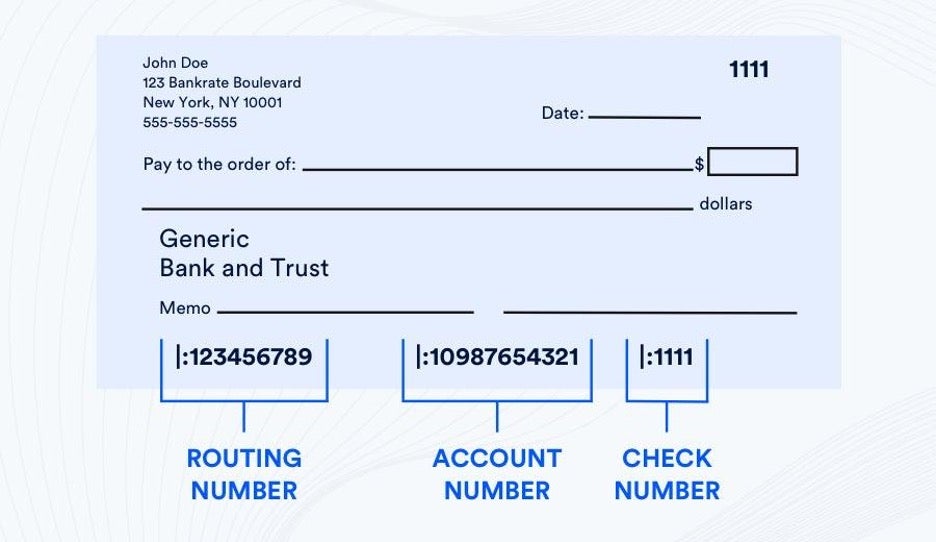
The most critical area for our purpose is the Magnetic Ink Character Recognition (MICR) line, located at the very bottom of the check. This isn’t just a regular printed line; the numbers here are printed with a special magnetic ink that allows high-speed check processing machines to read them quickly and accurately. The MICR line is a universal standard, ensuring that banks worldwide can efficiently process checks regardless of their origin. It typically consists of three distinct sets of numbers, each enclosed by unique symbols (often represented as small squares or vertical lines), which act as delimiters, indicating the start and end of each data field.
The Visual Layout: Where to Look First
When you hold a check, turn your attention to the bottom edge. From left to right, you will consistently find the following sequence of numbers within the MICR line:
- Routing Number: This is typically the first set of nine digits on the left.
- Checking Account Number: This is usually the second set of numbers, following the routing number. Its length can vary, often ranging from 10 to 12 digits, but sometimes fewer or more depending on the bank.
- Check Number: This is the third and final set of numbers on the right, matching the printed check number usually found in the top right corner of the check.
While this sequence is standard, it’s always wise to confirm with your bank or through your online banking portal if you are unsure, especially if you have an unusual check design or a newer financial institution.
Understanding Each Number’s Role: Beyond Just Your Account
Each sequence of numbers on a check’s MICR line plays a distinct and crucial role in the financial ecosystem. Knowing what each set signifies not only helps you locate your checking account number but also deepens your understanding of how money moves through the banking system.
The Routing Number: Your Bank’s Digital Address
The routing number, also known as the ABA (American Bankers Association) routing transit number, is a nine-digit code that identifies your specific financial institution. Think of it as your bank’s digital street address. When you make a deposit, transfer funds, or process a payment, this number tells other banks where to send or receive the money. It ensures that funds are directed to the correct bank, preventing misdirection and delays. Different types of transactions might even use slightly different routing numbers for the same bank (e.g., one for direct deposits, another for wire transfers), so it’s essential to use the correct one for the specific transaction. On your check, it’s almost always the first set of numbers on the far left of the MICR line.
The Checking Account Number: Your Unique Identifier
This is the number we’re primarily focused on. Your checking account number is a unique sequence of digits that specifically identifies your individual checking account within your bank. While the routing number points to the bank, the account number points to your specific account at that bank. It’s akin to your personal apartment number within a large building. This number is paramount for any transaction that directly involves depositing into or withdrawing from your account, such as setting up direct deposit for your paycheck, enabling automatic bill payments, or initiating electronic transfers. On most checks, this is the second set of numbers within the MICR line, positioned immediately to the right of the routing number.
The Check Number: For Your Records
The check number is typically the third and final set of numbers on the MICR line, located on the far right. This number serves as a sequential identifier for each individual check within your checkbook. It matches the pre-printed check number usually found in the upper right-hand corner of the check. Its primary purpose is for your personal record-keeping and for your bank’s internal tracking. When you reconcile your bank statement, the check number helps you match transactions to the specific checks you wrote, making it easier to track your spending and identify any discrepancies.
Why Knowing These Numbers Matters for Your Finances
Understanding the location and purpose of your checking account number is far more than an academic exercise; it’s a practical skill with direct implications for managing your personal finances effectively and securely.
Setting Up Direct Deposit and Automatic Payments
One of the most common reasons you’ll need your checking account number is to set up direct deposit for your salary, tax refunds, or government benefits. Employers and agencies require both your bank’s routing number and your checking account number to ensure your funds are deposited directly and securely into your account, bypassing the need for physical checks. Similarly, if you wish to automate bill payments for utilities, rent, or loan repayments directly from your checking account, these numbers are essential for linking your account to the payee’s system. This automation can save time, prevent late fees, and improve your credit score by ensuring timely payments.
Initiating Wire Transfers and Online Bill Pay
Whether you’re sending money to a family member, making a large purchase, or paying an international vendor, initiating a wire transfer often requires both your routing and checking account numbers, along with potentially other identifying information. While online bill pay systems through your bank usually only require you to select your account, when setting up new payees or integrating with third-party payment platforms, you might be prompted to provide these details to establish the connection. Accuracy here is critical, as an incorrect number can lead to funds being sent to the wrong account or significant delays.
Preventing Fraud and Protecting Your Information
Knowing exactly what information is on your check enables you to better protect it. If you understand that your checking account number and routing number are printed in magnetic ink on every check, you’ll be more cautious about how you share or dispose of old checks. This awareness is a key defense against potential fraud. If a check falls into the wrong hands, these numbers, combined with your name and address, could potentially be used to create fraudulent checks or initiate unauthorized transactions. Vigilance in handling your checks and financial documents is a crucial aspect of personal security.
Reconciling Your Bank Statements
At the end of each month, banks provide statements detailing all transactions for your account. Reconciling your statement involves comparing the bank’s records with your own (e.g., your check register or digital transaction log). Knowing your check numbers helps you match individual checks written to the corresponding debits on your statement. While your checking account number isn’t directly used in this process, understanding the overall structure of the MICR line and the roles of each number aids in comprehensive financial tracking and dispute resolution.
Safeguarding Your Financial Information
The ease with which your checking account number can be found on a check underscores the importance of robust security practices. Protecting this information is crucial to preventing unauthorized access to your funds and safeguarding your financial well-being.
Best Practices for Check Storage
- Keep your checkbook secure: Store your physical checkbook in a locked drawer or a safe place where it’s not easily accessible to others.
- Never leave checks unattended: Avoid leaving blank or signed checks lying around, especially in public places or in your car.
- Shred old checks: When you receive new checks or when an old checkbook is no longer needed, always shred the unused checks and deposit slips before discarding them. Do not simply throw them in the trash.
- Order checks securely: Only order checks from reputable sources, ideally directly through your bank, and ensure they are shipped to a secure address.
Online Security for Account Access
While the focus here is on physical checks, remember that your checking account number is also accessible through online banking. Always use strong, unique passwords for your online banking accounts, enable two-factor authentication (2FA) if available, and regularly monitor your account activity for any suspicious transactions. Be wary of phishing attempts that try to trick you into revealing your account details.
What to Do if Your Checkbook is Lost or Stolen
If you suspect your checkbook has been lost or stolen, act immediately:
- Contact your bank: Report the loss or theft to your bank as soon as possible. They can put a stop payment order on any outstanding checks and monitor your account for fraudulent activity.
- Close the account if necessary: Depending on the circumstances, your bank might advise you to close the compromised account and open a new one to prevent further fraud.
- Monitor your credit report: Regularly check your credit report for any unauthorized accounts opened in your name.
- File a police report: This can be useful for your bank and for insurance purposes.
Beyond the Physical Check: Accessing Your Number Digitally
While this article focuses on the physical check, it’s important to note that you can often find your checking account number without needing a physical check in hand, especially in today’s digital age. This digital access offers convenience and an alternative if you don’t have your checkbook readily available.
Online Banking Portals
Most modern banks provide secure online banking portals where you can manage your accounts. After logging in, navigate to your checking account details. Often, under “Account Summary,” “Account Information,” or a similar section, you’ll find both your routing number and your full checking account number. For security reasons, some banks might partially mask the account number, requiring an additional verification step (like entering your password again) to reveal the full number.
Mobile Banking Apps
Similar to online banking, your bank’s mobile app typically offers a convenient way to access your account information on the go. Once logged in, select your checking account. Look for options like “Account Details,” “View Account Info,” or “Routing & Account Numbers.” Again, be prepared for potential masking of the full number until a verification step is completed. Using mobile apps on secure, password-protected devices is crucial to prevent unauthorized access.
Contacting Your Bank Directly
If you prefer a more traditional method or if you’re unable to access your information digitally, you can always call your bank’s customer service line. After verifying your identity through security questions, a representative will be able to provide you with your routing and checking account numbers. Alternatively, you can visit a local branch in person, where a teller can assist you after verifying your identity with a valid ID.

Conclusion
Understanding “where is your checking account number on your check” is a fundamental piece of financial knowledge that empowers you to manage your money with greater precision and security. The MICR line at the bottom of your check, with its distinct routing, checking account, and check numbers, serves as a crucial identifier in the banking system. By grasping the role of each number and knowing its exact location, you unlock the ability to effortlessly set up direct deposits, manage automatic payments, conduct transfers, and diligently reconcile your accounts.
Beyond mere convenience, this knowledge forms a vital component of your personal financial security strategy. Being aware of where this sensitive information resides on your checks reinforces the importance of safeguarding these documents and adopting best practices for both physical and digital financial data. In an era where financial transactions are increasingly digital, the foundational understanding of traditional banking instruments remains invaluable. By embracing this core financial literacy, you take a proactive step towards becoming a more informed, secure, and empowered steward of your own financial future.
aViewFromTheCave is a participant in the Amazon Services LLC Associates Program, an affiliate advertising program designed to provide a means for sites to earn advertising fees by advertising and linking to Amazon.com. Amazon, the Amazon logo, AmazonSupply, and the AmazonSupply logo are trademarks of Amazon.com, Inc. or its affiliates. As an Amazon Associate we earn affiliate commissions from qualifying purchases.