
The iconic financial institution, Wells Fargo, maintains its official corporate headquarters in San Francisco, California. This physical location is more than just an address; it serves as a central pillar of the company’s corporate identity, a testament to its enduring legacy, and a key element in shaping its public perception. For a brand as historically entrenched and widely recognized as Wells Fargo, its headquarters represents not only its legal and operational nerve center but also a powerful symbol of its place within the American financial landscape.
The San Francisco Anchor: A Symbol of Corporate Identity
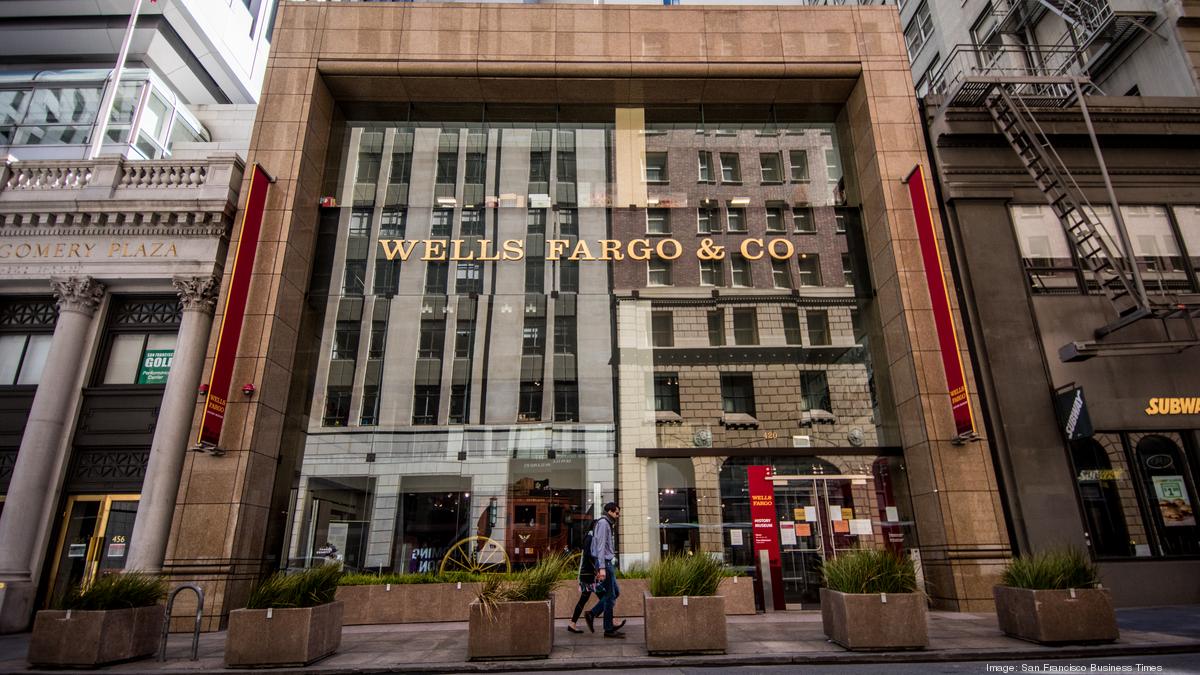
San Francisco has been inextricably linked with Wells Fargo since its founding, making the city an intrinsic part of the brand’s narrative. The headquarters building itself, particularly the prominent 42-story tower at 420 Montgomery Street, stands as a tangible representation of the brand’s history, stature, and commitment. This address is where the most critical corporate decisions are made, strategies are formulated, and the company’s executive leadership operates, all contributing to the overarching corporate identity.
The Legal and Operational Nexus
The designation of San Francisco as Wells Fargo’s official headquarters signifies its primary legal domicile. This is where the company is officially registered, where its board meetings are typically held, and where many of its highest-ranking executives are situated. Functionally, the HQ acts as the central command post, coordinating the diverse operations of a sprawling financial conglomerate that spans retail banking, commercial lending, wealth management, and investment banking across the United States and internationally. It is the locus from which the brand’s unified message and strategic direction emanate, ensuring consistency across its vast network of branches and digital platforms. This centralization, both physical and strategic, is crucial for maintaining a coherent corporate identity in a complex and competitive industry.
Architectural Significance and Public Presence
While Wells Fargo occupies numerous buildings throughout San Francisco, including its historic presence on Montgomery Street (often referred to as “Wall Street West”), the headquarters complex itself contributes significantly to the city’s skyline and public consciousness. The architectural style, the sheer scale, and the prominent placement of these buildings project an image of stability, strength, and permanence – qualities that Wells Fargo, as a brand, strives to embody. For locals and visitors alike, these structures are a visible reminder of Wells Fargo’s enduring presence and its deep roots in the region, reinforcing its corporate identity as a long-standing financial pillar. This physical presence serves as a constant, albeit subtle, marketing tool, reminding stakeholders of the brand’s solid foundation and historical continuity.
Historical Roots and Brand Evolution
The choice of San Francisco for its headquarters is not arbitrary; it is deeply woven into the very fabric of Wells Fargo’s origin story, offering a compelling narrative that underpins its corporate identity. Understanding this historical connection is vital to comprehending the brand’s enduring appeal and its unique position in American finance.
From Gold Rush to Global Bank
Wells Fargo was founded in 1852 by Henry Wells and William G. Fargo, initially establishing itself in California during the height of the Gold Rush. The company’s original business model revolved around banking and express services, providing crucial financial infrastructure and transportation links to the burgeoning communities of the American West. San Francisco, as the primary port and financial hub of California, became the natural home for the company’s principal operations. This origin story is a foundational element of the Wells Fargo brand – an image of pioneering spirit, reliability, and service in challenging environments. The historical connection to San Francisco allows the brand to continuously draw upon this rich narrative, using it to evoke a sense of tradition, trust, and resilience that resonates with its customer base. The Wells Fargo History Museum, located within its San Francisco HQ complex, is a direct manifestation of this commitment to preserving and showcasing its historical brand identity.
The Brand’s Geographic Story
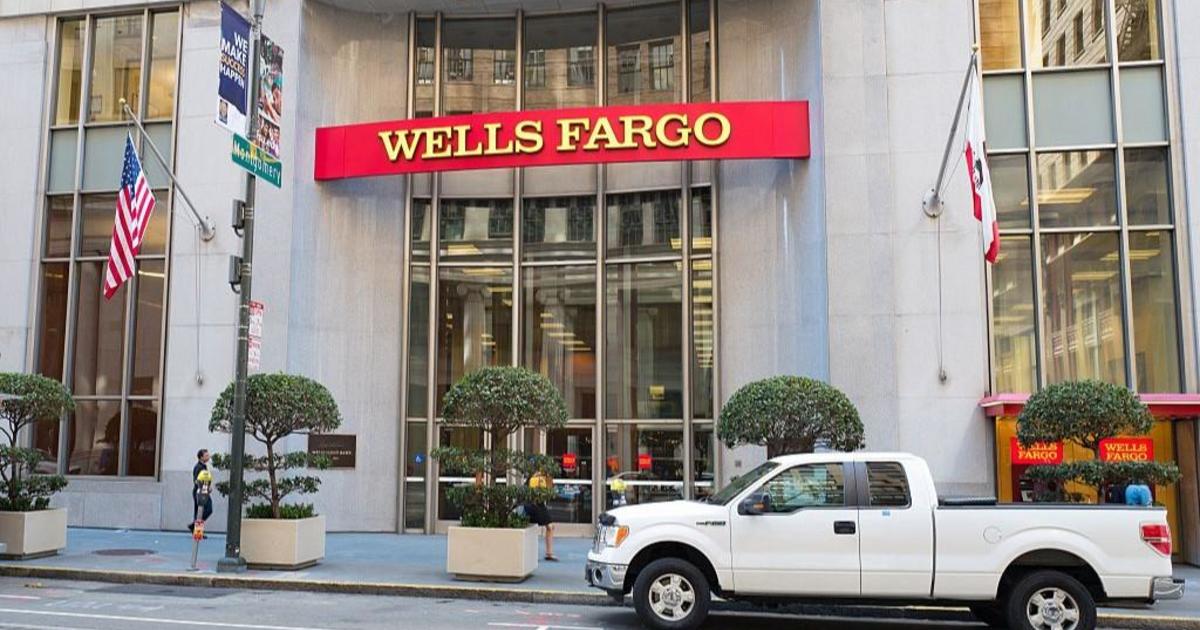
The geographical story of Wells Fargo, rooted in the westward expansion of the United States, is a distinct differentiator in the financial sector. While many large banks originated in the East, Wells Fargo’s identity is intrinsically linked to the American West. Its headquarters in San Francisco acts as a powerful reminder of this unique lineage. This geographic narrative shapes not only how the company sees itself but also how it is perceived by the public. It lends an aura of rugged individualism, pioneering innovation, and a connection to the development of the nation itself. This historical branding helps Wells Fargo cultivate a distinct corporate personality that sets it apart from competitors, emphasizing its longevity and its integral role in the economic growth of the country, particularly from a Western perspective.
The HQ’s Role in Brand Perception and Culture
The physical location of a corporate headquarters significantly influences internal corporate culture and external brand perception. For Wells Fargo, its San Francisco HQ plays a pivotal role in shaping both, acting as a crucible for its organizational values and a focal point for public scrutiny and stakeholder engagement.
Leadership Hub and Decision-Making
The Wells Fargo headquarters serves as the primary hub for its executive leadership team. This centralization facilitates face-to-face collaboration, strategic alignment, and swift decision-making, which are crucial for steering a brand of Wells Fargo’s magnitude. The physical proximity of key decision-makers fosters a specific corporate culture, impacting communication styles, work ethic, and the overall strategic direction of the company. The leadership’s presence in San Francisco also connects them directly to the innovative and dynamic environment of the Bay Area, potentially influencing the brand’s approach to technology and future growth strategies, even as the company strives for a broader national appeal. The decisions made here, from major acquisitions to shifts in customer service policy, directly impact the brand’s reputation and its relationship with millions of customers.
Navigating Reputation and Identity
The visibility of Wells Fargo’s San Francisco headquarters makes it a constant focal point for public attention, particularly during periods of scrutiny or corporate challenges. A prominent headquarters can become a symbol of a company’s accountability, its response to crises, and its commitment to corporate responsibility. For Wells Fargo, which has faced significant reputational challenges in recent years, the headquarters serves as a powerful, tangible representation of the entity working to restore trust and rebuild its brand image. Public perception is intrinsically linked to the ‘face’ of the company, and the headquarters often embodies this face. Stakeholders, including regulators, investors, and the general public, often look to the headquarters as the place where the company’s true character is revealed and where definitive action originates. The brand’s efforts to project transparency and ethical conduct are often most powerfully communicated from its central command.
Beyond the Single Building: A Distributed Brand Presence
While San Francisco serves as the official corporate headquarters, it is crucial to recognize that a financial institution of Wells Fargo’s scale operates with a highly distributed footprint. The concept of a single “headquarters” evolves in the modern corporate landscape, where major operational centers contribute significantly to the overall brand identity and functional reach.
Major Operational Centers
Beyond San Francisco, Wells Fargo maintains extensive operational hubs and regional headquarters across the United States. Cities like Charlotte, North Carolina; Minneapolis, Minnesota; Dallas, Texas; and Des Moines, Iowa, house substantial portions of the company’s workforce, technology infrastructure, and specialized business units. Charlotte, for instance, serves as a significant East Coast hub, particularly for its wholesale banking and wealth management divisions, effectively acting as a secondary operational headquarters. These distributed centers are not merely satellite offices; they are critical components of the brand’s operational capacity and geographic reach. Each major hub helps to localize the brand, allowing it to better serve regional markets while also contributing to the overarching corporate identity through consistent service delivery and shared corporate values, even if the primary executive decisions emanate from San Francisco.

The Modern Corporate Footprint
In today’s interconnected business world, the brand identity of a large corporation like Wells Fargo is shaped not just by its central headquarters but by its entire operational footprint. The blend of a historically significant official HQ in San Francisco with strategically located operational centers across the country reflects a modern corporate strategy designed for efficiency, resilience, and market penetration. This distributed model allows Wells Fargo to maintain a strong physical presence in diverse markets, engage with local communities, and project its brand identity consistently across different regions. While the San Francisco headquarters remains the symbolic and legal heart, the network of major offices collectively reinforces the brand’s reach, stability, and commitment to serving a national customer base, solidifying its identity as a truly national financial institution with deep historical roots and a forward-looking operational strategy.
aViewFromTheCave is a participant in the Amazon Services LLC Associates Program, an affiliate advertising program designed to provide a means for sites to earn advertising fees by advertising and linking to Amazon.com. Amazon, the Amazon logo, AmazonSupply, and the AmazonSupply logo are trademarks of Amazon.com, Inc. or its affiliates. As an Amazon Associate we earn affiliate commissions from qualifying purchases.