
The physical location of a corporate headquarters often serves as a powerful symbol of its brand identity, history, and strategic direction. For an institution as venerable and expansive as Wells Fargo, understanding “where its headquarters is” transcends a simple geographical coordinate; it’s an exploration of its brand narrative, its deep roots, and its enduring presence in the American financial landscape.
The Iconic San Francisco Hub and Its Significance
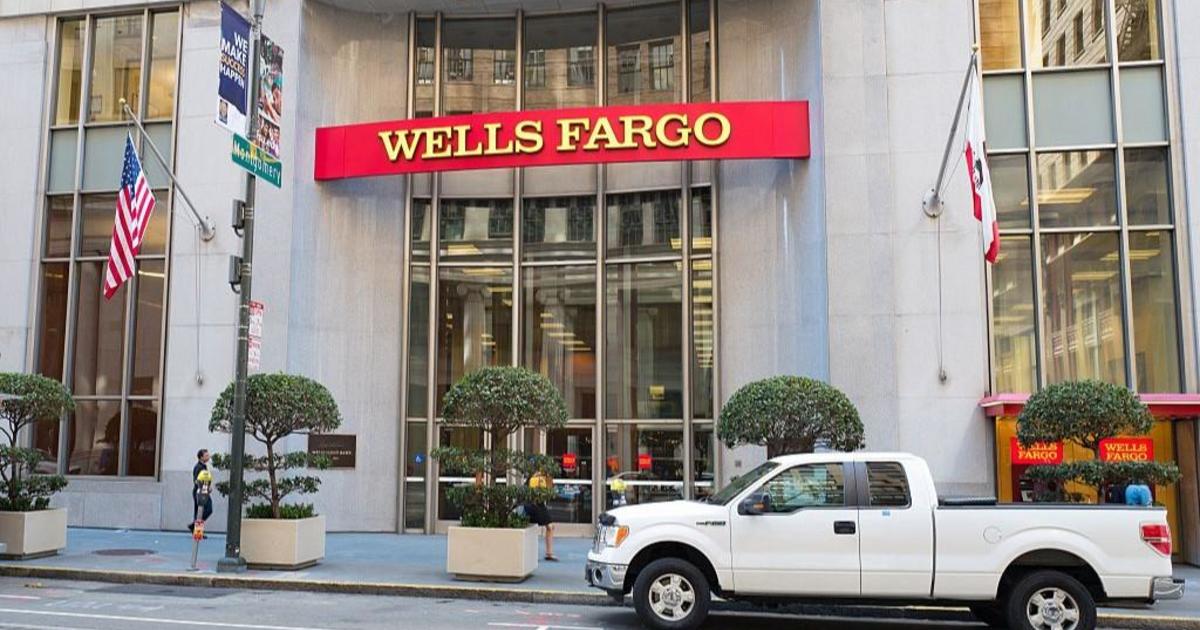
Wells Fargo’s official corporate headquarters is located in San Francisco, California, specifically at 420 Montgomery Street. This address is not merely a postal designation; it represents a profound connection to the company’s origins and its enduring brand persona. San Francisco, a city synonymous with ambition, innovation, and westward expansion, provided the fertile ground for Wells Fargo’s genesis during the California Gold Rush era in 1852. The headquarters, therefore, is a tangible link to a rich past, embedding the brand deeply within the fabric of American history and finance.
A Symbol of Westward Expansion and Banking Heritage
The decision to establish and maintain its primary corporate identity in San Francisco reflects Wells Fargo’s unique heritage. Unlike many East Coast financial institutions with roots in colonial commerce, Wells Fargo emerged from the dynamic, frontier spirit of the West. This geographical anchoring informs a significant part of its brand story, conjuring images of stagecoaches, express services, and a pioneering spirit that delivered reliability and trust across vast distances. The architectural presence of its San Francisco buildings, often featuring historical motifs and public displays of its storied past, actively reinforces this narrative. From its initial express and banking services to its evolution into a diversified financial powerhouse, the San Francisco headquarters stands as a monument to this journey, an indelible mark of its corporate identity. The brand’s visual identity, including its stagecoach logo, is intrinsically tied to this origin story, with the headquarters serving as a physical touchstone for these foundational brand elements.
The Role of Location in Corporate Identity
The choice of San Francisco for its headquarters also plays a critical role in shaping Wells Fargo’s contemporary corporate identity and brand positioning. San Francisco is not just a historical city; it is a global hub for technology, innovation, and venture capital. While Wells Fargo maintains a traditional banking image, its presence in such a forward-thinking city allows it to project an image of adaptability and relevance. It demonstrates a commitment to remaining connected to cutting-edge developments, even as it upholds its foundational values. This strategic location enables the brand to attract top talent from diverse industries and fosters a corporate culture that can balance tradition with innovation. The headquarters thus becomes a central node where brand strategy is conceived and communicated, influencing how the company is perceived by customers, investors, and employees worldwide. It dictates the primary corporate culture and sets the tone for its global operations.
Beyond the Main Address: Decentralization and Brand Presence
While 420 Montgomery Street serves as the official corporate headquarters, the operational reality of a global financial giant like Wells Fargo is far more complex. The modern corporate brand is not confined to a single building but is distributed across numerous strategic locations, each contributing to its overall brand presence and operational efficiency.
Operational Centers and Regional Footprint
Wells Fargo maintains significant operational hubs and regional headquarters across the United States, reflecting its vast customer base and diversified services. Major operational centers in cities like Charlotte, North Carolina; Minneapolis, Minnesota; Des Moines, Iowa; and Dallas, Texas, are crucial to its day-to-day banking, technology, and administrative functions. These secondary hubs are vital for managing the scale of its operations, providing redundancy, and tapping into diverse regional talent pools. Each location contributes to the brand’s local identity and reinforces its commitment to serving communities nationwide. For instance, Charlotte has emerged as a critical East Coast financial center, allowing Wells Fargo to solidify its brand presence and recruit specialized banking talent outside of traditional West Coast or New York strongholds. This multi-hub strategy demonstrates a brand that is both centralized in its core identity and decentralized in its operational execution, allowing for greater resilience and market penetration.
Adapting to Modern Corporate Structures
The distributed nature of Wells Fargo’s operations reflects a broader trend in corporate branding and strategy. In an era of remote work capabilities and global connectivity, the emphasis shifts from a singular physical presence to a network of strategic locations. This adaptation allows Wells Fargo to optimize its workforce, streamline operations, and enhance its responsiveness to market demands. For the brand, this means that while San Francisco remains the symbolic heart, the perception of Wells Fargo is also shaped by its interactions and physical manifestations in numerous other communities. Each branch, each regional office, and each operational center contributes to the brand experience, creating a mosaic of touchpoints that collectively define the Wells Fargo brand in the minds of its diverse stakeholders. This decentralized model ensures that the brand remains robust and accessible, extending its reach far beyond the confines of its primary headquarters.
The Headquarters as a Brand Touchpoint
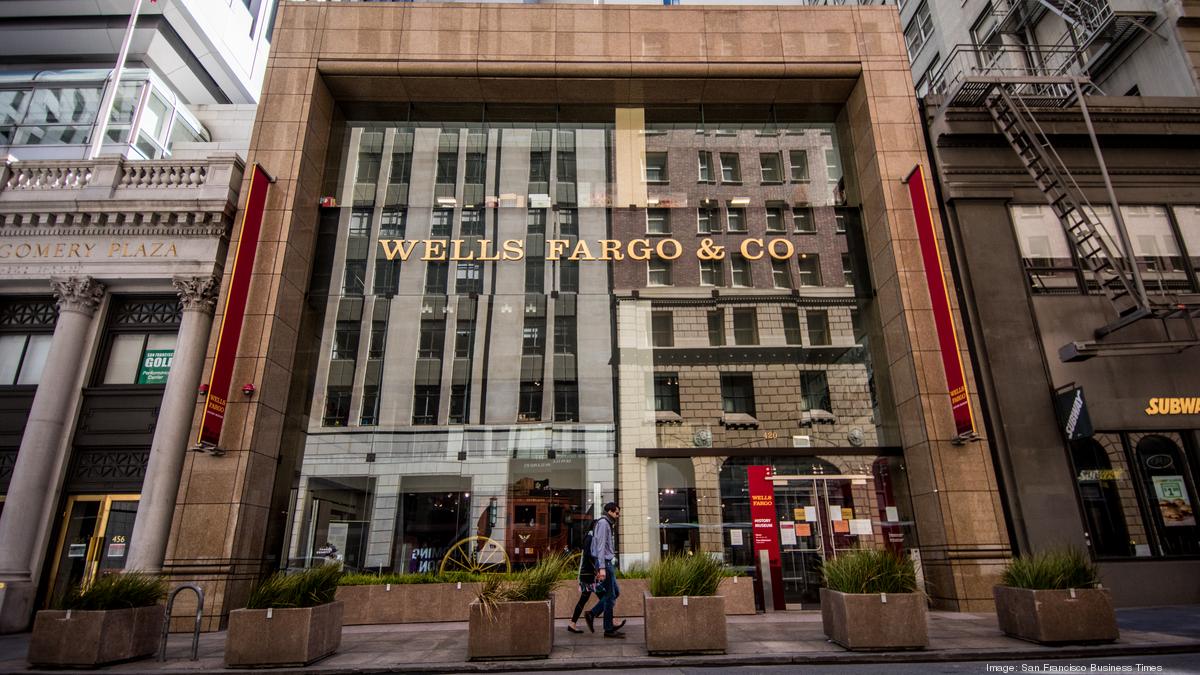
The headquarters building, particularly for a company with a strong legacy, serves as a crucial physical brand touchpoint. It is more than just an office building; it is a statement, a landmark, and a focal point for the brand’s engagement with the public and its employees.
Architecture, Design, and Public Perception
The architecture and design of Wells Fargo’s San Francisco headquarters contribute significantly to its public perception and brand image. Buildings that house headquarters often incorporate elements of a company’s history, values, and aspirations. For Wells Fargo, its historic buildings often blend classical aesthetics with modern functionality, subtly communicating a brand that respects its past while embracing the future. Public spaces, such as the Wells Fargo History Museum located near its San Francisco headquarters, offer an immersive experience into the brand’s narrative, showcasing artifacts like original stagecoaches, gold specimens, and historical banking instruments. These physical manifestations of the brand are powerful marketing tools, reinforcing the narrative of trust, endurance, and service. They invite engagement, foster a sense of heritage, and connect the public emotionally with the brand, translating abstract corporate values into tangible experiences. The visual identity projected by these structures speaks volumes about the brand’s stability, tradition, and enduring presence.
Community Engagement and Local Brand Impact
The location of a headquarters also implies a deep relationship with its immediate community. Wells Fargo’s presence in San Francisco fosters numerous opportunities for community engagement, philanthropy, and local economic impact. The company’s headquarters can be a catalyst for local development, employment, and civic participation. Through initiatives tied to its San Francisco base, Wells Fargo strengthens its brand image as a responsible corporate citizen. This local embeddedness enhances the brand’s reputation, building goodwill and fostering loyalty among employees and community members alike. A positive local brand impact stemming from the headquarters reinforces the broader corporate identity, demonstrating that the company is not just a financial entity but an integral part of the communities it serves. Such engagement transforms the headquarters from a mere corporate address into a vibrant center of positive brand activity.
Strategic Implications of Headquarters Location
The choice of where to situate a corporate headquarters involves significant strategic considerations that directly impact a brand’s long-term success and market positioning. For Wells Fargo, San Francisco offers distinct advantages that have shaped its brand identity and operational strategy.
Talent Acquisition and Industry Hubs
Placing a headquarters in a major metropolitan area like San Francisco is a strategic decision for talent acquisition. The Bay Area is a magnet for top-tier talent in finance, technology, and various professional services. By having its headquarters in such a competitive environment, Wells Fargo can attract and retain highly skilled individuals who are critical for driving innovation and maintaining its competitive edge. The proximity to other major financial firms, tech giants, and educational institutions creates an ecosystem where ideas flow, and talent is abundant. This strategic positioning reinforces Wells Fargo’s brand as an employer of choice, capable of attracting the brightest minds and integrating cutting-edge practices into its operations. The brand benefits from the intellectual capital available in the region, which in turn fuels its ability to adapt and thrive in a rapidly changing financial landscape.
Regulatory Landscape and Strategic Positioning
The regulatory environment also plays a crucial role in headquarters placement. Being situated in California means Wells Fargo operates under the purview of state and federal regulations that are often influenced by the state’s progressive legal and business climate. This positioning can shape the company’s internal policies, compliance strategies, and public relations approaches. Moreover, the headquarters’ proximity to key regulatory bodies and advocacy groups allows for more direct engagement and influence, which is a strategic asset for a major financial institution. The ability to navigate and sometimes shape the regulatory landscape directly from its home base is a significant advantage, impacting everything from product development to risk management, all of which ultimately affect the brand’s reputation for trustworthiness and stability.
Evolution of the Brand and its Physical Manifestation
The Wells Fargo brand, like any enduring corporate entity, has undergone significant evolution since its founding. Its headquarters in San Francisco has served as a constant, yet adaptable, physical manifestation of this journey.

Responding to Challenges and Reinforcing Identity
In recent years, Wells Fargo has faced significant challenges, including reputational issues that tested the resilience of its brand. During such periods, the headquarters often becomes a focal point for media scrutiny and internal efforts to realign corporate values and brand promises. From its San Francisco base, leadership has articulated strategies for remediation, cultural transformation, and recommitting to ethical practices. The physical headquarters, in this context, becomes a symbol of stability and the ongoing effort to rebuild trust. It represents the institutional memory and the long-term commitment to its stakeholders, reinforcing the brand’s enduring identity even amidst periods of necessary change and reform. The ongoing investment in its headquarters and operations in San Francisco signals a continued belief in its foundational identity and its commitment to the future.
Ultimately, the question of “where is the Wells Fargo headquarters” leads to a comprehensive understanding of how location is inextricably linked to corporate identity, brand strategy, and public perception. San Francisco is not just an address; it is a cornerstone of the Wells Fargo brand, embodying its history, influencing its present operations, and guiding its future trajectory in the complex world of global finance.
aViewFromTheCave is a participant in the Amazon Services LLC Associates Program, an affiliate advertising program designed to provide a means for sites to earn advertising fees by advertising and linking to Amazon.com. Amazon, the Amazon logo, AmazonSupply, and the AmazonSupply logo are trademarks of Amazon.com, Inc. or its affiliates. As an Amazon Associate we earn affiliate commissions from qualifying purchases.