
The phrase “where is the nearest Jiffy Lube” represents more than a simple desire for an oil change; it is a quintessential example of the “near me” search phenomenon that has redefined the digital landscape over the last decade. From a technical standpoint, satisfying this query requires a sophisticated orchestration of geolocation data, real-time database management, and hyper-local search engine optimization (SEO). When a user types those six words into a smartphone, they trigger a complex sequence of events involving satellite triangulation, IP address mapping, and the rapid-fire retrieval of structured data from the cloud.
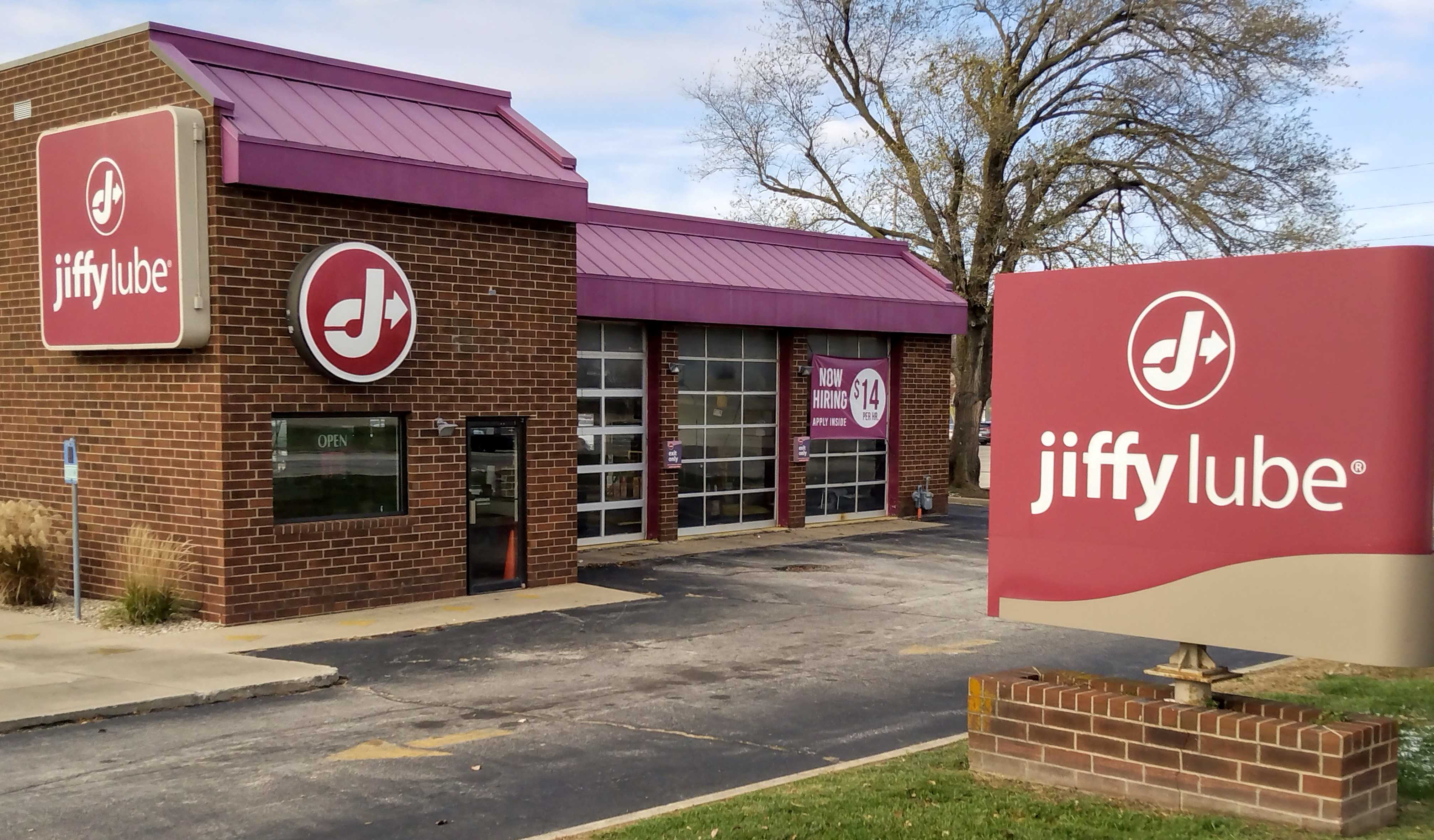
For a massive franchise like Jiffy Lube, which operates over 2,000 locations across North America, the technological challenge is to ensure that “near me” results are not just accurate, but instantaneous and rich with utility. This intersection of user intent and spatial technology illustrates how modern software ecosystems bridge the gap between digital queries and physical services.
The Mechanics of Modern Geolocation and Search
At the heart of any “near me” query is the ability of a device to pinpoint its own location. This is achieved through a multi-layered approach to geolocation technology. While GPS (Global Positioning System) is the most well-known method, it is often supplemented by Wi-Fi positioning and cellular tower triangulation to increase speed and accuracy, especially in urban environments where “satellite canyons” can obstruct signals.
Precision via Triangulation and A-GPS
Assisted GPS (A-GPS) allows mobile devices to use network resources to locate satellites faster. When a driver searches for a service center, the mobile browser or application requests location permissions. The operating system (iOS or Android) then processes raw signal data to provide a latitude and longitude coordinate. This coordinate is then passed to a search engine or a dedicated store locator API.
IP Geolocation and the Desktop Experience
On desktop devices, where GPS hardware is often absent, the system relies on IP geolocation. By analyzing the public IP address provided by an Internet Service Provider (ISP), search platforms can estimate a user’s city or neighborhood. While less precise than mobile GPS, this tech ensures that even a user at an office desk can find the nearest service hub with reasonable accuracy.
The Role of “Near Me” Algorithms
Google and other search engines have developed specialized algorithms for local intent. When the phrase “near me” is detected, the search engine shifts its ranking factors. Distance becomes a primary signal, but it is balanced by “relevance” and “prominence.” For Jiffy Lube, this means their technical teams must ensure that every individual location is correctly indexed with precise GeoJSON data so that the algorithm recognizes the physical boundaries of each service center.
Enterprise-Grade Store Locators and API Integration
For a corporation, managing the digital footprint of thousands of locations is a massive data engineering task. A basic list of addresses is insufficient; the modern consumer expects a dynamic, interactive map that provides real-time information. This is where enterprise store locator software and mapping APIs (Application Programming Interfaces) become critical.
Leveraging Google Maps Platform and Mapbox
Most high-traffic brands utilize the Google Maps Platform or Mapbox to power their internal “Find a Location” pages. These tools allow developers to overlay custom data—such as specific Jiffy Lube store hours, current promotions, and bay availability—onto a familiar map interface. These APIs handle the heavy lifting of rendering tiles and calculating distances, allowing the brand to focus on the accuracy of the underlying location data.
Real-Time Data Synchronization
A significant technical hurdle for franchises is data latency. If a Jiffy Lube location in a specific suburb changes its Sunday hours or moves to a new facility, that change must propagate across the entire digital ecosystem instantly. This is achieved through automated data feeds. Centralized databases sync with Google Business Profile APIs, Yelp, and Apple Maps Connect to ensure that “where is the nearest” results don’t lead a customer to a closed or relocated shop.
Integration with Modern Vehicle APIs
The next frontier for this technology is the integration of service location data directly into the vehicle’s operating system. Through platforms like Android Auto and Apple CarPlay, the query “where is the nearest Jiffy Lube” can be triggered by the car itself when the onboard diagnostics (OBD-II) system detects that the oil life has reached a certain threshold. This involves a high-level handshake between the vehicle’s software and the brand’s location API, creating a seamless transition from a mechanical need to a navigational destination.
SEO and Hyper-Local Digital Presence

The visibility of a Jiffy Lube location in search results is not accidental; it is the result of rigorous local SEO practices and the use of structured data. Search engines need to “read” a physical location as easily as they read a blog post.
Schema Markup and Structured Data
To communicate location information effectively, developers use Schema.org markup. This is a standardized code format that tells search engine crawlers exactly what a piece of data represents. For an automotive service center, the Schema markup includes the “LocalBusiness” type, specifying attributes like address, telephone, openingHours, and geo (latitude and longitude). This technical layer is what allows search engines to display “rich snippets,” such as star ratings and current status (e.g., “Open now – Closes 7 PM”), directly on the search results page.
The Power of Local Landing Pages
Each Jiffy Lube location acts as its own digital entity. From a software architecture perspective, it is more effective to have unique landing pages for each zip code or city. These pages are optimized with hyper-local keywords and integrated maps. This strategy ensures that when someone in a specific neighborhood searches for service, the nearest location is not just a point on a map but a dedicated web resource with fast loading times and mobile-optimized UX (User Experience).
Managing Voice Search Queries
With the rise of smart speakers and virtual assistants, the query “Where is the nearest Jiffy Lube?” is increasingly spoken rather than typed. Natural Language Processing (NLP) interprets these verbal requests. Because voice search typically returns only the top result, the technical competition for the “Position Zero” spot is intense. This requires ultra-fast server response times and precise location data, as the AI assistant must be 100% certain of the proximity before recommending a destination to a driver who may be currently behind the wheel.
Mobile Apps and the “Just-in-Time” Service Model
While web search is dominant, dedicated mobile applications offer a deeper level of technological engagement. Jiffy Lube’s digital strategy involves using mobile software to transform a one-time search into a recurring service relationship.
Geofencing and Push Notifications
Geofencing is a location-based service in which an app uses cellular data or Wi-Fi to trigger a pre-programmed action when a mobile device enters or leaves a virtual boundary. If a customer has the Jiffy Lube app installed, the brand can use geofencing to send a push notification when that customer is near a service center. This “just-in-time” marketing is powered by background location tracking and sophisticated cloud-based notification triggers.
Digital Wallets and Frictionless Payments
Finding the nearest location is only the first step. The tech stack extends into the payment process. By integrating with Apple Wallet and Google Pay, the app can store digital coupons that are automatically surfaced when the device’s GPS indicates the user has arrived at a Jiffy Lube. Furthermore, cloud-based service histories allow technicians at any location to pull up a vehicle’s records instantly, ensuring data continuity across the entire franchise network.
The Future: Predictive Maintenance and Autonomous Integration
As we look toward the future of local search and automotive service, the question “where is the nearest Jiffy Lube” may eventually be answered before the human driver even thinks to ask it.
Predictive Analytics and IoT
The Internet of Things (IoT) is turning cars into rolling data centers. Future iterations of automotive service software will utilize predictive analytics to monitor engine health in real-time. Instead of a manual search, the car’s software will analyze driving patterns and oil viscosity data, then automatically schedule an appointment at the nearest Jiffy Lube based on the driver’s current route and the shop’s real-time bay availability.
Autonomous Vehicles and Automated Service
In an era of autonomous vehicles, the concept of “near me” takes on a new dimension. A self-driving car could identify its own maintenance needs and navigate to a service center during off-peak hours without the owner’s involvement. This would require a sophisticated API handshake between the autonomous vehicle’s fleet management software and the service provider’s scheduling system. The “search” becomes a machine-to-machine transaction, optimized for efficiency and minimal downtime.
Augmented Reality (AR) Navigation
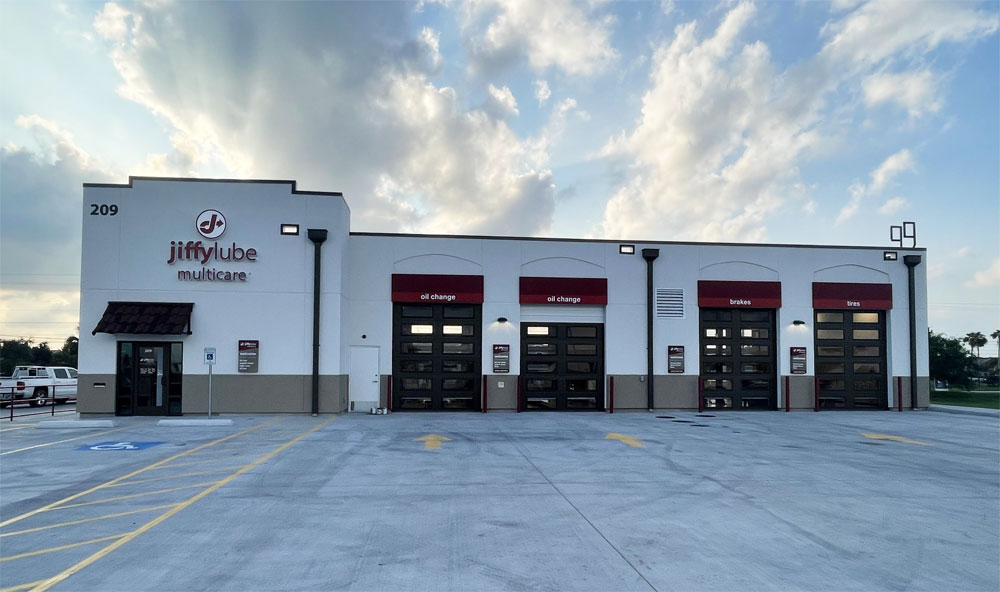
We are already seeing the integration of AR into navigation apps. Soon, a user asking for the nearest Jiffy Lube will see a virtual overlay on their windshield or phone screen, highlighting the exact turn-in point and displaying current wait times floating over the building in real-time. This blend of computer vision and geolocation represents the next phase of the “search to service” journey.
The technology behind finding the nearest Jiffy Lube is a testament to the power of the modern digital ecosystem. What appears to be a simple local query is, in fact, a masterclass in geolocation precision, data synchronization, and mobile software engineering. As these tools continue to evolve, the distance between a digital need and a physical solution will only continue to shrink.
aViewFromTheCave is a participant in the Amazon Services LLC Associates Program, an affiliate advertising program designed to provide a means for sites to earn advertising fees by advertising and linking to Amazon.com. Amazon, the Amazon logo, AmazonSupply, and the AmazonSupply logo are trademarks of Amazon.com, Inc. or its affiliates. As an Amazon Associate we earn affiliate commissions from qualifying purchases.