
In the landscape of modern personal finance, the ability to navigate periods of extreme volatility is just as important as knowing how to invest in a bull market. For many individuals and families, the question “where is the nearest food bank?” is not merely a request for a location; it is a critical component of a tactical financial recovery plan. Facing food insecurity is often the result of systemic economic pressures—inflation, rising housing costs, and stagnant wage growth—that can exhaust even the most disciplined emergency fund.

Understanding how to access community resources like food banks is a legitimate strategy for preserving liquid capital during a financial crisis. By utilizing these resources, individuals can redirect limited funds toward non-negotiable expenses such as rent, utilities, and debt servicing, preventing a temporary setback from cascading into long-term insolvency. This guide explores the intersection of personal finance and community support, providing a roadmap for managing resources during lean times.
Leveraging Financial Technology to Identify Emergency Resources
In the digital age, locating essential services has become a streamlined process integrated into the broader ecosystem of personal finance tools. Identifying a food bank is no longer a matter of trial and error; it is about leveraging specialized databases and geolocation software to find the most efficient support systems available.
National Databases and Geographic Information Systems
Several high-capacity organizations have developed sophisticated digital tools designed to connect individuals with local resources. Feeding America, the nation’s largest domestic hunger-relief organization, maintains a comprehensive “Find a Food Bank” tool on their website. By entering a zip code, users can access a verified list of member food banks that serve their specific region. This tool is an essential starting point for anyone conducting a “nearest food bank” search, as it filters for reputable organizations that adhere to strict safety and distribution standards.
Similarly, WhyHunger provides a national find-food database that includes not just food banks, but also soup kitchens, pantries, and community gardens. For those managing their finances through mobile devices, these web-based applications function as critical infrastructure, allowing for real-time adjustments to a household’s logistics and transportation costs.
Integrated Map Services and Localized Fintech
While specialized databases are invaluable, common geographic tools like Google Maps and Apple Maps have integrated localized data that can provide immediate answers. Searching for “food pantry near me” or “emergency food assistance” within these apps often yields results complete with user reviews, operating hours, and photos of the facility.
From a personal finance perspective, using these tools allows for better “route optimization.” When funds are tight, minimizing fuel consumption or public transit costs is essential. By identifying the absolute nearest food bank, an individual can reduce the overhead associated with obtaining assistance, thereby maximizing the net benefit of the resource.
The Role of Community Resources in Personal Financial Planning
Integrating community support into a financial strategy requires a shift in mindset. Instead of viewing food bank usage as a sign of failure, it should be viewed as a temporary “subsidy” that allows for the restructuring of a personal balance sheet.
Preservation of Cash Flow
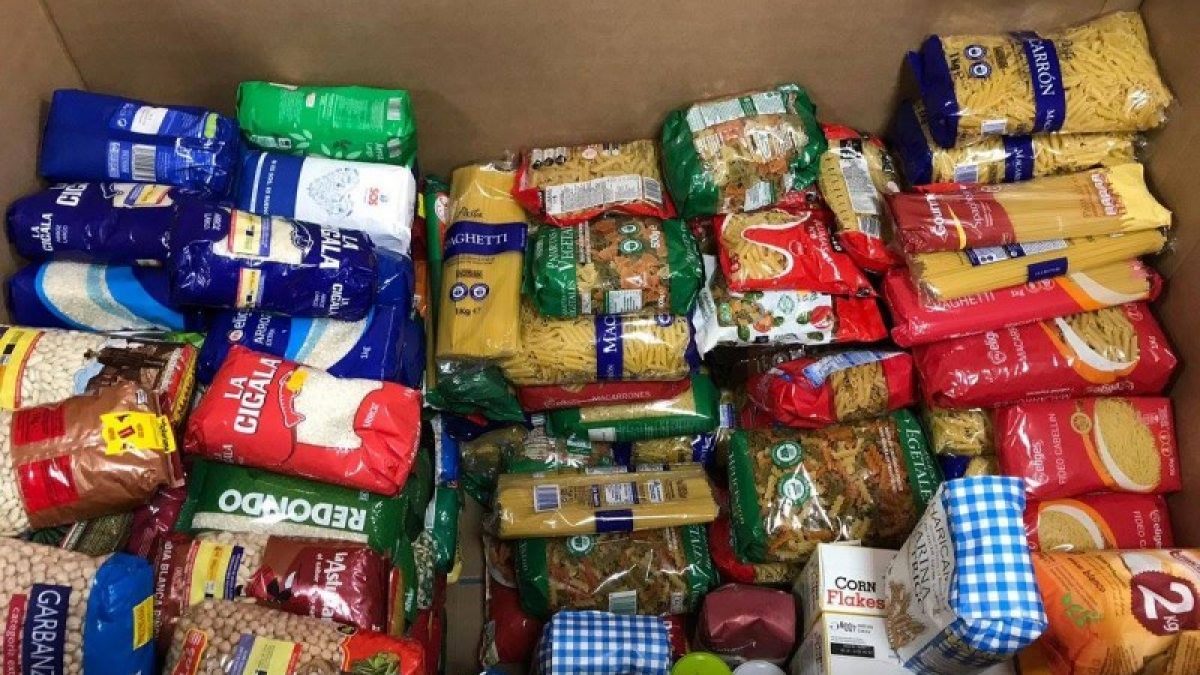
In the hierarchy of financial needs, food is a variable expense, whereas housing and debt payments are often fixed. When a financial shock occurs—such as a medical emergency or a job loss—the immediate instinct is to cut variable spending. Food banks serve as a vital hedge against inflation and income loss. By reducing the grocery budget to near-zero through the use of local pantries, a household can free up several hundred dollars a month. This “found money” can then be applied to high-interest credit card debt or used to keep the lights on, preventing the accumulation of late fees and interest penalties that make financial recovery more difficult.
The Macroeconomic Context of Food Assistance
It is important to understand that food banks are part of a larger economic safety net. Many of these organizations are supported by federal programs, corporate donations, and surplus from the agricultural sector. When you utilize a food bank, you are participating in a system designed to stabilize the local economy. During periods of high inflation, the purchasing power of the dollar shrinks. For those on fixed incomes or working low-wage jobs, food banks provide a necessary buffer that prevents the erosion of their standard of living, allowing them to remain active participants in the economy rather than falling into deep poverty.
Strategies for Reducing Household Expenditures and Reclaiming Liquid Capital
Once immediate nutritional needs are met through a local food bank, the next step in a financial recovery plan is to conduct a rigorous audit of all household expenditures. The goal is to move from a state of crisis management to a state of stability.
The “Scarcity Budget” Framework
A scarcity budget is a hyper-focused financial plan used during periods of extreme hardship. It prioritizes “The Four Walls”: food, utilities, shelter, and transportation. With the “food” component partially or fully covered by a local pantry, the focus shifts to the remaining three.
-
Utilities: Look into the Low Income Home Energy Assistance Program (LIHEAP) or local “reach” programs offered by utility companies.
-
Shelter: Contact landlords or mortgage servicers immediately if a payment will be missed. Many have hardship programs that are not publicly advertised.
-
Transportation: Evaluate the cost of vehicle ownership versus public transit. In some cases, selling a car with high monthly payments and high insurance costs is the most logical financial move, provided adequate public transit is available to reach employment and the food bank.
Inventory Management and Waste Reduction
When receiving items from a food bank, it is crucial to treat these goods as high-value assets. Professional kitchen management techniques, such as “First In, First Out” (FIFO), should be applied to the home pantry. Proper storage and meal planning can extend the life of fresh produce and dry goods, ensuring that nothing goes to waste. Every ounce of food wasted is essentially a loss of the time and effort spent acquiring it. By maximizing the utility of every item received, a household can further delay the need to return to the grocery store, keeping more cash in their bank account.
Bridging the Gap: Moving from Crisis Management to Long-Term Wealth Building
The ultimate objective of utilizing emergency resources is to create a springboard for future financial independence. Once the immediate pressure of food insecurity is mitigated, it is time to look at the “income” side of the personal finance equation.
Diversifying Income Through Side Hustles
In today’s gig economy, there are numerous ways to supplement a primary income. While searching for the nearest food bank helps solve the immediate spending problem, a side hustle solves the long-term earning problem. This could include:
-
Freelance Digital Services: Utilizing platforms like Upwork or Fiverr for writing, graphic design, or data entry.
-
Local Services: Leveraging neighborhood apps for pet sitting, lawn care, or manual labor.
-
Reselling: Identifying undervalued items at thrift stores or garage sales and reselling them on eBay or Poshmark.
The key is to take the mental energy that was previously spent worrying about the next meal and redirect it toward identifying marketable skills.
Rebuilding the Emergency Fund
The first milestone of a post-crisis financial plan is the re-establishment of an emergency fund. Conventional wisdom suggests saving three to six months of expenses, but after a period of hardship, even a $500 or $1,000 “starter” fund can provide immense psychological and financial relief. This fund acts as your personal “food bank”—a reservoir of resources that you can draw upon so that you don’t have to rely on external charities the next time an unexpected bill arrives.
Educational Resources and Financial Literacy
Many food banks and community centers offer more than just groceries; they often provide access to financial literacy workshops, job training programs, and credit counseling. Taking advantage of these “soft” resources is just as important as receiving physical goods. Improving one’s understanding of credit scores, interest rates, and investment vehicles is the surest way to ensure that the need for a food bank becomes a temporary chapter in one’s financial history rather than a recurring theme.

Conclusion: Resilience Through Resourcefulness
Finding the nearest food bank is a strategic move for anyone facing a financial crunch. It is an act of resourcefulness that demonstrates a commitment to stability and survival. By viewing community support as a tool within a broader personal finance toolkit, individuals can navigate the complexities of the modern economy with greater resilience. Whether it is through the use of high-tech locator apps, the implementation of a scarcity budget, or the eventual transition into new income streams, the journey from financial vulnerability to security begins with the proactive management of the resources at hand. In the grand scheme of personal finance, knowing how to find help is just as valuable as knowing how to invest—it is all part of a comprehensive strategy for long-term economic well-being.
aViewFromTheCave is a participant in the Amazon Services LLC Associates Program, an affiliate advertising program designed to provide a means for sites to earn advertising fees by advertising and linking to Amazon.com. Amazon, the Amazon logo, AmazonSupply, and the AmazonSupply logo are trademarks of Amazon.com, Inc. or its affiliates. As an Amazon Associate we earn affiliate commissions from qualifying purchases.