
In an increasingly digitized world, the simple act of “cashing” has evolved far beyond merely exchanging a physical check for paper money. Today, to understand “how to cash” is to grasp the intricate mechanisms by which we convert value—be it earned income, digital assets, or tangible investments—into usable, liquid funds. It’s about access, security, and strategic financial management in an economy that blends traditional banking with innovative digital platforms. This guide delves into the multifaceted concept of cashing in the 21st century, offering insights for individuals and businesses alike to effectively manage, access, and protect their monetary resources.

Decoding “Cashing” in the 21st Century
The term “cash” itself has undergone a profound transformation. While traditionally referring to physical currency, its modern interpretation encompasses a much broader spectrum of financial assets and digital equivalents. Understanding this expanded definition is the first step toward mastering the art of monetization.
Beyond Physical Currency
“Cash” is no longer just the bills and coins in your wallet. It now extends to the balance in your bank account, the funds held in digital wallets like PayPal or Venmo, the value stored in cryptocurrencies, and even the immediate liquidity of certain investments. This shift reflects a move towards a less physically dependent financial system, where transactions are often instant and borderless. Digital currencies and electronic transfers have made the physical exchange of money less frequent, yet the fundamental need to access and utilize one’s funds remains paramount. The ability to “cash out” can mean withdrawing from an ATM, but it can also mean converting Bitcoin to fiat currency, transferring earnings from a freelance platform to your bank, or liquidating shares on the stock market.
The Concept of Liquidity
At its core, “cashing” is about liquidity – the ease with which an asset can be converted into readily available funds without significantly affecting its market price. Highly liquid assets, like bank deposits or certain stocks, can be “cashed” quickly. Illiquid assets, such as real estate or private equity investments, take more time and effort to convert into spendable money. Understanding the liquidity of your various assets is crucial for effective financial planning, especially when preparing for emergencies or making significant purchases. A well-structured financial portfolio balances both growth-oriented, potentially less liquid assets with highly liquid funds to ensure both long-term prosperity and immediate financial security.
From Earning to Accessing
The journey of “cashing” begins with earning. Whether through traditional employment, entrepreneurial ventures, side hustles, or investment gains, generating income is the initial step. The subsequent challenge lies in effectively accessing these funds for everyday expenses, savings, or further investment. This involves navigating various payment processing systems, understanding different withdrawal limits and fees, and ensuring the security of your transactions. From direct deposits that immediately populate your bank account to the multi-step process of converting international payments, the path from earning to accessing can vary significantly, requiring a clear understanding of the tools and platforms available.
Traditional Avenues for Accessing Your Funds
Despite the rise of digital finance, traditional methods of accessing cash remain fundamental and widely utilized. These foundational approaches often serve as the bridge between digital earnings and physical spending, or provide reliable ways to liquidate tangible assets.
Bank Withdrawals and ATMs
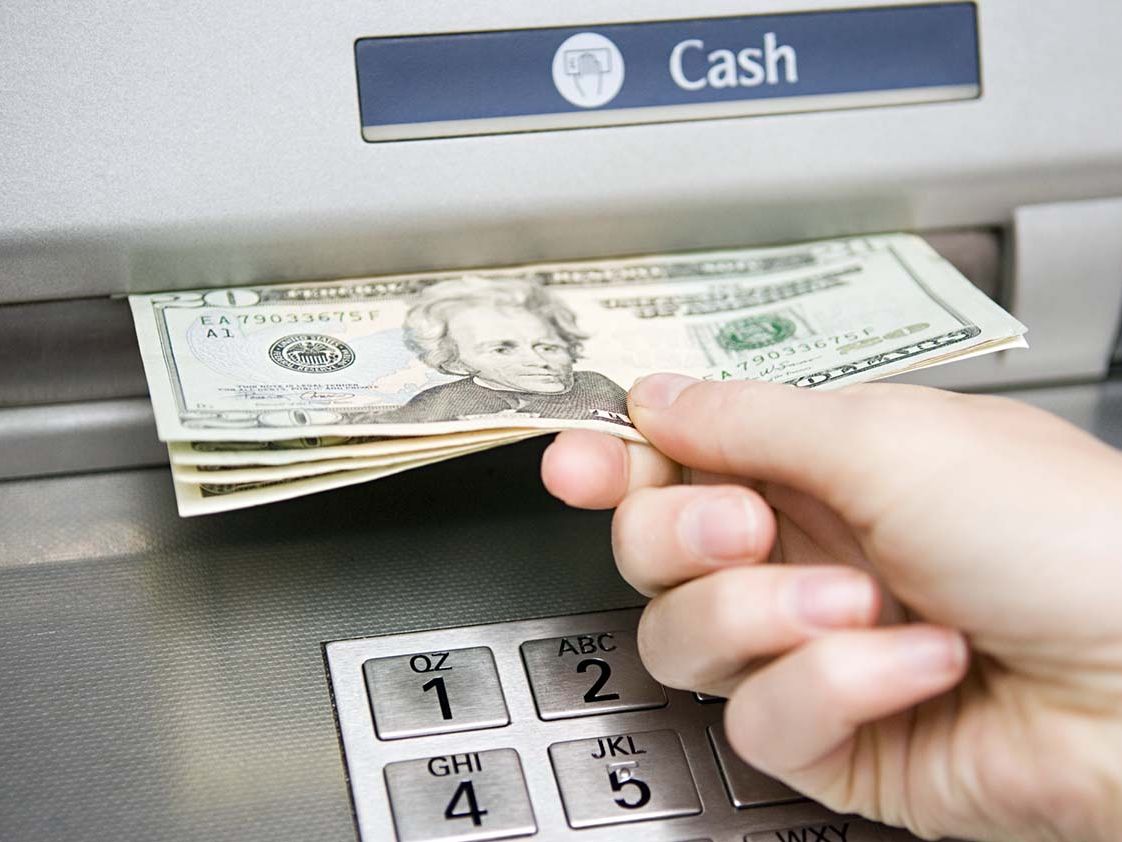
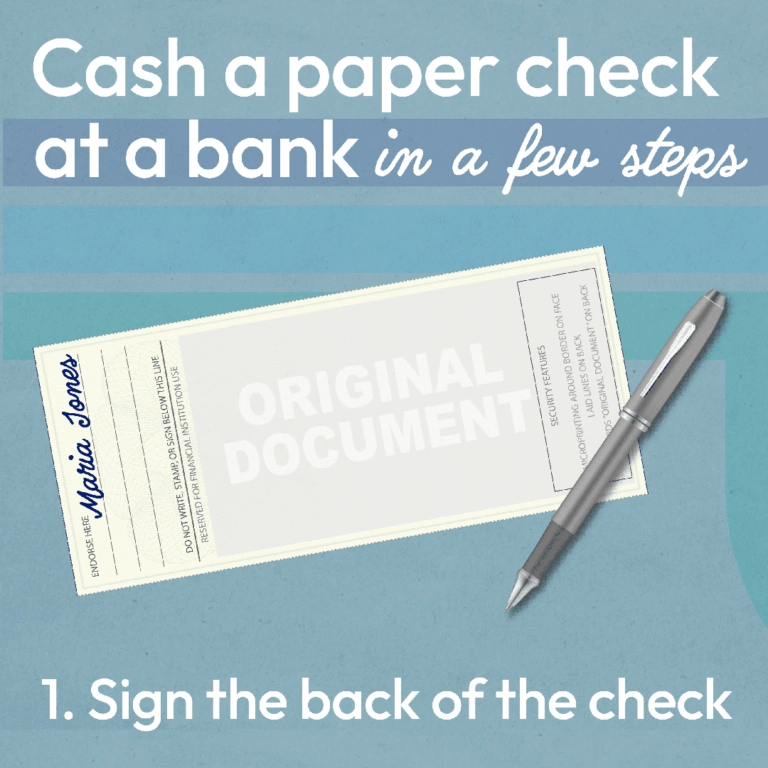
The most conventional method of accessing cash is through your bank. Debit cards allow instant withdrawals from ATMs, providing quick access to funds held in your checking or savings accounts. For larger amounts or specific services, visiting a physical bank branch remains an option, offering services like cashier’s checks, money orders, and direct consultation with financial professionals. While convenient, it’s important to be aware of ATM fees, daily withdrawal limits, and the security precautions necessary when handling physical cash, especially in public spaces. Many banks also offer mobile check deposit features, allowing you to “cash” a check by simply taking a picture with your smartphone, further blurring the lines between traditional and digital.
Selling Physical Assets
Beyond currency, “cashing” can also mean converting valuable physical possessions into money. This includes major assets like real estate (houses, land) and vehicles, as well as smaller valuables such as jewelry, collectibles, art, or electronics. The process typically involves appraisal, finding a buyer, and completing a transaction, often with the assistance of agents or specialized marketplaces. While these methods can yield substantial sums, they are generally less liquid, involving significant time, effort, and sometimes transaction costs (e.g., real estate agent commissions). Strategic timing and market knowledge are key to maximizing the “cash” received from such sales.
Traditional Lending and Loans
Another way to access immediate funds, albeit as borrowed money, is through traditional lending. Personal loans, lines of credit, and mortgages allow individuals to receive a lump sum of cash (or access to funds) against their future income or collateral. Business loans provide capital for companies. While this isn’t “cashing out” an asset in the conventional sense, it is a common method for obtaining significant funds for specific purposes, like home purchases, education, or business expansion. Understanding interest rates, repayment terms, and the impact on your credit score is crucial before pursuing this avenue.
Redeeming Investments
For those with established investment portfolios, “cashing” can involve redeeming or selling investment products. This includes liquidating shares of stocks, mutual funds, exchange-traded funds (ETFs), or withdrawing funds from certificates of deposit (CDs) or bonds upon maturity (or early, with potential penalties). Retirement accounts like 401(k)s or IRAs also allow withdrawals, though these are often subject to age restrictions, taxes, and penalties if accessed prematurely. Knowing the tax implications and market conditions is vital when deciding to redeem investments to ensure you maximize your take-home cash.
Harnessing Digital Ecosystems for Monetization
The digital revolution has profoundly expanded the ways we earn, transfer, and “cash out” our money. From payment apps to crypto exchanges and the vast gig economy, digital ecosystems offer unprecedented convenience and global reach for financial transactions.
Online Payment Platforms and Digital Wallets
Platforms like PayPal, Venmo, Stripe, Square, Apple Pay, and Google Pay have become ubiquitous for sending and receiving money, both domestically and internationally. These digital wallets often hold your funds virtually, allowing for seamless online purchases or transfers to other users. To “cash out” from these platforms typically involves linking your bank account or debit card and initiating a transfer, which can take a few business days or, for a small fee, occur almost instantly. Businesses frequently use services like Stripe and Square to process credit card payments, allowing them to consolidate and transfer their daily earnings efficiently into their primary bank accounts.
Cryptocurrency Exchanges
The advent of cryptocurrencies introduced a completely new dimension to “cashing.” Platforms like Coinbase, Binance, Kraken, and Gemini allow users to buy, sell, and trade various digital assets. To “cash out” from cryptocurrency often involves selling your crypto for a fiat currency (USD, EUR, etc.) on an exchange, and then withdrawing that fiat currency to your linked bank account. This process requires understanding the exchange’s fees, withdrawal limits, and security protocols. Due to the inherent volatility of cryptocurrencies, timing is often a critical factor in maximizing the fiat value received, and awareness of tax obligations on crypto gains is essential.
Monetizing Online Content and Services
The internet has opened up countless opportunities for individuals to “cash in” on their skills and creativity. Freelancing platforms (Upwork, Fiverr), e-commerce sites (Shopify, Etsy, Amazon), content creation platforms (YouTube, Patreon, Substack), and affiliate marketing programs allow individuals to generate income from diverse sources. Payouts from these platforms vary: some offer direct bank transfers, others use third-party payment processors, and many offer options for instant payout for a fee. For content creators, ad revenue, sponsorships, and direct subscriber payments constitute their “cash flow,” which they then manage through their preferred digital or traditional banking channels. Understanding each platform’s specific payout structure and associated fees is key to optimizing your earnings.
Gig Economy Payouts
The rise of the gig economy, encompassing services like ride-sharing (Uber, Lyft), food delivery (DoorDash, Uber Eats), and task-based work, offers flexible ways to earn income. These platforms typically facilitate swift payouts to their workers. Many offer daily or even “instant” cash-out options for a small fee, allowing gig workers immediate access to their earnings. This quick liquidity is a significant draw for many, providing financial flexibility that traditional employment often lacks. These payouts are usually directly deposited into a linked bank account or debit card.
Strategic Approaches to Maximizing Your Cash Flow
Beyond simply accessing funds, strategic financial management is about maximizing the amount of “cash” you retain and grow. This involves a proactive approach to income generation, investment, debt, and taxes.
Optimizing Your Income Streams
To maximize cash flow, it’s essential to not only generate income but to optimize it. For employees, this means negotiating salaries, seeking promotions, and exploring benefits that reduce out-of-pocket expenses. For entrepreneurs and freelancers, it involves scaling operations, diversifying client bases, pricing services competitively, and efficiently managing business expenses. Developing multiple income streams, whether through a side hustle, investments, or passive income ventures, can significantly bolster overall cash flow and provide financial resilience against unforeseen circumstances. Regular review of income sources and their efficiency is a crucial practice.
Smart Investment Strategies for Liquidity
A balanced investment portfolio not only aims for long-term growth but also considers liquidity. While growth-oriented investments might tie up capital for extended periods, it’s vital to maintain accessible funds. This includes maintaining a robust emergency fund in a high-yield savings account, which offers both security and easy access. Short-term investments like money market accounts or highly liquid bonds can provide better returns than a standard savings account while still allowing relatively quick conversion to cash if needed. Strategically allocating assets ensures you have funds readily available without having to liquidate long-term growth assets prematurely.
Efficient Debt Management
Debt, particularly high-interest debt like credit card balances, can significantly drain your cash flow. Efficient debt management is a powerful strategy for maximizing take-home pay and available cash. Prioritizing the repayment of high-interest debts frees up more of your monthly income, which can then be saved, invested, or used for other financial goals. Consolidating debt, refinancing loans, or utilizing strategies like the debt snowball or avalanche methods can dramatically reduce the financial burden and improve your overall cash position.
Tax Planning for Greater Take-Home Pay
Taxes represent a significant portion of earned income, and effective tax planning can legally maximize your take-home cash. This involves understanding deductions, credits, and tax-advantaged accounts (e.g., 401(k)s, IRAs, HSAs). For businesses, strategic expense tracking, depreciation, and understanding corporate tax structures can lead to substantial savings. Consulting with a tax professional can identify opportunities to minimize your tax liability, ensuring more of your hard-earned money remains accessible for your financial objectives.
Safeguarding Your Cash and Financial Assets
As the methods of “cashing” become more diverse and digital, the importance of security and protection grows exponentially. Safeguarding your funds from fraud, theft, and unforeseen events is paramount to maintaining financial well-being.
Digital Security Best Practices
In an age where much of our money is digital, robust digital security is non-negotiable. This includes using strong, unique passwords for all financial accounts, enabling two-factor authentication (2FA) wherever possible, and being vigilant against phishing scams, malware, and identity theft. Regularly monitoring bank and credit card statements for suspicious activity, using secure networks for online transactions, and keeping software updated are critical steps. Educating yourself about common online threats is your first line of defense against losing access to your digital cash.
Understanding Insurance and Protections
Beyond digital security, understanding the protections afforded to your financial assets is vital. Bank deposits are typically insured by government agencies like the FDIC (in the U.S.) up to a certain limit, protecting you in case of bank failure. Investment accounts may have protections through organizations like SIPC (in the U.S.) against brokerage firm failure, though not against market losses. Homeowner’s, renter’s, auto, health, and life insurance policies provide financial safeguards against specific risks, preventing unexpected events from depleting your “cash” reserves. A comprehensive insurance strategy acts as a financial safety net.
Emergency Funds and Contingency Planning
One of the most crucial elements of safeguarding your cash is establishing and maintaining an emergency fund. This dedicated pool of readily accessible cash, typically held in a separate, liquid account, is designed to cover 3-6 months of living expenses in case of job loss, medical emergency, or other unforeseen financial setbacks. An emergency fund provides a buffer, preventing you from having to sell investments at an inopportune time, take out high-interest loans, or liquidate long-term assets, thereby preserving your overall financial health.
Estate Planning and Asset Protection
For comprehensive financial security, considering estate planning and asset protection strategies becomes important. This involves creating wills, trusts, and powers of attorney to ensure your assets are distributed according to your wishes and protected for your heirs. Proper planning can help minimize taxes, avoid probate, and provide clear guidance for managing your financial affairs if you become incapacitated. It’s about securing your cash and assets not just for your present needs, but for your future and the financial well-being of your loved ones.
In conclusion, the journey of “how to cash” in the contemporary world is a dynamic process involving more than just physical money. It requires a nuanced understanding of traditional and digital financial mechanisms, strategic planning for income and investments, proactive debt management, and rigorous security measures. By mastering these interconnected facets, individuals and businesses can confidently navigate the modern financial landscape, ensuring their money is not only earned but also readily accessible, strategically managed, and securely protected for all of life’s needs and aspirations.
aViewFromTheCave is a participant in the Amazon Services LLC Associates Program, an affiliate advertising program designed to provide a means for sites to earn advertising fees by advertising and linking to Amazon.com. Amazon, the Amazon logo, AmazonSupply, and the AmazonSupply logo are trademarks of Amazon.com, Inc. or its affiliates. As an Amazon Associate we earn affiliate commissions from qualifying purchases.