
In an era defined by instantaneous information and unparalleled connectivity, the simple query, “where is the nearest Costco to my location?” transcends a mere question; it represents a quintessential application of modern technology. Gone are the days of unfolding cumbersome paper maps or relying on vague directions. Today, finding specific retail outlets like a Costco warehouse is an exercise in leveraging sophisticated digital tools, from the intricate network of Global Positioning Satellites (GPS) to intuitive mapping applications and AI-powered voice assistants. This article delves into the technological backbone that makes such a query not just answerable, but virtually effortless, highlighting the innovations that streamline our navigation and enhance our daily lives.

The Ubiquitous Power of Location Services and Mapping Apps
At the heart of answering any “where is the nearest” question lies a powerful confluence of hardware and software, seamlessly integrated into our devices. Understanding these foundational technologies is key to appreciating the magic behind finding your next bulk shopping destination.
GPS: The Foundational Technology
Global Positioning System (GPS) is the silent workhorse behind all modern location services. Developed by the U.S. government, this satellite-based radio navigation system provides precise positioning, velocity, and time information to a user anywhere on Earth, provided there is an unobstructed line of sight to four or more GPS satellites. Every smartphone, modern vehicle, and many wearable devices contain a GPS receiver that listens for signals from these satellites orbiting thousands of miles above. These signals carry time-stamped data, allowing the receiver to calculate its exact distance from each satellite. By triangulating these distances, your device can pinpoint its location on the globe with remarkable accuracy, often within a few meters. This raw location data is then fed into mapping applications, forming the bedrock for all subsequent navigational functions.
Leading Mapping Platforms: Google Maps, Apple Maps, and Waze
While GPS provides the coordinates, it’s the sophisticated mapping applications that transform these numbers into understandable, actionable information. Google Maps, Apple Maps, and Waze stand out as titans in this domain, each offering a distinct yet equally powerful user experience.
-
Google Maps: Arguably the most comprehensive, Google Maps integrates a vast database of points of interest, real-time traffic updates, public transit options, and street view imagery. Its search algorithm is incredibly robust, often understanding even slightly ambiguous queries. For finding a Costco, its strength lies in its ability to show multiple nearby locations, detailed store information (hours, phone, website), and user-contributed reviews and photos.
-
Apple Maps: Deeply integrated into the Apple ecosystem, Apple Maps offers a clean interface and seamless experience for iOS users. It boasts features like Look Around (Apple’s equivalent of Street View), detailed city maps, and reliable turn-by-turn navigation. Its integration with Siri makes voice-activated searches for “Costco near me” particularly fluid.
-
Waze: Distinguished by its community-driven approach, Waze excels in real-time traffic reporting, accident alerts, and hazard warnings submitted by its users. While its interface is more navigation-focused, it’s highly effective for finding the quickest route to a destination like Costco, especially during peak traffic hours.
These platforms not only display your current location and potential destinations but also compute optimal routes, account for traffic, and provide turn-by-turn directions, all within a visually intuitive interface.
Ensuring Location Accuracy
For these technologies to work effectively, enabling location services on your device is paramount. Most modern smartphones prompt users to grant location permissions to apps upon first use. It’s crucial to set these permissions appropriately, usually allowing location access “while using the app” for privacy and functionality. Common issues like inaccurate location data can often be resolved by ensuring a strong GPS signal (clear view of the sky), checking Wi-Fi and cellular data connectivity (which assist GPS triangulation), and calibrating your device’s compass. Regularly updating your operating system and mapping applications also ensures you benefit from the latest accuracy improvements and bug fixes.
Optimizing Your Search: Beyond the Basic Query
While simply typing “Costco” into a search bar might yield results, leveraging the full capabilities of modern search technologies can significantly refine your experience and provide more precise information.
Specificity in Search Queries
The way you phrase your search query can dramatically impact the quality of the results. While “Costco near me” is a perfectly valid and often effective starting point, consider these refinements:
-
“Costco [City, State]”: If you’re planning ahead or searching for a Costco in a different area, specifying the city and state will narrow down results immediately.
-
“Costco with gas station near me”: For members prioritizing fuel savings, adding specific services to your query can filter out irrelevant locations.
-
“Costco open now”: Many mapping apps and search engines incorporate real-time operating hours, ensuring you only see locations that are currently accessible.
These specific queries tap into the sophisticated indexing and natural language processing capabilities of search engines and mapping apps, allowing them to interpret intent beyond just keywords.
Utilizing App-Specific Features
Modern mapping and search applications are rich with features designed to enhance user experience:
-
Filters: Beyond basic search, look for filters that allow you to specify preferences like “open now,” “gas station,” “pharmacy,” or even “tire center.”
-
Saving Favorites: Once you find your preferred Costco, most apps allow you to save it as a “favorite” or “starred” location for quick access in the future.
-
Sharing Directions: Planning a group trip? Directions can be easily shared via text, email, or other messaging apps, ensuring everyone arrives at the same place.
-
Route Options: Explore different routes, often showing estimated travel times, tolls, and traffic conditions, allowing you to choose based on speed, cost, or scenic preference.
Mastering these features transforms the act of finding a store from a basic lookup to a tailored, efficient planning process.
Voice Search and AI Assistants
The rise of voice search and AI assistants like Siri, Google Assistant, and Amazon Alexa has revolutionized how we interact with technology. Instead of typing, users can simply speak their query: “Hey Siri, where’s the nearest Costco?” or “Okay Google, give me directions to Costco.” These assistants leverage natural language processing (NLP) to understand spoken commands, convert them into actionable data, and retrieve information or initiate navigation. This hands-free capability is particularly useful while driving, allowing users to keep their eyes on the road while still getting essential information or updating their route. The seamless integration of these assistants with mapping applications makes finding a Costco both convenient and safe.
The Role of Retailer-Specific Apps and Websites
Beyond generic mapping solutions, many large retailers, including Costco, offer their own digital platforms designed to cater specifically to their customer base. These proprietary tools often provide a deeper level of detail and integration for a more tailored experience.
The Official Costco App: A Direct Approach
For frequent Costco shoppers, the official Costco app is an indispensable tool. It integrates a dedicated store locator that often provides more granular information than general mapping apps. Benefits include:
-
Precise Store Information: Real-time updates on operating hours (including special holiday hours), contact details, and available services unique to each warehouse (e.g., optical, pharmacy, gas station, food court, tire center).
-
Membership Integration: The app often doubles as a digital membership card, streamlining the entry process and checkout.
-
Shopping Lists and Inventory: Some retailer apps, including Costco’s, allow members to create shopping lists and even check product availability at specific warehouses, although this feature varies.
-
Exclusive Deals: The app often highlights current promotions, coupons, and warehouse-specific deals.
Using the official app provides the most authoritative and up-to-date information directly from the source, minimizing potential discrepancies found on third-party platforms.
Website Store Locators
When an app isn’t feasible or preferred, a retailer’s official website remains a robust resource. Most corporate websites feature a prominent “Store Locator” section. These web-based tools often mirror the functionality of their app counterparts, allowing users to search by zip code, city, or state. They typically provide:
-
Interactive Maps: Displaying nearby locations with clickable pins for more details.
-
Comprehensive Details: Hours, address, phone numbers, and a list of specific departments or services available at that location.
-
Direction Links: Direct integration with major mapping services (Google Maps, Apple Maps) to initiate navigation with a single click.
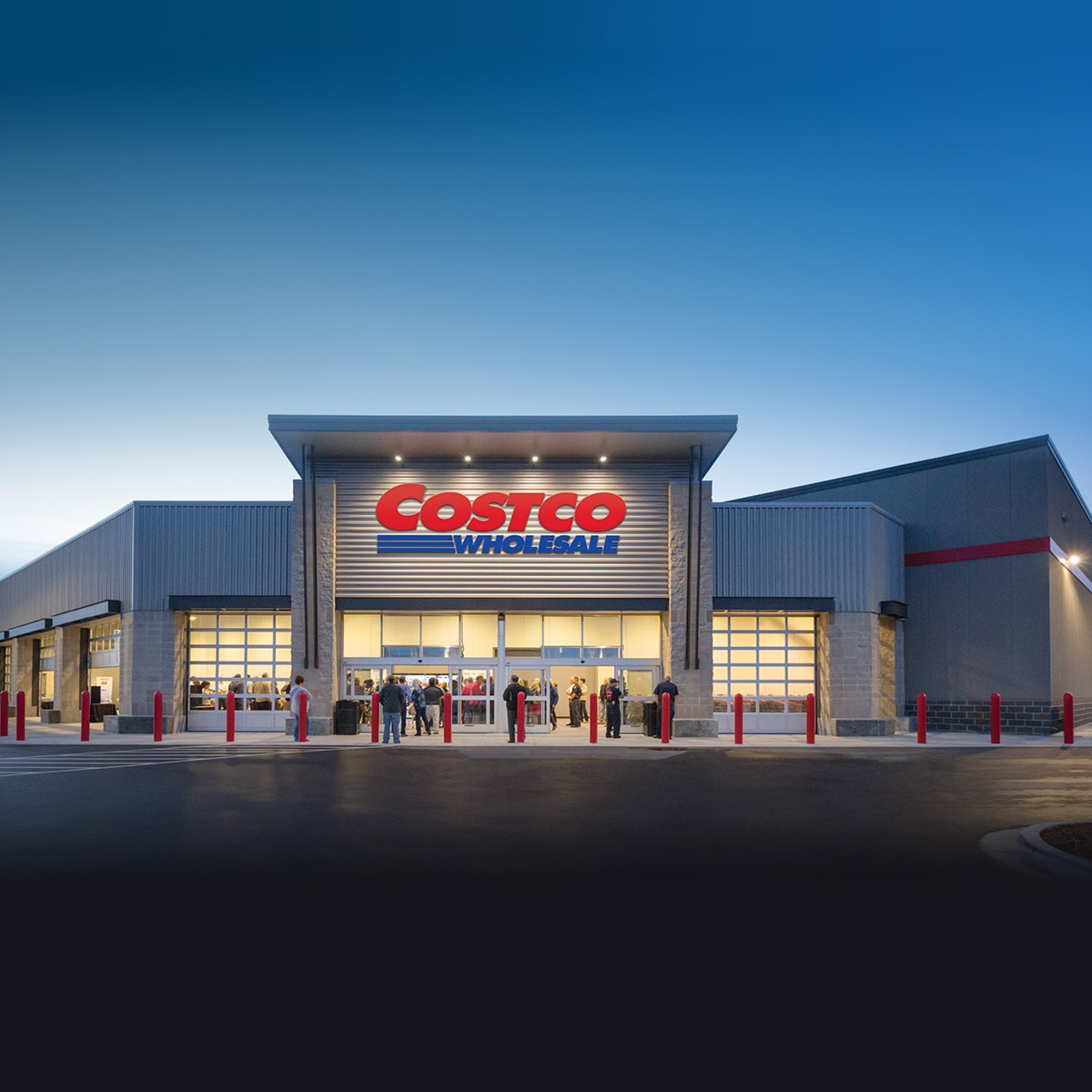
These web locators are maintained by the retailers themselves, ensuring the information is current and accurate, making them a reliable alternative to apps.
Real-Time Updates and Store Information
A critical advantage of both retailer apps and websites is their ability to provide real-time updates. This isn’t just about static hours; it includes:
-
Holiday Schedules: Specific opening and closing times for holidays like Thanksgiving or Christmas.
-
Special Events: Information on member-only events, product demonstrations, or seasonal offerings.
-
Gas Prices: For Costco, the app often displays current gas prices for its warehouse stations, a significant draw for many members.
This dynamic information ensures that members have the most current data, preventing wasted trips and enhancing the overall shopping experience.
Enhancing Your Shopping Trip with Ancillary Tech Tools
Finding the nearest Costco is just the first step. A suite of other technological tools can further optimize your journey and overall shopping experience, turning a simple errand into a streamlined process.
Traffic and Commute Optimizers
Once you’ve identified your destination, the next challenge is getting there efficiently. Mapping apps like Google Maps, Apple Maps, and Waze constantly ingest real-time traffic data from various sources – including anonymous user data, government sensors, and historical patterns. They use this information to:
-
Predict Travel Times: Providing accurate estimated arrival times that adjust dynamically based on current road conditions.
-
Suggest Alternative Routes: Rerouting you around accidents, construction, or heavy congestion, often saving significant time.
-
Identify Road Hazards: Waze, in particular, excels at flagging speed traps, potholes, and other road issues reported by its community.
By integrating these features, your smartphone acts as a highly intelligent co-pilot, guiding you to Costco along the most optimal path available at that moment.
Fuel Price Trackers
For many Costco members, the appeal extends beyond bulk goods to their competitively priced gas stations. Technology offers ways to maximize these savings. Dedicated fuel price tracking apps like GasBuddy or integrated features within mapping apps can:
-
Display Real-Time Gas Prices: Showing current fuel costs at Costco and surrounding stations.
-
Compare Prices: Allowing you to quickly assess if the Costco gas price is genuinely the best option in your immediate area.
-
Filter by Fuel Type: Helping you find stations that offer specific fuel grades or diesel.
This means you can make an informed decision on whether to fill up at Costco or nearby, potentially adding another layer of savings to your trip.
Review Platforms and Community Insights
Before you even step foot in the door, technology can provide a glimpse into what to expect. Platforms like Yelp, Google Reviews, and even community forums offer user-generated insights specific to individual Costco warehouses:
-
Parking Availability: Reviews often mention whether a particular Costco has ample parking or tends to get exceptionally crowded.
-
Crowd Levels: Users might comment on peak hours or days to avoid for a more relaxed shopping experience.
-
Product Availability: Occasionally, reviews might highlight specific in-demand products or seasonal items at a particular location.
-
Customer Service Experiences: Providing an anecdotal sense of the service quality at that warehouse.
While anecdotal, these insights can be invaluable for planning your visit, helping you choose the best time to go or what to anticipate upon arrival.
Future Trends in Location-Based Services and Retail Discovery
The technological evolution in location services is far from over. Future innovations promise to make the act of finding and navigating retail spaces even more intuitive, personalized, and immersive.
Augmented Reality (AR) Navigation
Imagine holding up your smartphone, and instead of a flat map, you see overlaid digital arrows and labels directly on the live camera feed of the street in front of you. AR navigation is already emerging in some mapping apps and cars, providing highly intuitive, visual turn-by-turn directions. This technology could eliminate the need to switch between the road and a map, making navigation seamless and more engaging, especially in complex urban environments or large parking lots.
Predictive AI for Personalized Recommendations
As AI advances, location-based services will become increasingly predictive and personalized. Based on your past shopping habits, typical routes, time of day, and even external factors like weather, AI could:
-
Suggest Optimal Shopping Times: Recommending when a specific Costco warehouse is likely to be least crowded.
-
Anticipate Your Needs: Proactively suggesting new product arrivals at your preferred location based on your purchase history.
-
Optimize Multi-Stop Itineraries: Intelligently planning routes that combine a trip to Costco with other errands, minimizing travel time and fuel consumption.
This predictive capability will transform static information retrieval into a dynamic, anticipatory assistant.
Hyperlocal Information and Indoor Mapping
While current GPS excels outdoors, navigating large indoor spaces like a sprawling Costco warehouse can still be challenging. Future advancements, potentially leveraging Wi-Fi triangulation, Bluetooth beacons, or even visual recognition, aim to provide:
-
Indoor Mapping: Guiding you to specific departments or even individual product aisles within the store.
-
Hyperlocal Deals: Alerting you to promotions on items as you walk past them in the store.
-
Queue Management: Providing real-time updates on checkout line lengths.
This granular level of indoor navigation will drastically enhance the efficiency and enjoyment of large-format retail shopping.

Conclusion
The simple question, “where is the nearest Costco to my location?” unlocks a fascinating array of technological innovations that underpin our modern connected world. From the invisible satellites orbiting Earth to the sophisticated algorithms powering our smartphone apps, technology has transformed what was once a logistical challenge into an effortlessly solvable query. As we look to the future, continuous advancements in AI, augmented reality, and hyper-local data promise to make our interactions with the physical world even more seamless, intuitive, and personalized, further embedding technology as an indispensable tool in our daily lives.
aViewFromTheCave is a participant in the Amazon Services LLC Associates Program, an affiliate advertising program designed to provide a means for sites to earn advertising fees by advertising and linking to Amazon.com. Amazon, the Amazon logo, AmazonSupply, and the AmazonSupply logo are trademarks of Amazon.com, Inc. or its affiliates. As an Amazon Associate we earn affiliate commissions from qualifying purchases.