
The question of what will happen in the stock market tomorrow is perhaps the most enduring mystery in the world of finance. For the day trader, it is a question of immediate survival and profit; for the long-term investor, it is a pulse check on the broader health of their retirement nest egg. While no one possesses a crystal ball, the movement of the markets is rarely entirely random. Instead, it is the result of a complex interplay between macroeconomic data, corporate performance, investor psychology, and technical indicators. Understanding these variables allows an investor to transition from a state of reactive anxiety to one of proactive preparation.
Predicting tomorrow’s market requires a multi-faceted approach. We must look at the data points currently available, the scheduled events on the economic calendar, and the prevailing sentiment that dictates how the “crowd” will react to new information. Whether the bulls or the bears take control at the opening bell depends on a specific set of catalysts that are often visible if one knows where to look.
The Mechanics of Market Movement: Analyzing Macroeconomic Indicators
The most significant driver of daily market fluctuations is macroeconomic data. These are the broad signals that tell investors about the health of the economy at large. When significant reports are scheduled for release, the market often enters a period of “wait and see” volatility, where prices fluctuate narrowly until the data is revealed.
The Influence of Federal Reserve Policy and “Fed Speak”
In the current financial landscape, nothing moves the needle more than the Federal Reserve. Investors are perpetually tuned into the frequency of central bank communications. If a member of the Federal Open Market Committee (FOMC) is scheduled to speak tomorrow, the market will be looking for clues regarding interest rate trajectories.
Higher interest rates generally act as a gravity well for stock valuations, particularly in growth sectors like technology. Conversely, any hint of a “dovish” pivot—a move toward lower rates—can send indices soaring. Tomorrow’s market reaction will likely be a direct response to whether the Fed’s messaging aligns with or contradicts existing market expectations.
Inflation Data and Employment Reports
If tomorrow brings a Consumer Price Index (CPI) or Producer Price Index (PPI) report, expect fireworks. Inflation remains the primary metric by which the health of the dollar and the necessity of rate hikes are measured. Similarly, employment data, such as the Non-Farm Payrolls (NFP) report, provides a snapshot of the labor market. A cooling labor market might paradoxically be viewed as “good news” by the stock market, as it suggests the Fed may stop raising rates. Understanding this “bad news is good news” dynamic is essential for interpreting tomorrow’s potential price action.
Corporate Sentiments and the Earnings Lifecycle
While macro data sets the stage, individual corporate performance provides the script. We are currently in an era where the “Magnificent Seven” and other mega-cap stocks hold a disproportionate weight in major indices like the S&P 500 and the Nasdaq 100. Consequently, the earnings report of a single tech giant can dictate the direction of the entire market tomorrow.
The Impact of Earnings Surprises and Guidance
If a major company reports earnings after the close today or before the bell tomorrow, the market’s reaction will hinge on two factors: the “beat” or “miss” of expectations, and the “guidance.” Often, a company will report record profits, yet its stock price will plummet. This happens because the market is forward-looking. If the CEO issues a cautious outlook for the next quarter, investors will sell off the stock in anticipation of future weakness. To know what will happen tomorrow, one must look at the consensus estimates versus the actual numbers being reported in the after-hours session.
Sector Rotation and Momentum
The stock market is rarely a monolith. On any given day, we might see “sector rotation,” where investors pull money out of high-growth tech stocks and move it into “defensive” sectors like utilities, healthcare, or consumer staples. This shift often happens when there is an anticipation of economic slowing. Watching which sectors finished strong today can provide a momentum signal for how the opening rotations will look tomorrow morning.
Technical Indicators and the Language of Charts

For many traders, the news is secondary to what the charts are saying. Technical analysis is based on the premise that all known information is already “priced in” to the stock, and that price movements follow repeatable patterns based on human psychology.
Support, Resistance, and Pivot Points
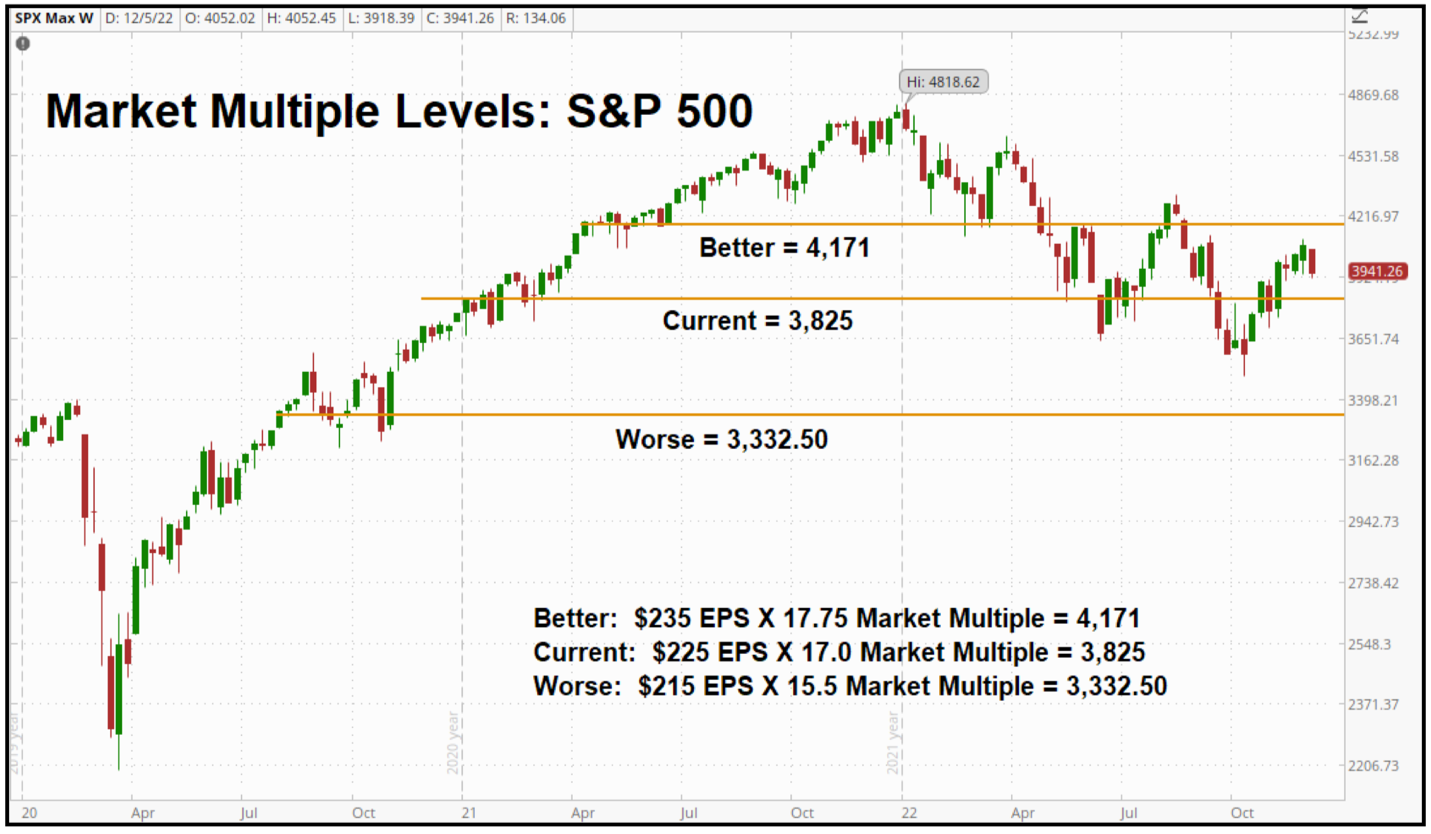
Every stock and index operates within a range of support (the floor) and resistance (the ceiling). If the S&P 500 closed today just below a major psychological resistance level—such as a round number like 5,000—tomorrow’s market will be a battleground. A “breakout” above resistance usually triggers a wave of buying as algorithmic trading programs execute “long” orders. Conversely, failing to break that ceiling can lead to a rapid “retest” of the support levels below.
The Role of Moving Averages
Traders often look at the 50-day and 200-day moving averages to determine the medium and long-term trend. If the market is currently trading above these averages, the bias for tomorrow remains bullish. However, if the market is “overextended”—meaning it has moved too far, too fast away from its moving average—tomorrow might bring a “mean reversion,” where prices pull back to a more sustainable level.
Volume and Breadth
The validity of any move today tells us a lot about tomorrow. If the market rose today on low trading volume, it suggests a lack of conviction, and a reversal tomorrow is highly probable. If the market rose on high volume with “strong breadth” (meaning most stocks went up, not just a few big ones), it indicates a healthy rally that is likely to continue into the next session.
The Influence of Global Geopolitics and Sentiment
The stock market does not sleep. While the New York Stock Exchange may close at 4:00 PM EST, the global financial machine continues to churn. Events in Europe and Asia overnight can radically alter the landscape for the American market tomorrow morning.
Overnight Futures and Global Markets
Before the US markets open, investors look at “Futures.” S&P 500, Dow, and Nasdaq futures trade nearly 24 hours a day. If the Nikkei in Japan or the DAX in Germany suffers a significant drop overnight, US futures will likely follow suit, leading to a “gap down” at the open tomorrow. Monitoring the performance of global markets is the closest thing an investor has to a preview of the domestic opening bell.
The Fear and Greed Index
Market sentiment is a powerful force. When the “Fear and Greed Index” is in the “Extreme Greed” territory, the market is often due for a cooling-off period. Conversely, when fear is rampant, the market may be nearing a bottom. Tomorrow’s movement is often a reaction to the prevailing emotional state of the investing public. Sudden geopolitical tensions, trade disputes, or unexpected political developments can shift this sentiment in an instant, overriding even the strongest technical setups.
Navigating the Noise: How to Prepare Your Portfolio
Knowing what might happen tomorrow is only half the battle; the other half is knowing how to react. Successful investing is not about guessing the direction of the wind, but about adjusting your sails.
Risk Management and Stop-Losses
If you are concerned about volatility tomorrow, the most effective tool at your disposal is the stop-loss order. This automated instruction tells your broker to sell a security if it falls to a certain price, thereby limiting your downside risk. For the long-term investor, tomorrow’s volatility is often just “noise,” but for those with shorter time horizons, protecting capital is the first priority.
The Importance of a Diversified Strategy
Tomorrow may bring a sharp decline in tech, but a surge in energy or gold. This is why diversification is often called the only “free lunch” in finance. By holding a variety of asset classes—including stocks, bonds, and perhaps alternative investments—you ensure that your entire financial future isn’t dependent on the direction of a single index on any given Tuesday or Wednesday.
Maintaining a Long-Term Perspective
Ultimately, what happens in the stock market tomorrow is a single data point in a journey of thousands of days. Historically, the stock market has an upward bias, reflecting the growth of human innovation and corporate productivity over time. While tomorrow might bring a “red day” or a “black swan” event, the investors who thrive are those who do not let the daily fluctuations of the ticker tape distract them from their long-term financial goals.
The market tomorrow will be a reflection of everything we know today, filtered through the lens of new information that arrives overnight. By keeping an eye on the economic calendar, monitoring the technical health of the indices, and maintaining emotional discipline, you can face the opening bell with confidence, regardless of which way the numbers move. In the world of finance, preparation is the best hedge against uncertainty.
aViewFromTheCave is a participant in the Amazon Services LLC Associates Program, an affiliate advertising program designed to provide a means for sites to earn advertising fees by advertising and linking to Amazon.com. Amazon, the Amazon logo, AmazonSupply, and the AmazonSupply logo are trademarks of Amazon.com, Inc. or its affiliates. As an Amazon Associate we earn affiliate commissions from qualifying purchases.