
The question “where is the Microsoft Corporation located?” might seem like a simple inquiry seeking a geographical coordinate. However, for a company of Microsoft’s stature, its location—particularly its iconic headquarters—is far more than just a pin on a map. It’s a foundational element of its corporate identity, a strategic asset in its brand narrative, and a tangible manifestation of its vision and culture. In the realm of brand strategy, the physical home of a global technology giant like Microsoft plays a critical, multifaceted role in shaping perceptions, attracting talent, fostering innovation, and communicating its essence to the world.
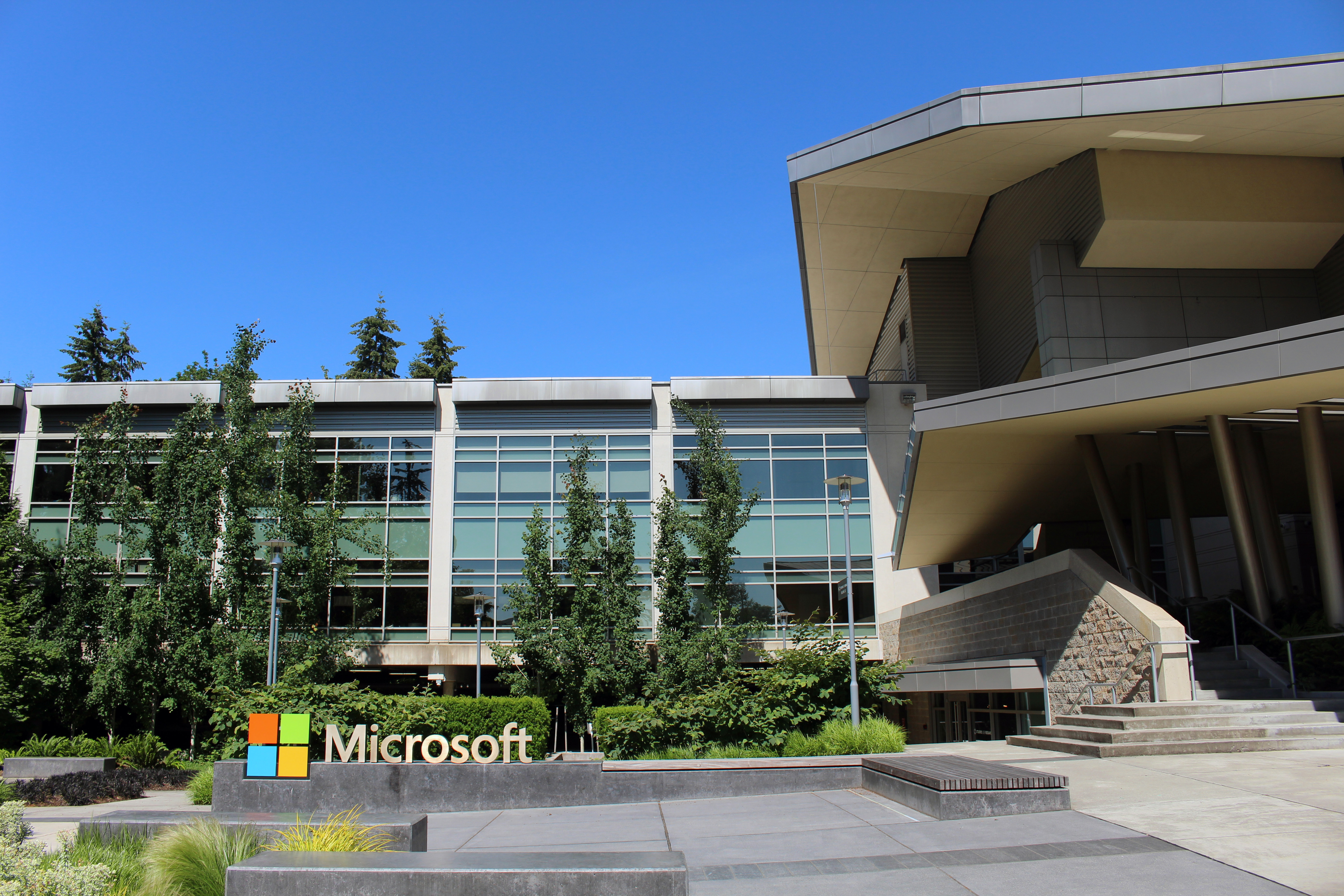
Redmond, Washington: The Heart of a Global Icon
To answer the geographical question directly, the Microsoft Corporation’s primary global headquarters is located in Redmond, Washington, USA. This sprawling campus, often referred to simply as “Redmond,” has been the epicenter of Microsoft’s operations for decades, growing from humble beginnings into a vast, modern corporate city. Its establishment and subsequent expansion in Redmond are deeply intertwined with the company’s brand journey, symbolizing its roots, its growth, and its enduring presence in the technology landscape.
The Origins of a Technological Mecca
While Microsoft was initially founded in Albuquerque, New Mexico, in 1975 by Bill Gates and Paul Allen, it wasn’t long before the burgeoning company sought a new home closer to talent and resources. The move to the Pacific Northwest in 1979, initially to Bellevue and then settling in Redmond in 1986, marked a pivotal moment. This relocation wasn’t just logistical; it was a strategic branding decision. The Pacific Northwest offered a fertile ground for innovation, a burgeoning tech scene, and a quality of life that could attract the brightest minds. By choosing Redmond, Microsoft inadvertently began to brand the area as a tech hub, drawing parallels to the later Silicon Valley phenomenon. The decision to invest heavily in a dedicated campus, rather than scattering operations, reinforced a sense of unity, purpose, and monumental ambition that became central to Microsoft’s evolving corporate identity. The very act of building such a campus projected an image of stability, longevity, and serious commitment to its mission.
Campus Culture and Corporate Identity
The Redmond campus itself is a meticulously designed ecosystem reflecting Microsoft’s corporate identity. Far from being a mere collection of office buildings, it’s a living testament to the company’s values, design philosophy, and employee-centric approach. With dozens of buildings, numerous amenities including restaurants, fitness centers, sports fields, and even internal transportation, the campus is designed to foster collaboration, creativity, and a sense of community among its tens of thousands of employees. This physical environment is a direct expression of the Microsoft brand: innovative, collaborative, diverse, and forward-looking. The architectural styles, the integration of green spaces, and the availability of resources all contribute to a distinct campus culture. This culture, in turn, becomes a cornerstone of Microsoft’s employer brand, signaling to prospective employees that they are joining not just a company, but a vibrant intellectual community. The emphasis on well-being, continuous learning, and state-of-the-art facilities directly communicates a brand promise of empowering individuals to achieve more, not just through technology but through their work environment.
Redmond’s Role in Microsoft’s Brand Narrative
Redmond is more than just an address; it’s a narrative element woven into the fabric of Microsoft’s brand story. It’s where countless iconic products – Windows, Office, Xbox – were conceived, developed, and launched. It’s the place where innovation has been incubated for decades, making it synonymous with Microsoft’s legacy of technological advancement. When people think of Microsoft, the image of its sprawling, modern campus often comes to mind, reinforcing its status as a global leader. The consistency of this location over such a long period also lends a sense of heritage and stability to the brand, demonstrating an unwavering commitment to its core operations and a tangible anchor in a rapidly changing digital world. From a marketing perspective, showcasing the Redmond campus in corporate videos, recruitment campaigns, and press releases visually communicates the scale, sophistication, and collaborative spirit that define the Microsoft brand. It’s a powerful visual metaphor for the company’s reach and ambition.
Beyond Redmond: Microsoft’s Global Footprint
While Redmond serves as Microsoft’s spiritual and operational core, the corporation’s brand strategy necessitates a much broader, global presence. A company of Microsoft’s scale cannot operate solely from one location, especially when its products and services cater to a diverse international audience. Its global footprint is a testament to its market reach, its commitment to local economies, and its strategy for localized brand building.
Strategic International Locations
Microsoft has established a vast network of offices, research and development centers, data centers, and sales hubs across the globe. Major regional headquarters in places like Dublin (Europe, Middle East, and Africa), Singapore (Asia Pacific), and São Paulo (Latin America) are not just administrative centers; they are strategic outposts designed to penetrate specific markets, understand regional nuances, and provide localized support. These international locations allow Microsoft to tailor its products, services, and marketing messages to resonate with local cultures and regulatory environments, which is critical for effective brand localization. For instance, an R&D center in India might focus on developing features relevant to emerging markets, directly impacting how the Microsoft brand is perceived and adopted in that region. This distributed presence enhances brand trust and accessibility, transforming Microsoft from a distant American corporation into a local partner in various geographies.
Regional Hubs and Localized Branding Efforts
Each regional hub operates with a degree of autonomy, allowing for more agile responses to local market conditions and competitive landscapes. This decentralization is crucial for maintaining brand relevance on a global scale. Marketing campaigns, community outreach programs, and even product launches are often adapted or created specifically for different regions. For example, Microsoft might partner with local educational institutions or startups in a given country, not only as a business development strategy but also as a powerful exercise in local brand building. By demonstrating its commitment to local talent and economic growth, Microsoft reinforces its brand image as a responsible and engaged corporate citizen, rather than just a multinational profit-seeker. These localized branding efforts are vital for fostering genuine connections with customers and partners outside of its primary market.
The Importance of a Distributed Workforce to Brand Resilience
In an increasingly interconnected world, a distributed workforce across various locations also enhances brand resilience. It allows Microsoft to operate around the clock, leverage diverse talent pools, and mitigate risks associated with over-reliance on a single geographical area. Moreover, a global workforce brings a wealth of perspectives and cultural insights that are invaluable for developing products and services that appeal to a worldwide user base. This diversity, born from geographical distribution, is an implicit part of Microsoft’s inclusive brand identity, reflecting its commitment to empowering everyone on the planet. The very ability to maintain operational continuity and deliver consistent brand experiences across different time zones and cultures is a powerful demonstration of Microsoft’s organizational strength and adaptability.
The Brand Impact of a Physical Headquarters
Despite the global spread, the physical headquarters in Redmond retains immense symbolic power. For a brand as immense as Microsoft, its headquarters serves as a tangible anchor, influencing external perception and internal cohesion. It’s a statement, a destination, and a source of identity.
Symbolism and Corporate Image
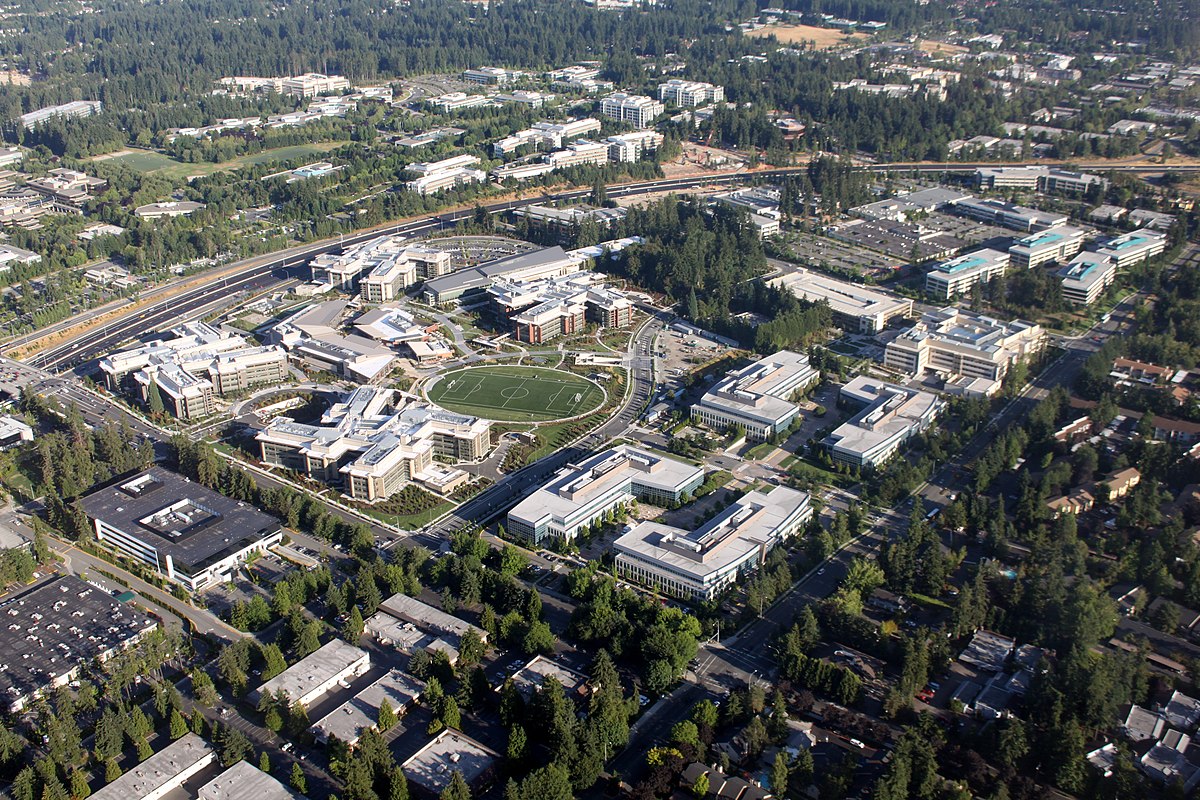
The Microsoft campus is more than just office space; it’s a monument to the company’s achievements and aspirations. It symbolizes permanence, success, and continuous innovation. For stakeholders – investors, partners, and the general public – the headquarters projects an image of stability, strength, and global leadership. It’s a physical manifestation of a multi-trillion-dollar enterprise. For job seekers, visiting or even seeing images of the campus can evoke a sense of prestige and excitement, elevating Microsoft’s employer brand. The deliberate design choices, from eco-friendly initiatives to state-of-the-art facilities, communicate a forward-thinking, responsible, and technologically advanced corporate image. This symbolism is a critical component of brand reputation, reassuring markets and talent that Microsoft is a robust and enduring entity.
Fostering Innovation Through Proximity
While digital collaboration is pervasive, there remains an undeniable benefit to physical proximity for fostering certain types of innovation. The “water cooler moments,” impromptu brainstorming sessions, and serendipitous encounters that are facilitated by a shared physical space are often catalysts for groundbreaking ideas. Microsoft’s campus is designed to encourage these interactions across various teams and disciplines. The ability for software engineers, designers, marketing strategists, and business development professionals to easily converge and collaborate in person can accelerate product development and problem-solving. This environment, designed to spark creativity, directly contributes to Microsoft’s brand promise of innovation, ensuring a continuous pipeline of new ideas that keep the brand at the forefront of technology. The very layout of the campus becomes a silent partner in the innovation process, a strategic investment in the brand’s future.
Attracting Talent: The “Place to Be” Factor
For highly skilled professionals in the tech industry, where to work is often as important as what they work on. Microsoft’s Redmond campus plays a significant role in its ability to attract and retain top talent globally. It has cultivated a reputation as “the place to be” for those seeking challenging work, cutting-edge resources, and a vibrant professional community. The comprehensive amenities, the prestige of working for a company of Microsoft’s caliber, and the sheer scale of the campus contribute to a compelling employer brand. Recruitment campaigns frequently highlight the campus environment, showcasing it as a dynamic and rewarding place to build a career. The investment in creating an attractive and functional headquarters is a direct investment in the human capital that drives the Microsoft brand, ensuring it continues to draw the best and brightest to fuel its future innovations.
Microsoft’s Headquarters as a Strategic Asset
The Redmond campus is not merely an operational necessity; it functions as a critical strategic asset that reinforces Microsoft’s brand identity, mission, and long-term vision. Its ongoing development and engagement with its local community further solidify its role as a responsible and influential corporate citizen.
Infrastructure and Sustainability Initiatives
The sheer infrastructure of the Microsoft campus—its data centers, advanced laboratories, and high-speed networks—represents a colossal investment and a testament to its commitment to technological excellence. Moreover, Microsoft has been increasingly focused on making its campus sustainable, incorporating green building practices, renewable energy sources, and efficient waste management. These sustainability initiatives are not just operational choices; they are powerful brand statements. By demonstrating leadership in environmental responsibility, Microsoft enhances its brand reputation, appealing to a growing segment of environmentally conscious consumers, employees, and investors. This commitment aligns with a modern corporate identity that values not just profit, but also planetary well-being. The campus itself, through its design and operation, serves as a living example of Microsoft’s broader commitment to a sustainable future, reinforcing this aspect of its brand.
Evolution of the Campus: A Reflection of Brand Vision
The Microsoft campus is not static; it is continually evolving, undergoing significant redevelopment projects. These updates are deliberate strategic moves that reflect the company’s evolving brand vision and anticipate future ways of working. For instance, the ongoing multi-billion dollar campus modernization project aims to create a more open, interconnected, and pedestrian-friendly environment, moving away from more isolated office buildings. This physical transformation mirrors a brand evolution towards greater collaboration, transparency, and a more integrated digital and physical experience. By investing in and reimagining its physical space, Microsoft visually communicates its readiness for the future, its commitment to innovation in workplace design, and its ability to adapt and lead in an ever-changing world. The campus becomes a physical manifestation of its future-oriented brand promise.
Community Engagement and Local Brand Building
Microsoft’s presence in Redmond extends beyond its campus borders into the local community. The company is a major employer, a significant contributor to the local economy, and often involved in local philanthropic efforts and community partnerships. This engagement is crucial for local brand building and for maintaining a positive corporate image. By being a good neighbor and an active participant in the community, Microsoft cultivates goodwill, strengthens its social license to operate, and reinforces its brand as a responsible and caring entity. These local efforts contribute to a broader perception of the Microsoft brand as one that contributes positively to society, not just through its products but through its direct engagement with the communities it inhabits.
The Evolving Definition of “Location” in the Digital Age
While the physical headquarters remains profoundly important, the digital age and recent global events have expanded the definition of “location” for a global brand like Microsoft. The conversation around “where is Microsoft located” now includes its virtual presence and its approach to a distributed workforce, which further shape its brand.
Remote Work and Brand Cohesion
The rapid acceleration of remote and hybrid work models has prompted companies like Microsoft to rethink how they maintain brand cohesion and corporate culture when employees are geographically dispersed. Microsoft, being a purveyor of the very tools that enable remote work (Teams, Office 365, Azure), has a unique opportunity to demonstrate leadership in this area. Its strategy for supporting a distributed workforce directly impacts its employer brand and its identity as a forward-thinking technology company. The ability to foster a strong corporate culture, facilitate seamless collaboration, and ensure employee well-being across diverse locations, relies heavily on digital infrastructure and thoughtful leadership. This showcases Microsoft’s own products in action, reinforcing their brand utility.
The Blended Workplace: Maintaining Corporate Culture
The future of work for Microsoft, like many global brands, will likely be a “blended workplace” that combines in-office and remote work. The headquarters will continue to play a role as a hub for innovation, collaboration, and community building, but it will be complemented by virtual spaces and regional offices designed to support flexibility. Maintaining a consistent corporate culture and brand experience across these blended environments is a strategic imperative. Microsoft’s approach to designing flexible work policies, investing in collaborative technologies, and ensuring equitable experiences for all employees, regardless of their physical location, will define its brand as a leader in the evolving world of work. This demonstrates adaptability and a human-centered approach to its operations.

The Enduring Value of a Physical Anchor
In a world increasingly characterized by digital interaction, the enduring value of Microsoft’s physical headquarters in Redmond becomes even more pronounced. It serves as a tangible anchor, a historical touchstone, and a symbol of stability and authenticity for the brand. While much of Microsoft’s work might be done virtually, the headquarters provides a physical space that embodies its corporate identity, history, and aspirations. It’s a place where the brand’s story is physically manifested, providing a powerful narrative that grounds its global digital presence. The physical location thus remains a strategic cornerstone in Microsoft’s comprehensive brand strategy, continuously evolving yet steadfast in its representation of a global technology giant.
aViewFromTheCave is a participant in the Amazon Services LLC Associates Program, an affiliate advertising program designed to provide a means for sites to earn advertising fees by advertising and linking to Amazon.com. Amazon, the Amazon logo, AmazonSupply, and the AmazonSupply logo are trademarks of Amazon.com, Inc. or its affiliates. As an Amazon Associate we earn affiliate commissions from qualifying purchases.