
In the intricate world of personal and business finance, certain numerical sequences act as the fundamental pillars supporting the smooth flow of money. Among these, the bank routing number stands out as a critical identifier, enabling countless financial transactions every day. While often overlooked until needed, understanding what a routing number is, where to find it, and its profound importance is essential for anyone managing their finances, from individuals setting up direct deposits to businesses processing payroll or managing international transfers. This guide delves into the specifics, demystifying this crucial financial component and empowering you with the knowledge to navigate your financial landscape with confidence.

Understanding the Cornerstone of Digital Money Movement
At its core, a bank routing number, also known as an ABA routing number (named after the American Bankers Association, which developed the system), is a nine-digit code that identifies your specific financial institution and the location where your account was opened. It’s akin to a postal code for your bank, ensuring that funds sent electronically reach the correct financial institution within the vast banking network.
What Exactly is a Bank Routing Number?
The nine digits of a routing number are not random; they follow a specific structure. The first four digits identify the Federal Reserve routing symbol, indicating which Federal Reserve Bank or branch serves the financial institution. The next four digits represent the ABA institution identifier, pinpointing the specific bank or credit union. Finally, the ninth digit is a checksum digit, used to validate the authenticity of the first eight digits through a mathematical algorithm, preventing errors and fraud.
This unique identifier is crucial for a multitude of electronic transfers and transactions that have become commonplace in our modern financial ecosystem. Without it, the seamless movement of money between different banks would be impossible, leading to delays, errors, and significant inefficiencies in financial operations.
The Critical Role in Personal and Business Finance
For individuals, the routing number is paramount for setting up recurring payments, receiving wages, and managing everyday financial tasks. Imagine receiving your paycheck without a direct deposit, or manually paying every single utility bill. The routing number facilitates these conveniences, making personal finance management significantly easier and more efficient.
From a business perspective, the importance of routing numbers amplifies. Businesses rely on them for payroll processing, vendor payments, accepting customer payments via electronic checks (ACH transactions), and managing cash flow. An incorrect routing number can lead to delayed payments, bounced checks, late fees, and considerable administrative headaches, impacting vendor relationships and employee morale. Therefore, understanding and accurately using routing numbers is not just a matter of convenience but a critical aspect of sound financial management for both personal and corporate entities. It underpins the entire Automated Clearing House (ACH) network, which processes billions of electronic transactions annually, from direct deposits and automatic bill payments to online purchases and peer-to-peer transfers.
Pinpointing Your Routing Number: A Practical Guide
While the concept of a routing number might seem technical, finding yours is surprisingly straightforward. Financial institutions make this information readily accessible through various channels, recognizing its fundamental importance to their customers. Knowing where to look can save you time and prevent unnecessary delays when setting up new financial services or transactions.
On Your Physical Checks
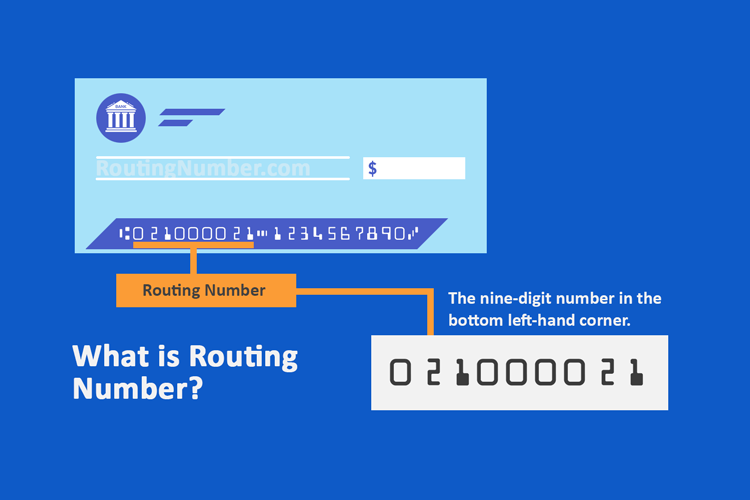
Perhaps the most common and traditional place to find your bank routing number is on your personal or business checks. Look at the bottom left-hand corner of a check. You’ll typically see three sets of numbers. From left to right, these numbers usually represent:
- Your bank’s routing number (nine digits)
- Your account number
- The check number
It’s crucial to differentiate between these three sets, as mixing them up can lead to transaction errors. Always double-check that you’re identifying the correct nine-digit sequence for the routing number. Bear in mind that some checks might have the routing number in the middle or on the right, but the standard layout places it on the left.
Via Your Online Banking Portal or Mobile App
In our increasingly digital world, online banking and mobile apps have become primary tools for managing finances. Most financial institutions provide easy access to your routing number within these platforms.
- Online Banking: After logging into your bank’s website, navigate to your account details. You’ll often find the routing number listed prominently on the account summary page, or under sections like “Account Information,” “Direct Deposit Information,” or “View Statements.” Some banks might even provide a dedicated section for “Routing & Account Numbers.”
- Mobile App: Similarly, your bank’s mobile application will typically display the routing number. Look for it under “Account Details,” “Statements,” or “More Information” within your selected account. The exact location can vary slightly between different banking apps, but it’s usually intuitive to find.
Using online portals or mobile apps is particularly convenient if you don’t have a physical checkbook on hand or need to quickly retrieve the information while on the go.
Consulting Your Bank Statements
Your monthly or quarterly bank statements are another reliable source for locating your routing number. Whether you receive paper statements by mail or access digital e-statements through your online banking portal, the routing number is almost always printed on them. Look near your account number, bank address, or other essential account information. For e-statements, you can often download them as a PDF and easily locate the number within the document. This method provides a clear, official record of your account details.
Direct Contact with Your Financial Institution
If all else fails, or if you prefer direct confirmation, you can always contact your bank or credit union directly.
- Customer Service: Call your bank’s customer service line. After verifying your identity (which they will do for security reasons), a representative can provide you with your account’s routing number. Have your account number ready to expedite the process.
- In-Person Visit: If you’re near a branch, a teller or customer service representative can assist you. This is also a good option if you have any complex questions regarding your account or need to confirm details for specific types of transactions.
It’s important to note that some banks may have different routing numbers for different types of transactions (e.g., wire transfers vs. ACH transfers) or for different regions. Always specify the purpose for which you need the routing number when speaking with a bank representative to ensure you receive the correct one.
Why Your Routing Number is Indispensable for Financial Operations

The routing number is far more than just a sequence of digits; it’s the gateway to a host of essential financial services that underpin modern personal and business finance. Its proper use ensures that money arrives at its intended destination securely and efficiently, facilitating a wide array of economic activities.
Enabling Direct Deposits and Automated Payments
For individuals, the most frequent use of a routing number is arguably for direct deposits. Whether it’s your salary, government benefits, or tax refunds, providing your routing number along with your account number ensures that funds are electronically transferred directly into your bank account. This eliminates the need for physical checks, reduces the risk of loss or theft, and provides immediate access to funds on payday. Similarly, automated bill payments – such as mortgage payments, utility bills, or credit card payments – often require your routing number to authorize the recurring transfer of funds from your account. This automation is a cornerstone of effective personal financial management, helping avoid late fees and manage cash flow.
Facilitating Wire Transfers and ACH Transactions
Beyond direct deposits, routing numbers are critical for more specialized money movements:
- ACH (Automated Clearing House) Transactions: These are electronic payments that include direct deposits, bill payments, and electronic checks. The ACH network is a batch-processing system that uses routing numbers to identify the origin and destination of funds. For businesses, ACH is vital for processing customer payments, managing payroll for employees, and settling transactions with vendors efficiently.
- Wire Transfers: For faster, often same-day, high-value transfers, wire transfers are used. While a routing number is required, banks often have specific routing numbers for wire transfers that may differ from their standard ACH routing number. This distinction is crucial to avoid delays or misdirection of funds, especially for international transactions where additional SWIFT/BIC codes may also be required.
Linking Financial Apps and Services
In the era of FinTech, numerous financial applications and services require your routing number to connect to your bank account. Budgeting apps, investment platforms, peer-to-peer payment services (like Venmo or Zelle), and online lending services often ask for your routing and account numbers to facilitate transfers to and from your bank. This interconnectivity allows for greater control and insight into your financial health, enabling users to consolidate financial data, automate savings, and manage investments seamlessly. Always ensure you are using reputable and secure platforms when sharing your banking information.
Distinguishing Your Financial Identifiers: Routing vs. Account Numbers
While both your routing number and account number are essential for financial transactions, they serve distinctly different purposes. Understanding this distinction is not merely academic; it is critical for preventing errors that can lead to significant financial inconvenience and potential loss.
The Unique Purpose of Each Number
- Routing Number (9 digits): As established, this number identifies your financial institution. It tells the banking system which bank or credit union to send the money to. Think of it as the address for your bank. A single bank branch or even an entire bank might share the same routing number for specific transaction types.
- Account Number (typically 10-12 digits, varies by bank): This number uniquely identifies your specific account within that financial institution. It tells the bank which individual account to deposit funds into or withdraw from. This is your personal mailbox within the bank’s address. Your account number is unique to you and distinct from everyone else’s.
Avoiding Costly Errors and Delays
Mistaking your routing number for your account number, or vice versa, is a common error that can lead to significant problems. If you provide an incorrect routing number, the funds might be sent to the wrong bank entirely, requiring a lengthy process to trace and recover the money. If the routing number is correct but the account number is wrong, the transaction may be rejected, or worse, the funds could inadvertently be deposited into another customer’s account, necessitating an equally complex retrieval process.
These errors can result in:
- Delayed Access to Funds: Paychecks or critical payments might not clear on time.
- Returned Payment Fees: For both you and the intended recipient.
- Increased Administrative Burden: Spending hours on the phone with customer service to resolve the issue.
- Potential Fraud: Though rare, incorrect information could, in extreme cases, expose your funds.
Always double-check both your routing and account numbers before initiating any transaction, particularly for large sums or recurring payments. Using a verified source, such as a physical check, your online banking portal, or a bank statement, helps ensure accuracy and prevent these costly mistakes.
Safeguarding Your Financial Information
In an age where digital transactions are prevalent, understanding where your routing number is located also necessitates a discussion on its security. While routing numbers are publicly available and less sensitive than account numbers, exercising caution is still a vital aspect of prudent financial management.
When to Share and When to Exercise Caution
Your routing number is generally considered “public information” in the sense that it identifies your bank, not your specific account. It’s often printed on publicly accessible documents like deposit slips. Therefore, sharing your routing number alone typically doesn’t pose a direct security risk for unauthorized withdrawals from your specific account, as an account number is also required.
However, when combined with your account number, name, and other personal identifiers, your routing number becomes part of the sensitive data that fraudsters can exploit. You will need to provide both your routing and account numbers for legitimate transactions such as:
- Setting up direct deposit with your employer.
- Configuring automated bill payments.
- Initiating wire transfers.
- Linking external financial applications.
Exercise caution when:
- You receive unsolicited requests for your routing and account numbers via email, text, or phone call. Always assume these are phishing attempts unless you can verify the sender independently.
- You are on unsecure websites or using public Wi-Fi to access your banking information.
- You are asked for your routing number alone for an unusual or suspicious reason. While a routing number identifies the bank, sharing too much information without understanding the purpose can contribute to a larger profile for potential identity theft.
Best Practices for Digital Security in Financial Transactions
To protect your financial integrity, adhere to these best practices:
- Use Secure Platforms: Only provide your routing and account numbers on secure, encrypted websites (look for “https://” in the URL and a padlock icon) or within your bank’s official mobile app.
- Verify Recipients: Before sending money or setting up payments, always verify the recipient’s identity and banking details through a trusted channel. If something feels off, it’s better to verify than to regret.
- Monitor Your Accounts: Regularly check your bank statements and online banking activity for any unauthorized transactions. Early detection is key to mitigating potential fraud.
- Strong Passwords and Two-Factor Authentication (2FA): Protect your online banking accounts with strong, unique passwords and enable 2FA wherever possible. This adds an extra layer of security.
- Be Aware of Phishing Scams: Banks will never ask for your full account number, routing number, or password via email or unsolicited text messages. Treat any such requests with extreme suspicion.
By understanding the nature of your routing number, knowing its various locations, and implementing robust security practices, you can confidently manage your finances, ensuring that your money moves efficiently and securely through the vast financial landscape. The routing number may be just nine digits, but its role in empowering your financial transactions is immeasurable.
aViewFromTheCave is a participant in the Amazon Services LLC Associates Program, an affiliate advertising program designed to provide a means for sites to earn advertising fees by advertising and linking to Amazon.com. Amazon, the Amazon logo, AmazonSupply, and the AmazonSupply logo are trademarks of Amazon.com, Inc. or its affiliates. As an Amazon Associate we earn affiliate commissions from qualifying purchases.