
South Dakota, a gem of the American Midwest, offers a captivating blend of iconic monuments, breathtaking natural landscapes, and a rich tapestry of history. From the monumental faces of Mount Rushmore to the rugged beauty of the Badlands, it’s a destination that promises unforgettable experiences. However, for the financially savvy traveler, navigating these attractions while adhering to a budget can be as rewarding as the journey itself. This guide delves into how to strategically plan your South Dakota adventure, ensuring you maximize every dollar spent and every memory made, transforming a simple trip into a financially intelligent investment in personal enrichment. We’ll explore budgeting strategies, uncover free and low-cost opportunities, and provide insights into optimizing your spending on must-see sites, all through the lens of personal finance and smart travel.
Strategic Budgeting for Your South Dakota Adventure
Embarking on a journey to South Dakota, like any significant travel plan, begins with a robust financial strategy. A well-defined budget isn’t just about limiting expenditure; it’s about allocating resources effectively to enhance your experience, minimize stress, and ensure you can fully immerse yourself in all the state has to offer without financial strain. For the discerning traveler, understanding the key cost centers and implementing smart financial tools can make all the difference between an ordinary trip and an extraordinary, value-driven adventure.
Estimating Core Travel Expenses
Before you even book a flight or plot a route, a realistic assessment of your core travel expenses is paramount. This includes transportation, accommodation, food, and activity costs. For South Dakota, transportation often involves driving, given the dispersed nature of its attractions. Factor in fuel costs, potential car rentals, and wear and tear if driving your own vehicle. Use online calculators to estimate gas prices for your planned mileage. Accommodation can range from luxury resorts in Rapid City to rustic campgrounds in Custer State Park; research average prices for your preferred style and location. Dining costs can fluctuate wildly based on your habits – budgeting for a mix of self-catering, casual eateries, and a few splurge meals can offer both savings and culinary enjoyment. Finally, create a preliminary list of must-see attractions and research their individual admission fees, considering any potential discounts for seniors, children, or students. Building a detailed spreadsheet or using a dedicated travel budgeting app can provide a transparent overview, allowing you to track anticipated versus actual spending throughout your trip.
Smart Spending on Accommodation and Dining
Accommodation and dining typically represent the largest variable expenses in any travel budget, but they also present the greatest opportunities for savvy savings. In South Dakota, consider alternatives to traditional hotels, such as vacation rentals (Airbnb, VRBO), which often come with kitchen facilities, allowing for significant savings on food by preparing some of your own meals. Camping, especially in state and national parks, offers an incredibly immersive and cost-effective lodging option, often providing direct access to natural beauty that hotels cannot match. When dining out, look for local specials, happy hours, or early bird deals. Packing snacks and drinks for daytime excursions can prevent impulse buys at tourist traps. Utilize local grocery stores for breakfast items, picnic lunches, and dinner ingredients, transforming your trip into a more self-sufficient and financially prudent experience. Furthermore, explore loyalty programs for hotel chains or travel credit cards that offer cash back or points on dining and accommodation, turning everyday spending into future travel rewards.
Unlocking Savings with Park Passes and Bundles
South Dakota is home to several magnificent national and state parks, each with its own entrance fee. For frequent park visitors or those planning an extensive itinerary, investing in a national park pass can yield substantial savings. The America the Beautiful Pass, for instance, provides access to all U.S. national parks and federal recreational lands for a full year, often paying for itself after just two or three visits. Similarly, South Dakota’s state parks offer annual permits that can be more economical than daily passes if you plan to visit multiple state parks or stay for an extended period. Beyond park passes, investigate bundled tickets for popular attractions or multi-day passes offered by local tourism boards. These packages sometimes provide discounts on admissions, tours, or even local transportation when purchased together. Always compare the cost of individual tickets against any bundled offers to ensure genuine savings, carefully considering whether you’ll utilize all components of a package. These strategic purchases are not just about saving money; they are about making an upfront investment that unlocks greater access and broader experiences during your visit.
Exploring Free and Low-Cost Natural Wonders
While iconic paid attractions draw crowds, some of South Dakota’s most profound and financially accessible experiences lie within its vast natural landscapes. The state’s commitment to preserving its wilderness means that many of its breathtaking vistas, unique geological formations, and diverse ecosystems can be enjoyed with minimal to no financial outlay. For the budget-conscious explorer, focusing on these free and low-cost natural wonders is a smart way to enrich your itinerary without depleting your travel fund, proving that unforgettable memories don’t always come with a hefty price tag.
Immersive Experiences in National Parks
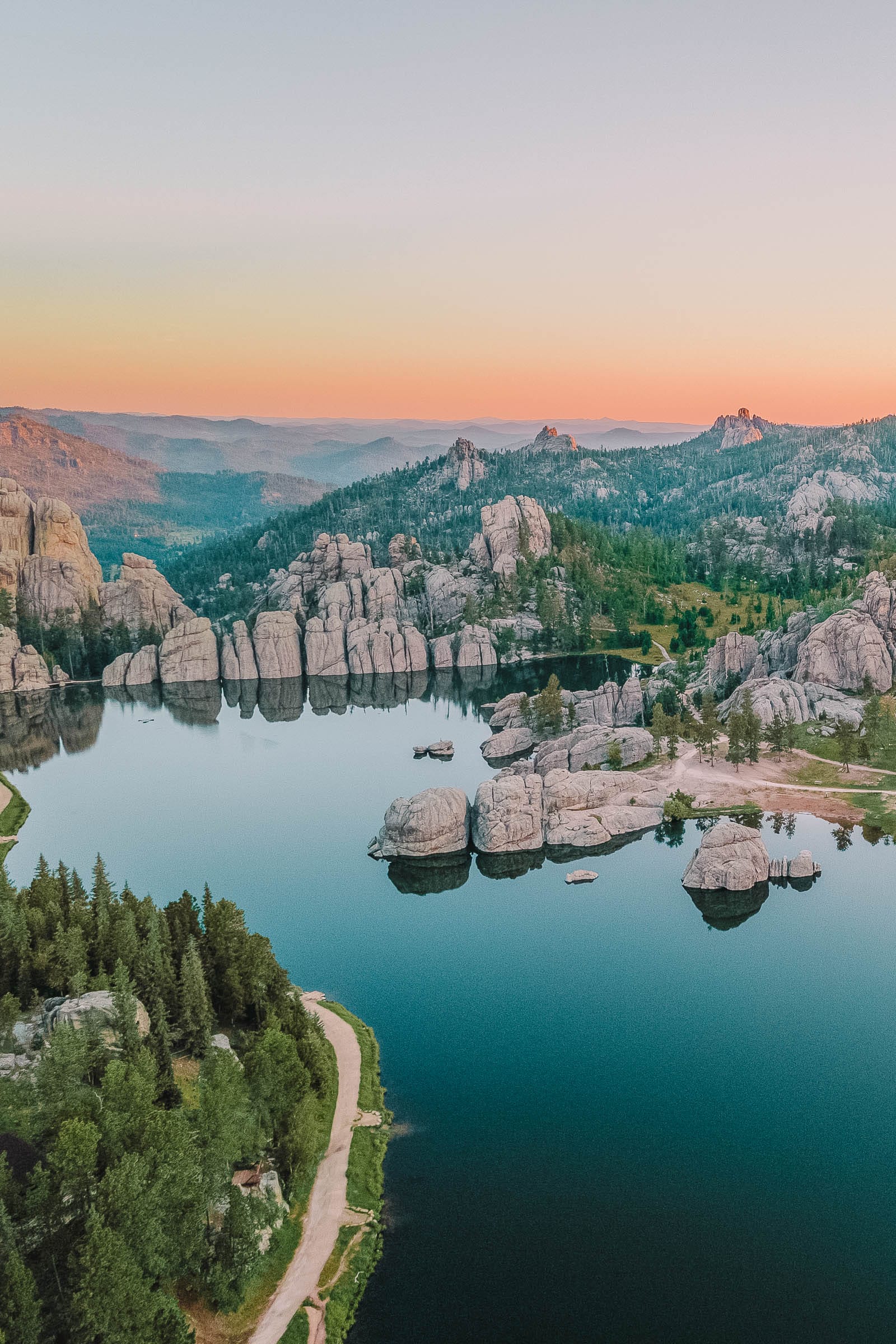
Even if you opt for daily passes instead of an annual park pass, the value proposition of South Dakota’s national parks is immense. Badlands National Park, for example, offers stunning geological formations, vast prairies, and abundant wildlife viewing opportunities that are accessible via scenic drives and numerous hiking trails. Many trails are free, requiring only the park entrance fee. Spending a day hiking the Notch Trail or exploring the Fossil Exhibit Trail provides an unparalleled immersive experience at a fraction of the cost of many indoor attractions. Similarly, Custer State Park, while a state park, often feels like a national treasure with its spectacular Needles Highway, wildlife loop, and hiking opportunities around Sylvan Lake. Its entrance fee is an investment in days of potential activities, including swimming, fishing, hiking, and wildlife spotting. By leveraging the comprehensive offerings within these parks, visitors can craft multi-day itineraries focused on outdoor exploration, yielding high experiential value for a comparatively modest financial outlay.
Scenic Drives and Public Lands: Nature’s Best Deals
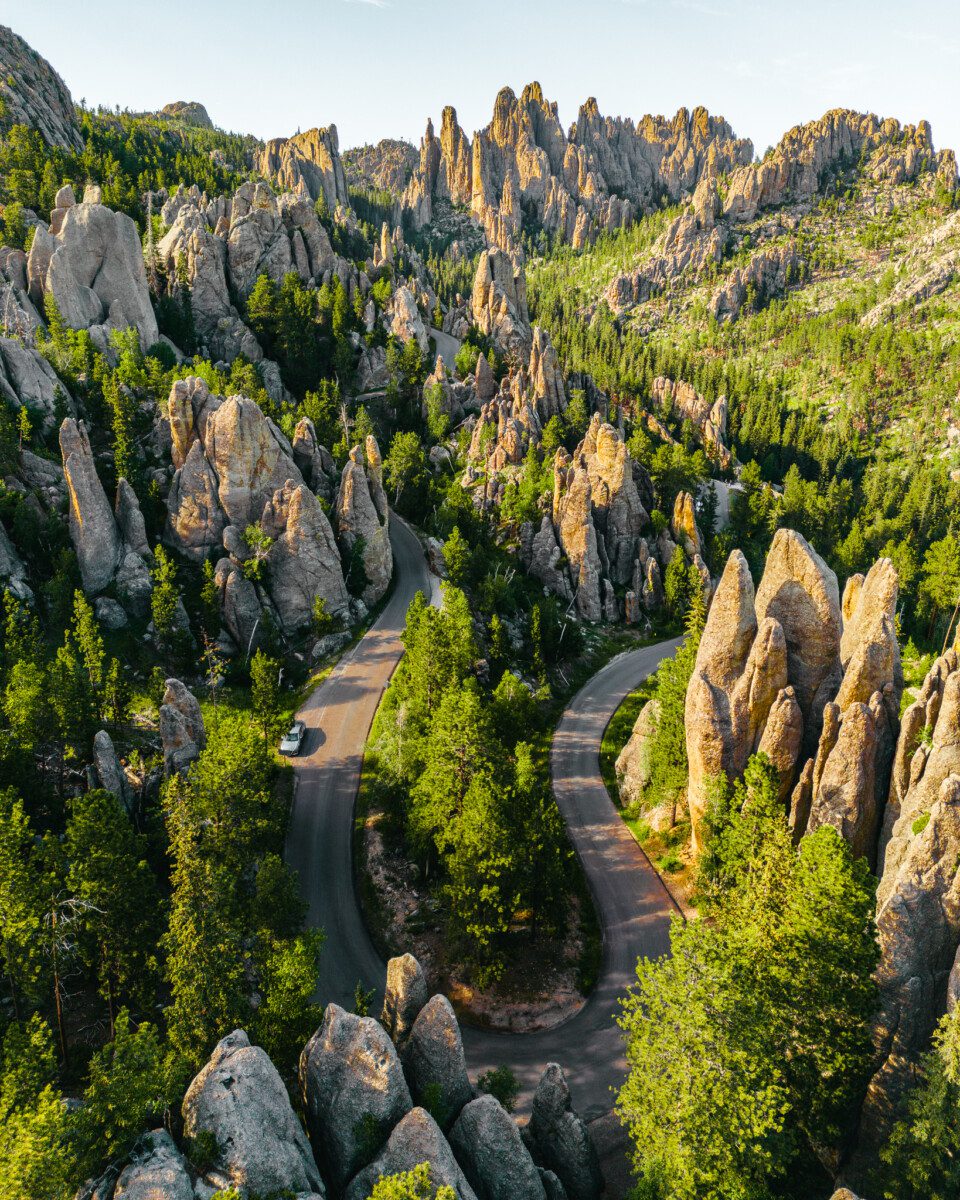
South Dakota is crisscrossed with scenic byways and features expansive tracts of public land, many of which offer spectacular views and recreational opportunities completely free of charge. The Peter Norbeck Scenic Byway, encompassing sections of Custer State Park and the Black Hills, offers breathtaking vistas and granite spires without requiring a specific activity fee beyond potential park entry. Driving this loop, with its tunnels and pigtail bridges, is an experience in itself. Similarly, exploring the numerous national forests, grasslands, and wildlife refuges across the state (e.g., Buffalo Gap National Grassland, Fort Pierre National Grassland) provides opportunities for hiking, bird watching, and photography. These areas often have minimal infrastructure, encouraging a self-guided adventure that taps into the true spirit of exploration. Pack a picnic, download offline maps, and embark on a road trip through these publicly accessible natural treasures. These drives and lands represent some of nature’s best deals, offering panoramic views and tranquility without the burden of admission costs, directly contributing to a financially sustainable travel plan.
Engaging with Local Culture Without Breaking the Bank

Beyond the grandeur of its natural landscapes, South Dakota’s local culture offers authentic experiences that can be incredibly budget-friendly. Many small towns host free community events, farmers’ markets, or art walks, especially during peak tourist season. Checking local tourism websites or community calendars beforehand can reveal a wealth of opportunities to engage with local life, taste regional produce, and perhaps even enjoy live music or performances without an admission fee. Visiting historic downtown areas, browsing local shops, or simply enjoying a stroll can provide insight into the state’s heritage. Many museums and historical sites offer specific free days or reduced admission times; research these possibilities in advance. Furthermore, some of the most profound cultural experiences come from simply interacting with locals, hearing their stories, and observing daily life – experiences that are inherently free and infinitely valuable. Participating in free ranger programs at national parks also provides educational and culturally relevant content that deepens understanding of the area at no additional cost beyond the park entrance.
Savvy Spending on Iconic Attractions
South Dakota’s appeal is undeniably anchored by its world-renowned attractions, most notably Mount Rushmore. While these sites are essential for a complete South Dakota experience, they often come with associated costs beyond simple admission. For the financially astute traveler, the goal isn’t to avoid these iconic landmarks, but to approach them with a strategic mindset, ensuring that the expenditure translates directly into maximum enjoyment and lasting value. By understanding the pricing structures, anticipating auxiliary costs, and leveraging smart planning, you can experience the grandeur of South Dakota’s most famous spots without overspending.
Navigating the Costs of Mount Rushmore and Historical Sites
Mount Rushmore National Memorial, a symbol of American ingenuity and perseverance, does not charge an entrance fee, which is a common misconception. However, there is a mandatory parking fee for all vehicles, which grants access to the memorial’s facilities for a full year. This fee, typically around $10-15 per vehicle, should be factored into your budget. To maximize this single payment, consider visiting Mount Rushmore at different times of the day (e.g., morning and evening for the lighting ceremony) within the same 24-hour period, or even returning on another day if your itinerary allows. For other historical sites, such as the Crazy Horse Memorial, which is privately funded, there is an admission fee per person or per vehicle. Research these fees in advance and look for any available discounts for AAA members, military personnel, or seniors. If you’re passionate about history, consider if a multi-site pass might be available from local tourism boards that bundle access to several historical attractions at a reduced rate. Prioritizing which historical sites align most with your interests and allocating your budget accordingly is key to savvy spending.
Practical Tips for Enjoying Unique Roadside Stops
South Dakota is renowned for its quirky and memorable roadside attractions, with Wall Drug Store perhaps being the most famous. While these stops often entice visitors with free water or 5-cent coffee, the true financial challenge lies in resisting the urge for impulse purchases within their extensive gift shops and retail spaces. Approach places like Wall Drug with a clear budget in mind for souvenirs or specific items. Set a spending limit before you enter, or challenge yourself to enjoy the experience without purchasing anything, focusing instead on the unique atmosphere and photo opportunities. Many other smaller, lesser-known roadside attractions across the state might offer a unique photo op or a quick stretch of the legs with no associated cost, providing a fun and frugal break during long drives. The key is to distinguish between genuine value-added experiences and clever marketing designed to encourage spending. Embrace the novelty, snap your pictures, and move on if it doesn’t align with your pre-defined financial goals for souvenirs and shopping.
Timing Your Visit for Off-Peak Value
The timing of your South Dakota visit can significantly impact your overall expenses. Peak tourist season, typically summer (June-August), sees higher prices for accommodation, car rentals, and sometimes even activities due to increased demand. Traveling during the shoulder seasons—late spring (May) or early fall (September-October)—can lead to considerable savings. During these periods, the weather is often still pleasant, crowds are thinner, and prices for hotels and other services tend to be lower. For example, visiting the Badlands in May or September allows for comfortable hiking temperatures without the intense summer heat and associated crowds, potentially leading to better deals on nearby lodging. Similarly, experiencing the Black Hills during fall foliage season offers spectacular views and a more relaxed atmosphere at a potentially reduced cost. If your schedule allows for flexibility, opting for off-peak travel dates is a powerful financial strategy that translates directly into more bang for your buck, allowing you to allocate savings towards richer experiences or simply enjoy a more comfortable travel pace.
Monetizing Your South Dakota Journey
For the truly enterprising individual, a trip to South Dakota isn’t just an expense; it can also be an opportunity for income generation or to significantly offset travel costs. In an increasingly connected world, and with the rise of the gig economy, the lines between leisure and work often blur. By thinking creatively and leveraging digital tools, it’s possible to transform aspects of your South Dakota adventure into a financially neutral or even profitable endeavor, aligning with the principles of online income and side hustles.
Seasonal Work and Local Opportunities
South Dakota’s robust tourism industry, particularly in the Black Hills region, creates a significant demand for seasonal workers. If you have an extended period to spend in the state, consider taking on temporary employment in hospitality, retail, or park services. Many campgrounds, hotels, and attractions hire seasonal staff for the summer months. Positions can range from front desk attendants and housekeepers to tour guides and retail associates. Not only does this provide a local income stream, but it often comes with benefits like discounted or free accommodation and direct access to local attractions. This approach transforms your “what to do” into “what to earn while you do,” making the entire South Dakota experience financially self-sustaining. Research opportunities well in advance, as popular positions fill quickly. This strategy is an excellent example of a temporary “side hustle” that fully integrates with your travel plans, offering a deeper connection to the local economy.
Content Creation and Digital Nomading in Scenic Settings
The stunning vistas of South Dakota, from the majestic Black Hills to the dramatic Badlands, provide an unparalleled backdrop for content creators. If you have a passion for photography, videography, blogging, or social media, your trip can serve as a prime opportunity to generate content that can be monetized. Travel blogs, YouTube channels, and Instagram accounts focused on unique destinations can earn income through advertising, sponsorships, affiliate marketing (e.g., recommending travel gear), or selling digital prints. Imagine capturing the sunrise over the Badlands or a bison herd roaming Custer State Park and turning those moments into engaging content for your audience. For digital nomads, South Dakota offers numerous small towns and even some remote areas with adequate internet access, allowing you to continue your remote work while experiencing the beauty of the state. This combines the “what to do” (exploring) with “how to earn” (remote work or content creation), transforming your travel expenses into a business write-off or even a profitable venture, provided you maintain a clear strategy and consistent output.
Leveraging Travel Rewards and Discounts
Beyond direct income, strategically utilizing financial tools like travel rewards credit cards can effectively monetize or significantly discount your South Dakota trip. By accumulating points through everyday spending, you can redeem them for free flights, hotel stays, or cash back to offset travel costs. Plan your credit card applications to coincide with sign-up bonuses that can quickly provide enough points for significant travel savings. Furthermore, actively seek out and utilize discounts offered by various organizations. Memberships to AAA, AARP, or specific affinity groups often come with travel benefits, including reductions on accommodation, car rentals, and even some attractions. Look into student or educator discounts if applicable. Many local businesses, especially outside the main tourist hubs, might offer loyalty programs or special deals for return visitors or those who engage with their social media. These are often overlooked but effective ways to reduce your cash outflow, essentially earning “discounts” that free up your budget for more experiences or simply greater peace of mind. Every dollar saved through smart reward redemptions and discount utilization is a dollar that doesn’t come out of your pocket, making your South Dakota adventure more financially accessible and sustainable.
aViewFromTheCave is a participant in the Amazon Services LLC Associates Program, an affiliate advertising program designed to provide a means for sites to earn advertising fees by advertising and linking to Amazon.com. Amazon, the Amazon logo, AmazonSupply, and the AmazonSupply logo are trademarks of Amazon.com, Inc. or its affiliates. As an Amazon Associate we earn affiliate commissions from qualifying purchases.