
The question “where is the Amazon store?” is more profound than a simple inquiry about physical location. It delves into the very essence of Amazon’s brand identity, its innovative retail strategy, and its pervasive influence across the global marketplace. For a brand that initially built its empire on the internet, the concept of a “store” has continuously evolved, challenging traditional retail definitions and setting new benchmarks for consumer engagement. Understanding “the Amazon store” requires a look beyond brick-and-mortar walls, embracing a complex ecosystem designed for ultimate convenience and ubiquitous presence.
Deconstructing the “Amazon Store” Concept
At its core, the “Amazon store” is a multifaceted entity, predominantly digital but increasingly physical. It represents a strategic, often experimental, approach to brand expansion and customer acquisition that redefines what a retail experience can be.
The Digital Empire: Amazon.com as the Primary “Store”
For decades, the definitive “Amazon store” has been its sprawling e-commerce website, Amazon.com. This digital storefront revolutionized retail, offering an unparalleled selection of products, competitive pricing, and logistical prowess that set a new standard for online shopping. The brand strategy here was clear: leverage technology to remove geographical barriers, provide infinite shelf space, and personalize the shopping journey through data analytics. Amazon’s corporate identity became synonymous with convenience, speed, and selection – a digital marketplace where almost anything could be found and delivered to one’s doorstep. The success of Amazon.com transformed consumer expectations, making 24/7 availability and personalized recommendations fundamental aspects of the modern shopping experience. This digital dominance is the bedrock of the Amazon brand, influencing how every subsequent retail venture is perceived and integrated.
Shifting Consumer Expectations and Retail Paradigms
However, as the retail landscape continued to evolve, so did consumer expectations. While the convenience of online shopping remained paramount, there was a growing desire for immediacy, sensory engagement, and the trust associated with physical interaction. This shift prompted a strategic re-evaluation of the “store” concept, even for a digital giant like Amazon. The brand recognized that to maintain its market leadership and address a broader spectrum of shopping preferences, it needed to adapt its identity beyond the purely virtual. This meant exploring how its core brand values – customer-centricity, innovation, and efficiency – could translate into tangible, physical spaces without diluting its digital strength. The move into physical retail was not about abandoning its online roots but rather about augmenting them, creating a more comprehensive brand ecosystem.
Amazon’s Strategic Forays into Physical Retail
Amazon’s venture into physical retail isn’t a haphazard scattering of stores but a calculated brand strategy aimed at experimenting with new retail formats, extending its reach, and integrating its digital and physical offerings. Each physical “store” serves a distinct purpose, contributing to a broader omnichannel brand identity.
Experiential Spaces: Amazon Books and 4-Star
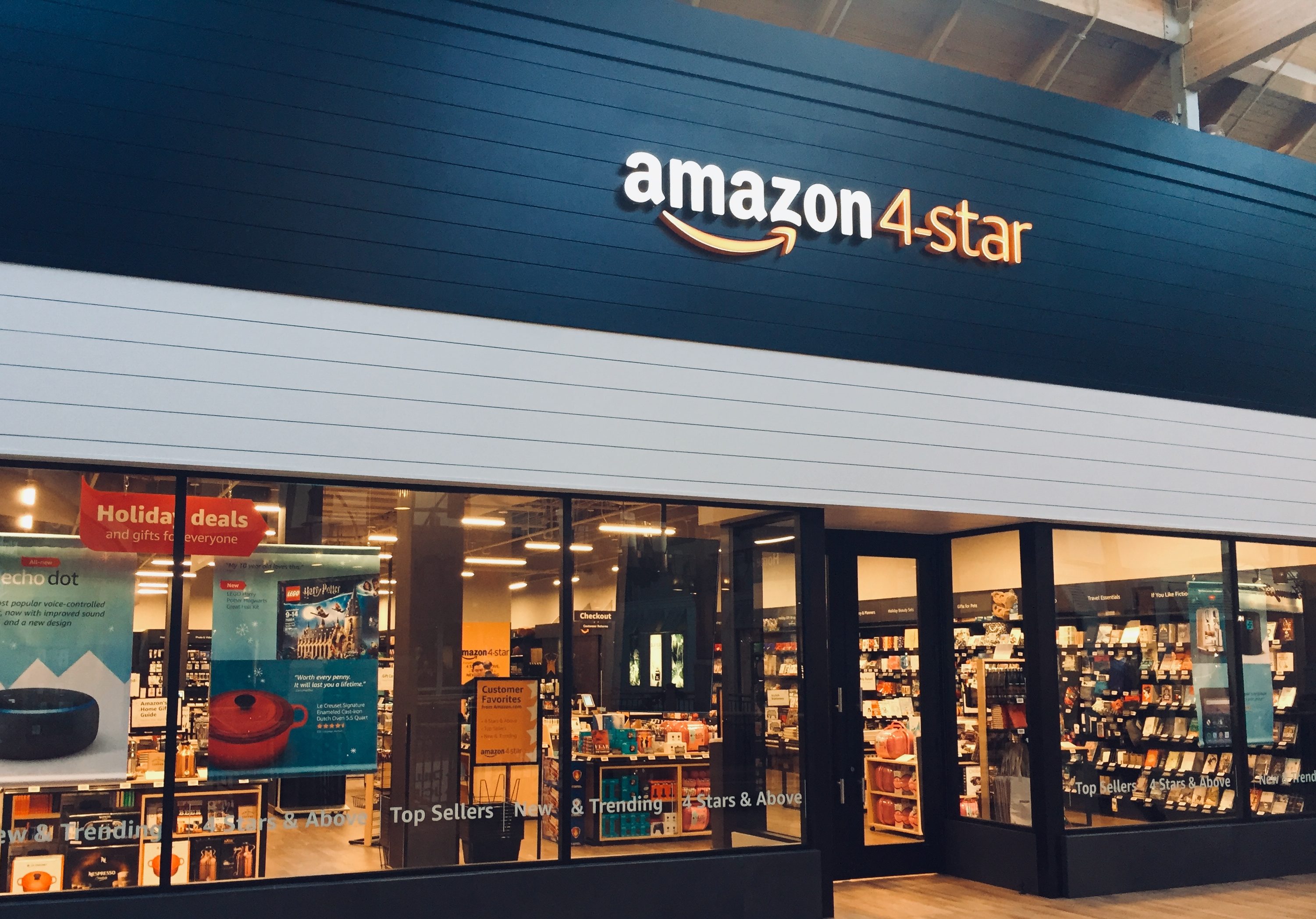
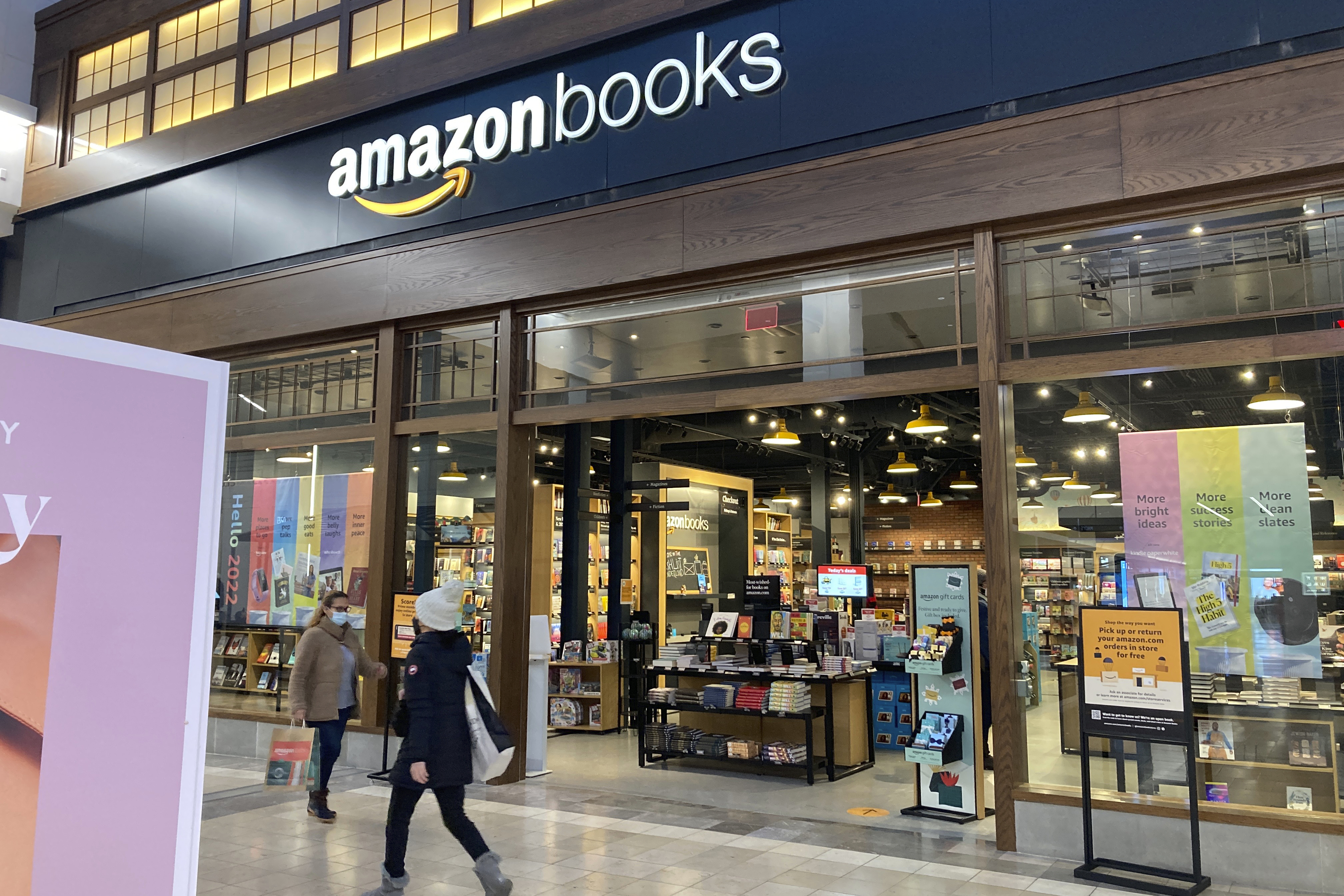
Early in its physical expansion, Amazon introduced concepts like Amazon Books and Amazon 4-Star. These stores were designed not merely as transaction points but as brand touchpoints, offering a curated, data-driven selection of products. Amazon Books, for instance, used online customer reviews, sales data, and Goodreads ratings to stock its shelves, bringing the digital discovery process into a physical environment. Similarly, Amazon 4-Star exclusively featured products rated four stars and above by customers, or that were top sellers, or trending on Amazon.com. The design of these stores emphasized exploration and discovery, inviting customers to engage with the brand in a more tactile and experiential way. This strategy served to reinforce Amazon’s reputation for quality and customer satisfaction, allowing the brand to showcase its products and data intelligence in an engaging physical format, thereby solidifying its corporate identity as a curator of popular and beloved items.
Convenience and Innovation: Amazon Go and Fresh Stores
Perhaps the most talked-about physical innovations are Amazon Go and Amazon Fresh stores. These concepts exemplify Amazon’s commitment to convenience and technological innovation within a retail setting. Amazon Go stores pioneered “Just Walk Out” technology, allowing customers to pick up items and leave without traditional checkout lines. This frictionless shopping experience is a direct extension of Amazon’s brand promise of efficiency and speed, leveraging cutting-edge AI and sensor technology to eliminate common retail pain points. Amazon Fresh stores combine elements of traditional supermarkets with this cashier-less technology, often featuring smart carts that track purchases. These ventures are critical components of Amazon’s marketing strategy, showcasing its ability to disrupt established industries and offer unparalleled convenience. They also serve as powerful case studies in how technology can redefine the customer journey, reinforcing Amazon’s image as a forward-thinking, customer-obsessed brand.
Broadening Reach: Whole Foods Market and Other Acquisitions
Beyond its proprietary physical stores, Amazon made a monumental move into traditional retail with the acquisition of Whole Foods Market in 2017. This strategic acquisition instantly gave Amazon a significant physical footprint in the grocery sector, a notoriously complex market to crack. The integration of Whole Foods under the Amazon umbrella was a masterclass in brand extension, allowing Amazon to leverage an established, respected brand in a new domain while simultaneously introducing its own brand benefits like Prime member discounts, delivery options, and even Amazon lockers within stores. This move broadened Amazon’s target demographic, extending its brand identity to include organic and high-quality food options. Furthermore, Amazon has continued to experiment with other physical formats, including Amazon Style for clothing and potentially larger general merchandise stores, demonstrating a continuous commitment to exploring and optimizing its omnichannel brand presence across diverse categories.
The Blended Retail Strategy: Unifying Online and Offline Experiences
The true genius behind Amazon’s diverse “store” presence lies in its blended retail strategy, where online and offline channels are not merely co-existing but are deeply integrated to create a seamless, unified brand experience. This integration is crucial for maintaining a coherent corporate identity and maximizing customer lifetime value.
Data-Driven Personalization Across Channels
A hallmark of Amazon’s brand strategy is its unparalleled use of data. This capability extends beyond its digital storefront into its physical operations. For example, purchasing patterns in Amazon Go or Fresh stores can inform product recommendations online, and vice versa. Prime membership acts as a critical bridge, offering benefits like exclusive discounts at Whole Foods, expedited shipping from online purchases, and integrated digital payment options in physical stores. This cross-channel data utilization allows Amazon to deliver hyper-personalized experiences, reinforcing its brand promise of understanding and anticipating customer needs. The goal is to make every interaction, whether digital or physical, feel customized and effortless, strengthening customer loyalty and brand perception.
Leveraging Brand Identity for Omnichannel Growth
Amazon’s powerful brand identity, built on trust, convenience, and innovation, is leveraged strategically across all its retail channels. The Amazon logo on a physical store, whether it’s an Amazon Books or an Amazon Fresh, immediately communicates a promise of efficiency and a certain standard of service. Similarly, the integration of physical purchases into a customer’s Amazon account online creates a unified purchasing history, making returns, reorders, and customer service seamless. This omnichannel approach ensures that regardless of how a customer chooses to interact with “the Amazon store,” they encounter a consistent brand experience. This consistency is vital for maintaining a strong corporate identity in an increasingly fragmented retail landscape and is a testament to sophisticated brand management.
The Future of “The Amazon Store”: An Integrated Ecosystem
Looking ahead, the “Amazon store” is likely to evolve into an even more deeply integrated ecosystem. Imagine a future where voice assistants like Alexa seamlessly connect online shopping lists with in-store availability, or where augmented reality tools enhance the physical shopping experience by providing instant product information and reviews. Amazon’s long-term vision is not about choosing between online or offline, but about creating a synergistic relationship where each channel enriches the other. This integrated approach will continue to strengthen Amazon’s brand dominance, making it an indispensable part of consumers’ lives, regardless of their preferred shopping method.
The Brand Impact of a Multi-faceted Retail Presence
Amazon’s strategic diversification into various “store” formats has profound implications for its brand, solidifying its market position and shaping the future of retail branding.
Reinforcing Brand Dominance and Market Penetration
By establishing a presence in both digital and physical realms, Amazon reinforces its dominant position in the retail sector. It captures a wider array of consumer preferences and shopping occasions, from the planned online purchase to the spontaneous in-store grab. This omnipresence makes the Amazon brand virtually unavoidable and deeply embedded in daily life, significantly increasing its market penetration. The continuous innovation in its physical stores also serves as a potent marketing tool, generating buzz and showcasing Amazon’s pioneering spirit, further enhancing its corporate identity as an industry leader.
Addressing Diverse Customer Segments
The varied “Amazon store” formats allow the brand to cater to diverse customer segments that may have different needs or preferences. Some customers might prefer the convenience of online delivery, while others might value the ability to touch and feel a product before purchase, or the immediacy of a quick grab-and-go meal. By offering multiple entry points to its brand, Amazon ensures that it can serve a broader audience, thereby expanding its customer base and strengthening its overall brand appeal. This strategic segmentation through retail formats is a key element of its comprehensive marketing strategy.
Shaping the Future of Retail Branding
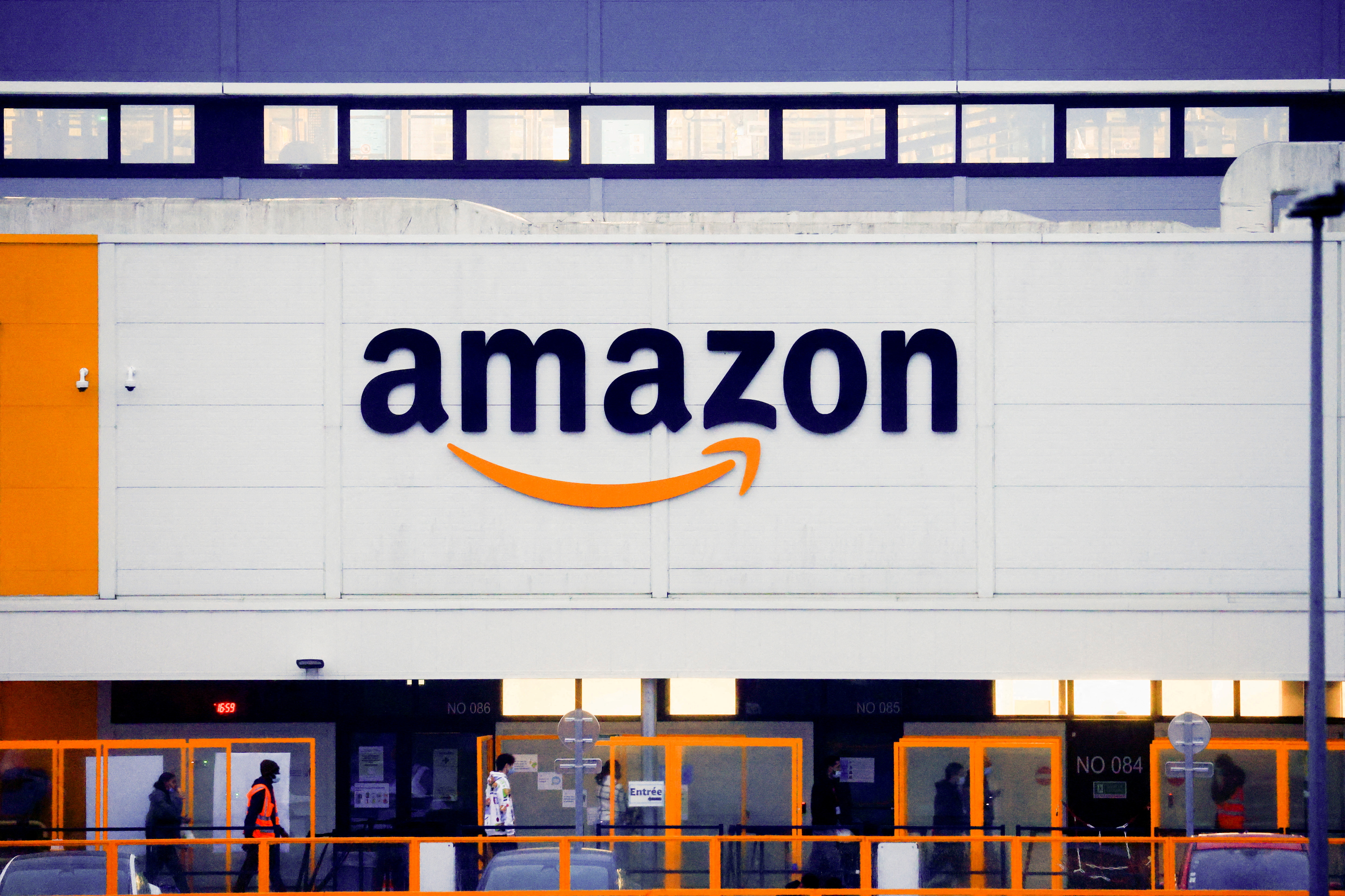
Ultimately, Amazon’s approach to “the store” is not just about its own growth; it’s about shaping the future of retail branding itself. The company continuously pushes the boundaries of what a brand can be in a retail context, demonstrating how technology, data, and customer-centric design can converge to create seamless, intuitive, and highly personalized shopping experiences. Its case studies in physical retail illustrate the power of integrating digital and physical assets, providing a blueprint for other brands seeking to navigate the complexities of the modern retail landscape. “The Amazon store” is not a fixed location or a single website; it is a dynamic, evolving brand experience that continues to redefine retail for the 21st century.
aViewFromTheCave is a participant in the Amazon Services LLC Associates Program, an affiliate advertising program designed to provide a means for sites to earn advertising fees by advertising and linking to Amazon.com. Amazon, the Amazon logo, AmazonSupply, and the AmazonSupply logo are trademarks of Amazon.com, Inc. or its affiliates. As an Amazon Associate we earn affiliate commissions from qualifying purchases.