
The question “where is Tesla HQ located?” might seem like a simple geographical inquiry, but for a brand as iconic, disruptive, and often controversial as Tesla, the answer is imbued with profound strategic, cultural, and corporate identity implications. It’s more than just an address; it’s a statement, a reflection of its evolving brand strategy, and a physical manifestation of its leadership’s vision. To understand Tesla’s headquarters is to understand a significant facet of its corporate identity and its trajectory as a global brand.
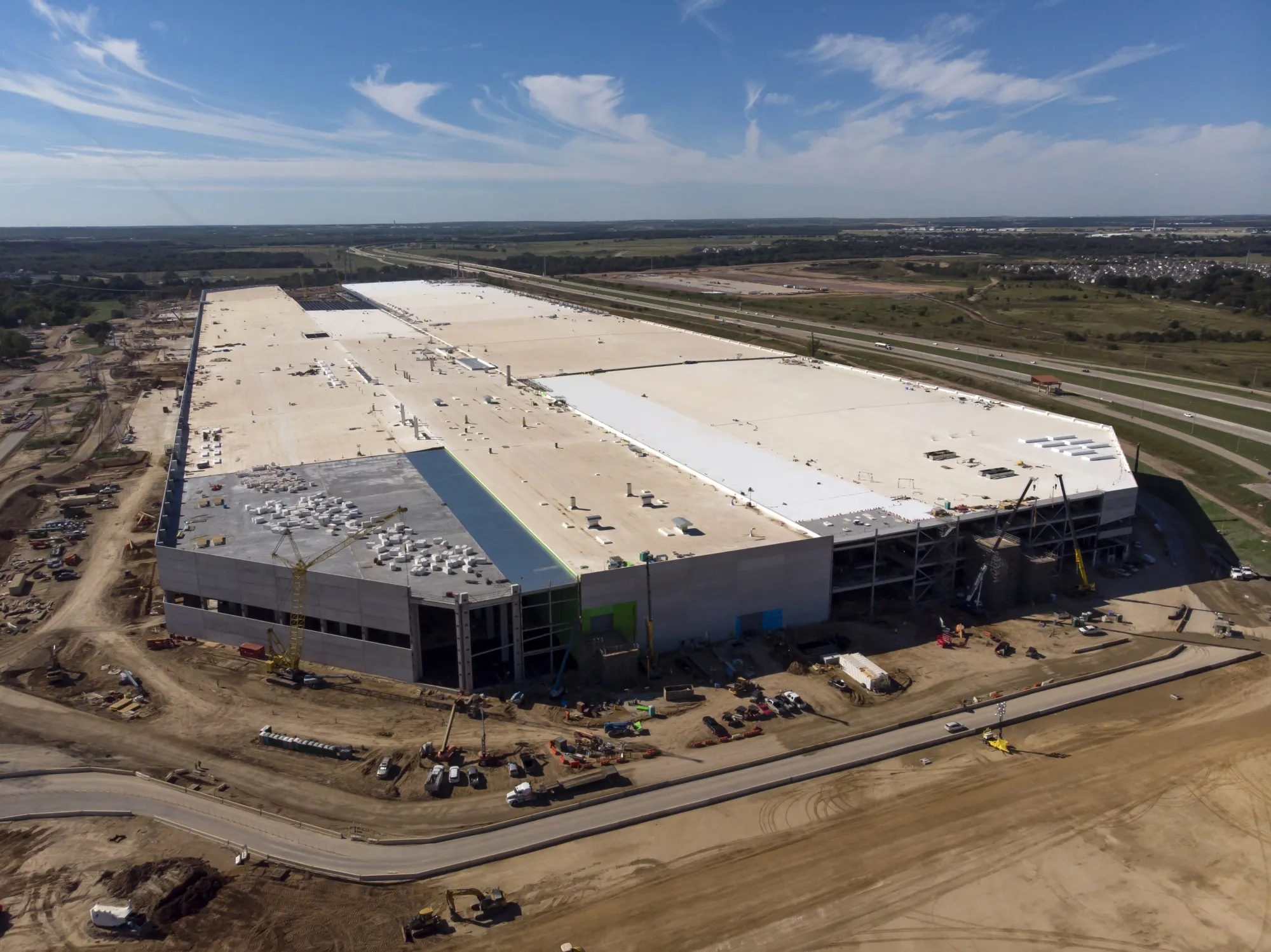
Tesla’s headquarters is officially located in Austin, Texas, at its Gigafactory Texas complex. This relocation from its long-standing home in Palo Alto, California, was a pivotal moment, signaling a deliberate shift in the company’s brand narrative, operational philosophy, and overall corporate identity. Far from being a mere logistical adjustment, this move underscores a complex interplay of brand strategy, market positioning, and a bold redefinition of what it means to be a leading-edge technology and manufacturing powerhouse.

From Silicon Valley Dreams to Lone Star Ambition: Tesla’s Headquarters Journey
Tesla’s journey regarding its corporate home tells a compelling story of growth, ambition, and strategic rebranding. The physical location of a company’s headquarters often contributes significantly to its corporate identity and brand perception, and Tesla’s evolution in this regard is a prime example.
The Current Hub: Giga Texas and Austin’s Appeal
Today, the heart of Tesla’s operations beats within the expansive Gigafactory Texas, situated just outside Austin. This isn’t merely an office building; it’s a colossal integrated manufacturing and engineering complex that embodies Tesla’s unique approach to scale and innovation. Moving the headquarters to Giga Texas, announced in late 2021, was a declarative statement. It repositioned Tesla’s core identity from a purely digital-age software company headquartered in the traditional tech enclave of Silicon Valley, to a full-fledged industrial and manufacturing titan.
Austin itself, while a burgeoning tech hub, offers a distinct brand association compared to California. It projects an image of frontier spirit, lower regulatory burdens, and a burgeoning ecosystem that balances technological ambition with a more grounded, manufacturing-centric ethos. For Tesla, planting its flag here means embracing a brand narrative that emphasizes raw production power, vertical integration, and a willingness to challenge established norms, even geographic ones. The Austin HQ is not just a place where executives meet; it’s where vehicles are designed, engineered, and manufactured at an unprecedented scale, making production prowess a central pillar of the Tesla brand identity. This integrated approach, where the corporate brain is deeply embedded within the industrial brawn, reinforces a brand image of efficiency, speed, and hands-on innovation.
Roots in the Golden State: A Legacy of Innovation
Before its relocation, Tesla’s headquarters was synonymous with Silicon Valley, nestled in Palo Alto, California. This location was instrumental in shaping Tesla’s initial brand identity as a pioneering tech startup. Being in Silicon Valley instantly conferred a certain prestige, aligning Tesla with an ecosystem renowned for innovation, disruption, and venture capital. It allowed the brand to tap into a rich talent pool of engineers and software developers, fostering an image of cutting-edge technology and future-forward thinking.
During its California tenure, Tesla cultivated a brand perception as the quintessential “tech company that makes cars,” rather than merely an “automaker.” This distinction was crucial for its early marketing and its ability to attract a specific segment of early adopters who valued technological sophistication over traditional automotive heritage. The Palo Alto address inherently communicated a brand story of intellectual leadership, audacious vision, and a commitment to reinventing industries through software and clean energy, traits deeply embedded in the Silicon Valley ethos. However, as Tesla rapidly scaled from a niche luxury EV maker to a mass-market player with global ambitions, the limitations and perceived constraints of California—such as high operating costs and regulatory environments—began to clash with its evolving brand strategy of massive industrial output and global dominance.
The Brand Statement of Relocation: Why Texas?
The decision to move a company’s headquarters is rarely simple, and for a brand with Tesla’s visibility, it’s a strategic move laden with symbolic meaning. The shift to Texas was a deliberate and calculated brand statement, reflecting a desire to cultivate a new corporate identity and align with a different set of strategic priorities.
Embracing a New Corporate Identity: Beyond Tech Hub Stereotypes
Moving to Austin represented a clear effort to evolve Tesla’s corporate identity. While still a technology company at its core, the relocation signaled a distancing from the perceived constraints and image of Silicon Valley. Elon Musk, Tesla’s CEO, often expressed frustration with California’s regulatory environment and high cost of living. By moving to Texas, Tesla aimed to shed the “niche tech startup” image and embrace a more expansive identity as a broad industrial and energy conglomerate. This move speaks to a brand strategy focused on challenging conventional norms, not just in product innovation, but in corporate operational philosophy.
The Texas identity, often associated with vastness, opportunity, and a business-friendly environment, allows Tesla to project an image of unfettered growth and expansive ambition. It enables the brand to be seen less as a product of a singular tech ecosystem and more as a global force unbound by regional stereotypes. This new identity supports Tesla’s narrative of becoming a multi-faceted entity that not only innovates in EVs and AI but also dominates in energy storage and industrial manufacturing, positioning itself as a leader in reshaping global infrastructure.
Operational Efficiency and Scalability as a Brand Pillar
One of the most compelling reasons for the move, articulated repeatedly by Tesla’s leadership, was the pursuit of greater operational efficiency and scalability. In the “Brand” context, demonstrating operational prowess and the ability to scale rapidly becomes a crucial brand pillar. Tesla’s brand is built on disruption and exponential growth, and an HQ that facilitates these objectives reinforces its core promise. Texas offered significant advantages in terms of land availability for massive factory complexes like Giga Texas, a lower cost of doing business, and a more streamlined regulatory process compared to California.
By making such a bold move, Tesla actively integrated these operational benefits into its brand narrative. It communicated to investors, customers, and competitors that it prioritizes efficiency, speed of execution, and the capability to build at an unprecedented scale. This is not just about internal operations; it’s a public demonstration that Tesla is serious about becoming the world’s largest and most efficient manufacturer, leveraging its technological edge with robust industrial processes. The HQ location, therefore, became a marketing tool, signaling a commitment to a manufacturing-centric brand that can deliver on its ambitious promises of high-volume production.
Aligning with a Visionary CEO’s Personal Brand
It’s impossible to discuss Tesla’s corporate identity without acknowledging the intertwined personal brand of its CEO, Elon Musk. Musk’s often rebellious, anti-establishment persona and his outspoken views have profoundly shaped Tesla’s brand. His personal frustrations with California’s policies, his preference for a more hands-on, factory-centric approach to management, and his desire for greater autonomy aligned perfectly with the move to Texas.
The relocation to Austin can be seen as a powerful reflection and reinforcement of Musk’s own brand. It showcases his willingness to challenge norms, relocate to environments he believes are more conducive to innovation and growth, and make bold, decisive moves that often defy conventional corporate wisdom. This synergy between the CEO’s personal brand and the company’s corporate identity strengthens Tesla’s narrative as a visionary, frontier-pushing enterprise led by a dynamic figure. For many, Musk is Tesla, and the HQ move further solidified this perception, reinforcing a brand image that is audacious, future-focused, and unafraid to break away from tradition.

Reshaping Tesla’s Corporate Identity and Brand Narrative
The relocation of Tesla’s headquarters from California to Texas has profoundly reshaped its corporate identity and brand narrative, influencing how it is perceived by various stakeholders, from consumers and investors to employees and competitors. This strategic shift has allowed Tesla to tell a new story about itself, one that emphasizes different strengths and values.
The “Made in America” Story Amplified
By anchoring its headquarters and a massive manufacturing facility in the heart of Texas, Tesla has significantly amplified its “Made in America” narrative. While Tesla vehicles have always had substantial American production, the move to a state known for its strong industrial base and American identity lends more weight to this aspect of its brand. This isn’t just about patriotism; it’s a strategic move to appeal to a broader demographic, particularly within the crucial North American market, who value domestic manufacturing and job creation.
This amplified “Made in America” story strengthens Tesla’s brand positioning against international competitors and allows it to tap into a sense of national pride. It portrays Tesla not just as a global innovator, but as a significant contributor to the American economy, fostering a brand identity that resonates with themes of job growth, industrial prowess, and national technological leadership. This narrative is crucial for a brand that aims for mass market adoption and seeks to challenge traditional automotive giants by demonstrating its commitment to the domestic economic landscape.
Shifting Perceptions: From Niche Innovator to Industrial Powerhouse
Tesla’s original brand identity was that of a disruptive niche innovator, a Silicon Valley darling pushing the boundaries of electric vehicles and sustainable energy. Its California HQ underscored this image. The move to Texas, however, signaled a decisive shift towards establishing itself as an industrial powerhouse, a high-volume manufacturer capable of enormous scale. The Gigafactory Texas complex, where the HQ is now located, is a testament to this ambition, merging corporate operations with massive production lines.
This shift in perception is critical for Tesla’s long-term brand strategy. To achieve its mission of accelerating the world’s transition to sustainable energy, Tesla cannot remain a niche player. It must be a global manufacturing leader. The Texas HQ helps to cement this image, portraying Tesla as a brand capable of not just technological breakthroughs, but also monumental industrial execution. This dual identity—innovator and manufacturer—is a powerful combination, positioning Tesla as a brand that can dream big and build bigger, challenging traditional automakers on their own turf while maintaining its technological edge.
Navigating Stakeholder Perceptions and Public Relations
Relocating an HQ is a significant public relations event that can elicit varied reactions from stakeholders. For Tesla, this meant navigating perceptions among its loyal customer base, employees (many of whom remained in California), investors, and the broader public. The brand narrative around the move had to be carefully managed to emphasize strategic advantages without alienating key groups.
For investors, the move reinforced a perception of aggressive growth, cost-efficiency, and a long-term vision for scalability. For employees, particularly those who relocated, it might have represented new opportunities and a fresh start, aligning with a brand that values adaptability. For those who stayed in California, it required careful communication about continued operations and talent acquisition. On a broader scale, the move became a case study in corporate agility and a bold statement about where Tesla believes the future of American industry lies. Managing these diverse perceptions, and weaving them into a coherent brand narrative of progress and strategic evolution, was a key challenge for Tesla’s public relations efforts, further cementing its image as a dynamic and ever-evolving brand.
The HQ as a Testament to Tesla’s Evolving Brand Strategy
The current location of Tesla’s headquarters is far more than a physical address; it’s a living, breathing testament to the brand’s evolving strategy, its commitment to a unique operational model, and its global aspirations. The HQ in Austin isn’t just where decisions are made; it’s where the future of the brand is built, literally and figuratively.
The Giga Factory Model: HQ as a Production and Innovation Hub
One of the most distinctive aspects of Tesla’s brand strategy is its “Gigafactory” model, where research, design, engineering, and manufacturing are vertically integrated under one roof. Placing the global headquarters directly within Gigafactory Texas elevates this model, making the HQ itself a powerful symbol of Tesla’s brand. This arrangement communicates a brand identity that values efficiency, speed, and a hands-on approach to innovation. It blurs the lines between corporate strategy and industrial execution, showcasing a brand that is deeply immersed in the product lifecycle from conception to delivery.
The HQ as a “production and innovation hub” reinforces Tesla’s brand promise of rapid iteration and continuous improvement. It suggests that decision-makers are intimately connected with the manufacturing process, fostering a culture where challenges are directly observed and solutions are quickly implemented. This integrated model is a core differentiator for Tesla, distinguishing its brand from traditional automakers where corporate offices are often far removed from the factory floor. It underscores Tesla’s commitment to being both a technology leader and a manufacturing behemoth, a critical aspect of its brand appeal.
Reinforcing Tesla’s Challenger Brand Persona
Despite its immense success and market capitalization, Tesla continues to cultivate a “challenger brand” persona. This identity is characterized by a willingness to defy conventions, disrupt established industries, and challenge traditional ways of thinking. The HQ relocation is a prime example of this persona in action. Moving away from the conventional tech capital to a state like Texas, and integrating the headquarters into a vast factory, is a bold, unconventional move that reinforces Tesla’s brand as a maverick.
This challenger brand identity resonates deeply with consumers who seek innovation and are drawn to companies that are unafraid to push boundaries. It allows Tesla to maintain an aura of rebellious ingenuity, even as it grows into a global giant. The Austin HQ is not just a strategic decision; it’s a branding exercise that continually reaffirms Tesla’s commitment to an unconventional path, reinforcing its image as a dynamic disruptor rather than a complacent incumbent. This keeps the brand fresh, exciting, and perpetually on the cutting edge.
Global Brand Implications and Decentralization
While the Austin HQ serves as the official nerve center, Tesla’s brand strategy also subtly embraces a form of global decentralization, particularly with its growing network of Gigafactories worldwide (Shanghai, Berlin, Nevada, etc.). Each Gigafactory serves as a regional hub of manufacturing, innovation, and, to some extent, localized brand engagement. While Austin is the primary HQ, the existence and expansion of these global sites contribute to a brand narrative of pervasive influence and localized presence.
This multi-faceted approach demonstrates a brand that is global in its ambitions but adaptable in its execution. The Austin HQ is the anchor, symbolizing the core vision and corporate identity, while the global factories represent the brand’s expansive reach and ability to tailor its operations to diverse markets. This strategy allows Tesla to project a powerful image of a unified global brand with a consistent message, while simultaneously benefiting from regional efficiencies and market-specific branding opportunities, ensuring its continued growth and relevance on an international scale.
In conclusion, “where is Tesla HQ located?” reveals far more than just a pin on a map. It uncovers a rich tapestry of strategic decisions, corporate identity shifts, and a meticulously crafted brand narrative. From its Silicon Valley origins to its Texas powerhouse, Tesla’s headquarters journey is a compelling case study in how a physical location can be a powerful tool for shaping brand perception, reinforcing corporate values, and articulating a vision for the future of an industry. The Austin HQ is not merely an administrative center; it is a monument to Tesla’s ambition, its unconventional approach, and its relentless pursuit of a future defined by sustainable innovation and industrial might.
aViewFromTheCave is a participant in the Amazon Services LLC Associates Program, an affiliate advertising program designed to provide a means for sites to earn advertising fees by advertising and linking to Amazon.com. Amazon, the Amazon logo, AmazonSupply, and the AmazonSupply logo are trademarks of Amazon.com, Inc. or its affiliates. As an Amazon Associate we earn affiliate commissions from qualifying purchases.