
In the landscape of modern technology, few components hold as much influence as the Graphics Processing Unit, or GPU. While the Central Processing Unit (CPU) is often referred to as the “brain” of a computer, the GPU has evolved into its high-speed engine, capable of handling complex mathematical calculations with unparalleled efficiency. At the forefront of this hardware revolution stands Nvidia, a company that has redefined what a GPU can do. To understand what a Nvidia GPU is, one must look beyond the confines of video games and explore how these chips have become the foundational infrastructure for artificial intelligence, scientific research, and professional visualization.
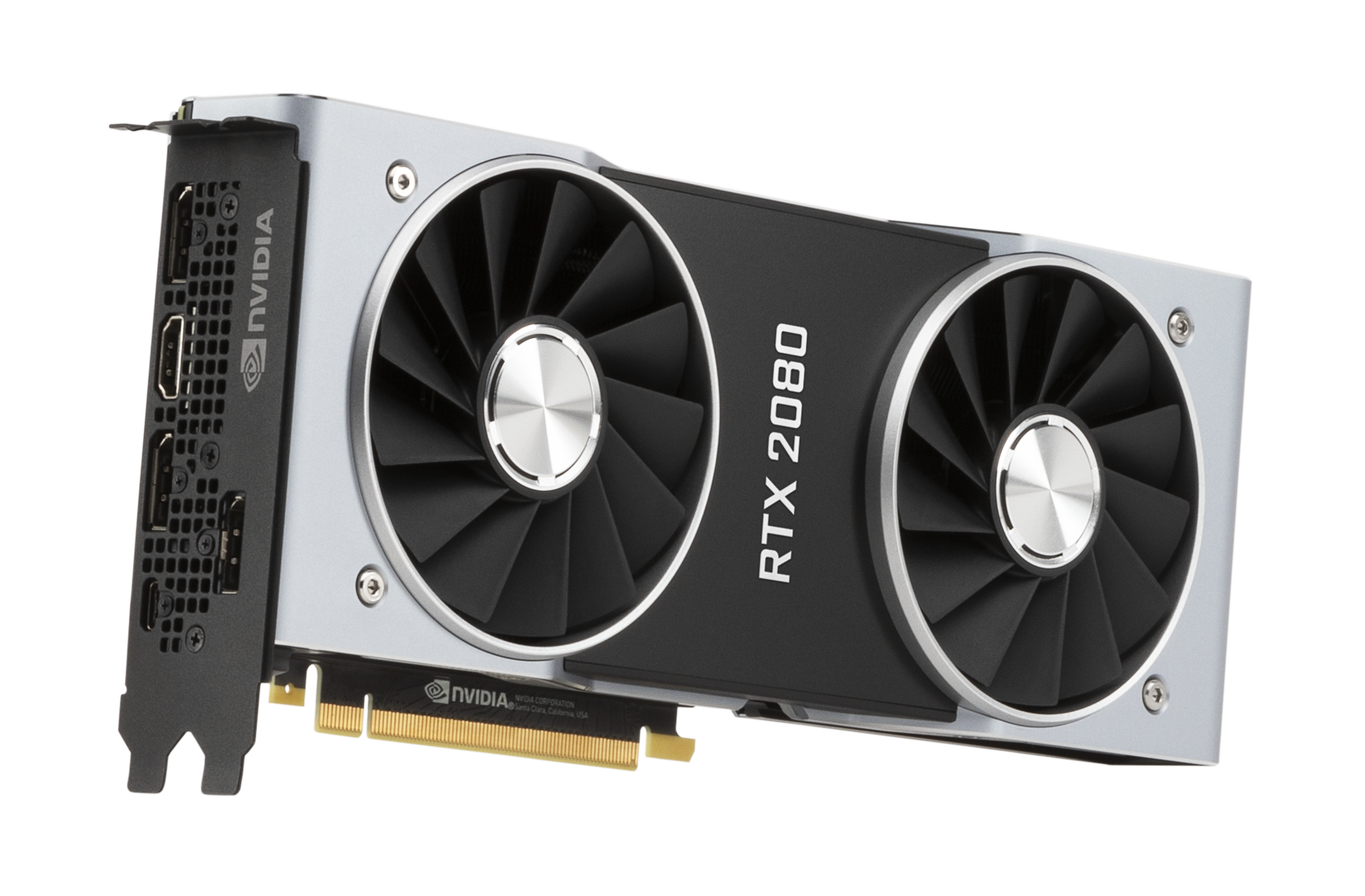
Understanding the Architecture: More Than Just Graphics
At its most basic level, a Nvidia GPU is a specialized electronic circuit designed to rapidly manipulate and alter memory to accelerate the creation of images in a frame buffer intended for output to a display. However, the modern definition has expanded significantly. Unlike a CPU, which is designed for general-purpose computing and excels at serial processing (handling one task at a time very quickly), a Nvidia GPU is built for parallel processing.
The Core Difference: CPU vs. GPU
To visualize the difference, imagine a CPU as a high-speed racing car. It is incredibly fast and can navigate complex turns, but it can only carry a few passengers. A GPU, by contrast, is like a massive fleet of thousands of smaller, specialized vehicles. While an individual vehicle might not be as fast as the racing car, the fleet can move thousands of people across a city simultaneously. This architectural choice makes GPUs exceptionally good at tasks that can be broken down into thousands of smaller, identical tasks—such as calculating the color of every pixel on a high-definition screen sixty times per second.
CUDA Cores and Parallel Processing
The secret to Nvidia’s dominance lies in its proprietary “CUDA” (Compute Unified Device Architecture) platform. Nvidia GPUs are packed with thousands of “CUDA Cores.” These cores are the hardware units that perform the actual calculations. By creating a software layer that allows developers to use these cores for more than just graphics, Nvidia transformed the GPU into a “General-Purpose GPU” (GPGPU). This breakthrough allowed programmers to harness the massive parallel power of the hardware for scientific simulations, data analysis, and, eventually, the training of neural networks.
The Evolution of Nvidia GPU Series
Nvidia’s product lineup is categorized to serve different segments of the market, from casual gamers to data center architects. Understanding these categories is essential to grasping the scope of their technology.
The GeForce Era and Gaming Dominance
For most consumers, Nvidia is synonymous with “GeForce.” This is the brand’s primary consumer line, designed for gaming and everyday high-performance tasks. Over the decades, GeForce cards have pushed the boundaries of visual fidelity. The introduction of the “RTX” (Ray Tracing Texel eXtreme) series marked a paradigm shift. Unlike the previous “GTX” series, RTX cards feature dedicated hardware for “Ray Tracing”—a rendering technique that simulates the physical behavior of light. This allows for realistic reflections, shadows, and lighting that were previously impossible to achieve in real-time.
RTX and the Ray Tracing Revolution
Beyond ray tracing, the RTX series introduced “Tensor Cores.” These are specialized cores designed specifically for deep learning and artificial intelligence. One of the most significant applications of this technology is DLSS (Deep Learning Super Sampling). DLSS uses AI to upscale lower-resolution images in real-time, allowing gamers to experience high-quality visuals without the massive performance hit traditionally associated with high resolutions. It is a prime example of how Nvidia uses AI to solve hardware limitations.
Enterprise Solutions: RTX Workstations and Data Center GPUs
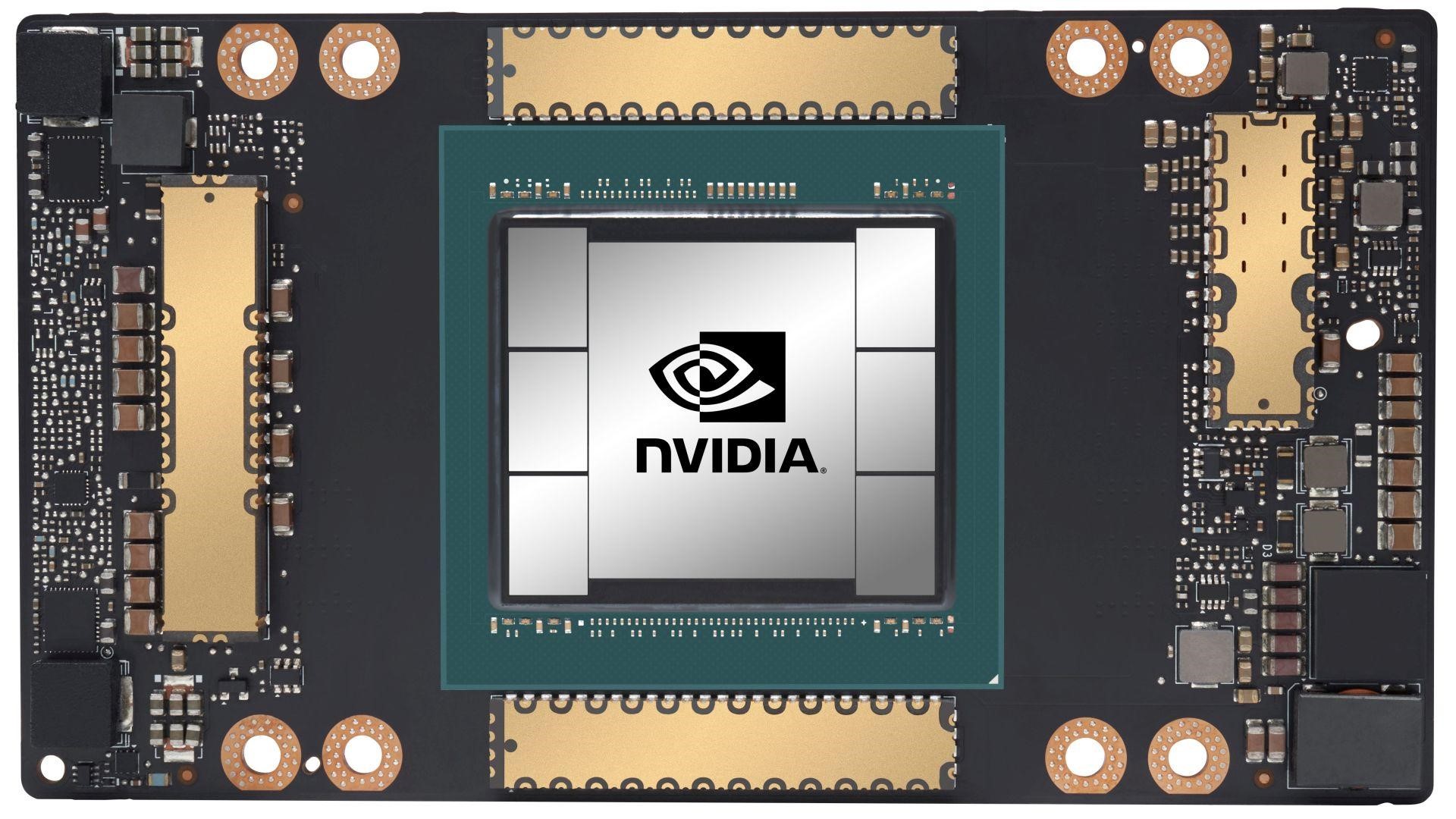
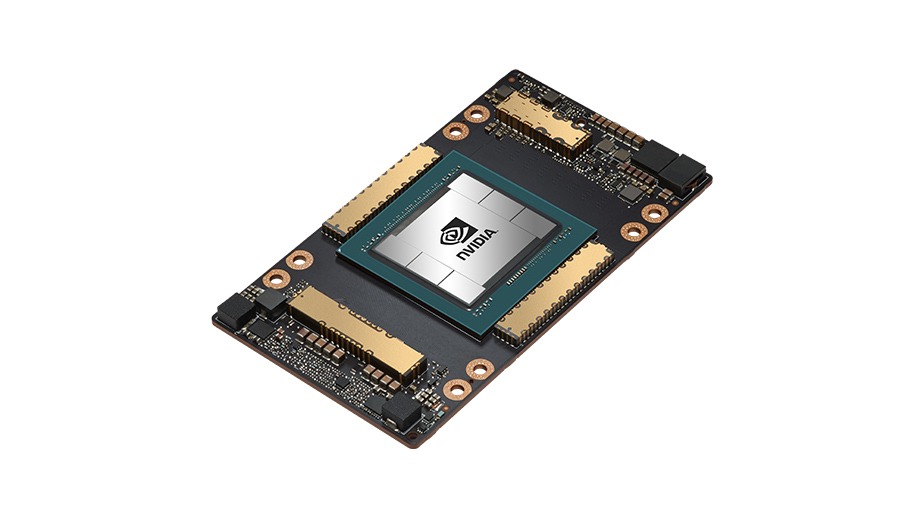
While GeForce is for consumers, Nvidia’s enterprise lines—formerly branded as Quadro and Tesla—target professionals. The current professional RTX workstation GPUs are designed for engineers, architects, and 3D animators who require massive amounts of Video RAM (VRAM) and certified drivers for stability in software like AutoCAD or Maya. At the highest level, Nvidia produces data center GPUs like the H100 and A100. These are not meant for displays at all; they are pure computational powerhouses designed to live in server racks, powering the world’s most advanced supercomputers.
The Rise of AI and the Data Center Revolution
Perhaps the most transformative aspect of Nvidia GPUs in the last decade is their role in the artificial intelligence explosion. When researchers discovered that the parallel architecture of GPUs was perfect for training “Deep Learning” models, Nvidia leaned heavily into this niche, effectively pivoting from a graphics company to an AI company.
Accelerating Machine Learning and Deep Learning
Machine learning involves feeding a computer vast amounts of data and allowing it to find patterns. This process requires billions of matrix multiplications—the exact type of math that GPUs were designed to handle for 3D rendering. A task that might take a CPU weeks to finish can often be completed by a Nvidia GPU in a matter of hours. This efficiency made the development of modern AI economically and technically viable.
Tensor Cores: The Secret Sauce of AI
Starting with the “Volta” architecture, Nvidia introduced dedicated Tensor Cores. These are hardware accelerators designed specifically for the “tensor” math used in deep learning. By including dedicated silicon for AI, Nvidia ensured that their GPUs remained the industry standard for research. Today, almost every major AI model, from image generators like Midjourney to large language models, is trained on clusters of Nvidia GPUs.
The Impact on Generative AI and Large Language Models
The current wave of generative AI, including platforms like ChatGPT, owes its existence to Nvidia’s hardware. The massive scale of these models requires thousands of GPUs working in tandem. Nvidia’s “NVLink” technology allows multiple GPUs to communicate with each other at incredible speeds, essentially acting as one giant, unified processor. This scalability is why Nvidia currently holds the lion’s share of the AI hardware market.
Applications Beyond the Screen
The versatility of Nvidia’s architecture means that these GPUs are being used in fields that have nothing to do with traditional “graphics.”
Scientific Simulation and Research
In the world of science, Nvidia GPUs are used to simulate everything from climate change models to the folding of proteins in drug discovery. By running these simulations on GPUs, researchers can iterate much faster, leading to breakthroughs in medicine and environmental science. The parallel nature of the GPU allows for the simulation of millions of individual particles or variables simultaneously, providing a level of detail that was previously unreachable.
Cryptocurrency Mining and Blockchain
For several years, Nvidia GPUs were the primary tools used for mining cryptocurrencies like Ethereum. The “hashing” algorithms used to secure blockchains are essentially repetitive mathematical puzzles—exactly what CUDA cores excel at. While the shift in how many cryptocurrencies are validated has reduced this demand, the era highlighted the GPU’s role as a versatile “computation-for-hire” tool.
Professional Content Creation and 3D Rendering
In Hollywood and the world of high-end advertising, Nvidia GPUs have largely replaced traditional “render farms.” Using software like OctaneRender or Redshift, artists can see near-instant previews of their 3D scenes. This “real-time” feedback loop has revolutionized the creative process, allowing for more experimentation and higher-quality visual effects in movies and television.
Choosing the Right Nvidia GPU for Your Needs
Given the breadth of Nvidia’s offerings, selecting the right GPU requires an understanding of one’s specific workload. The “tiers” of Nvidia products are usually defined by their model numbers (e.g., RTX 4060, 4070, 4080, 4090).
Balancing Performance, Power, and Price
For a casual user or 1080p gamer, an entry-level “60-class” card provides a balance of price and performance. However, for professionals working in 4K video editing or 3D design, the “90-class” cards are often necessary due to their high VRAM capacity. VRAM is essentially the “short-term memory” of the GPU; the more of it you have, the larger and more complex the datasets or textures the GPU can handle at once.
Furthermore, the “Architecture” name (such as Ampere or Ada Lovelace) indicates the generation of the technology. Each new generation typically brings significant improvements in power efficiency and AI capabilities. For those looking to the future, the integration of AI-driven features like DLSS 3 Frame Generation has become a major selling point, as it allows older or mid-range hardware to punch far above its weight class by using AI to “guess” and insert extra frames into a video stream.
A Nvidia GPU is no longer just a component for playing games. It is a versatile, highly sophisticated computational engine that sits at the intersection of entertainment, creativity, and the future of artificial intelligence. By mastering the art of parallel processing and building a robust software ecosystem around their hardware, Nvidia has ensured that their GPUs are the quiet powerhouses behind almost every major technological advancement of the 21st century. Whether it is rendering a blockbuster film, training a world-changing AI, or simply providing an immersive gaming experience, the Nvidia GPU remains the gold standard for high-performance computing.
aViewFromTheCave is a participant in the Amazon Services LLC Associates Program, an affiliate advertising program designed to provide a means for sites to earn advertising fees by advertising and linking to Amazon.com. Amazon, the Amazon logo, AmazonSupply, and the AmazonSupply logo are trademarks of Amazon.com, Inc. or its affiliates. As an Amazon Associate we earn affiliate commissions from qualifying purchases.