
Nasdaq, often synonymous with innovation and the modern digital economy, holds a unique and pivotal position in the global financial landscape. While the name conjures images of rapid-fire trading screens and groundbreaking tech companies, the fundamental question of “where is Nasdaq based” delves into its historical roots, operational structure, global reach, and immense significance within the financial markets. At its core, Nasdaq’s primary base of operations, its symbolic and functional heart, resides in the financial capital of the world: New York City. However, this simple answer merely scratches the surface of an entity whose influence, technological infrastructure, and market operations span continents, making it far more than just a single physical location.

This exploration will unpack Nasdaq’s geographic anchors, its global expansion, the operational architecture that supports its vast ecosystem, and the strategic importance of its chosen bases for investors, businesses, and the broader economy. For anyone navigating the complex world of personal finance, investing, or business finance, understanding Nasdaq’s foundation is key to appreciating its role as a leading global exchange group.
The Geographic Core: New York City’s Financial Pulse
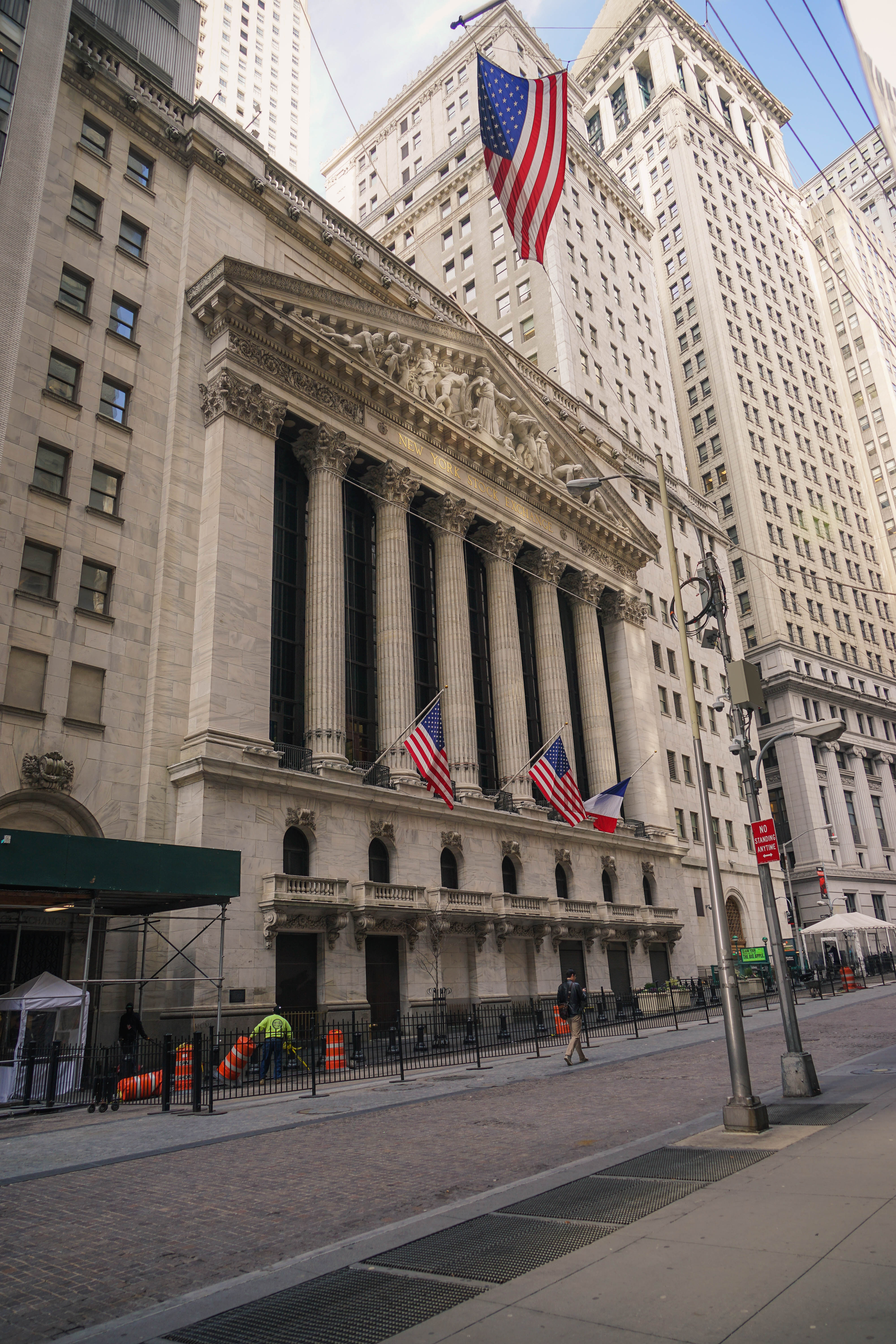
New York City, particularly the iconic Wall Street district, has long been the undisputed epicenter of American finance. It is amidst this historic backdrop of towering skyscrapers, bustling trading floors (both physical and virtual), and a relentless pursuit of capital that Nasdaq established and maintains its principal base of operations. This strategic location isn’t merely coincidental; it’s fundamental to Nasdaq’s identity and its functioning within the global financial system.
Wall Street’s Digital Frontier
While other exchanges might boast a historical trading floor where brokers once shouted orders, Nasdaq was born out of a vision for a more technologically advanced, screen-based market. This inherent digital nature did not, however, preclude it from establishing a commanding physical presence in New York. Nasdaq’s headquarters are located in the heart of Midtown Manhattan. This central location provides immediate access to a vast ecosystem of financial institutions, investment banks, asset managers, legal firms, and an unparalleled talent pool — all critical components for a leading stock exchange.
Operating from New York ensures Nasdaq is at the crossroads of capital flow, regulatory oversight, and market innovation. It benefits from the infrastructure, connectivity, and the deep concentration of financial expertise that only a city like New York can offer. Being physically present in this financial hub allows Nasdaq to maintain close ties with other market participants, engage directly with regulators like the U.S. Securities and Exchange Commission (SEC), and adapt swiftly to evolving market dynamics, ensuring its position at the forefront of financial technology and market structure.
The MarketSite: A Visible Landmark
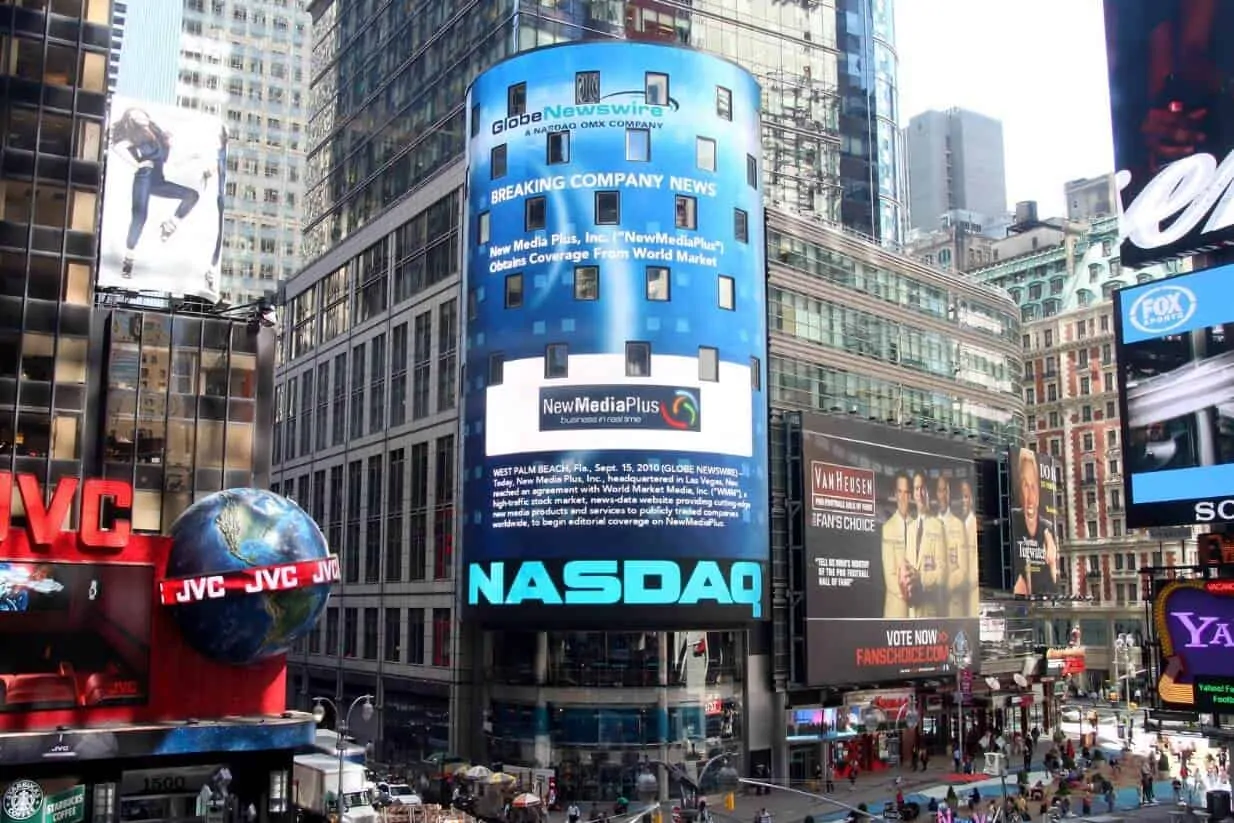
Perhaps the most recognizable symbol of Nasdaq’s presence in New York City is the Nasdaq MarketSite. Located at 4 Times Square, this state-of-the-art facility is not just an office building; it’s a dynamic media center and a broadcast studio that has become a globally recognized landmark. The MarketSite features a massive, seven-story-tall video tower that broadcasts real-time market data, company logos, and financial news to millions in Times Square and beyond.
The MarketSite serves multiple crucial functions. It’s a powerful marketing tool, amplifying Nasdaq’s brand presence on a global scale. It’s also a high-profile venue for company executives to ring the opening or closing bell, celebrating their listing or significant corporate milestones. These ceremonies, broadcast live worldwide, provide an invaluable platform for listed companies, connecting their corporate narratives directly to the pulse of the financial markets. For investors, seeing a company celebrated at the MarketSite reinforces its market legitimacy and visibility, a testament to the exchange’s role in publicizing and facilitating capital formation. This physical manifestation in Times Square firmly anchors Nasdaq’s identity within the global consciousness, making its base in New York City not just operational, but iconic.
Beyond New York: Nasdaq’s Global Footprint
While New York City remains Nasdaq’s primary operational and symbolic base, the exchange group’s influence and infrastructure extend far beyond a single city or even a single country. Nasdaq has evolved into a truly global technology company and exchange operator, with a significant presence across North America, Europe, and Asia. This global expansion is a testament to its strategic vision to diversify its revenue streams, expand its market reach, and serve an international client base.
European Expansion and Acquisitions
A major thrust of Nasdaq’s global strategy has been its aggressive expansion into the European market. This was largely achieved through a series of strategic acquisitions, most notably the acquisition of OMX AB, a leading Nordic exchange operator and technology provider, in 2008. This acquisition transformed Nasdaq from primarily a U.S.-centric exchange into a significant player in the European financial markets, granting it ownership and operational control over multiple stock exchanges in the Nordic and Baltic regions.
Today, Nasdaq operates exchanges in Stockholm, Copenhagen, Helsinki, Iceland, Tallinn, Riga, and Vilnius. These exchanges provide trading and listing services for companies across various sectors, connecting European investors with local and international capital markets. This extensive network in Europe not only broadens Nasdaq’s listing base but also enhances its influence in setting market standards and offering advanced trading technologies across the continent. For European businesses, Nasdaq offers a pathway to global capital, while for investors, it provides access to a diverse portfolio of European companies.
Diversifying Global Market Presence
Beyond its direct ownership of exchanges, Nasdaq’s global footprint is also evident in its widespread provision of market technology. Nasdaq is a leading provider of trading, clearing, settlement, and surveillance technology to over 130 exchanges, clearing organizations, and depositories in more than 50 countries. This technological reach means that even exchanges not directly owned by Nasdaq often run on its sophisticated software, embedding Nasdaq’s influence into the very fabric of global financial infrastructure.
Furthermore, Nasdaq maintains offices and sales teams in key financial centers around the world, including London, Hong Kong, Bangalore, and Sydney, among others. These regional offices serve as crucial hubs for client support, business development, and market intelligence gathering. They ensure that Nasdaq can cater to the specific needs of local markets while maintaining a unified global strategy, crucial for attracting international listings and connecting global investors.
Technology and Data Centers
The distributed nature of modern financial markets also necessitates a robust and geographically diverse technological infrastructure. Nasdaq operates multiple data centers strategically located to ensure low latency trading and high availability for its global markets and technology solutions. While its primary data centers for U.S. equity and options markets are located in key facilities like Carteret, New Jersey, it also maintains robust data center operations supporting its European and other global ventures. These facilities are the unsung heroes, housing the servers, networks, and communication systems that power trillions of dollars in transactions daily, ensuring the integrity and speed of global financial markets.
Nasdaq’s Operational Structure and Regulatory Environment
Understanding where Nasdaq is based also requires a look into its operational structure and the regulatory environment that shapes its functions. Nasdaq is not merely a trading venue; it is a publicly traded company itself, listed on its own exchange under the ticker symbol NDAQ. This dual role as both an operator and a listed entity provides a unique perspective on market dynamics and corporate governance.
Operating as a Public Company
As a publicly traded company, Nasdaq Inc. (NDAQ) is accountable to its shareholders, just like any other company listed on a major exchange. This structure mandates transparency, adherence to robust accounting standards, and a focus on delivering shareholder value. Its business model is diversified, extending beyond its core U.S. equities and options exchanges. Key revenue streams include:
-
Market Services: Trading, clearing, and settlement services across equities, derivatives, and fixed income.
-
Corporate Platforms: Listing services for public companies, investor relations tools, and ESG solutions.
-
Investment Intelligence: Market data, index services (e.g., Nasdaq 100, Nasdaq Composite), and analytics.
-
Market Technology: Selling its sophisticated exchange technology to other market operators globally.
This multi-faceted approach allows Nasdaq to generate revenue from various aspects of the financial ecosystem, making it a resilient and comprehensive financial services provider. For investors looking at the “Money” niche, Nasdaq itself represents an investment opportunity in the infrastructure of global finance, offering exposure not just to market performance but also to the technological backbone driving it.
Regulatory Oversight and Investor Protection
Given its critical role in capital markets, Nasdaq operates under stringent regulatory frameworks designed to ensure fair and orderly markets, protect investors, and prevent illicit activities. In the United States, Nasdaq is primarily regulated by the U.S. Securities and Exchange Commission (SEC). The SEC oversees exchanges to ensure compliance with federal securities laws, covering aspects such as trading rules, listing standards, and market surveillance.
Additionally, Nasdaq operates a robust self-regulatory organization (SRO) function, though aspects of this were transferred to FINRA (Financial Industry Regulatory Authority) for broker-dealer regulation. As an SRO for its own market, Nasdaq is responsible for enforcing its own rules and ensuring that its members and listed companies adhere to high standards of conduct. This multi-layered regulatory environment is crucial for maintaining investor confidence and the integrity of the financial system. Similar robust regulatory bodies oversee Nasdaq’s operations in European and other international jurisdictions, ensuring consistent standards of market integrity across its global network.
Technological Backbone of Modern Trading
Nasdaq’s physical and operational bases are inextricably linked to its technological prowess. From its very inception, Nasdaq has been a pioneer in leveraging technology to create more efficient and transparent markets. Its systems are designed for extreme speed and reliability, capable of handling millions of transactions per second. The continuous investment in areas like cloud computing, artificial intelligence for market surveillance, and distributed ledger technology (blockchain) underscores its commitment to staying at the cutting edge.
This technological backbone, based out of its various data centers and supported by its global teams, is what allows Nasdaq to connect buyers and sellers from around the world almost instantaneously. It’s the silent force behind its listings, its market data products, and its ability to provide financial tools that are essential for both individual and institutional investors navigating complex markets.
The Significance of Nasdaq’s Location for Investors and Businesses
The strategic choice of New York as Nasdaq’s primary base, coupled with its expansive global presence, carries profound significance for both companies seeking capital and investors looking for opportunities. It influences everything from market visibility to access to liquidity and the overall investment climate.
Access to Capital and Global Visibility
For businesses, particularly those in the technology and growth sectors, listing on Nasdaq’s U.S. market offers unparalleled access to the deepest and most liquid capital markets in the world. Being based in New York allows Nasdaq to directly tap into the vast pools of capital managed by institutional investors, pension funds, and asset managers located in the financial hub. The global visibility offered by a Nasdaq listing, amplified by its MarketSite in Times Square, provides listed companies with a powerful platform to attract investors and media attention worldwide. This is a critical advantage for companies looking to fund innovation, expand operations, or establish their brand on an international scale.
Similarly, its European exchanges provide vital access to local capital pools and serve as gateways for companies looking to expand within the Eurozone. The diversified geographic presence means that businesses have options tailored to their regional growth strategies while benefiting from Nasdaq’s global brand recognition and technological standards.
Hub for Innovation and Growth Stocks
Nasdaq has carved out a niche as the exchange of choice for innovative, high-growth companies. Its origins as a market for over-the-counter (OTC) stocks that later embraced technology companies solidified its reputation as the home for disrupters. Its New York base places it in close proximity to venture capital firms, incubators, and a vibrant startup ecosystem, fostering a continuous pipeline of innovative companies that eventually seek public financing.
For investors, Nasdaq’s concentration of tech and growth stocks, epitomized by indices like the Nasdaq Composite and Nasdaq 100, offers unique exposure to sectors driving future economic expansion. Its location helps facilitate the continuous flow of information, networking, and capital that fuels these innovative industries, making it a crucial component for any portfolio seeking growth opportunities.
Strategic Advantage for Market Participants
The geographical and technological distribution of Nasdaq provides a strategic advantage for all market participants. For institutional traders, its proximity to critical data centers in the New York metropolitan area ensures ultra-low latency access to pricing and execution, a non-negotiable requirement in high-frequency trading. For retail investors, Nasdaq’s global data feeds and index products (like the Nasdaq 100 via ETFs) offer transparent and accessible ways to participate in both U.S. and international markets from anywhere in the world.
Furthermore, Nasdaq’s diverse bases mean it can offer different products and services tailored to regional needs while leveraging global best practices. This multi-geographic approach strengthens its position as a go-to platform for capital formation, investment, and market intelligence across continents, firmly cementing its role as a cornerstone of the global “Money” ecosystem.
The Evolution of a Modern Exchange
From its inception, Nasdaq has continually evolved, reflecting the dynamic nature of finance and technology. Its various bases—physical, operational, and technological—are not static but adapt to meet new challenges and opportunities.
From OTC to Global Powerhouse
Founded in 1971 by the National Association of Securities Dealers (NASD), Nasdaq began as the world’s first electronic stock market. It was initially designed to bring transparency to the previously opaque over-the-counter (OTC) market. Without a physical trading floor, its “base” was inherently distributed from day one, relying on computers and telecommunications. This digital DNA proved prescient, setting it apart from older, floor-based exchanges. Over decades, it grew to list some of the world’s most iconic companies, particularly those in technology, biotechnology, and other innovative sectors, solidifying its reputation as the “home of innovation.” Its journey from a virtual bulletin board to a global exchange group with physical offices and data centers across the globe showcases a remarkable adaptability.
The Digital Revolution in Trading
Nasdaq’s embrace of technology has driven the digital revolution in trading. Its development of sophisticated matching engines, real-time data dissemination systems, and advanced market surveillance tools has significantly influenced how markets operate worldwide. The exchange’s continuous investment in its technological bases, including its primary data centers, is crucial for maintaining its competitive edge and ensuring the reliability and speed demanded by modern financial markets. This commitment to technology underpins its entire global operation, making its “base” not just a location, but a distributed, high-tech infrastructure.
Adapting to Future Financial Landscapes
Looking ahead, Nasdaq’s strategy continues to focus on innovation. It is actively exploring and integrating emerging technologies such as artificial intelligence (AI) for enhanced market integrity, blockchain for potential new asset classes and settlement efficiencies, and cloud computing for greater scalability and resilience. These initiatives, spearheaded from its New York headquarters and executed by its global technology teams, demonstrate Nasdaq’s unwavering commitment to shaping the future of financial markets. Its base, therefore, is not merely where it is, but where it innovates – a hub for developing the financial tools and platforms that will define the next generation of investing and business finance.
In conclusion, while the question “where is Nasdaq based” points to New York City as its symbolic and primary operational home, a deeper understanding reveals a multifaceted global entity. Nasdaq’s influence extends through its European exchanges, its worldwide market technology provisions, and its extensive network of offices and data centers. It is a testament to how a modern financial institution leverages strategic geographic placement, technological innovation, and a global outlook to serve as a vital cornerstone of the world’s money markets, facilitating capital formation, investment opportunities, and economic growth on a truly global scale.
aViewFromTheCave is a participant in the Amazon Services LLC Associates Program, an affiliate advertising program designed to provide a means for sites to earn advertising fees by advertising and linking to Amazon.com. Amazon, the Amazon logo, AmazonSupply, and the AmazonSupply logo are trademarks of Amazon.com, Inc. or its affiliates. As an Amazon Associate we earn affiliate commissions from qualifying purchases.