
Starting a business is an exhilarating journey, filled with ambition, innovation, and the promise of independence. While the allure of creating something new often dominates the initial thought process, the bedrock of any successful venture is robust financial planning and management. Without a clear understanding of the monetary demands and opportunities, even the most brilliant idea can falter. This guide offers a comprehensive financial roadmap, demystifying the process of opening a business from a purely monetary perspective, ensuring aspiring entrepreneurs are equipped to navigate the fiscal landscape with confidence.
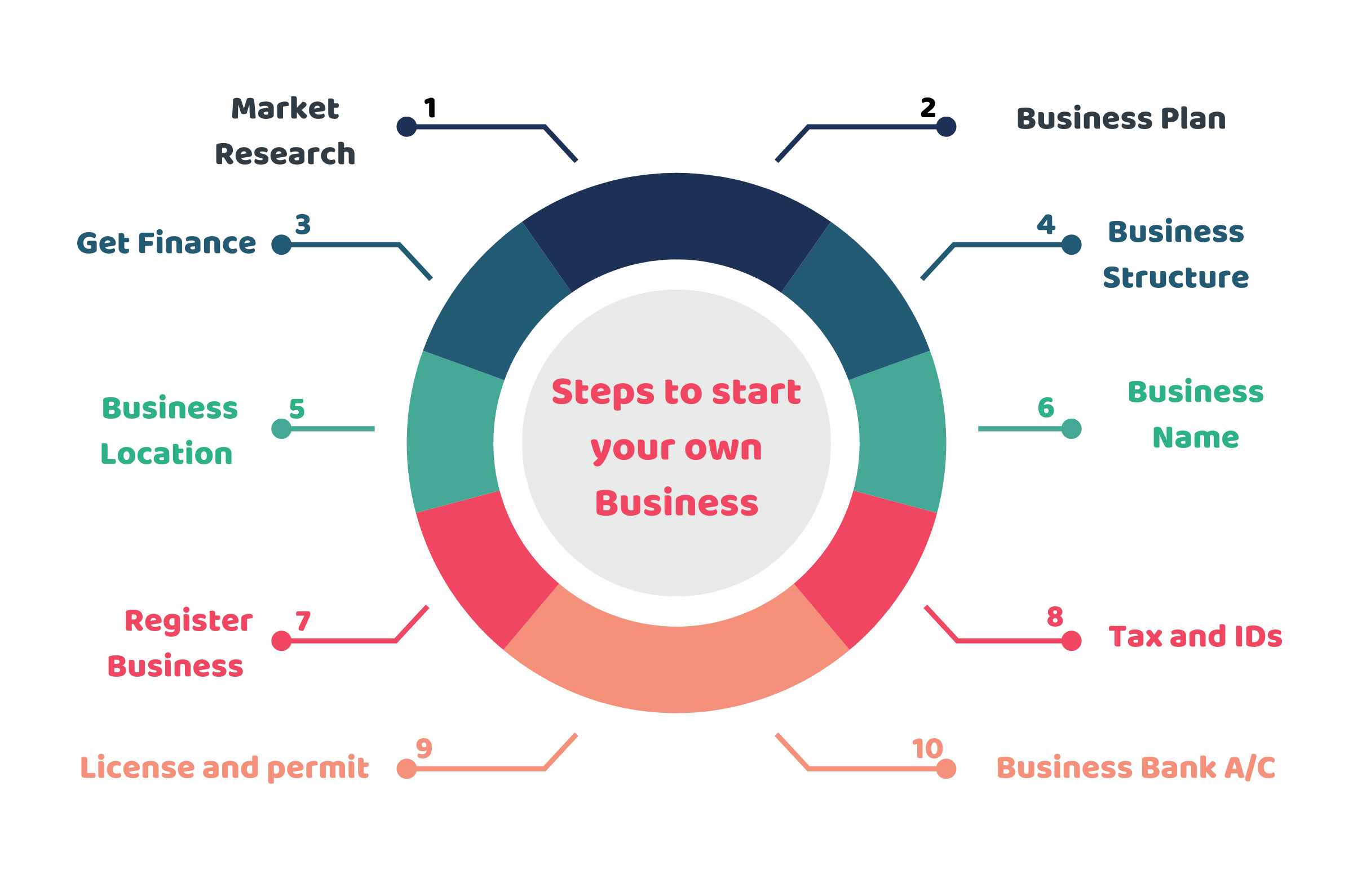
Laying the Financial Foundation: Essential First Steps
Before a single product is sold or a service rendered, the financial groundwork must be meticulously laid. This initial phase is critical for understanding the economic viability of your idea and preparing for the costs ahead.
Idea Validation and Market Sizing (from a Financial Viability Perspective)
The first financial assessment begins with your business idea itself. Is there a market for what you intend to offer, and are customers willing to pay for it? Financial viability isn’t just about demand; it’s about the ability to generate sufficient revenue to cover costs and yield profit. This involves researching potential customer segments, understanding their purchasing power, and analyzing competitors’ pricing strategies.
Beyond market demand, consider the operational costs involved in delivering your product or service. A great idea that costs too much to produce or deliver relative to its market price is a financial non-starter. This early stage requires a realistic evaluation of potential revenue streams against projected cost structures to ensure your concept has a plausible path to profitability. Financial modeling, even in its simplest form, can highlight potential challenges or opportunities before significant capital is committed.
Crafting a Detailed Business Plan with Financial Projections
A business plan serves as your strategic blueprint, and its financial section is the most crucial part for anyone seeking funding or clarity on their venture’s monetary health. This section should include detailed financial projections, typically for the next three to five years, encompassing:
-
Startup Costs Breakdown: A granular list of every expense required to get the business operational.
-
Funding Request (if applicable): How much capital is needed and how it will be utilized.
-
Sales Forecasts: Realistic projections of revenue based on market research and pricing.
-
Operating Expense Budget: Monthly or quarterly estimates for ongoing costs.
-
Cash Flow Statement: Projecting the inflow and outflow of cash over time.
-
Income Statement (Profit & Loss): Foreseeing revenues, costs, and net profit or loss.
-
Balance Sheet: A snapshot of assets, liabilities, and equity at various points.
These projections aren’t just numbers on a page; they tell the financial story of your business, demonstrating its potential for profitability and sustainability. They force you to think critically about every financial aspect, from customer acquisition costs to potential returns on investment.
Understanding Startup Costs: From Fixed to Variable Expenses
One of the most common pitfalls for new businesses is underestimating startup costs. A thorough understanding of these initial expenses is paramount to accurately determining funding needs and avoiding early financial distress. Startup costs can be broadly categorized:
-
One-Time Costs:
-
Legal & Administrative: Business registration fees, licenses, permits, lawyer fees for contracts, trademark registration.
-
Equipment & Technology: Computers, specialized machinery, software licenses, website development, initial inventory.
-
Rent & Deposits: Security deposits for office space or retail locations, initial build-out or renovation costs.
-
Marketing & Branding: Initial branding design, website creation, pre-launch advertising.
-
-
Initial Operating Capital:
-
Initial Inventory: Stock to begin sales.
-
Initial Payroll: Salaries for yourself and any early hires before revenue covers costs.
-
Utilities & Services: Deposits and initial payments for electricity, internet, phone.
-
Insurance Premiums: Liability, property, and other necessary business insurance.
-
Distinguishing between fixed costs (those that don’t change with production volume, like rent) and variable costs (those that do, like raw materials) is also vital from the outset. This distinction helps in calculating the break-even point and understanding the true cost of each unit sold or service delivered.
Funding Your Vision: Exploring Capital Options
Once you have a clear picture of your startup costs and ongoing financial needs, the next critical step is securing the necessary capital. There are numerous avenues for funding, each with its own advantages, disadvantages, and implications for your business’s financial structure.
Self-Funding (Bootstrapping) and Personal Investment
Bootstrapping involves using your own savings, credit cards, or personal loans to finance your business. It’s often the first and sometimes only source of capital for many small businesses.
-
Pros: Complete control over your business, no equity dilution, less debt burden if managed wisely.
-
Cons: Limited capital, high personal financial risk, slower growth potential if undercapitalized.
Personal investment demonstrates commitment to potential external investors and can be a powerful motivator. However, it requires a careful assessment of your personal financial situation to ensure you don’t jeopardize your own financial stability.
Debt Financing: Loans and Lines of Credit
Debt financing involves borrowing money that must be repaid, typically with interest, within a set timeframe. This is a common route for businesses that have some collateral or a solid business plan demonstrating repayment capacity.
-
SBA Loans: Government-backed loans (e.g., in the U.S., Small Business Administration loans) are often more accessible to startups and offer favorable terms.
-
Bank Loans: Traditional commercial loans from banks, often requiring collateral and a strong credit history.
-
Lines of Credit: Flexible borrowing options that allow access to funds as needed, up to a certain limit, ideal for managing cash flow fluctuations.
-
Microloans: Smaller loans from non-profit organizations, often aimed at underserved entrepreneurs.
The key financial consideration here is your ability to service the debt. A high debt-to-equity ratio can make future borrowing difficult and place significant pressure on early cash flow.
Equity Financing: Angels, VCs, and Crowdfunding
Equity financing involves selling a stake in your company to investors in exchange for capital. This can provide substantial funding but means relinquishing a portion of ownership and control.
-
Angel Investors: High-net-worth individuals who invest their own money in early-stage companies, often providing mentorship alongside capital.
-
Venture Capital (VC) Firms: Professional investment firms that manage funds from institutions and wealthy individuals, investing in high-growth potential companies in exchange for significant equity.
-
Crowdfunding: Raising small amounts of capital from a large number of people, often through online platforms.
-
Equity Crowdfunding: Investors receive a share of equity.
-
Reward/Donation Crowdfunding: Donors receive a product or perk, not equity.
-
While equity financing offers significant capital without immediate repayment obligations, it requires a compelling pitch, a scalable business model, and a willingness to share ownership and future profits. It also means navigating complex valuations and legal agreements.
Grants and Specialized Funding Programs
For specific types of businesses, grants can be a fantastic source of non-dilutive funding (you don’t give up equity and don’t have to repay it).
-
Government Grants: Available for businesses in specific industries (e.g., technology, scientific research, environmental initiatives) or those that meet certain social impact criteria.
-
Foundation Grants: Offered by private foundations supporting specific causes or communities.
-
Incubator/Accelerator Programs: Often provide a small amount of seed funding in exchange for equity, along with mentorship and resources.
Grants are highly competitive and often come with strict reporting requirements, but they can significantly boost a startup’s financial runway without increasing debt or diluting ownership.
Mastering Business Finances: Budgeting, Pricing, and Profitability
Once capital is secured, the ongoing discipline of financial management becomes paramount. This isn’t just about tracking expenses; it’s about making strategic decisions that drive profitability and ensure long-term sustainability.
Developing a Realistic Operating Budget
An operating budget is your financial plan for day-to-day operations over a specific period (e.g., quarterly or annually). It details projected revenues and expenses, guiding your spending and providing a benchmark for performance.
-
Expense Categories: Break down all anticipated costs, from rent and utilities to marketing, supplies, and salaries.
-
Revenue Projections: Base these on realistic sales forecasts, not optimistic hopes.
-
Contingency Fund: Always include a buffer for unexpected expenses; 10-20% of your budget is a good starting point.
A well-crafted budget helps you allocate resources effectively, identify areas for cost savings, and avoid running out of cash. It should be a living document, reviewed and adjusted regularly as your business evolves.
Strategic Pricing for Value and Profit
Pricing is an art and a science, directly impacting your revenue and profitability. It’s not just about covering costs; it’s about conveying value to your customers and achieving your financial goals.
-
Cost-Plus Pricing: Adding a markup percentage to your total cost (direct costs + overhead). Simple but might not reflect market value.
-
Value-Based Pricing: Setting prices based on the perceived value of your product or service to the customer. This often allows for higher margins.
-
Competitive Pricing: Benchmarking against competitors’ prices, which can be effective in competitive markets but might undersell your unique value.
-
Penetration Pricing: Setting low prices initially to capture market share, with the intention of raising them later.
-
Skimming Pricing: Setting high prices initially for innovative products to capture early adopters, then gradually lowering them.
Understanding your target customers, market position, and the psychology of pricing is essential. Regularly review your pricing strategy to ensure it aligns with your financial objectives and market dynamics.
Managing Cash Flow: The Lifeblood of Your Business
“Cash is king” is a common adage in business, and for good reason. Even profitable businesses can fail due to poor cash flow management. Positive cash flow means more money is coming into your business than going out.

-
Monitor Receivables: Ensure customers pay on time. Implement clear invoicing terms and follow up promptly.
-
Manage Payables: Optimize when you pay your suppliers without damaging relationships.
-
Inventory Management: Avoid tying up too much cash in excess inventory.
-
Operating Cycle: Understand the time it takes to convert raw materials into cash from sales.
-
Cash Flow Projections: Create detailed forecasts to anticipate shortages or surpluses.
Robust cash flow management prevents liquidity crises, allows for timely payment of expenses, and provides the flexibility to seize opportunities.
Key Financial Metrics for Early-Stage Businesses
As an entrepreneur, you must be conversant with key financial performance indicators (KPIs) to gauge your business’s health and make informed decisions.
-
Gross Profit Margin: (Revenue – Cost of Goods Sold) / Revenue. Indicates the profitability of your core product/service.
-
Net Profit Margin: Net Income / Revenue. Shows overall profitability after all expenses.
-
Break-Even Point: The level of sales (units or revenue) at which total costs equal total revenue, meaning no net loss or gain.
-
Customer Acquisition Cost (CAC): The total cost of marketing and sales efforts needed to acquire one customer.
-
Customer Lifetime Value (CLTV): The total revenue a customer is expected to generate over their relationship with your business. (CLTV vs. CAC is crucial for marketing ROI).
-
Burn Rate: The rate at which your business is spending its capital before it starts generating positive cash flow.
Regularly tracking these metrics provides critical insights into your business’s financial performance and helps identify areas for improvement.
Navigating Legal and Financial Compliance
Opening a business involves more than just making money; it also requires adherence to a complex web of legal and financial regulations. Understanding these obligations from the outset can save you significant time, money, and headaches down the road.
Choosing the Right Business Structure and Its Financial Implications
The legal structure you choose for your business has profound financial and tax implications.
-
Sole Proprietorship: Easiest and cheapest to set up, but offers no personal liability protection. Business income/losses are reported on your personal tax return.
-
Partnership: Similar to sole proprietorships but with two or more owners. All partners typically share profits, losses, and liabilities.
-
Limited Liability Company (LLC): Provides personal liability protection, separating your personal assets from business debts. Offers flexibility in taxation (can be taxed as a sole proprietorship, partnership, or corporation).
-
Corporation (S-Corp, C-Corp): Offers the strongest liability protection but has more complex setup and compliance requirements. C-corps face “double taxation” (corporate profits are taxed, and then dividends to shareholders are taxed again). S-corps avoid double taxation by passing profits/losses directly to owners’ personal incomes.
Consult with a financial advisor and/or an attorney to choose the structure that best aligns with your financial goals, risk tolerance, and growth plans.
Understanding Tax Obligations and Deductions
Taxes are an unavoidable part of doing business. Failing to understand and meet your tax obligations can lead to severe penalties.
-
Federal, State, and Local Taxes: Depending on your location and business structure, you’ll owe income tax, self-employment tax, sales tax, property tax, and potentially excise taxes.
-
Employer Taxes: If you have employees, you’ll be responsible for withholding and paying payroll taxes (Social Security, Medicare, unemployment).
-
Estimated Taxes: Many small businesses and self-employed individuals are required to pay estimated taxes quarterly.
-
Business Deductions: Learn what expenses are tax-deductible (e.g., home office expenses, business travel, equipment purchases, marketing costs) to reduce your taxable income.
Proactive tax planning, ideally with a qualified accountant, is essential for maximizing deductions and ensuring compliance.
Essential Business Insurance: Protecting Your Assets
Insurance is a crucial financial safeguard, protecting your business from unforeseen events that could otherwise lead to devastating financial losses.
-
General Liability Insurance: Covers claims of bodily injury or property damage that occur on your business premises or due to your operations.
-
Property Insurance: Protects your physical assets (buildings, equipment, inventory) from damage or loss due to events like fire, theft, or natural disasters.
-
Professional Liability (E&O) Insurance: Essential for service-based businesses, covering claims of negligence, errors, or omissions in your professional services.
-
Workers’ Compensation Insurance: Mandatory in most states if you have employees, covering medical expenses and lost wages for work-related injuries.
-
Business Interruption Insurance: Replaces lost income and covers extra expenses if your business is forced to close temporarily due to a covered event.
The right insurance portfolio minimizes financial risk and provides peace of mind, allowing you to focus on growing your business.
Setting Up Financial Systems and Record-Keeping
Efficient financial record-keeping is not just for tax season; it’s vital for day-to-day management, strategic decision-making, and securing future funding.
-
Separate Business Finances: Open a dedicated business bank account and credit card immediately. Mixing personal and business finances is a common mistake that complicates accounting and can undermine liability protection.
-
Accounting Software: Implement reliable accounting software (e.g., QuickBooks, Xero, FreshBooks) from day one. This simplifies tracking income and expenses, generating financial reports, and preparing for taxes.
-
Digital Record-Keeping: Digitize receipts, invoices, and other financial documents. Cloud-based storage ensures accessibility and backup.
-
Regular Reconciliation: Reconcile your bank and credit card statements with your accounting software regularly to catch errors and discrepancies promptly.
Accurate and organized financial records are the backbone of sound business finance.
Scaling for Sustainable Growth: Long-Term Financial Planning
The journey of opening a business doesn’t end once you’re operational. Sustainable growth requires continuous financial planning, looking beyond immediate needs to future expansion and resilience.
Reinvesting Profits vs. Taking Distributions
As your business becomes profitable, a critical financial decision emerges: how to allocate your earnings.
-
Reinvesting Profits: Plowing profits back into the business (e.g., for new equipment, marketing campaigns, product development, hiring) can fuel growth, increase capacity, and enhance future profitability.
-
Taking Distributions/Dividends: As a business owner, you’ll eventually want to take some money out of the business for personal income. The timing and amount of these distributions need to be carefully balanced against the business’s ongoing capital needs and growth ambitions.
A strategic balance ensures both the business’s health and your personal financial well-being. Early-stage businesses often prioritize reinvestment to accelerate growth.
Planning for Expansion and Future Investments
Growth brings its own financial requirements. Anticipating these needs is part of long-term financial planning.
-
Market Expansion: Entering new markets or geographic regions often requires significant upfront investment in research, marketing, and distribution channels.
-
Product/Service Development: Innovating and expanding your offerings necessitates funding for R&D, prototyping, and launch.
-
Operational Scale-Up: Increasing production capacity, hiring more staff, or upgrading technology will require substantial capital.
-
Accessing Growth Capital: As your business matures, you might explore additional rounds of equity financing (Series A, B, etc.) or larger debt facilities to fund aggressive growth strategies.
Developing financial models for various growth scenarios helps in understanding future capital needs and planning how to secure them.
Building an Emergency Fund for Business Resilience
Just as individuals need personal emergency funds, businesses require a financial cushion to weather unexpected challenges. This fund should be separate from operating capital.
-
Purpose: To cover unexpected expenses, revenue downturns, economic crises, or unforeseen operational disruptions.
-
Size: Aim for at least three to six months of operating expenses in reserve.
-
Liquidity: Keep these funds in easily accessible, low-risk accounts.
A robust emergency fund provides financial resilience, preventing temporary setbacks from becoming existential threats.
Exit Strategy Considerations (Even at the Start)
While it might seem premature, thinking about an exit strategy (selling the business, passing it on, or closing it) even at the beginning can influence financial decisions.
-
Valuation: Understanding what makes your business financially attractive to potential buyers can guide your growth strategy (e.g., focusing on recurring revenue, strong intellectual property).
-
Structure: Your chosen business structure can impact the ease and tax implications of an eventual sale.
-
Succession Planning: If you envision passing the business to family or employees, financial planning for that transition can begin early.
Considering your exit options helps you build a business that not only generates income but also creates long-term value, offering a strong financial return when the time comes to transition.

Conclusion
Opening a business is a monumental undertaking, but by approaching it with a clear, strategic financial mindset, entrepreneurs can significantly enhance their chances of success. From meticulously planning startup costs and securing appropriate funding to mastering daily financial management and preparing for future growth, every step is a financial one. This roadmap, focused exclusively on the monetary aspects, aims to equip aspiring business owners with the knowledge and tools to build not just a business, but a financially sound and sustainable enterprise from the ground up. The journey is challenging, but with astute financial stewardship, the rewards—both personal and monetary—can be immense.
aViewFromTheCave is a participant in the Amazon Services LLC Associates Program, an affiliate advertising program designed to provide a means for sites to earn advertising fees by advertising and linking to Amazon.com. Amazon, the Amazon logo, AmazonSupply, and the AmazonSupply logo are trademarks of Amazon.com, Inc. or its affiliates. As an Amazon Associate we earn affiliate commissions from qualifying purchases.