
The vast, boundless ocean, once a symbol of mystery and the unknown, is increasingly becoming a network of traceable digital pathways. For millions of passengers, crew members, and maritime enthusiasts, the question “Where is my cruise ship?” is no longer a rhetorical expression of wonder but a practical query that modern technology can answer with remarkable precision. This article delves into the technological marvels that underpin real-time vessel tracking, exploring the systems, applications, and future innovations that keep us connected to our floating resorts, ensuring peace of mind and operational transparency. In an age defined by instant information, knowing the exact location of a cruise ship — whether it’s your upcoming vacation vessel, a loved one’s current voyage, or a critical cargo carrier — is a testament to how profoundly digital solutions have transformed maritime logistics and the passenger experience. From sophisticated satellite networks to user-friendly mobile applications, a complex ecosystem of tech is constantly at work, making the seemingly impossible task of tracking a moving city on water an everyday reality.

The Digital Compass: Understanding Modern Vessel Tracking
The ability to pinpoint a ship’s location on the immense expanse of the ocean is a triumph of engineering and digital infrastructure. What was once the sole domain of specialized maritime professionals has now been democratized, thanks to a confluence of advanced tracking systems. Understanding these foundational technologies is key to appreciating the accuracy and accessibility of today’s vessel tracking capabilities.
Beyond the Horizon: The Evolution of Maritime Navigation
For centuries, mariners relied on celestial navigation, compasses, and dead reckoning to chart their course across the globe. The advent of radio technology brought about significant improvements in communication and rudimentary positioning, but true real-time, global tracking remained a distant dream. The late 20th century, however, witnessed a paradigm shift with the introduction of satellite-based navigation systems. GPS (Global Positioning System), initially developed for military applications, revolutionized not just land and air travel but also maritime navigation, providing unparalleled accuracy in positioning. This foundational technology laid the groundwork for the more specialized and comprehensive vessel tracking systems we rely on today, transforming maritime safety, efficiency, and transparency. From rudimentary radio beacons to pinpoint satellite triangulations, the journey of maritime navigation reflects a relentless pursuit of precision and connectivity, culminating in an era where no ship is truly lost at sea without a digital footprint.
The Backbone of Tracking: AIS and Satellite Technology
At the heart of modern cruise ship tracking are two primary technological pillars: the Automatic Identification System (AIS) and advanced satellite communication networks. AIS is a short-range tracking system mandatory for all international voyaging ships over 300 gross tonnage, and all passenger ships regardless of size. It functions by ships broadcasting their position, course, speed, name, call sign, destination, and other critical data via VHF radio transponders. These signals are picked up by other AIS-equipped vessels and shore-based stations within a range of typically 20-40 nautical miles. For ships far out at sea, beyond the reach of shore-based AIS receivers, specialized satellite networks step in. These satellites are equipped to receive AIS signals from space, creating a global mesh that tracks vessels even in the most remote ocean stretches. This combination of terrestrial and satellite-based AIS data forms the robust backbone of nearly all public and private vessel tracking platforms, offering a comprehensive, albeit sometimes near real-time, view of maritime traffic worldwide. The synergy between these technologies ensures that whether a cruise ship is navigating a busy port channel or crossing a vast ocean, its digital signature is continuously monitored and updated.
Your Digital Navigator: Essential Tools and Platforms
With the underlying technology in place, a diverse array of digital tools and platforms has emerged to make vessel tracking accessible to everyone. These solutions range from comprehensive, publicly available marine traffic websites to highly specialized applications offered directly by cruise lines, each designed to serve different user needs and preferences.
Public Marine Tracking Websites and Apps
The democratization of maritime data has led to the proliferation of powerful, user-friendly platforms that allow anyone with an internet connection to track virtually any major vessel. Services like MarineTraffic, VesselFinder, and Ship Tracker are prime examples. These platforms aggregate AIS and satellite data, presenting it on interactive maps that display ship positions, routes, speeds, and even historical data. Users can search for specific cruise ships by name, IMO number, or call sign, view detailed information about the vessel, including its dimensions, flag, and current port of call. Many of these services offer both free tiers with basic tracking features and premium subscriptions that unlock advanced functionalities such as increased update frequency, weather overlays, and estimated arrival times (ETAs). Their intuitive interfaces, often available as both web applications and mobile apps, make them indispensable tools for passengers wanting to track their next cruise, families following a loved one’s journey, or even just maritime enthusiasts fascinated by the global shipping network. The ability to visualize global shipping patterns in real-time underscores the incredible accessibility and transparency that modern digital tools have brought to the maritime industry.
Proprietary Cruise Line Applications
Beyond third-party trackers, most major cruise lines have developed their own dedicated mobile applications, primarily designed to enhance the passenger experience but often incorporating robust tracking features. Apps from Royal Caribbean, Carnival, Norwegian Cruise Line, and Disney Cruise Line, for instance, allow passengers to manage bookings, view onboard schedules, make dining reservations, and communicate with fellow travelers. Crucially, these apps also provide real-time updates on the ship’s location, port arrival/departure times, and sometimes even a live map of the current itinerary. For passengers onboard, these apps often leverage the ship’s internal Wi-Fi network to provide hyper-local information, ensuring they know exactly where they are in relation to the next port or even a specific deck on the ship. These proprietary applications offer a tailored, integrated experience, combining tracking functionality with a wealth of cruise-specific information, making them an essential digital companion for any modern cruise traveler. Their advantage lies in providing official, direct information from the cruise operator, often including details not available on generic tracking sites, such as specific operational updates or adjustments to the itinerary.
Smart Devices and Wearables: Enhancing the Onboard Experience
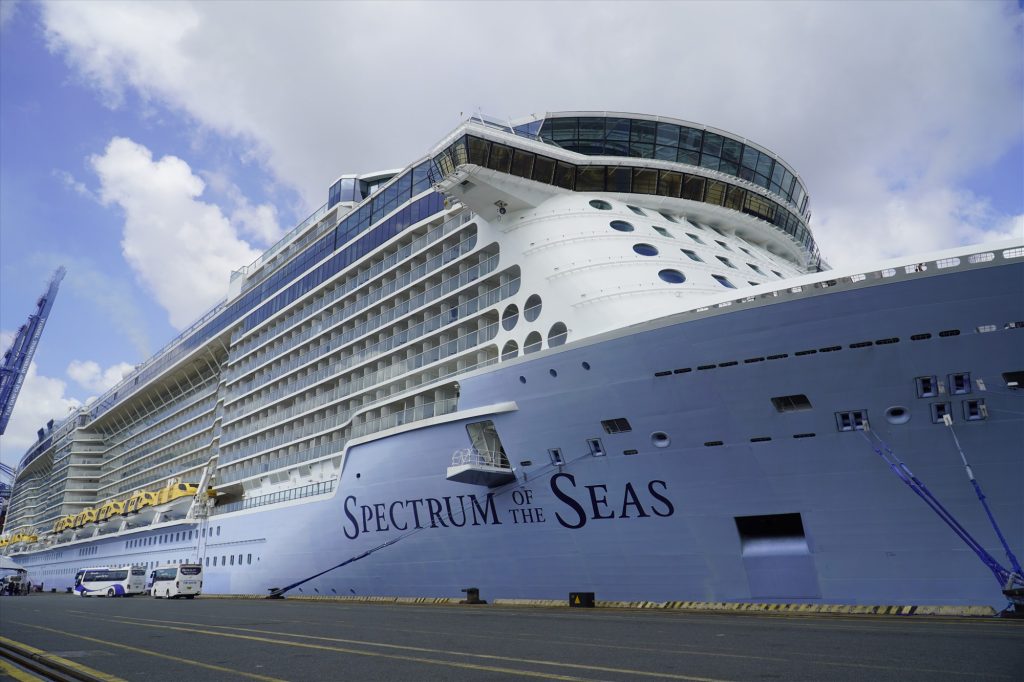
The integration of technology on cruise ships extends beyond mere location tracking to encompass the broader passenger experience through smart devices and wearables. Many modern cruise ships are increasingly equipped with IoT (Internet of Things) infrastructure, transforming the vessel into a smart environment. Passengers might receive RFID-enabled wristbands or smart cards that serve multiple functions: room key, payment method, and even a personalized locator for staff to assist with services. These devices, often linked to the cruise line’s proprietary app, can subtly enhance location awareness by providing personalized directions within the ship or alerts about proximity to scheduled activities. Furthermore, the ship’s internal Wi-Fi network, often powered by satellite broadband, allows passengers to use their personal smartphones and smartwatches to access the cruise line app, track their ship’s progress, and receive push notifications related to their itinerary or onboard events. This seamless integration of personal tech with shipboard systems creates a highly connected and convenient environment, where location data is not just about “where the ship is,” but also “where you are” within the cruise ecosystem, optimizing everything from navigating the vast decks to receiving timely service.
Navigating the Data Stream: Accuracy, Limitations, and Digital Security
While the technological advancements in maritime tracking are impressive, it’s crucial to understand the nuances of the data provided. Factors like real-time accuracy, inherent limitations of the systems, and paramount concerns regarding digital security all play a significant role in the reliability and safety of vessel tracking.
Real-Time vs. Near Real-Time: Understanding Data Latency
When tracking a cruise ship, the term “real-time” is often used, but it’s important to understand that there can be a subtle yet significant difference between truly instantaneous data and “near real-time” information. AIS signals, especially those transmitted to satellites, are not always processed and displayed instantaneously. There can be delays ranging from a few seconds to several minutes, particularly in remote ocean areas where satellite coverage might be less frequent or data transmission bandwidth is limited. Shore-based AIS receivers provide more immediate updates when ships are close to land, but satellite-relayed data requires a trip to space and back, introducing latency. While these delays are usually negligible for general tracking purposes, they can be critical in rapidly evolving situations or for highly precise operational decisions. Public tracking websites often display the time of the last reported position, allowing users to gauge the freshness of the data. Understanding this distinction helps manage expectations regarding the absolute immediacy of the information, reminding us that even with advanced technology, there’s always a slight temporal gap between an event happening at sea and its reflection on a digital map.
The Digital Veil: Addressing Data Privacy and Cyber Security
With great technological capability comes significant responsibility, especially concerning data privacy and cybersecurity. While vessel tracking primarily deals with public information like a ship’s position and identity, the broader ecosystem of cruise line apps and personal data collection raises important privacy questions. Passengers provide extensive personal information—passports, payment details, health declarations—when booking a cruise, all of which is stored and managed digitally. Cruise line apps collect data on passenger movements, spending habits, and preferences onboard to personalize services. Protecting this sensitive data from breaches is paramount. Furthermore, the operational technology (OT) systems of cruise ships themselves, including navigation, propulsion, and onboard IT networks, are increasingly connected and thus vulnerable to cyber threats. A cyber-attack could compromise passenger data, disrupt ship operations, or even endanger safety. Robust encryption, multi-factor authentication, and continuous cybersecurity monitoring are essential for cruise lines to safeguard both passenger privacy and the integrity of their complex digital infrastructure against sophisticated cyber adversaries.
Mitigating Risks: Emergency Protocols and Communication Tech
In an emergency, the ability to rapidly locate and communicate with a cruise ship is not just convenient but life-saving. Modern communication technology plays a critical role in enhancing safety protocols. Beyond AIS, ships are equipped with dedicated Global Maritime Distress and Safety System (GMDSS) equipment, which includes satellite communication systems (like Inmarsat) and emergency position-identifying radio beacons (EPIRBs) that automatically transmit distress signals and location data to rescue coordination centers worldwide. These systems operate independently of regular communication channels and are designed for extreme reliability. Furthermore, internal communication systems on cruise ships, often leveraging VoIP and wireless networks, enable crew members to communicate seamlessly, whether coordinating emergency responses or managing daily operations. Passengers, through the ship’s Wi-Fi and apps, can also access emergency information and receive critical updates directly. The integration of advanced communication tech with rigorous emergency protocols ensures that in critical situations, precise location data and robust communication channels are readily available, significantly enhancing the chances of rapid and effective response.
The Future of Fleet Tracking: AI, IoT, and Predictive Analytics
The evolution of cruise ship tracking and maritime technology is far from over. Emerging technologies like Artificial Intelligence (AI), the Internet of Things (IoT), and advanced predictive analytics are poised to redefine how vessels are managed, tracked, and how passengers experience their voyages.
Smart Ships and Autonomous Navigation: A Glimpse into Tomorrow
The concept of “smart ships” is rapidly transitioning from science fiction to reality. These vessels integrate an extensive network of IoT sensors, collecting vast amounts of data on everything from engine performance and fuel consumption to structural integrity and environmental conditions. This data, analyzed by onboard AI systems, allows for optimized operations, predictive maintenance, and enhanced safety. AI algorithms can identify anomalies, predict potential failures before they occur, and even suggest the most fuel-efficient routes based on real-time weather and oceanographic data. The ultimate frontier in this domain is autonomous navigation, where ships could largely operate without direct human intervention, guided by sophisticated AI and sensor fusion. While fully autonomous cruise ships are still some way off due to complex safety and regulatory challenges, semi-autonomous features, such as automated docking and collision avoidance systems, are already being tested and implemented. These advancements promise not only greater efficiency and reduced operational costs but also an unprecedented level of precision in vessel movements and tracking.
Enhancing Passenger Experience with Predictive Technology
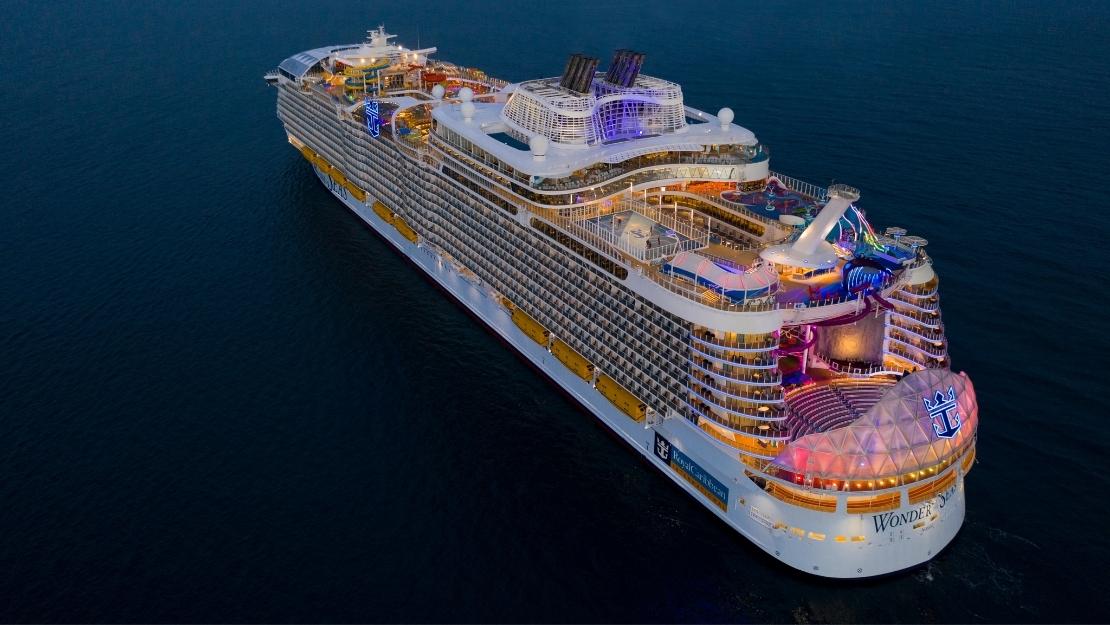
The same predictive technologies optimizing ship operations are also being leveraged to create a hyper-personalized and seamless passenger experience. AI-driven analytics can anticipate passenger needs and preferences, suggesting tailored activities, dining options, or shore excursions. For tracking, this could mean highly precise arrival time predictions, personalized notifications about port changes, or even augmented reality features in cruise line apps that allow passengers to “see” their ship’s journey overlaid on a real-world map. Predictive analytics can also inform route optimization not just for efficiency but for passenger comfort, avoiding rough seas when possible. Imagine a ship’s system automatically adjusting cabin temperatures based on passenger preferences, or notifying them of the best time to visit a crowded deck attraction. As connectivity improves and data collection becomes more sophisticated, cruise lines can use these insights to offer an almost prescient level of service, making every voyage uniquely tailored and inherently more enjoyable, further integrating the “where” of the ship with the “what” of the passenger’s journey.
The question “Where is my cruise ship?” has truly evolved. It is no longer just about locating a vessel on a map, but about understanding a complex digital ecosystem that enhances safety, optimizes operations, and enriches the entire cruising experience. From the foundational AIS and satellite networks to cutting-edge AI and IoT integrations, technology continues to transform our relationship with the seas. As these innovations advance, the maritime world will become even more connected, transparent, and responsive, promising a future where every journey, and every ship, is meticulously tracked and meticulously managed.
aViewFromTheCave is a participant in the Amazon Services LLC Associates Program, an affiliate advertising program designed to provide a means for sites to earn advertising fees by advertising and linking to Amazon.com. Amazon, the Amazon logo, AmazonSupply, and the AmazonSupply logo are trademarks of Amazon.com, Inc. or its affiliates. As an Amazon Associate we earn affiliate commissions from qualifying purchases.