
The question “Where is Microsoft Head Office?” might seem like a simple query for a geographical coordinate, but for a global technology titan like Microsoft, its headquarters represents far more than just an address. It is a powerful symbol of its corporate identity, a physical manifestation of its brand values, and a strategic hub that influences its global presence and culture. Within the realm of brand strategy, the head office serves as a tangible anchor for a company’s narrative, embodying its history, current aspirations, and future vision. Understanding the significance of Microsoft’s central campus in Redmond, Washington, offers a profound case study in how a physical space can be meticulously crafted to reinforce and project a powerful corporate brand.
Redmond: More Than Just a Location, It’s a Brand Hub
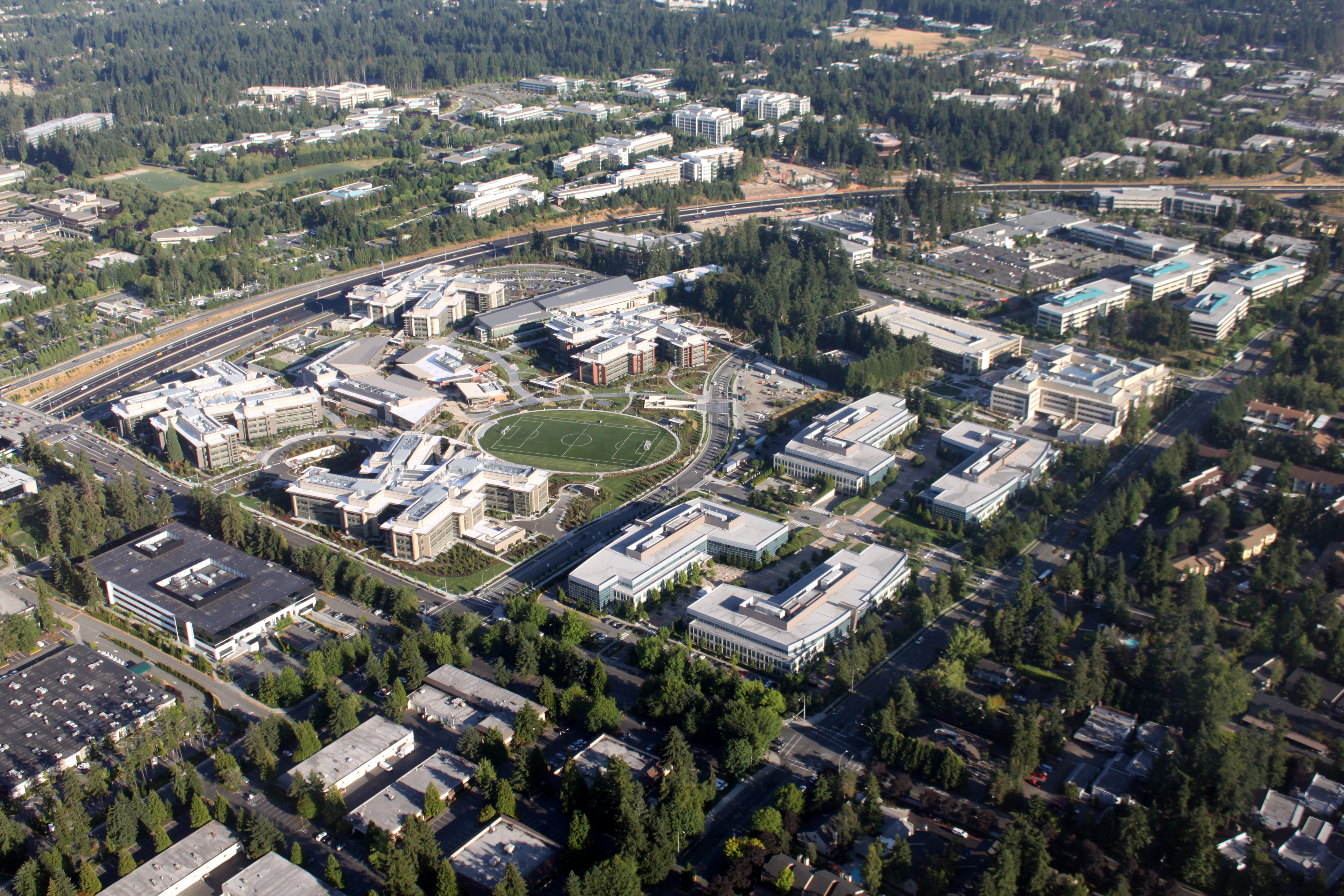
Redmond, Washington, is synonymous with Microsoft. It is not merely the site of the company’s head office but has evolved into a sprawling campus that acts as a nerve center for innovation, collaboration, and the articulation of the Microsoft brand. This strategic location near Seattle in the Pacific Northwest has been the home of Microsoft for decades, allowing the company to cultivate a unique identity rooted in its origins while simultaneously projecting a forward-looking, global image. The choice and development of this campus are deliberate acts of brand building, reflecting the company’s ethos and ambition.
The Campus as a Corporate Identity Statement
Microsoft’s Redmond campus is a living, breathing testament to its corporate identity. Spanning hundreds of acres and housing dozens of buildings, it is designed not just for functionality but to communicate the brand’s core values: innovation, collaboration, diversity, and impact. From the architectural styles to the interior designs, every element is curated to foster an environment conducive to creativity and productivity, while simultaneously serving as a powerful statement to employees, partners, and the world about what Microsoft stands for. The campus acts as a physical manifestation of the brand mission, reflecting a blend of technological advancement and human-centric design. It’s a place where the brand’s mission and vision are tangibly experienced, not just articulated in marketing materials. Visitors and employees alike are immersed in an environment that reinforces the company’s dedication to solving complex problems and empowering people through technology. This immersive brand experience strengthens loyalty and understanding, both internally and externally.
Fostering Innovation and Collaboration Through Design
At the heart of Microsoft’s brand ethos is innovation. The Redmond campus is intentionally designed to be a crucible for groundbreaking ideas. Its layout features a mix of open-plan workspaces, quiet zones, state-of-the-art labs, and numerous informal meeting areas, all strategically placed to encourage serendipitous encounters and cross-departmental collaboration. This architectural philosophy is a direct reflection of the brand’s commitment to breaking down silos and fostering a culture where ideas can organically germinate and flourish. The campus environment itself becomes a tool for innovation, a physical space that actively promotes the kind of thinking that drives Microsoft’s product development and market leadership. Facilities like Microsoft Garage, dedicated to grassroots innovation, are integrated into the campus fabric, providing spaces for employees to pursue passion projects, further cementing the brand’s image as a leader in pushing technological boundaries. This approach not only enhances internal productivity but also externally signals Microsoft’s dedication to pioneering new solutions, solidifying its brand reputation as an innovation powerhouse.
A Symbol of Global Reach and Influence
While Microsoft is a global enterprise with offices in virtually every major city worldwide, the Redmond campus remains its undisputed gravitational center. It is the locus from which strategic decisions emanate, global initiatives are coordinated, and the overarching brand narrative is shaped. This centralized hub serves as a powerful symbol of Microsoft’s global reach and influence, a physical representation of its interconnected network of operations and diverse workforce. When one speaks of Microsoft, the image of its Redmond headquarters often comes to mind, underscoring its role as the quintessential embodiment of the brand’s power and presence on the world stage. It’s where global leadership gathers, where major product launches are often orchestrated, and where the company’s strategic future is charted. This focal point is crucial for maintaining a cohesive global brand identity, ensuring that despite geographic and cultural variations in local offices, the core Microsoft brand message remains consistent and strong.
The Evolution of Microsoft’s Physical Presence
The story of Microsoft’s head office is a microcosm of the company’s remarkable journey, tracing its evolution from a nimble startup to a multinational behemoth. Its physical expansion and modernization projects over the decades are not just about accommodating growth; they are strategic investments in reinforcing and evolving the Microsoft brand, adapting its corporate identity to changing times and technological landscapes.
From Humble Beginnings to a Global Empire
Microsoft’s origins were modest, far removed from the grandeur of its current campus. Founded by Bill Gates and Paul Allen in Albuquerque, New Mexico, the company eventually moved to Bellevue, Washington, before establishing its permanent home in Redmond. This progression from rented office spaces to its own purpose-built campus reflects Microsoft’s ascent in the technology world. Each physical move and expansion marked a new phase of growth and ambition, solidifying its brand identity as a serious, expanding player. The transition to Redmond in the late 1980s was a critical juncture, providing the space and infrastructure necessary for the company to truly scale and establish a lasting physical footprint that would support its burgeoning global aspirations. This journey from a small startup to an empire, mirrored in its real estate choices, communicates resilience, visionary leadership, and exponential growth—all key facets of the Microsoft brand story.
Project Campus Modernization: Reinventing the Brand Space
In recent years, Microsoft embarked on an ambitious multi-year “Project Campus Modernization” in Redmond. This wasn’t merely a renovation; it was a wholesale reinvention designed to future-proof the campus and, by extension, the Microsoft brand. The goal was to create a more open, interconnected, and sustainable environment that would foster the next generation of innovation and collaboration. The modernization effort speaks volumes about Microsoft’s commitment to adaptability and forward-thinking. It showcases a brand willing to invest significantly in its physical infrastructure to align with evolving work cultures, technological advancements, and sustainability goals. This massive undertaking signals to employees, potential hires, and the industry at large that Microsoft is a dynamic, evolving brand that prioritizes its people and its planet, reinforcing a modern, responsible corporate identity. The new designs emphasize natural light, green spaces, and integrated technology, all aimed at enhancing well-being and productivity, directly linking environmental and human values to the brand’s core.
Integrating Culture and Values into Architecture
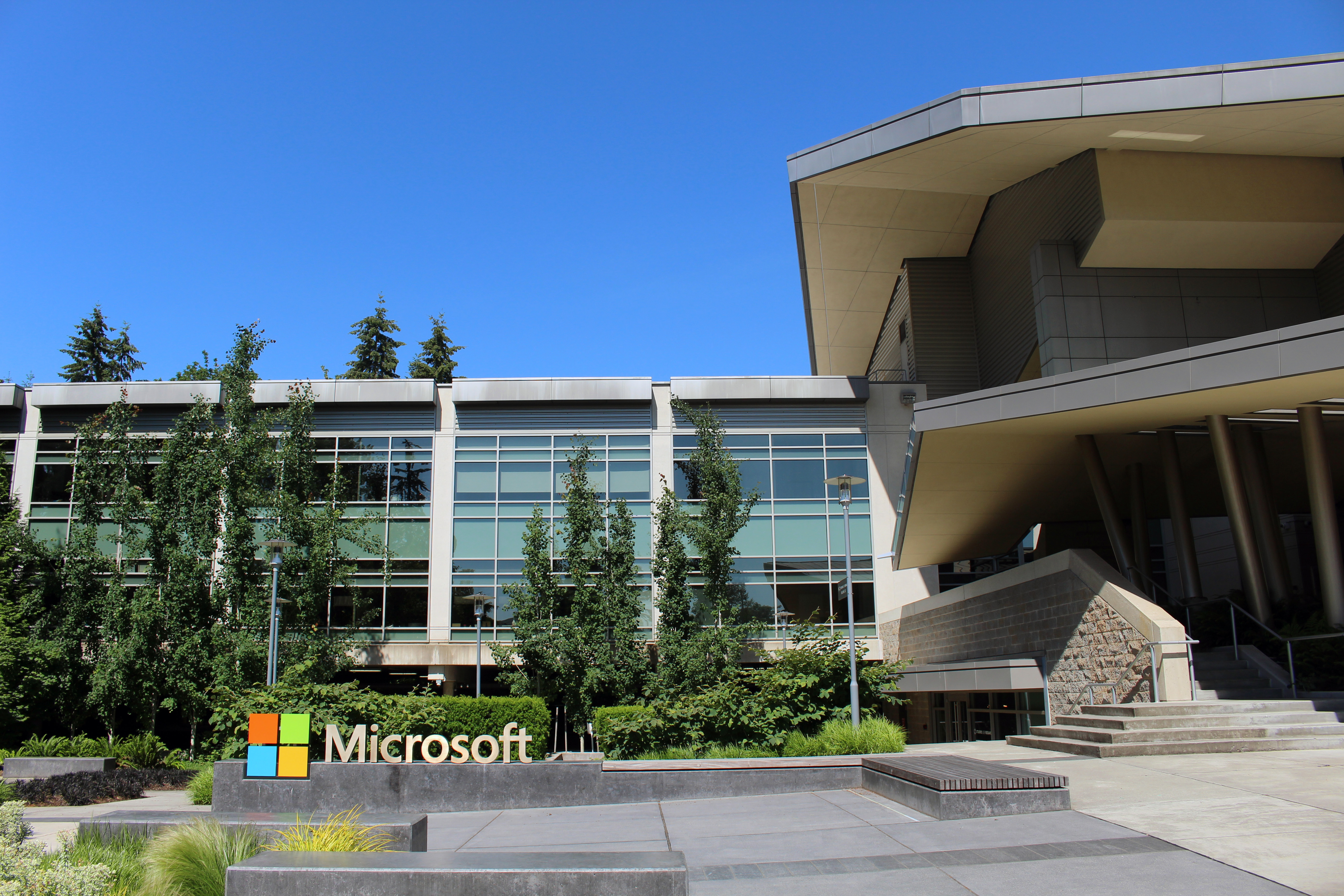
The architectural and design choices within the Redmond campus are meticulously planned to embody Microsoft’s corporate culture and values. From the vibrant common areas that encourage impromptu brainstorming sessions to the cutting-edge labs equipped with the latest technology, every detail reflects a brand that champions creativity, technological leadership, and a collaborative spirit. The inclusion of diverse dining options, wellness centers, and recreational facilities also speaks to a brand that values employee well-being and a holistic approach to work-life integration. By integrating these cultural touchstones directly into its physical spaces, Microsoft creates an environment where its brand values are not just abstract concepts but lived experiences, fostering a strong sense of belonging and purpose among its workforce. This deliberate integration of culture into architecture reinforces a positive employer brand, attracting top talent who resonate with these values. It demonstrates that Microsoft walks the talk, proving its commitment to its people and principles through tangible investments in its physical environment.
The Strategic Importance of a Centralized Headquarters
While many companies embrace remote work and decentralized operations, the maintenance and continuous investment in a significant, centralized headquarters like Microsoft’s in Redmond underscores its profound strategic importance for brand cohesion, talent acquisition, and stakeholder engagement. A physical hub provides an undeniable focal point for the corporate brand.
Enhancing Brand Cohesion and Messaging
A central head office like Redmond acts as the primary guardian of Microsoft’s brand cohesion. It’s where the overarching brand strategy is formulated, marketing campaigns are conceptualized, and core messaging is refined. This centralization ensures a consistent brand narrative across all global touchpoints, from product launches to customer interactions. Without a strong central anchor, the brand message could become fragmented or diluted across various regions and departments. The physical campus, therefore, is not just an operational center but a brand control tower, ensuring that Microsoft’s identity remains clear, unified, and impactful worldwide. This centralized approach allows for immediate feedback loops and rapid adjustments to brand strategy, ensuring agility in a fast-paced market. It also serves as a critical resource for training and development, embedding brand values deeply within the workforce.
Attracting and Retaining Top Talent
In the fiercely competitive technology sector, a company’s headquarters plays a crucial role in attracting and retaining top talent. Microsoft’s Redmond campus, with its world-class facilities, vibrant work environment, and reputation as a hub of innovation, is a significant draw for engineers, designers, and business professionals globally. It offers a tangible promise of cutting-edge resources, a collaborative culture, and opportunities for professional growth. The investment in creating an exceptional physical workspace signals to potential employees that Microsoft is committed to providing the best possible environment for them to thrive, thereby strengthening its employer brand and securing its competitive edge in the talent war. The campus offers more than just a job; it offers an experience and a community, which are powerful differentiators in attracting the best minds. It’s a place where ambition meets opportunity, reinforcing Microsoft’s brand as a leader in career development.
A Beacon for Stakeholders and Partnerships
The Redmond campus serves as a powerful beacon for a wide array of stakeholders, including investors, partners, government officials, and the media. It provides a concrete location for key meetings, demonstrations, and strategic discussions. Hosting these critical interactions at the company’s headquarters lends credibility, gravitas, and an immersive brand experience that remote interactions cannot fully replicate. It allows stakeholders to physically witness the scale of Microsoft’s operations, the depth of its innovation, and the strength of its corporate culture, all of which reinforce confidence in the brand and foster stronger partnerships. The campus often hosts major industry events, product reveals, and executive conferences, positioning it as a key node in the global tech ecosystem and further elevating Microsoft’s brand stature as a central player in shaping the future of technology.
Redmond’s Role in the Broader Microsoft Brand Ecosystem
While Redmond stands as the flagship, it exists within a much larger, interconnected global brand ecosystem. The relationship between the central headquarters and its numerous global offices is critical for maintaining a consistent yet adaptable brand identity that resonates across diverse markets.
Global Offices Reflecting Local Brand Needs
Microsoft’s global footprint extends far beyond Redmond, with offices in countries across every continent. These regional offices, while adhering to the overarching Microsoft brand guidelines, also possess the flexibility to adapt their identity and messaging to resonate with local cultures and market specifics. Redmond provides the central strategic framework, but it empowers its global counterparts to interpret and implement the brand in ways that are locally relevant and impactful. This balance between global consistency and local adaptation is a hallmark of successful international branding, ensuring that Microsoft remains a universally recognized leader while also being perceived as a responsive and understanding partner in each market. Each global office, in its own way, acts as an ambassador, translating the Redmond-born vision into local context, thereby expanding the brand’s reach and affinity.
The Digital and Physical Brand Experience
In an increasingly digital world, the synergy between Microsoft’s physical brand (its headquarters and offices) and its digital brand (its online presence, software interfaces, and cloud services) is paramount. The Redmond campus itself is a testament to technological integration, showcasing Microsoft’s own products and solutions in action, from smart building systems to collaborative software tools used internally. This provides a tangible example of how Microsoft’s technology can empower real-world environments. The physical headquarters reinforces the credibility and tangible nature of its digital offerings, creating a holistic brand experience that spans both the analog and digital realms. This seamless integration ensures that whether one experiences Microsoft through a software interface or a visit to its campus, the core brand values and identity remain consistent and compelling. It’s a powerful demonstration of its own “eat your own dog food” philosophy, building trust and showcasing practical application.
Future-Proofing the Corporate Identity
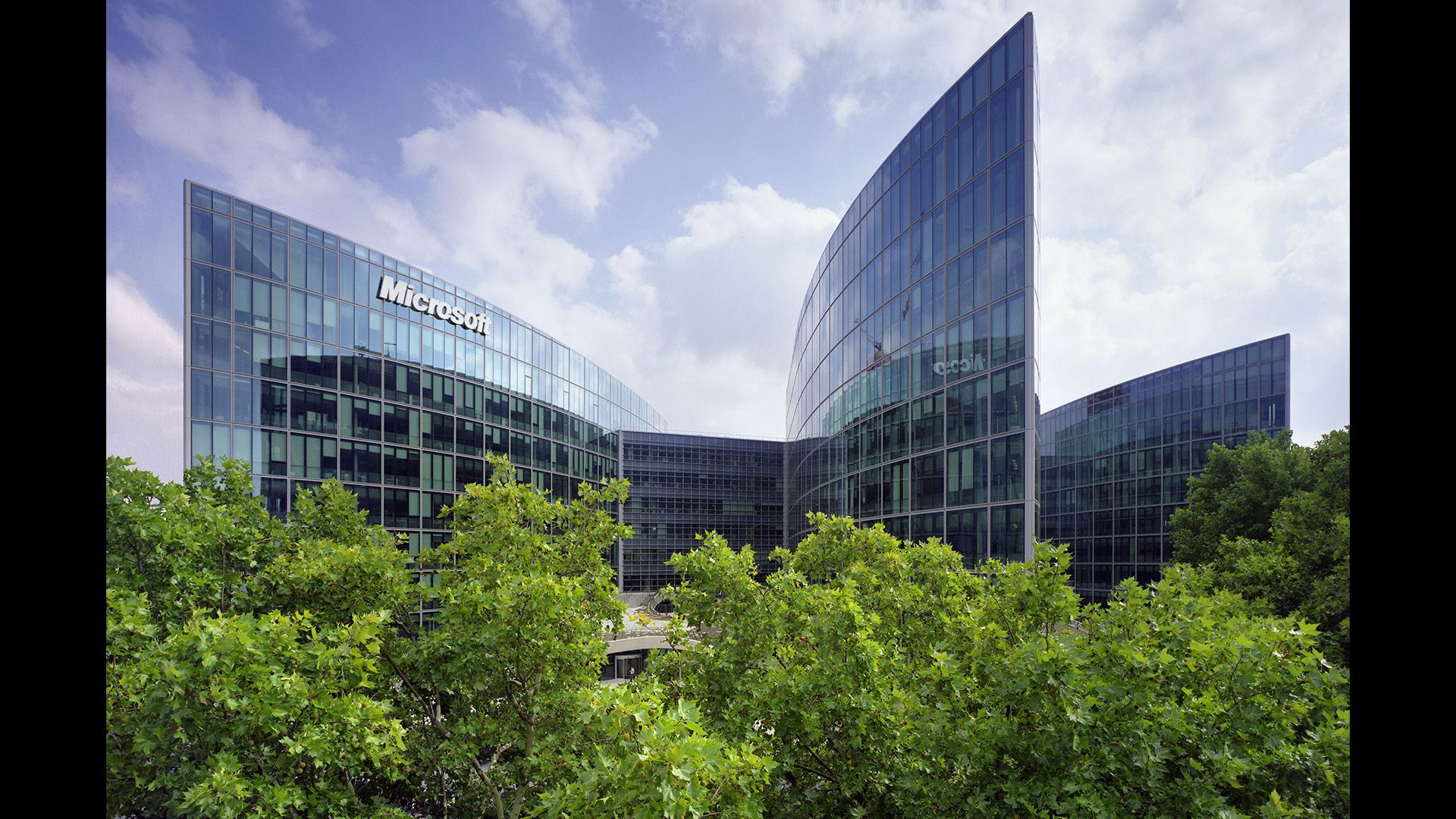
The continuous investment in and evolution of the Redmond campus is a strategic move to future-proof Microsoft’s corporate identity. As technology and work paradigms shift, the physical embodiment of the brand must also evolve to remain relevant and aspirational. The modernization efforts, emphasis on sustainability, and creation of flexible workspaces all reflect a brand that is proactively adapting to future challenges and opportunities. By ensuring its headquarters remains at the cutting edge, Microsoft not only attracts future talent but also projects an image of enduring leadership and adaptability. The Redmond campus is, therefore, a dynamic asset in Microsoft’s brand portfolio, constantly being refined and reimagined to ensure the company’s identity remains robust, inspiring, and ahead of its time, securing its legacy as a pioneer in the global technology landscape. It’s a commitment to maintaining a physical space that reflects the brand’s intellectual and innovative leadership for decades to come.
aViewFromTheCave is a participant in the Amazon Services LLC Associates Program, an affiliate advertising program designed to provide a means for sites to earn advertising fees by advertising and linking to Amazon.com. Amazon, the Amazon logo, AmazonSupply, and the AmazonSupply logo are trademarks of Amazon.com, Inc. or its affiliates. As an Amazon Associate we earn affiliate commissions from qualifying purchases.