
The Health Savings Account (HSA) stands as one of the most powerful financial tools available for individuals enrolled in a high-deductible health plan (HDHP). Touted for its “triple-tax advantage” – tax-deductible contributions, tax-free growth, and tax-free withdrawals for qualified medical expenses – it’s an account designed to help Americans manage healthcare costs while simultaneously building a robust savings vehicle. However, the allure of easily accessible funds can sometimes lead to misunderstandings about its intended use, prompting the critical question: what are the repercussions of using your HSA for non-medical expenses? Understanding these implications is paramount to leveraging your HSA effectively and avoiding significant financial penalties.
The Foundation of an HSA: Qualified Medical Expenses Are Key
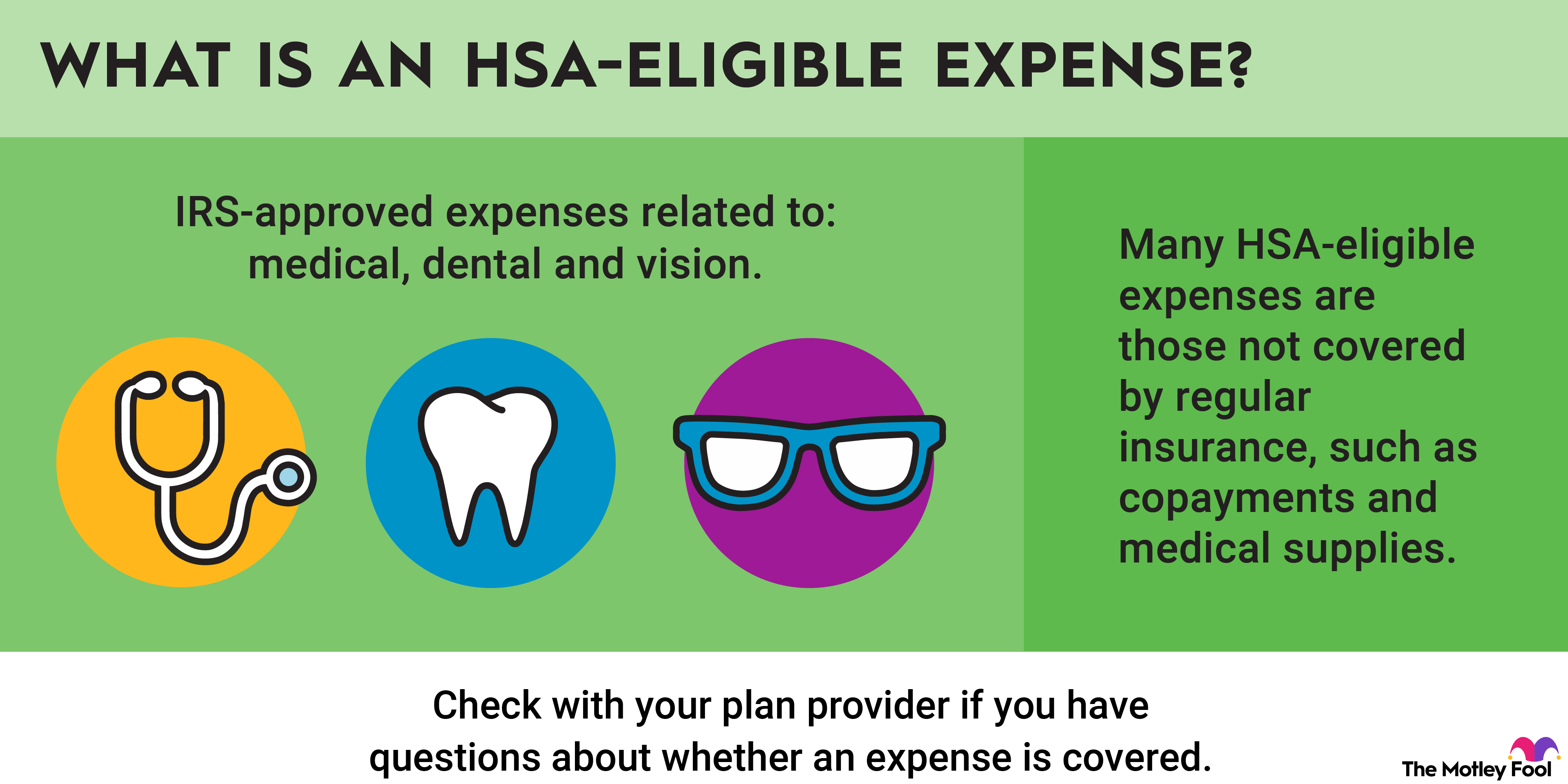
At its core, an HSA is strictly purposed for covering “qualified medical expenses.” The Internal Revenue Service (IRS) provides detailed guidelines on what constitutes a qualified medical expense in Publication 502. These expenses generally include amounts paid for the diagnosis, cure, mitigation, treatment, or prevention of disease, and for treatments affecting any structure or function of the body. This encompasses a wide range of services and products, from doctor visits, hospital stays, prescription medications, and dental care to vision care, certain over-the-counter medications with a prescription (or now, many without), and even some long-term care insurance premiums.
Defining “Qualified” vs. “Non-Qualified”
The distinction between a qualified and non-qualified expense is crucial. A “non-medical” expense, in the context of an HSA, is any withdrawal from the account that does not align with the IRS definition of a qualified medical expense. This could range from paying for groceries, utility bills, or a new television, to a vacation or even non-prescribed health supplements that don’t have a clear medical purpose. While the funds in an HSA might feel like any other bank account, they are not. They are earmarked for a specific purpose, and straying from that purpose carries significant financial consequences.
The Steep Price of Non-Qualified Withdrawals
Using your HSA funds for non-medical expenses before you reach age 65 triggers a series of penalties that can significantly diminish the value of your withdrawal. The IRS enforces these rules strictly to ensure the account’s integrity as a healthcare savings tool.
The 20% Penalty Tax
The most immediate and impactful consequence of a non-qualified withdrawal is the imposition of a 20% penalty tax. This penalty is applied to the entire amount of the non-qualified distribution. For example, if you withdraw $1,000 from your HSA for a non-medical reason, you will owe an additional $200 (20% of $1,000) in penalty tax on top of your regular income taxes. This penalty is designed to deter individuals from using their HSA as a general-purpose emergency fund or a convenient source of cash for discretionary spending.
Income Tax Implications
Beyond the 20% penalty, any amount withdrawn from your HSA for non-qualified expenses is also subject to ordinary income tax. This means the withdrawn funds are added to your taxable income for the year, just like wages or other taxable income. The income tax rate applied will depend on your individual tax bracket. Combining the 20% penalty with your marginal income tax rate can result in a substantial portion of your withdrawal being lost to taxes and penalties. For someone in a 24% federal tax bracket, a non-qualified withdrawal could effectively be taxed at 44% (20% penalty + 24% income tax), not including any potential state income taxes.
State-Specific Tax Rules
It’s important to note that while the federal rules for HSAs are uniform across the U.S., some states have different tax treatments. For instance, a few states do not conform to the federal tax-exempt status of HSAs, meaning contributions or withdrawals might be subject to state income taxes even if they are qualified medical expenses. For non-qualified withdrawals, state income taxes would almost certainly apply in these states, adding another layer of cost to an already expensive mistake. Always check your specific state’s tax laws regarding HSAs.
The Age 65 Exception

One critical exception to the 20% penalty tax rule is when the account holder reaches age 65. Once you turn 65, the 20% penalty for non-qualified withdrawals is waived. However, the funds withdrawn for non-medical expenses are still subject to ordinary income tax. This means that after age 65, your HSA essentially functions like a traditional IRA or 401(k) for non-medical distributions. This flexibility makes the HSA an excellent retirement savings vehicle, as individuals can use the funds tax-free for medical expenses throughout retirement, or as supplemental income (taxable) if healthcare costs are lower than anticipated.
Navigating the Rules: Best Practices and Avoiding Pitfalls
Avoiding the penalties associated with non-qualified HSA withdrawals requires diligence, careful record-keeping, and a clear understanding of the rules.
Meticulous Record-Keeping
The burden of proof for qualified medical expenses rests entirely on the HSA account holder. If the IRS audits you, you must be able to substantiate that every dollar withdrawn tax-free from your HSA was used for a qualified medical expense. This necessitates keeping detailed records, including:
- Receipts: For all medical services, prescriptions, and qualifying over-the-counter items.
- Explanation of Benefits (EOB) statements: From your health insurance provider, detailing what was covered and what you paid out-of-pocket.
- Invoices: From doctors, dentists, optometrists, and other healthcare providers.
- Bank/HSA statements: To link withdrawals to specific expenses.
These records should be kept for at least three years from the date you file your tax return, as this is the general statute of limitations for IRS audits. Many financial advisors recommend keeping them even longer, or indefinitely, especially if you are employing a “shoebox strategy” (see below).
Understanding IRS Publication 502
For any doubt about whether an expense is qualified, consulting IRS Publication 502, “Medical and Dental Expenses,” is essential. This document provides an exhaustive list of what is and isn’t considered a qualified medical expense. Staying informed about changes to these guidelines is also important, as the rules can evolve (e.g., the CARES Act expanded qualified expenses to include many over-the-counter medications and menstrual products without a prescription).
The “Shoebox Strategy” (or Future Reimbursement)
One of the most powerful and often underutilized strategies for HSA optimization is paying for current medical expenses out-of-pocket and saving your receipts, rather than immediately withdrawing from your HSA. This allows your HSA funds to continue growing tax-free through investments. Years later, even in retirement, you can reimburse yourself for all those accumulated qualified medical expenses with a single, tax-free withdrawal from your HSA. This “shoebox strategy” effectively turns your HSA into an even more potent retirement savings vehicle, especially if you have significant out-of-pocket medical costs over many years. When you eventually reimburse yourself, the withdrawal is tax-free, and you’ve allowed your initial contributions to grow significantly.
Consulting a Tax Professional
When in doubt, especially concerning large withdrawals or complex expense scenarios, consulting a qualified tax professional or financial advisor is highly recommended. They can provide personalized advice, clarify specific rules, and help you navigate the intricacies of HSA regulations to ensure compliance and optimize your financial strategy.

Maximizing Your HSA: A Retirement Powerhouse
Given the severe penalties for non-qualified use before age 65, the best approach to an HSA is to treat it with the respect it deserves as a specialized financial instrument. It’s not merely a checking account for current medical bills; it’s a long-term investment vehicle that offers unparalleled tax advantages when used correctly.
By contributing the maximum allowable amount each year, investing those funds in a diversified portfolio (if your HSA provider offers investment options), and only withdrawing for qualified medical expenses (or strategically deferring reimbursements), you can harness the full power of your HSA. It can serve as a primary funding source for healthcare costs in retirement, reducing the strain on other retirement accounts like 401(k)s and IRAs, and even providing a tax-advantaged source of income after age 65 if your medical needs are met elsewhere.
In conclusion, while the temptation to dip into your HSA for non-medical emergencies or desires might arise, the financial repercussions are significant. A 20% penalty combined with ordinary income tax before age 65 can erase a substantial portion of your withdrawal. By understanding and adhering to the rules, maintaining meticulous records, and strategically planning its use, your HSA can remain a cornerstone of your financial health, both now and in retirement.
aViewFromTheCave is a participant in the Amazon Services LLC Associates Program, an affiliate advertising program designed to provide a means for sites to earn advertising fees by advertising and linking to Amazon.com. Amazon, the Amazon logo, AmazonSupply, and the AmazonSupply logo are trademarks of Amazon.com, Inc. or its affiliates. As an Amazon Associate we earn affiliate commissions from qualifying purchases.