
To ask “Where is Lululemon?” is to inquire about more than just a physical storefront or a geographical location. In the modern retail landscape, Lululemon Athletica has transcended its origins as a niche yoga wear provider to become a dominant force in the global apparel industry. To find where the brand resides today, one must look at the intersection of high-performance technical design, sophisticated community-led marketing, and a masterclass in brand positioning that has redefined the “athleisure” category.
The Evolution of a Niche: From Yoga Studios to Global Identity
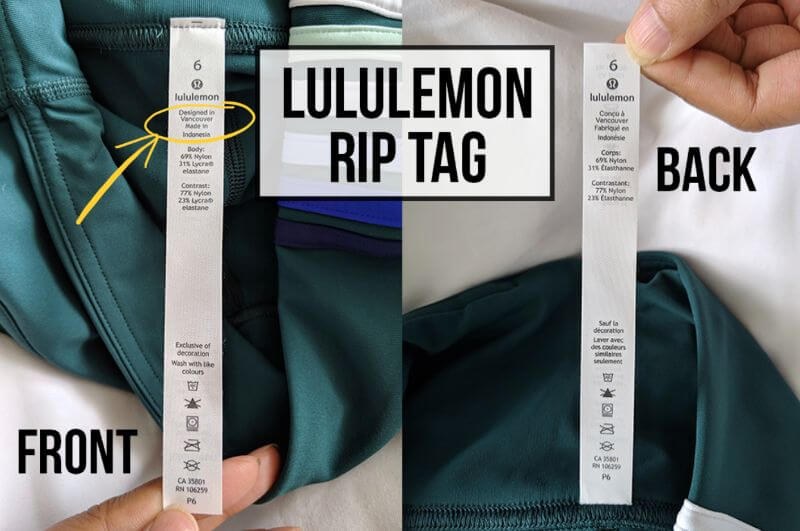
Lululemon’s journey began in 1998 in Vancouver, British Columbia, as a design studio by day and a yoga studio by night. However, its current position is far removed from those modest beginnings. The brand has successfully navigated the transition from a specialized equipment provider for yogis to a comprehensive lifestyle brand that dictates fashion trends and consumer behavior across multiple demographics.
The Birth of the Technical Lifestyle
At its core, Lululemon’s brand strategy has always been rooted in problem-solving. By identifying the limitations of contemporary athletic gear—specifically the lack of sweat-wicking properties and the aesthetic shortcomings of traditional gym clothes—the brand carved out a new space. This was not just “activewear”; it was “technical apparel.” This distinction allowed Lululemon to command a premium price point from the outset, positioning its products as essential tools for a specific, wellness-oriented lifestyle.
The Science of Feel as a Brand Pillar
Where Lululemon distinguishes itself from legacy sports brands like Nike or Adidas is in its “Science of Feel” philosophy. While traditional competitors often focus on speed, power, and external performance metrics, Lululemon’s brand identity is built on internal sensation. This strategic shift in focus—from how a garment helps you perform to how it makes you feel—has created a unique emotional bond with its audience. By prioritizing comfort, sensory feedback, and psychological well-being, the brand has successfully positioned itself as a partner in the consumer’s personal growth and wellness journey.
The Community-Led Marketing Engine
A significant part of “where” Lululemon exists is within the communities it has meticulously built. Unlike many brands that rely on traditional celebrity endorsements and high-budget television commercials, Lululemon’s brand strategy is decentralized and grassroots. This approach has fostered an unparalleled level of brand loyalty and authenticity.
The Ambassador Program: Decentralized Branding
The Lululemon Ambassador program is perhaps the most effective localized marketing strategy in the retail world. By partnering with local yoga instructors, fitness trainers, and community leaders, Lululemon integrates itself into the daily lives of its target market. These ambassadors are not just “influencers”; they are trusted authorities within their local micro-communities. This provides the brand with a level of social proof that a billboard or a digital ad cannot replicate. The “where” of the brand is in the local spin class, the neighborhood run club, and the community yoga center.
Creating an Experiential Ecosystem
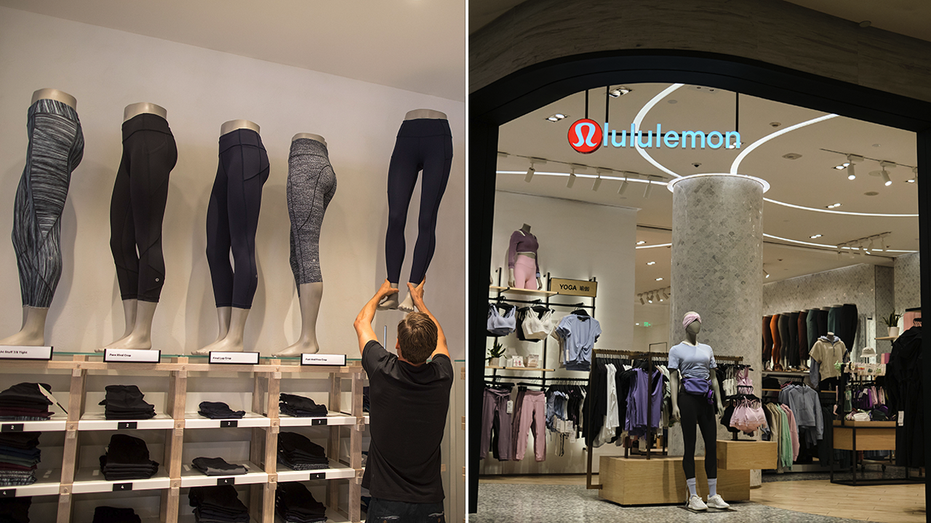
Lululemon’s physical locations are designed to be more than retail points. They are community hubs. By offering in-store classes, hosting local events, and creating spaces that encourage social interaction, the brand reinforces its identity as a facilitator of a lifestyle rather than a mere purveyor of goods. This experiential marketing strategy ensures that the brand remains top-of-mind not just when a consumer needs new leggings, but whenever they engage in their wellness routine.
Brand Strategy and the Power of Scarcity
From a strategic perspective, Lululemon’s market position is fortified by a disciplined approach to inventory and pricing. This has allowed the brand to avoid the “discount trap” that has eroded the brand equity of many of its peers.

Vertical Integration and Control
Lululemon operates a primarily direct-to-consumer (DTC) model. By controlling its distribution channels—through its own physical stores and its e-commerce platform—the brand maintains absolute control over its narrative, customer data, and pricing. This vertical integration allows for a seamless brand experience, whether a customer is shopping in a flagship store in Soho or browsing on a mobile device in Tokyo.
The Premiumization of Sweat
Lululemon has successfully rebranded “sweat” as a luxury experience. Through sleek, minimalist store designs and a focus on high-end materials like Nulu and Luxtreme, the brand has convinced consumers that athletic gear is a worthy investment. The scarcity of certain colors and seasonal drops creates a “buy-it-now” urgency, maintaining high full-price sell-through rates. This strategy has ensured that Lululemon remains a premium brand, even as it scales globally, protecting its margins and its aspirational status.
Mapping the Future: Expansion into New Frontiers
To understand where Lululemon is going, one must look at its “Power of Three ×2” growth strategy. This roadmap outlines the brand’s intentions to double its men’s revenue, double its digital revenue, and quadruple its international revenue. This is a bold pivot from its traditional focus on the North American female consumer.
The Men’s Growth Opportunity
For years, Lululemon was perceived as a women’s yoga brand. However, recent years have seen a massive push into the men’s category. By focusing on “OOM” (Out of Mind) comfort and versatile apparel that transitions from the office to the gym, Lululemon is capturing a significant share of the male market. The brand strategy here is not to be a “masculine” version of the women’s brand, but rather a functional, performance-oriented solution for the modern man who values both aesthetics and utility.
Global Footprint and Digital Transformation
International expansion is where the brand is seeing its most aggressive growth. With a heavy focus on the Asia-Pacific region, particularly China, Lululemon is replicating its community-led model in diverse cultural contexts. Simultaneously, the brand is investing heavily in its digital ecosystem. This isn’t just about e-commerce; it’s about digital community engagement, personalized shopping experiences, and leveraging data to predict future trends. The brand is no longer just in the mall; it is in the pocket of every consumer, integrated into their digital life.
Product Diversification: From Apparel to Footwear
The recent entry into the footwear market marks another major milestone in the brand’s evolution. By applying its “Science of Feel” to shoes—starting with a “woman-first” design philosophy—Lululemon is challenging the male-centric design history of the footwear industry. This move signals Lululemon’s intent to be a head-to-toe lifestyle brand, further encroaching on the territory of traditional athletic giants.
The Verdict: Where Lululemon Resides in the Modern Consumer’s Mind
So, where is Lululemon?
Strategically, Lululemon is in a position of rare strength. It occupies a “white space” that it largely created: a blend of high-fashion aesthetics, technical performance, and community-driven purpose. It is no longer just a retailer; it is a cultural signifier. Wearing the stylized “A” logo communicates a set of values regarding health, status, and personal discipline.
The brand has successfully moved beyond the “athleisure” trend to become a permanent fixture in the modern wardrobe. It has survived economic downturns and intense competition by remaining focused on its core identity while being agile enough to expand into new categories and markets.
Lululemon is currently at the pinnacle of the premium activewear market, but its true location is in the habits and aspirations of its guests. By positioning itself as an essential part of the “well-lived life,” Lululemon has ensured that it is not just a place where people shop, but a brand that people live in. As it continues to innovate in fabric technology and expand its global community, the answer to “where is Lululemon” will continue to evolve, moving further away from its yoga roots and closer to becoming an all-encompassing global lifestyle authority.
aViewFromTheCave is a participant in the Amazon Services LLC Associates Program, an affiliate advertising program designed to provide a means for sites to earn advertising fees by advertising and linking to Amazon.com. Amazon, the Amazon logo, AmazonSupply, and the AmazonSupply logo are trademarks of Amazon.com, Inc. or its affiliates. As an Amazon Associate we earn affiliate commissions from qualifying purchases.