
When we ask the question “where is Lululemon from,” the answer is multifaceted. Geographically, it is a product of the Pacific Northwest. Culturally, it is a product of the late-90s wellness explosion. Strategically, it is one of the most successful examples of brand positioning in modern corporate history. To understand Lululemon is to understand how a small design studio in a Vancouver basement transformed into a multi-billion-dollar global powerhouse that redefined an entire category of apparel.
Lululemon Athletica was founded in 1998 by Chip Wilson in Vancouver, British Columbia, Canada. However, its “origin” is less about a point on a map and more about the birth of a brand identity that fused technical performance with a specific aspirational lifestyle. By examining its roots, its strategic community-building, and its relentless focus on corporate identity, we can trace the trajectory of a brand that taught the world that “leggings are pants.”
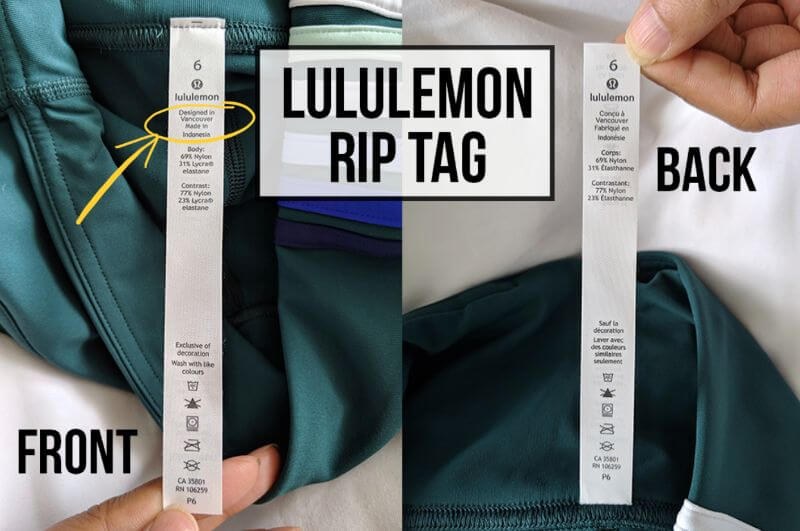
The Geographic Roots: From Vancouver to the World
The DNA of Lululemon is inextricably linked to the environment of Vancouver. In the late 1990s, the city was a crucible for a specific type of health-conscious, outdoor-oriented lifestyle. This geographic context provided the perfect laboratory for a brand that wanted to bridge the gap between athletic gear and daily wear.
The Kitsilano Beginning
Lululemon’s first location was in Kitsilano, a neighborhood in Vancouver known for its proximity to the beach and its burgeoning yoga community. Originally, the space functioned as a design studio by day and a yoga studio by night. This dual-purpose origin is critical to the brand’s identity. It wasn’t just a retail store; it was a community hub. By hosting classes, Wilson and his team gained immediate, real-time feedback from their target demographic. They didn’t just guess what yoga practitioners wanted; they watched them sweat and listened to their complaints about chafing, transparency, and poor fit.
The West Coast Aesthetic
The “West Coast” aesthetic of Vancouver—where one might hike a mountain in the morning and go to a business meeting in the afternoon—deeply influenced Lululemon’s design philosophy. This environment birthed the concept of “athleisure” before the term even existed. The brand emerged from a place where being active was the social norm, allowing Lululemon to position itself not as a niche sports brand, but as a lifestyle essential for the modern, active individual.
Cultivating a Lifestyle: The Brand Strategy of Community
While many brands focus on traditional advertising, Lululemon’s meteoric rise was fueled by a grassroots brand strategy that prioritized “belonging” over “buying.” When people ask where Lululemon is from, the answer is often “from my local yoga studio.”
The Brand Ambassador Program
One of Lululemon’s most brilliant strategic moves was the creation of its Ambassador Program. Instead of paying millions for celebrity endorsements, the brand focused on local “influencers” before the term was popularized by social media. They sought out the most respected yoga instructors and fitness leaders in a city and provided them with free gear. In exchange, these ambassadors provided feedback and, more importantly, acted as a living billboard for the brand within their local communities. This created a sense of authenticity and “word-of-mouth” credibility that traditional commercials could never achieve.
The Manifesto and the “Sweatlife”
Lululemon’s corporate identity is characterized by its “Manifesto”—a collection of aphorisms and philosophical snippets printed on its iconic red shopping bags. Phrases like “Do one thing a day that scares you” or “Drink fresh water and as much as you can” transformed the product from a garment into a philosophy. This strategy shifted the customer’s perception from “I am buying leggings” to “I am joining a movement.” This is the essence of brand tribalism; Lululemon didn’t just sell clothes; it sold a membership to a club of high-achievers who prioritized wellness.
Identity and Innovation: The Science of “Feel”

A significant part of Lululemon’s brand identity is its commitment to technical innovation. The brand has consistently positioned itself as a “technology company for the body,” focusing on the sensory experience of clothing—what they call the “Science of Feel.”
Technical Apparel as a Brand Pillar
From its inception, Lululemon focused on solving the technical problems of yoga apparel. Before Lululemon, most yoga gear was made of thin cotton that became heavy with sweat and lost its shape. The brand’s introduction of Luon—a trademarked, nylon-lycra blend—set a new industry standard. By branding their fabrics (Luon, Nulux, Everlux), Lululemon created an intellectual property moat around their products. Customers don’t just ask for “soft leggings”; they ask for “Nulu fabric.” This naming convention reinforces the brand’s identity as a leader in textile engineering.
The Logo as a Status Symbol
The Lululemon logo—often mistaken for a stylized “A” but actually a stylized “Ω”—has become a badge of status. The placement of the logo, usually on the back of the waistband or the calf, is a subtle yet powerful branding tool. It signifies that the wearer is part of the “Sweatlife” community. In the world of personal branding, wearing Lululemon communicates a specific set of values: health, wealth (given the premium price point), and a commitment to self-improvement.
Global Expansion and the “Sweatlife” Identity
As Lululemon grew from a Canadian secret to a global powerhouse, the challenge was to maintain its boutique, community-driven feel while operating at a massive scale. The brand’s strategy for global expansion has been a masterclass in maintaining brand integrity across diverse markets.
Adapting Identity to Global Markets
When Lululemon enters a new market, whether it’s Shanghai, London, or New York, it doesn’t just open a store. It spends months, sometimes years, building relationships with local fitness communities. The brand strategy remains the same: identify the local leaders, build the community, and then introduce the retail component. This “inside-out” approach ensures that the brand feels local even as it operates as a multinational corporation.
Maintaining Brand Integrity at Scale
One of the risks of rapid growth is the dilution of brand value. Lululemon has navigated this by strictly controlling its distribution. You won’t find Lululemon in big-box department stores or discount outlets. By keeping sales primarily through its own branded stores and website, Lululemon maintains total control over the customer experience and the brand narrative. This scarcity and exclusivity help maintain its premium positioning, ensuring that the brand never becomes a commodity.
The Future of the Lululemon Brand Legacy
Today, Lululemon is no longer just a yoga brand. It has expanded into running, training, golf, and even footwear. However, its core brand identity remains rooted in its Vancouver origins and its commitment to the “Sweatlife.”
Beyond Yoga: Diversifying the Identity
The brand’s move into menswear and “On the Move” (office/travel) attire represents a strategic evolution. By applying their technical fabric expertise to everyday clothing, Lululemon is attempting to own the entire wardrobe of the active professional. The brand identity is shifting from “yoga apparel” to “human performance apparel.” This transition is backed by their “Power of Three ×2” growth strategy, which focuses on product innovation, guest experience, and market expansion.

Sustainability and Corporate Responsibility
As a modern brand, Lululemon’s identity is increasingly tied to its social and environmental impact. Their “Be Human, Be Well, and Be Planet” pillars are an effort to align the brand with the values of a younger, more conscious consumer base. From using recycled materials to investing in mental health initiatives, the brand is evolving its “where is it from” narrative to include “what does it stand for.”
In conclusion, Lululemon is from Vancouver, but its impact is universal. It is a brand built on the intersection of technical excellence and psychological belonging. By turning a functional garment into a symbol of a lifestyle, Lululemon didn’t just create a successful business; it created a blueprint for how a brand can define a culture. Whether you are in a yoga studio in Kitsilano or a high-rise in Tokyo, the Lululemon logo represents the same thing: a commitment to the “Sweatlife” and a legacy of innovation that started in a small basement in 1998.
aViewFromTheCave is a participant in the Amazon Services LLC Associates Program, an affiliate advertising program designed to provide a means for sites to earn advertising fees by advertising and linking to Amazon.com. Amazon, the Amazon logo, AmazonSupply, and the AmazonSupply logo are trademarks of Amazon.com, Inc. or its affiliates. As an Amazon Associate we earn affiliate commissions from qualifying purchases.