
Lululemon Athletica Inc. has, over the past quarter-century, cemented its status as a global powerhouse in athletic apparel, synonymous with premium quality, performance, and a distinctive lifestyle. From its origins as a yoga wear retailer in Vancouver, the brand has cultivated a fiercely loyal customer base willing to invest in its high-end leggings, tops, and accessories. Yet, behind the sleek designs and innovative fabrics lies a complex and extensive global manufacturing network. For a brand that prides itself on quality, ethics, and community, understanding where Lululemon clothes are made is not merely a geographical query but a critical lens through which to examine its brand strategy, corporate identity, and commitment to transparency. This article delves into the intricate web of Lululemon’s global supply chain, exploring the strategic decisions, geographical concentrations, and brand implications of its manufacturing footprint.
The Complex Tapestry of Global Manufacturing for Premium Brands
The journey of a Lululemon garment, from design concept to consumer, spans continents and involves a myriad of partners. Like many global brands, Lululemon leverages a sophisticated network of third-party manufacturers, primarily to capitalize on specialized expertise, cost efficiencies, and access to raw materials. This strategic approach is foundational to maintaining competitive pricing while upholding premium quality.
The Rationale Behind Offshore Production
For a brand operating at Lululemon’s scale, the decision to produce garments offshore is driven by several compelling factors. Firstly, cost efficiency remains a significant driver. Labor costs in many Asian countries, while increasing, are still generally lower than in Western nations, allowing brands to manage production expenses without compromising quality. Secondly, these regions often possess highly specialized labor and established textile industries. Countries like Vietnam, Cambodia, and Sri Lanka have decades of experience in apparel manufacturing, boasting skilled workforces adept at handling technical fabrics and intricate construction methods vital for performance wear. Thirdly, proximity to raw materials and sophisticated textile mills further streamlines the supply chain, reducing transportation costs and lead times for innovative fabrics. Finally, the ability to scale production rapidly to meet global demand is crucial, and large manufacturing hubs offer the capacity and infrastructure to do so effectively.
Navigating Geopolitical and Economic Landscapes
Operating a global supply chain means constantly adapting to a dynamic geopolitical and economic environment. Trade policies, tariffs, labor laws, and political stability in manufacturing countries directly impact production costs, logistics, and lead times. Lululemon, like any multinational corporation, must monitor these factors closely, diversifying its manufacturing base to mitigate risks associated with over-reliance on a single region or country. For example, trade tensions between the US and China have prompted many brands to explore manufacturing alternatives outside China, accelerating a broader trend towards supply chain diversification. This constant adaptation is a crucial aspect of brand resilience.
Balancing Cost, Quality, and Ethical Sourcing
Perhaps the most significant challenge for a premium brand with offshore manufacturing is the delicate balance between cost optimization, maintaining stringent quality standards, and ensuring ethical labor practices. Consumers of high-end brands like Lululemon expect impeccable quality and increasingly demand transparency regarding the origins and ethical production of their garments. This necessitates robust oversight, meticulous quality control processes, and comprehensive ethical sourcing programs to ensure that manufacturing partners adhere to the brand’s values and code of conduct, thus safeguarding its reputation.
Lululemon’s Key Manufacturing Hubs and Partners
While Lululemon does not own its manufacturing facilities, it partners with a carefully selected network of third-party manufacturers across various countries. This distributed model allows the brand to tap into specific expertise and production capacities globally.
Asia as a Dominant Production Zone
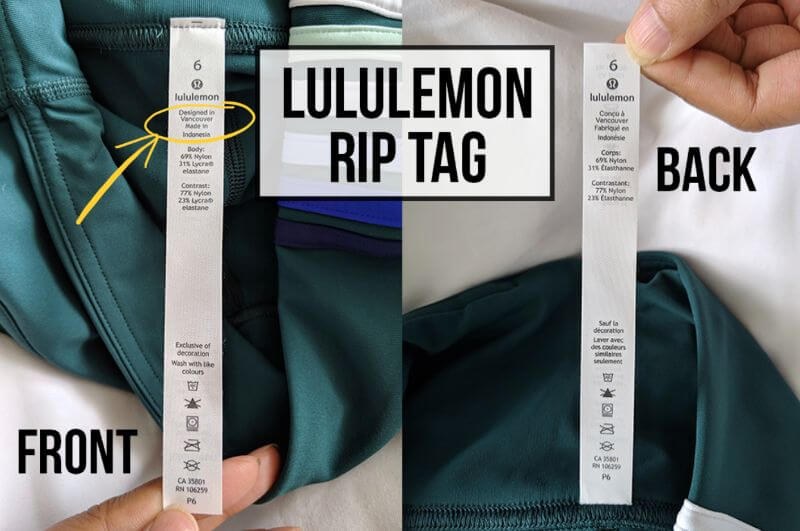
The vast majority of Lululemon’s manufacturing takes place in Asia, a region renowned for its established textile and apparel industries. Key production countries include:
- Vietnam: A major hub for athletic apparel, known for its skilled labor, competitive costs, and strong manufacturing infrastructure. Many complex technical garments are produced here.
- Cambodia: Offers cost-effective production and a growing textile industry, often used for more standard apparel items.
- Sri Lanka: Known for high-quality garment manufacturing, particularly for performance wear, with a focus on ethical labor practices.
- Indonesia: A significant producer of textiles and apparel, providing scale and a diverse range of manufacturing capabilities.
- China: Historically a dominant manufacturing partner, China remains important for Lululemon, especially for specialized fabrics, advanced technologies, and components, despite ongoing diversification efforts.
- Taiwan: Often a source for advanced textile manufacturing, including innovative fabrics and components, due to its strong textile R&D capabilities.
These countries are favored due to their experienced workforces, capacity for large-scale production, and established ecosystems for textile sourcing and garment construction, all critical elements for a brand like Lululemon that emphasizes material innovation and technical design.
European and North American Contributions
While Asia dominates, Lululemon may also utilize manufacturing partners in other regions for specific purposes. European manufacturers might be engaged for highly specialized components, niche products requiring unique craftsmanship, or for advanced research and development projects related to new materials or production techniques. Similarly, North American production might occur for certain limited-edition collections, rapid prototyping, or to cater to specific market demands for “Made in USA/Canada” products, though these represent a much smaller portion of their overall output. Such strategic regional placements underscore a brand’s flexibility and ability to meet diverse demands.
The Role of Third-Party Manufacturers
Lululemon’s reliance on third-party manufacturers means that its brand integrity is intrinsically linked to the performance and practices of its partners. The brand’s responsibility extends beyond its own operations to ensuring that these manufacturers comply with its stringent standards for quality, ethics, and environmental stewardship. This requires comprehensive supplier selection processes, ongoing auditing, and capacity-building initiatives to foster long-term, mutually beneficial relationships that uphold the Lululemon brand promise.
Beyond Location: Lululemon’s Approach to Supply Chain Transparency and Brand Reputation
In an era of heightened consumer awareness, merely knowing where products are made is insufficient. Modern consumers, especially those investing in premium brands, demand insights into how and under what conditions products are manufactured. Lululemon’s brand reputation is therefore heavily invested in its ability to demonstrate responsible supply chain management.
Ethical Sourcing and Labor Practices
Lululemon emphasizes its commitment to ethical sourcing and responsible labor practices across its supply chain. This commitment is articulated through a comprehensive Vendor Code of Ethics, which outlines expectations for fair wages, safe working conditions, prohibitions against forced labor and child labor, and respect for freedom of association. The brand conducts regular factory audits by independent third parties to assess compliance, identify potential issues, and drive corrective actions. For a premium brand, these efforts are not just regulatory necessities but fundamental pillars of its corporate identity, directly impacting consumer trust and brand loyalty. Any lapse in these areas can severely damage a brand’s meticulously built image.
Environmental Sustainability in Production
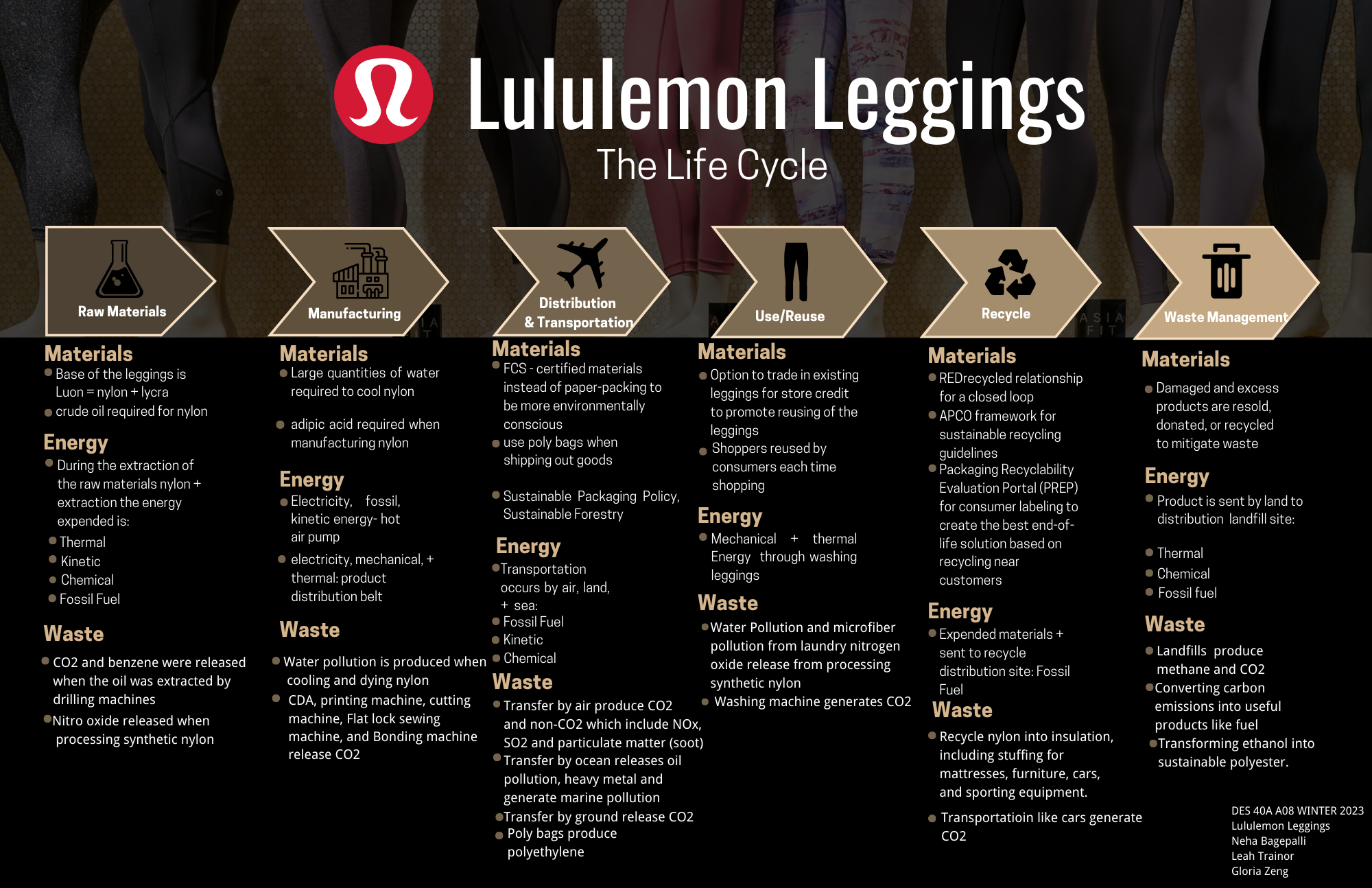
Environmental sustainability is another critical dimension of Lululemon’s brand strategy that extends to its manufacturing processes. This includes efforts to source more sustainable materials (e.g., recycled polyester, organic cotton), reduce water and energy consumption at factories, minimize waste generation, and implement responsible chemical management. The brand actively collaborates with its manufacturing partners to identify and implement cleaner production techniques and invest in greener technologies. By integrating sustainability into its supply chain, Lululemon reinforces its brand values, appeals to environmentally conscious consumers, and mitigates reputational risks associated with environmental negligence.
Supply Chain Auditing and Due Diligence
To safeguard its brand and ensure compliance, Lululemon employs a rigorous program of supply chain auditing and due diligence. This involves initial assessments of potential suppliers, ongoing scheduled and unannounced audits, and comprehensive remediation plans for non-compliant factories. Beyond mere compliance, Lululemon often engages in capacity-building initiatives, providing training and support to help its manufacturing partners improve their social and environmental performance. This proactive approach to monitoring and improving supplier practices is vital for a brand that positions itself on transparency and integrity, turning potential liabilities into opportunities to strengthen its brand narrative.
The Impact of Manufacturing Location on Lululemon’s Brand Identity
The geographical dispersion of Lululemon’s manufacturing has profound implications for its brand identity, touching upon everything from product quality to consumer perception and operational resilience.
Quality Control and Innovation
Despite a distributed manufacturing model, Lululemon maintains a strong focus on consistent quality and continuous innovation, which are hallmarks of its premium brand. The brand invests heavily in material science and product development, often collaborating closely with key suppliers to develop proprietary fabrics like Luon, Nulu, and Everlux. Robust quality control protocols are implemented at every stage of the manufacturing process, from raw material inspection to final product testing, regardless of the factory’s location. This unwavering commitment ensures that every garment meets the brand’s exacting standards, thereby protecting its reputation for durability and performance.
Consumer Perception and “Made In” Narratives
The “Made In” label can significantly influence consumer perception, particularly for a premium brand. While Lululemon’s primary manufacturing locations are in Asia, the brand’s emphasis shifts from geographical origin to the overall promise of quality, performance, and ethical production. However, some consumers may have preferences or perceptions associated with certain manufacturing countries. Lululemon manages this by focusing its brand messaging on its comprehensive commitment to quality, innovation, and ethical sourcing, rather than solely on country of origin. This strategy aims to build trust in its brand ethos, transcending specific manufacturing locations.
Mitigating Risks and Building Resilience
A diversified manufacturing base, while complex to manage, offers significant advantages in terms of brand resilience. By spreading production across multiple countries and numerous factories, Lululemon can mitigate risks associated with disruptions in any single region, whether due to natural disasters, political instability, or pandemics. This agility allows the brand to adapt quickly to unforeseen circumstances, ensuring continuity of supply and minimizing potential impacts on product availability and consumer satisfaction – both critical for maintaining brand loyalty and market share.
The Future of Lululemon’s Manufacturing and Brand Evolution
The landscape of global manufacturing is continually evolving, driven by technological advancements, shifting geopolitical dynamics, and escalating consumer demands for responsible business practices. Lululemon’s future brand evolution will undoubtedly be shaped by how it adapts its manufacturing strategy to these emerging trends.
Trends Towards Regionalization and Nearshoring
While Asia will likely remain central to Lululemon’s production, there’s a growing global trend towards regionalization and nearshoring. This involves bringing manufacturing closer to key markets (e.g., North America, Europe) to reduce lead times, minimize shipping costs, enhance supply chain agility, and potentially reduce environmental impact. Such a shift could offer Lululemon opportunities to respond more quickly to fashion trends and consumer demand, further cementing its brand as responsive and efficient.
Technological Integration in Supply Chain Management
The future of Lululemon’s supply chain will heavily leverage technology. Data analytics, artificial intelligence, blockchain, and the Internet of Things (IoT) can provide unprecedented levels of transparency and efficiency. These tools can optimize inventory management, predict demand, track products from raw material to retail shelf, and provide real-time insights into factory conditions. For a brand, such technological integration translates into enhanced control, greater accountability, and the ability to offer consumers more detailed and verifiable information about their products, thereby reinforcing trust and brand authenticity.
Evolving Consumer Expectations for Responsible Brands
Consumers are increasingly scrutinizing the environmental and social footprint of the brands they support. Lululemon’s brand future is tied to its continued ability to meet these evolving expectations. This means not just complying with ethical standards but actively leading in areas like circularity, material innovation, and fair labor practices. Brands that can genuinely demonstrate a commitment to these values throughout their entire supply chain will build stronger, more resilient relationships with consumers, ensuring long-term brand relevance and success.
In conclusion, understanding “where Lululemon clothes are made” reveals more than just a list of countries; it unveils the intricate brand strategy behind a global leader in athletic apparel. Lululemon’s reliance on a diverse network of third-party manufacturers, primarily in Asia, is a strategic choice driven by cost efficiencies, specialized labor, and scale. However, the brand’s success hinges on its rigorous approach to ethical sourcing, environmental sustainability, and stringent quality control across this global footprint. These efforts are not peripheral but central to Lululemon’s corporate identity, safeguarding its premium image, fostering consumer trust, and ensuring its continued relevance in a rapidly changing world. For Lululemon, the journey of a garment is a testament to its commitment to brand excellence, from concept to wardrobe.
aViewFromTheCave is a participant in the Amazon Services LLC Associates Program, an affiliate advertising program designed to provide a means for sites to earn advertising fees by advertising and linking to Amazon.com. Amazon, the Amazon logo, AmazonSupply, and the AmazonSupply logo are trademarks of Amazon.com, Inc. or its affiliates. As an Amazon Associate we earn affiliate commissions from qualifying purchases.