
The Allure of Rare Pennies: More Than Just Copper
For most individuals, a penny is little more than a vestige of commerce, often left ignored in coin trays or discarded without a second thought. Its face value, one cent, hardly inspires grand financial aspirations. Yet, within the realm of numismatics – the study and collection of currency – certain pennies transcend their humble origins, transforming into highly sought-after artifacts capable of fetching millions at auction. These aren’t just pieces of copper; they are tangible slices of history, rare anomalies, and powerful investments that command extraordinary sums from dedicated collectors and astute investors.

The journey of the penny in the United States began in 1793, evolving through various designs and compositions over centuries. Initially, large cents made of pure copper were common. With time, the size shrank, and by 1909, the iconic Lincoln cent, designed by Victor David Brenner, debuted, forever changing the landscape of American coinage. It is within this modern era, particularly among these Lincoln cents, that some of the most astonishing financial valuations have emerged. The fascination lies not in their intrinsic metallic worth, which is negligible, but in their numismatic value – a complex interplay of rarity, historical context, condition, and desirability that elevates them far beyond their humble face value into the upper echelons of alternative asset classes. Understanding this distinction is crucial to comprehending why a single penny can become a millionaire’s treasure.
What Makes a Penny Priceless? Factors Driving Value
The disparity between a common penny and a million-dollar rarity is vast, driven by a confluence of specific characteristics that are meticulously evaluated by experts. These factors are the bedrock of numismatic valuation, dictating whether a coin is merely pocket change or a significant financial asset.
Rarity and Scarcity
The most fundamental driver of a coin’s value is its rarity. This isn’t just about a low original mintage figure, but more critically, the number of surviving examples today. Coins might have been melted down, lost, or simply not preserved due to their common perception. Historical events, economic shifts, or minting accidents can inadvertently create extreme scarcity. For instance, a coin produced during a metal shortage or an experimental run that was mostly destroyed becomes inherently rare. The fewer known examples of a particular coin, especially in high grades, the higher its potential market value. This supply-side constraint is a powerful force in coin markets, much like any other collectible market.
Condition and Grade
Even the rarest coin will fetch a fraction of its potential value if it is in poor condition. Numismatists use a standardized grading system, most famously the Sheldon scale, which ranges from 1 (Poor) to 70 (Perfect Mint State). Professional grading services like PCGS (Professional Coin Grading Service) and NGC (Numismatic Guaranty Company) authenticate and encapsulate coins, providing an impartial assessment of their condition. Factors considered include wear, luster, strike quality, absence of scratches or environmental damage, and eye appeal. A difference of just one point on the grading scale can translate into tens or hundreds of thousands of dollars in value, particularly for rare issues. A coin in “Mint State 67 Red” (MS-67 RD), indicating exceptional preservation with full original copper luster, will be vastly more valuable than the same coin graded “Fine 12” (F-12). Investors in numismatics often prioritize coins in the highest possible grades, recognizing their superior liquidity and appreciation potential.
Mint Errors and Varieties
Some of the most spectacular penny values arise from mint errors or significant die varieties. These are not flaws in the traditional sense but rather unique aberrations that occurred during the coin production process. Such anomalies transform an ordinary coin into a rare curiosity. Examples include:
- Doubled Dies: When a coin’s die is struck more than once in slightly different positions, creating a noticeable doubling of design elements like letters or dates.
- Off-Center Strikes: When a coin blank (planchet) is not properly centered in the coining press, resulting in a portion of the design being missing and an unstruck blank area.
- Wrong Planchet Errors: When a coin is struck on a blank intended for a different denomination or metal composition. This is the source of some of the most famous and valuable pennies.
- Missing Mint Marks or Dates: Sometimes due to filled dies or other production issues, critical identifying marks can be absent.
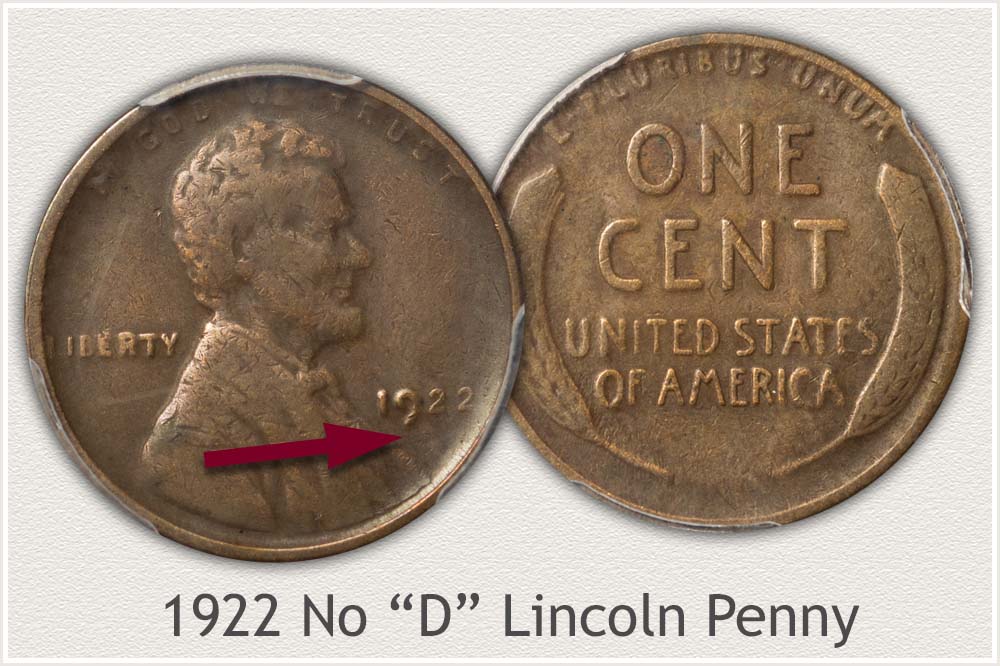
- Re-punched Mint Marks: Where a mint mark was punched into the die more than once, leaving a faint “shadow” of a previous impression.
These errors are generally accidental and often corrected quickly, leading to extremely limited production runs that become invaluable to collectors.
Historical Significance and Provenance
Beyond the physical characteristics, a coin’s story can significantly enhance its value. A coin with a documented history, especially one owned by a famous numismatist, a celebrity, or tied to a significant historical event, can command a premium. This “provenance” adds an intangible layer of appeal and desirability, often influencing auction results.
The Reigning Champions: Top 3 Most Expensive Pennies
While many pennies carry substantial value, a select few have achieved legendary status, breaking auction records and captivating the financial world with their astonishing price tags. These are the titans of the numismatic penny market.
The 1943 Copper Lincoln Cent
Widely regarded as the holy grail of penny collecting, the 1943 Copper Lincoln Cent is a spectacular error coin that defies logic. During World War II, copper was a critical war material, leading the U.S. Mint to switch penny production from copper to zinc-coated steel to conserve resources. However, a tiny number of copper planchets from 1942 somehow remained in the minting presses when 1943 dies were used, resulting in an estimated 10-15 genuine copper pennies being struck.
These coins were initially dismissed as fakes, but their authenticity was eventually confirmed. Their extreme rarity and the compelling wartime narrative have cemented their iconic status. One of the finest known examples, graded PCGS MS-63 Brown, sold for an astounding $1.7 million in 2010. Another, graded PCGS MS-62, brought in $1.2 million in 2021. The 1943 copper penny remains the undisputed “most expensive penny,” a testament to the power of a rare mint error combined with historical context.

The 1944 Steel Lincoln Cent
The inverse error of the 1943 copper penny, the 1944 Steel Lincoln Cent, is nearly as captivating and valuable. In 1944, the Mint reverted to copper for penny production as the copper shortage eased. However, a small number of leftover steel planchets from 1943 were mistakenly fed into the presses. This resulted in a very limited number of 1944-dated pennies struck on steel.
These steel cents are also exceptionally rare, with estimates suggesting fewer than 40 exist across all mints. Like their 1943 copper counterparts, their scarcity, coupled with the unique story of wartime material changes, drives their immense value. A 1944-S Steel Cent (from the San Francisco mint) graded PCGS MS-64 realized $373,750 at auction in 2021, while another 1944 steel penny (from the Philadelphia mint) sold for $180,000 in 2013. These coins represent a rare opportunity to own a piece of wartime numismatic history.
The 1909-S VDB Lincoln Cent
While not an error coin, the 1909-S VDB Lincoln Cent is a prime example of rarity stemming from a combination of low mintage and initial controversy. This coin was the inaugural year for the Lincoln cent design, which prominently featured the designer Victor David Brenner’s initials “V.D.B.” on the reverse. Public outcry and a policy against prominent designer initials led to the removal of the VDB initials shortly after production began.
The San Francisco Mint (indicated by the ‘S’ mintmark) had the lowest production run of the VDB variety before the change, striking only 484,000 coins. This low mintage, combined with the historical narrative of the design change, made the 1909-S VDB an instant collectible. Today, high-grade examples are highly coveted. A PCGS MS-67 Red example sold for $312,000 in 2014, and other top-tier specimens consistently command six-figure sums, making it one of the most famous and valuable regular-issue pennies.
Investing in Numismatics: A Collector’s Financial Journey
For sophisticated investors, rare coins, particularly those with a proven track record of appreciation like the valuable pennies, represent a fascinating alternative asset class. Unlike stocks or bonds, coins offer tangible value, often acting as a hedge against inflation and market volatility. The market for high-end numismatics is global and often less correlated with traditional financial markets, making it an attractive diversification tool for a robust investment portfolio.
However, coin investing is not without its nuances and risks. It requires a significant upfront investment in education, market research, and a deep understanding of grading and authenticity. Liquidity can be lower than publicly traded assets, and transaction costs (dealer markups, auction fees) can be substantial. Proper storage, insurance, and security are also critical considerations to protect physical assets. Despite these challenges, the long-term appreciation demonstrated by truly rare and high-grade coins can be substantial, offering both financial returns and the unique satisfaction of owning a piece of history.
Identifying Hidden Gems: Tips for Aspiring Coin Investors
For those intrigued by the potential of numismatic investment, approaching the market with diligence and strategic insight is paramount. Unearthing a hidden gem or making a sound investment requires more than just luck; it demands knowledge and a disciplined approach.
Education is Key
Before any financial commitment, immerse yourself in numismatic literature. Study coin series, minting processes, error varieties, and historical market trends. Reputable books, online resources, and numismatic periodicals offer invaluable insights. Understanding the specific factors that contribute to a coin’s rarity and value for each series is crucial. Attend coin shows and engage with experienced collectors and dealers.
Authenticity and Professional Grading
Never purchase a high-value coin without independent authentication and professional grading from a trusted third-party service like PCGS or NGC. Counterfeits and altered coins are a significant risk in the numismatic market. Graded coins, encapsulated in tamper-evident holders, provide confidence in their authenticity, grade, and therefore, their market value. This is a non-negotiable step for serious investors.
Focus on Condition and Rarity
As discussed, condition and rarity are the primary drivers of value. When considering an investment, prioritize coins in the highest possible grades for their rarity. These coins tend to be more liquid and exhibit stronger appreciation over time. Avoid purchasing “bargain” coins that are significantly damaged or poorly graded, as these are much harder to sell and unlikely to appreciate significantly.
Build Relationships with Reputable Dealers
Establishing trust with established and ethical coin dealers is invaluable. They possess expertise, access to networks, and often have inventory that might not be publicly listed. A good dealer can provide guidance, help source specific coins, and offer fair pricing. However, always perform your own due diligence and get second opinions when making significant purchases.
Financial Considerations and Exit Strategy
Treat coin collecting as a serious financial endeavor. Determine a budget and stick to it. Factor in the costs of acquisition, grading, insurance, and secure storage. Understand the market cycles and have a clear exit strategy. Knowing when and how you might liquidate your assets is as important as knowing what to buy. While the thrill of finding “the most expensive penny” is undeniable, a disciplined, informed approach ensures that your journey into numismatic investment is both rewarding and financially sound.
aViewFromTheCave is a participant in the Amazon Services LLC Associates Program, an affiliate advertising program designed to provide a means for sites to earn advertising fees by advertising and linking to Amazon.com. Amazon, the Amazon logo, AmazonSupply, and the AmazonSupply logo are trademarks of Amazon.com, Inc. or its affiliates. As an Amazon Associate we earn affiliate commissions from qualifying purchases.