
In the competitive landscape of American retail, a company’s physical base of operations often speaks volumes about its corporate identity, its target demographic, and its strategic positioning. For Kohl’s, one of the largest department store chains in the United States, the answer to “where is Kohl’s headquarters?” is not found in the fashion corridors of New York City or the tech hubs of Silicon Valley. Instead, the heart of the Kohl’s brand beats in Menomonee Falls, Wisconsin—a suburb of Milwaukee.
This location is far from accidental. It is a deliberate manifestation of a brand strategy that prioritizes Midwestern values, accessibility, and a deep connection to the “everyday American” consumer. By maintaining its massive corporate campus in Menomonee Falls, Kohl’s reinforces its identity as a value-driven, family-oriented retailer that understands the needs of the suburban household. To understand the Kohl’s brand, one must understand why it has chosen to stay rooted in the Badger State for over sixty years.

The Geographical Heart of a Value-Centric Brand
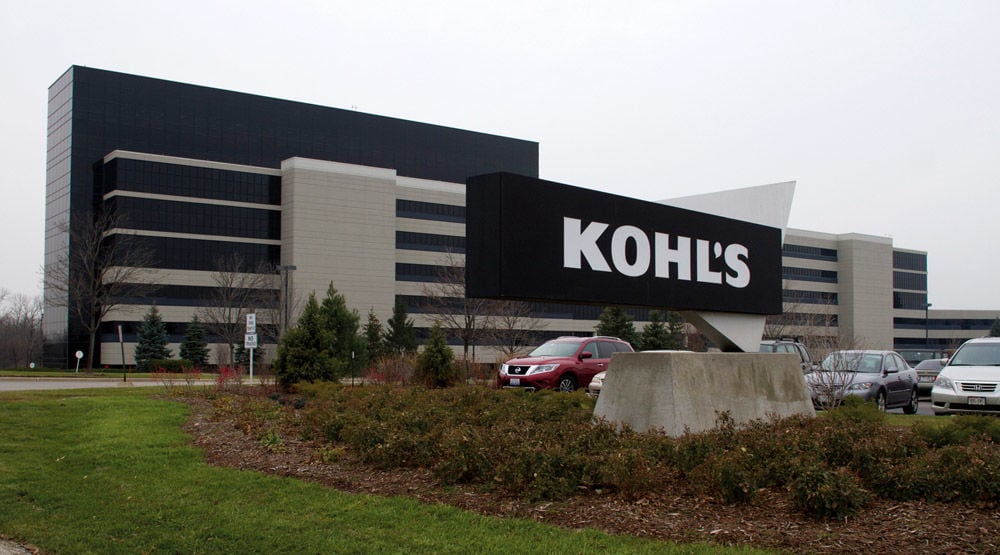
The Kohl’s corporate headquarters, located at N56 W17000 Ridgewood Drive in Menomonee Falls, serves as the central nervous system for over 1,100 stores across 49 states. While many of its competitors have sought the prestige of coastal urban centers, Kohl’s has doubled down on its Wisconsin roots. This geographical choice is a cornerstone of its brand strategy, signaling a commitment to authenticity and a rejection of the “elitist” connotations often associated with high-fashion retail.
Maintaining Value-Driven Roots
The brand’s origin story is deeply tied to the local community. Founded by Maxwell Kohl as a grocery store in Milwaukee in 1927, the company didn’t open its first department store until 1962. By keeping the headquarters in the same region where it was founded, Kohl’s communicates stability and loyalty. In the world of brand strategy, this is known as “heritage branding.” It tells the customer that the company hasn’t forgotten where it came from, even as it scales to a multi-billion-dollar enterprise. This resonates particularly well with their core demographic: middle-income families who value longevity and practical innovation over fleeting trends.
The Symbolism of the “Middle America” Identity
Being headquartered in Menomonee Falls allows Kohl’s executives and designers to live and work in the same environments as their customers. This creates a feedback loop that is inherently empathetic. When the brand designs a back-to-school campaign or a seasonal home collection, it is doing so from the perspective of the suburban Midwest, not a high-rise in Manhattan. This “Middle America” identity is the brand’s greatest strength, allowing it to act as a bridge between high-end national brands and the budget-conscious consumer.
Architectural Identity and the Culture of Innovation
The physical layout of the Kohl’s headquarters is a testament to its corporate culture and its evolving brand identity. The campus is not just a collection of office buildings; it is a designed environment intended to foster the “Kohl’s Way”—a philosophy centered on collaboration, efficiency, and a “yes we can” attitude.
The Innovation Center: Branding through Technology
A significant part of the Menomonee Falls footprint is the Kohl’s Innovation Center. This facility was designed to house the company’s technology, credit, and digital teams. From a brand perspective, the Innovation Center serves as a signal to investors and talent that Kohl’s is not a “legacy” retailer stuck in the past. The architecture itself—open floor plans, collaborative spaces, and modern aesthetic—reflects a brand that is pivoting toward an omnichannel future.
The Innovation Center is where the brand’s digital strategy is refined. It is here that the Kohl’s App, the Kohl’s Cash digital ecosystem, and the seamless integration of in-store and online shopping are developed. By placing this tech-heavy hub within the main corporate campus, the brand ensures that its digital evolution remains grounded in its core retail values.
Attracting Talent in the Retail Landscape
One of the strategic challenges of being located in Wisconsin is the competition for top-tier retail and tech talent. To combat this, Kohl’s has turned its headquarters into a brand asset. The campus features amenities that rival those of major tech firms, including on-site wellness centers, fitness facilities, and collaborative outdoor spaces. This internal branding is crucial; if the employees believe in the brand’s modern, forward-thinking identity, that energy translates into the customer experience. The Menomonee Falls headquarters acts as a “talent magnet” by offering a high quality of life combined with the professional challenge of managing one of America’s largest retail footprints.

Strategic Proximity: The Logistics and Marketing Nexus
The location of the headquarters is also a logistical masterstroke that supports the brand’s marketing and operational efficiency. The Midwest is the logistical crossroads of North America, and being centered in Wisconsin provides Kohl’s with a unique vantage point on the American supply chain.
Connecting the Digital and Physical Brand
The Menomonee Falls headquarters is the site where the “omnichannel” brand strategy is operationalized. Kohl’s has been a pioneer in using its physical stores as fulfillment centers for online orders. This strategy requires a high degree of coordination between the corporate marketing teams and the logistics divisions. Being co-located allows for faster decision-making and a more unified brand voice. When a customer buys online and picks up in-store (BOPIS), they are experiencing a brand promise that was engineered and tested within the walls of the Menomonee Falls campus.
The “Store of the Future” Testing Ground
Proximity to a diverse range of Wisconsin store locations allows headquarters staff to use local outlets as live laboratories. Before a new brand partnership—like the massive Sephora at Kohl’s rollout—is implemented nationwide, it is often conceptualized and refined in the Milwaukee area. This “local-first” testing strategy ensures that the brand’s national moves are vetted against the realities of the suburban shopping experience. It prevents the brand from making “ivory tower” mistakes that don’t translate to the actual sales floor.
Brand Evolution: From Local Success to National Powerhouse
While the headquarters remains fixed in Wisconsin, the brand identity has undergone a significant transformation. The Menomonee Falls campus has overseen the transition of Kohl’s from a regional discounter to a national curator of premium brands.
Scaling the Corporate Vision through Partnerships
Perhaps the most significant branding shift managed from the headquarters in recent years is the transition toward “lifestyle” partnerships. The headquarters is the negotiation table where deals with Amazon (for returns) and Sephora were struck. These partnerships are strategic brand alignments designed to drive foot traffic and modernize the Kohl’s image.
The Sephora partnership, in particular, represents a bold rebranding. By carving out significant square footage for high-end beauty within its stores, Kohl’s is telling the consumer that they can find prestige products in a convenient, suburban setting. This strategy was meticulously planned in Menomonee Falls to ensure that the Sephora brand and the Kohl’s brand complemented rather than clashed with one another.
Adapting to Modern Consumer Expectations
The headquarters is also the site of the brand’s sustainability and diversity initiatives. In the modern retail environment, a brand is judged not just by what it sells, but by what it stands for. The corporate teams in Wisconsin are responsible for the “Kohl’s Cares” program, which has raised hundreds of millions of dollars for children’s health and education. This philanthropic pillar is essential to the brand’s identity as a “community-focused” retailer. By centralizing these efforts at the headquarters, Kohl’s ensures that its values are woven into every marketing campaign and corporate announcement.
The Cultural Significance of Menomonee Falls
Ultimately, the question of “where is Kohl’s headquarters?” is answered by a deep-seated commitment to a specific type of American culture. Menomonee Falls represents more than just a zip code; it represents a brand promise of reliability, accessibility, and value.
In an era where retail is becoming increasingly digitized and depersonalized, Kohl’s uses its Midwestern home base to anchor its brand in the physical world. The sprawling campus in Ridgewood Drive is a reminder that behind every digital coupon and every store shelf, there is a massive team of people working in the heart of the country to serve the American family.
The brand strategy of Kohl’s is inextricably linked to its location. By staying in Wisconsin, the company avoids the trap of following coastal trends that may not resonate with its core shoppers. Instead, it leads from the middle, using the Menomonee Falls headquarters as a fortress of brand consistency. Whether it is through innovative tech hubs, strategic brand partnerships like Sephora, or a relentless focus on the omnichannel experience, the work done at the Kohl’s headquarters ensures that the brand remains a staple of the American suburban landscape. As the retail industry continues to shift, the Menomonee Falls campus stands as a symbol of a brand that knows exactly who it is, who it serves, and exactly where it belongs.
aViewFromTheCave is a participant in the Amazon Services LLC Associates Program, an affiliate advertising program designed to provide a means for sites to earn advertising fees by advertising and linking to Amazon.com. Amazon, the Amazon logo, AmazonSupply, and the AmazonSupply logo are trademarks of Amazon.com, Inc. or its affiliates. As an Amazon Associate we earn affiliate commissions from qualifying purchases.