
For many, car insurance isn’t just a legal requirement; it’s a significant recurring expense that can strain household budgets. The quest for affordable coverage often feels like navigating a complex labyrinth, with countless providers, policy options, and variables at play. However, securing cheap car insurance isn’t merely about finding the lowest premium; it’s about making financially astute decisions that balance cost with adequate protection. This comprehensive guide will demystify the process, offering actionable strategies and insights to help you significantly reduce your car insurance outlays without compromising your financial security.
Understanding the Factors That Influence Car Insurance Premiums
Before diving into savings strategies, it’s crucial to understand the fundamental elements that insurers consider when calculating your premium. These factors provide a baseline for your rates, and grasping them is the first step toward effective cost management.
Your Personal Profile: Age, Driving Record, and Location
Insurers assess risk based heavily on who you are as a driver. Younger, less experienced drivers typically face higher premiums due to a statistically greater likelihood of accidents. Your driving record is paramount: a history of accidents, traffic violations, or DUIs will almost certainly result in elevated rates. Conversely, a clean driving record often qualifies you for good driver discounts. Where you live also plays a significant role; urban areas with higher traffic density, crime rates, and severe weather conditions generally lead to more expensive insurance than rural locales. Even your specific zip code can influence your premium, reflecting local theft rates and accident frequencies.
Your Vehicle: Make, Model, Age, and Safety Features
The car you drive is another major determinant of your insurance cost. High-performance, luxury, or sports cars are typically more expensive to insure because they are costlier to repair or replace and are often associated with higher theft risks. Conversely, vehicles with excellent safety ratings, anti-theft devices, and lower repair costs tend to have more favorable premiums. Older cars, while potentially having lower comprehensive and collision costs due to depreciation, might also incur higher repair costs if parts are scarce. The decision to purchase a particular vehicle should always factor in its potential insurance implications from a financial planning perspective.
Your Coverage Choices: Deductibles, Policy Limits, and Add-ons
The level of coverage you choose directly impacts your premium. A higher deductible (the amount you pay out-of-pocket before your insurance kicks in) usually translates to a lower premium, as you’re taking on more initial financial risk. Conversely, opting for lower deductibles means higher premiums. Similarly, higher liability limits offer greater financial protection in the event of a severe accident but come with a higher price tag. Understanding the financial implications of these choices—balancing the upfront premium cost against potential future out-of-pocket expenses—is critical for managing your overall financial health. Unnecessary add-ons like rental car reimbursement or roadside assistance, while convenient, can incrementally increase your premium, making it wise to assess if you truly need them or if these needs are covered by other means (e.g., credit card benefits).
Your Credit Score: A Factor in Many States
In many states, your credit-based insurance score (a distinct score from your traditional credit score) is a significant factor in determining your premium. Insurers correlate higher credit scores with a lower likelihood of filing claims. While this practice is controversial and prohibited in some states, where it’s allowed, maintaining a healthy credit history can indirectly contribute to lower insurance costs. From a personal finance standpoint, managing your credit responsibly extends its benefits beyond loans and credit cards to crucial everyday expenses like car insurance.
Proven Strategies for Reducing Your Car Insurance Costs
Now that you understand the variables, let’s explore concrete financial strategies to actively lower your premiums. These aren’t just quick fixes but sustainable approaches to long-term savings.
Shop Around and Compare Quotes Diligently
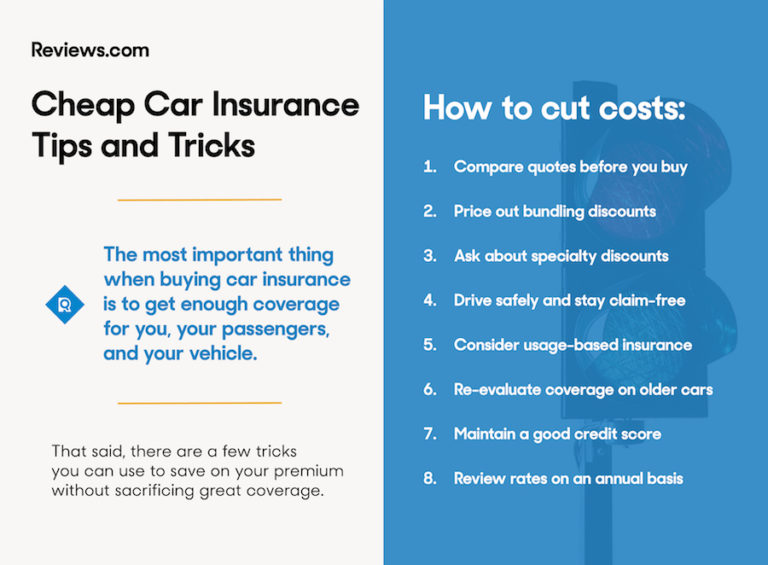
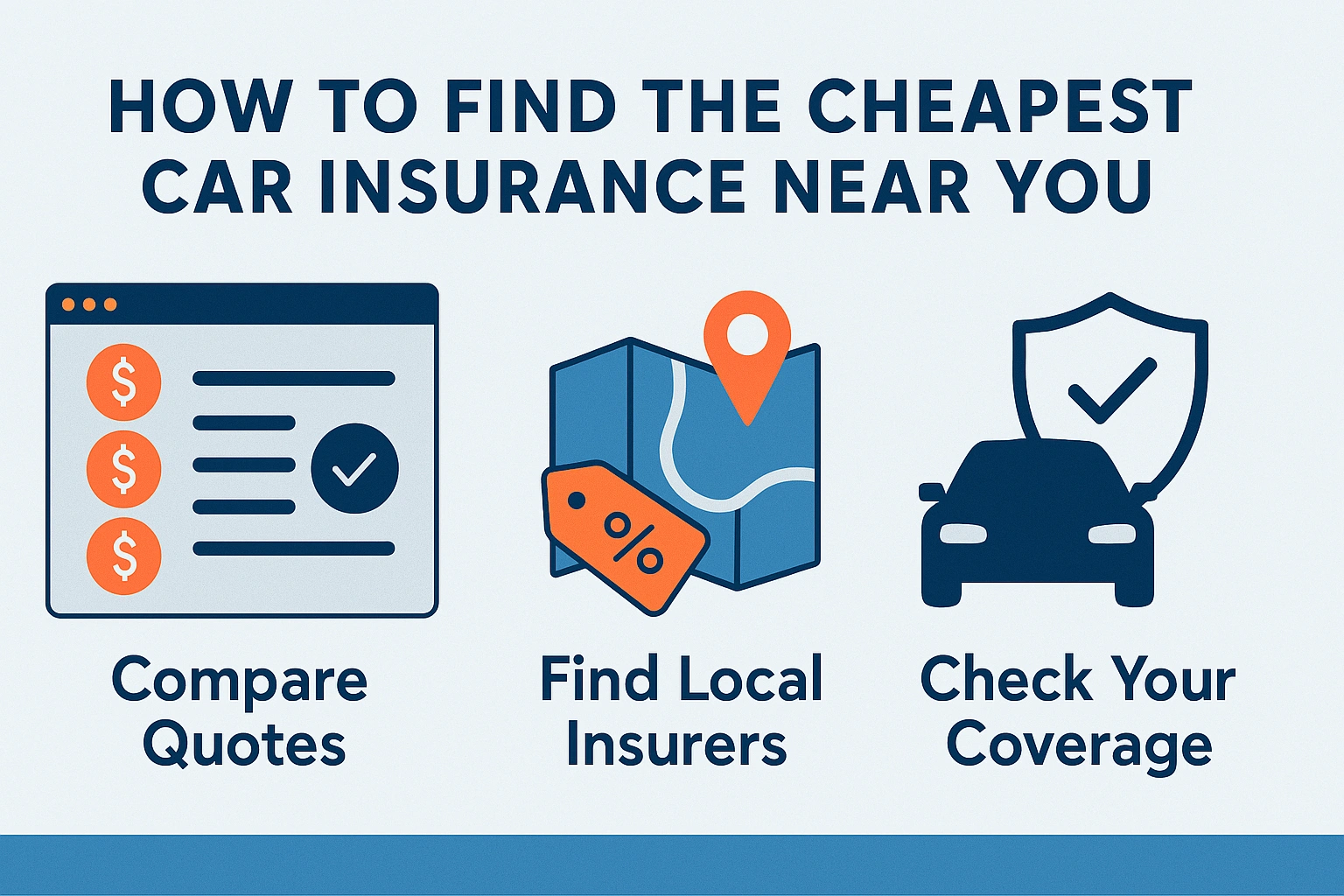
This is arguably the most impactful strategy. Insurance premiums can vary dramatically between providers for the exact same coverage, sometimes by hundreds or even thousands of dollars annually. Never accept the first quote you receive or automatically renew with your current insurer. Dedicate time each year—ideally 30-60 days before your policy renewal—to collect quotes from multiple carriers. Utilize online comparison tools, independent insurance agents, and direct insurer websites to cast a wide net. This due diligence ensures you’re getting the most competitive rate available for your specific financial profile and coverage needs.
Leverage Discounts: Bundling, Good Driver, Low Mileage, and Safety Features
Insurers offer a plethora of discounts, and proactively seeking them out can significantly cut costs.
-
Bundling Discounts: Insuring your car and home (or renters insurance) with the same company can often result in a substantial multi-policy discount. This strategy not only simplifies your insurance management but also consolidates your financial relationships, often leading to better rates across the board.
-
Good Driver Discounts: Maintaining a clean driving record for a certain period (e.g., 3-5 years) often qualifies you for significant savings.
-
Low Mileage Discounts: If you don’t drive much, some insurers offer discounts based on annual mileage.
-
Safety Features Discounts: Cars equipped with anti-lock brakes, airbags, anti-theft systems, and other safety devices often earn discounts.
-
Student Discounts: Good students and those away at college without a car can often receive discounts.
-
Loyalty Discounts: While you should always shop around, some insurers reward long-term customers. Always weigh loyalty discounts against potential savings from switching.
Adjust Your Coverage Wisely: Dropping Collision/Comprehensive for Older Cars
For older vehicles that have significantly depreciated in value, carrying full collision and comprehensive coverage might no longer be a financially sound decision. If your car is worth less than the cost of your deductible plus a year’s worth of collision/comprehensive premiums, it might make financial sense to drop these coverages. In the event of an accident, you would pay for repairs or replacement yourself, potentially saving more over time than you would pay in premiums for a claim that might only cover a fraction of the car’s original value. This decision requires a careful financial analysis of your vehicle’s market value versus your premium savings and your personal tolerance for risk.
Improve Your Driving Record and Maintain a Good Credit Score
While these are long-term strategies, their financial impact on insurance premiums is undeniable. Driving safely and avoiding tickets or accidents is the most direct way to keep your rates low. Consider defensive driving courses, which some insurers offer discounts for completing. Similarly, diligently managing your finances, paying bills on time, and keeping credit utilization low can improve your credit score, potentially leading to lower insurance rates in states where credit-based scores are used. These actions reinforce responsible financial behavior that pays dividends across various aspects of your personal finance.
The Role of Financial Planning in Car Insurance Savings

Integrating car insurance into your broader financial planning framework can unlock further savings and ensure your coverage aligns with your overall financial goals.
Budgeting for Insurance Premiums
Effective personal finance starts with a robust budget. Car insurance, being a fixed or semi-fixed expense, must be accurately accounted for. Understanding your annual premium and breaking it down into monthly costs allows you to allocate funds consistently. Paying your premium annually, if financially feasible, often results in a slight discount compared to monthly installments, as it reduces administrative costs for the insurer. Ensure your emergency fund is adequate to cover your deductible if an unexpected incident occurs, preventing financial strain when you need your insurance most.
Understanding the Long-term Financial Impact of Accidents
Beyond the immediate premium costs, good financial planning considers the long-term ramifications of driving incidents. Accidents can lead to rate increases for years, significantly impacting your budget. Investing in safe driving habits and choosing a reliable, safe vehicle isn’t just about preventing injury; it’s a strategic financial decision to protect your future insurance rates and avoid costly out-of-pocket expenses for deductibles and potential legal fees. Moreover, having adequate liability coverage prevents personal assets from being jeopardized in the event of a serious at-fault accident, acting as a critical financial safeguard.
Leveraging Technology for Comparison and Management
Modern financial tools and insurance comparison websites have revolutionized the process of finding cheap car insurance. Online aggregators allow you to input your information once and receive multiple quotes, saving immense time and effort. Many insurers also offer mobile apps for easy policy management, digital ID cards, and even claims processing. Utilizing these digital resources is a smart financial move, enabling efficient comparison shopping and streamlined administration of your policy, ensuring you’re always getting the best deal and staying on top of your coverage.
Smart Choices Beyond the Policy: Vehicle and Lifestyle Factors
Your choice of vehicle and even your driving habits can be powerful levers in your quest for cheaper car insurance.
Choosing an Insurance-Friendly Vehicle
When purchasing a new or used car, its insurance cost should be a primary consideration, not an afterthought. Research insurance rates for different makes and models before you buy. Cars that are less prone to theft, have lower repair costs, and boast excellent safety ratings will consistently be cheaper to insure. Opting for a vehicle with an established track record for reliability and parts availability can also prevent inflated repair costs if you ever need to file a claim. This forward-thinking financial decision can yield significant savings over the vehicle’s lifespan.
Maintaining Your Vehicle for Safety and Reliability
A well-maintained vehicle is a safer vehicle, reducing the likelihood of mechanical failures that could lead to accidents. Regular servicing, tire rotations, and brake checks are not just good for your car’s longevity but also indirectly contribute to lower insurance risks. Additionally, ensuring all safety features (like airbags and anti-lock brakes) are in working order can prevent claim severity and keep your premiums stable. Investing in your vehicle’s maintenance is a smart financial decision that reduces both direct repair costs and potential insurance premium hikes.
Considering Telematics and Usage-Based Insurance
Many insurers now offer telematics programs, also known as usage-based insurance (UBI), where a device is plugged into your car or an app is used on your smartphone to monitor your driving habits (e.g., mileage, speed, braking, time of day driven). Safe drivers who opt into these programs can often receive substantial discounts. While it requires a willingness to share driving data, for careful and low-mileage drivers, this technology can be a highly effective financial tool for significantly reducing premiums and directly linking your driving behavior to your insurance costs.
Navigating the Renewal Process and Sustaining Savings
Finding cheap car insurance isn’t a one-time event; it’s an ongoing process. Continuous vigilance is key to sustained savings.
Don’t Settle: Re-evaluate Annually
The insurance market is dynamic, with rates and offerings constantly changing. Your personal circumstances also evolve. What was the cheapest policy last year might not be this year. Make it a financial habit to review your policy and compare quotes annually. Even if your current insurer offers a competitive rate, knowing what other companies are charging gives you leverage during renewal negotiations. This annual financial audit ensures you’re always optimized for cost.
Communicate with Your Insurer: Life Changes and Discounts
Inform your insurer about any significant life changes that could impact your rates. Getting married, moving to a new neighborhood, changing jobs (especially if it reduces your commute), or adding new safety features to your vehicle could all lead to potential discounts or rate adjustments. Conversely, neglecting to update your policy could mean you’re paying for coverage you no longer need or missing out on savings you qualify for. Proactive communication is a simple yet effective financial management strategy.
Understanding Policy Changes and Hidden Costs
Always read your renewal documents thoroughly. Insurers sometimes make subtle changes to policies or apply increases without clear explanation. Question any unexplained premium hikes. Be aware of any administrative fees, processing charges, or installment fees that might negate some of your savings. A detailed understanding of your policy’s financial components ensures transparency and helps you avoid unexpected costs, reinforcing sound financial decision-making.
In conclusion, securing cheap car insurance is a multi-faceted financial endeavor that requires understanding influencing factors, proactively implementing savings strategies, integrating insurance into your overall financial plan, and making smart lifestyle choices. By consistently applying these principles, you can take control of your car insurance expenses, ensuring you receive adequate protection at the most financially advantageous price.
aViewFromTheCave is a participant in the Amazon Services LLC Associates Program, an affiliate advertising program designed to provide a means for sites to earn advertising fees by advertising and linking to Amazon.com. Amazon, the Amazon logo, AmazonSupply, and the AmazonSupply logo are trademarks of Amazon.com, Inc. or its affiliates. As an Amazon Associate we earn affiliate commissions from qualifying purchases.