
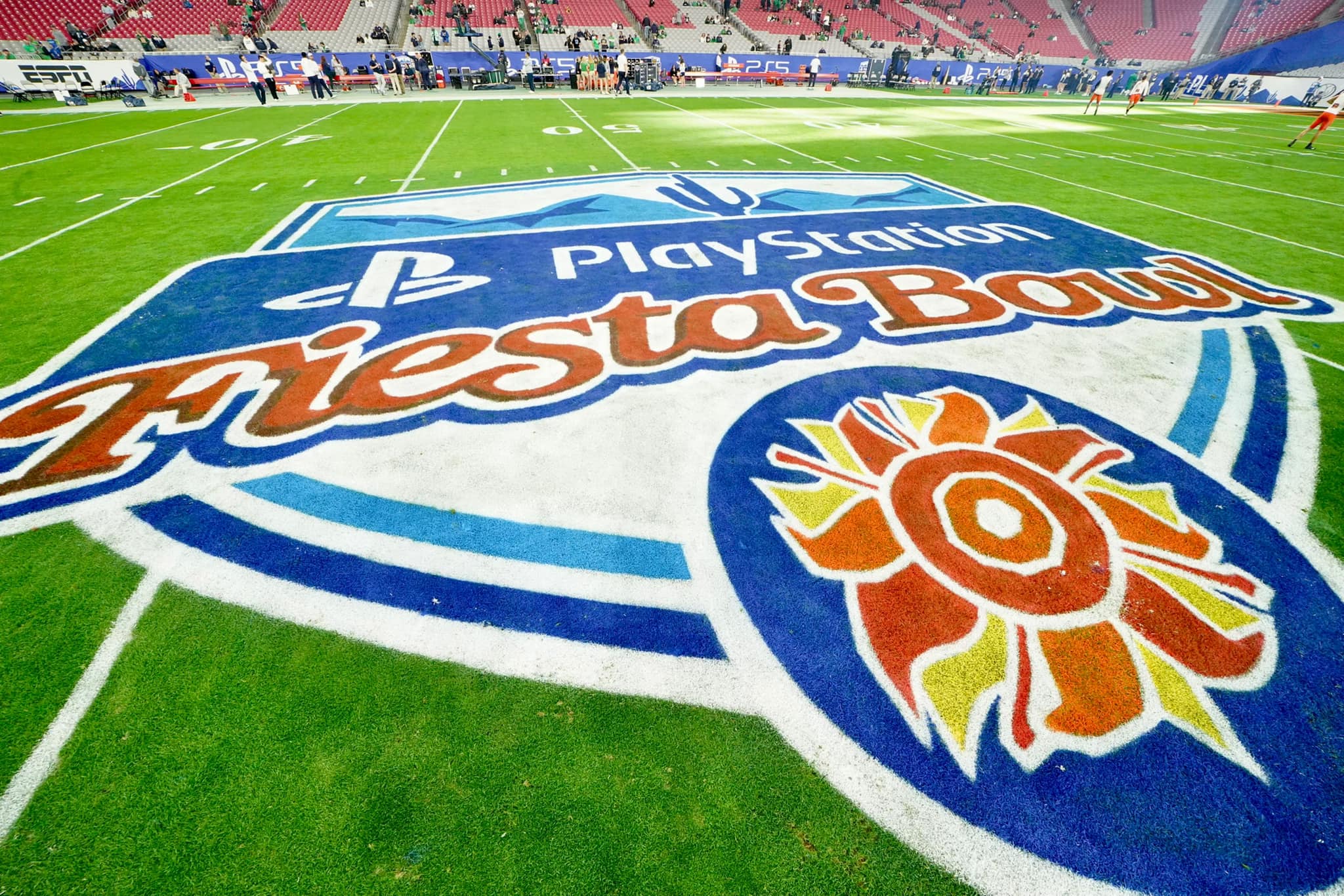
When sports fans ask, “Where is the Fiesta Bowl?” the answer most commonly provided is a geographical one: State Farm Stadium in Glendale, Arizona. However, from a financial and business perspective, the “location” of the Fiesta Bowl is much more complex. It exists at the intersection of billion-dollar broadcast deals, massive regional economic impacts, and a sophisticated ecosystem of corporate sponsorships.
The Fiesta Bowl is not just a game; it is a premium financial asset within the New Year’s Six (NY6) bowl structure. To understand where the Fiesta Bowl truly sits, one must look past the yard lines and into the ledgers that drive one of the most profitable events in the American sporting calendar.
The Geographical Hub: Real Estate and Infrastructure ROI
The physical location of the Fiesta Bowl provides a fascinating case study in municipal finance and urban development. Since 2007, the game has been anchored in Glendale, Arizona, a move that signaled a shift in how sports infrastructure is used to drive regional business growth.
The Impact of State Farm Stadium on Glendale’s Economy
The transition of the Fiesta Bowl from Tempe’s Sun Devil Stadium to Glendale’s State Farm Stadium was a calculated financial move. For the city of Glendale, hosting the Fiesta Bowl is a cornerstone of its “Sports and Entertainment District” strategy. The stadium acts as a catalyst for high-density commercial real estate development. Surrounding the venue is the Westgate Entertainment District, which thrives on the surge of consumer spending generated by bowl season. For local government and private investors, the “where” of the Fiesta Bowl is a multi-decade play on property values, sales tax revenue, and hospitality demand.
Real Estate and Tourism Infrastructure
The proximity of the stadium to luxury resorts and short-term rental markets creates a micro-economy that peaks every late December. Investors in the Phoenix metropolitan area often track the college football playoff rotation to predict surges in the hospitality sector. When the Fiesta Bowl serves as a National Semifinal, the influx of high-net-worth travelers drastically alters the Average Daily Rate (ADR) for hotels across the Valley of the Sun. This geographical advantage makes the Fiesta Bowl a vital organ in Arizona’s $20 billion tourism industry.
The Revenue Streams: Where the Money Flows
To find the Fiesta Bowl’s true position in the market, we must examine its revenue model. Unlike standard regular-season games, the Fiesta Bowl operates under a sophisticated financial framework governed by the College Football Playoff (CFP) administration.
Broadcast Rights and the CFP Financial Model
The most significant portion of the Fiesta Bowl’s value is located in its media rights. As part of the broader CFP contract with ESPN—a deal worth billions of dollars—the Fiesta Bowl receives a guaranteed distribution. This revenue is not just profit; it is redistributed back to the participating conferences and universities. This creates a massive “trickle-down” effect in collegiate athletics, where a single afternoon of football in Arizona funds scholarships, coaching salaries, and facility upgrades for schools thousands of miles away.
Sponsorships: The Evolution of Naming Rights
The “where” of the Fiesta Bowl is also defined by who is paying for the naming rights. From the Tostitos era to the current partnership with Vrbo, the bowl’s identity is intrinsically linked to corporate marketing budgets. These sponsorships are high-level business investments where brands pay upwards of $20 million annually for visibility. These companies aren’t just buying a logo on the field; they are buying access to a specific demographic—the affluent, traveling sports fan. The ROI for these brands is measured in global impressions and direct consumer engagement through integrated digital campaigns.
The Consumer Side: Tickets, Travel, and Betting

For the individual attendee or investor, the Fiesta Bowl represents a significant movement of personal capital. The “location” of the bowl is often found in the secondary ticket markets and the burgeoning legal sports wagering industry.
The Secondary Ticket Market Dynamics
The financial health of a bowl game can often be measured by the “get-in” price on platforms like StubHub or SeatGeek. The Fiesta Bowl consistently ranks as a high-demand ticket. This secondary market is a complex ecosystem of arbitrage where professional ticket brokers and individual fans speculate on matchups. When high-profile “blue blood” programs like Ohio State or Notre Dame are slated to play, the liquidity of the Fiesta Bowl market spikes, creating a multi-million dollar exchange of private wealth in the weeks leading up to kickoff.
The Rise of Legal Sports Wagering
With the legalization of sports betting in Arizona, the Fiesta Bowl has found a new financial home: the sportsbook. Arizona’s friendly regulatory environment toward gambling has allowed for on-site sportsbooks at stadiums, turning the physical location into a high-tech gambling hub. The handle—the total amount of money wagered—on the Fiesta Bowl contributes significantly to the state’s tax coffers. For the modern sports investor, the Fiesta Bowl is a data point in a larger portfolio of risk management and recreational finance.
Economic Impact: Measuring the “Fiesta” Effect
Every year, economists attempt to quantify the “Fiesta Effect”—the total dollar value the game brings to the region. This is where the game’s “location” becomes a matter of public policy and fiscal reporting.
Tourism Dollars and Direct Spending
Economic impact studies frequently cite figures exceeding $170 million in direct and indirect spending for a single Fiesta Bowl weekend. This includes everything from car rentals and restaurant checks to the “multiplier effect,” where the money paid to a local waiter is subsequently spent within the local economy. For small business owners in Glendale and Phoenix, the Fiesta Bowl is the most critical financial event of the fiscal year, often representing the difference between a profitable year and a stagnant one.
Long-term Business Development in the Valley
Beyond the immediate influx of cash, the Fiesta Bowl serves as a corporate “showroom” for Arizona. High-level executives and boosters from participating universities often use the trip as an opportunity to scout business relocations or real estate investments. The game acts as an informal networking summit, where the “location” of the bowl becomes a boardroom for future tech hubs and manufacturing centers in the desert. The networking that occurs in the luxury suites often results in long-term capital investments that far outlast the four quarters of the game.
The Future Financial Landscape: Expansion and Adaptation
The question of “where is the Fiesta Bowl” is currently undergoing a massive shift due to the expansion of the College Football Playoff to a 12-team format. This change will fundamentally alter the bowl’s financial valuation.
Adaptation to the 12-Team Playoff Expansion
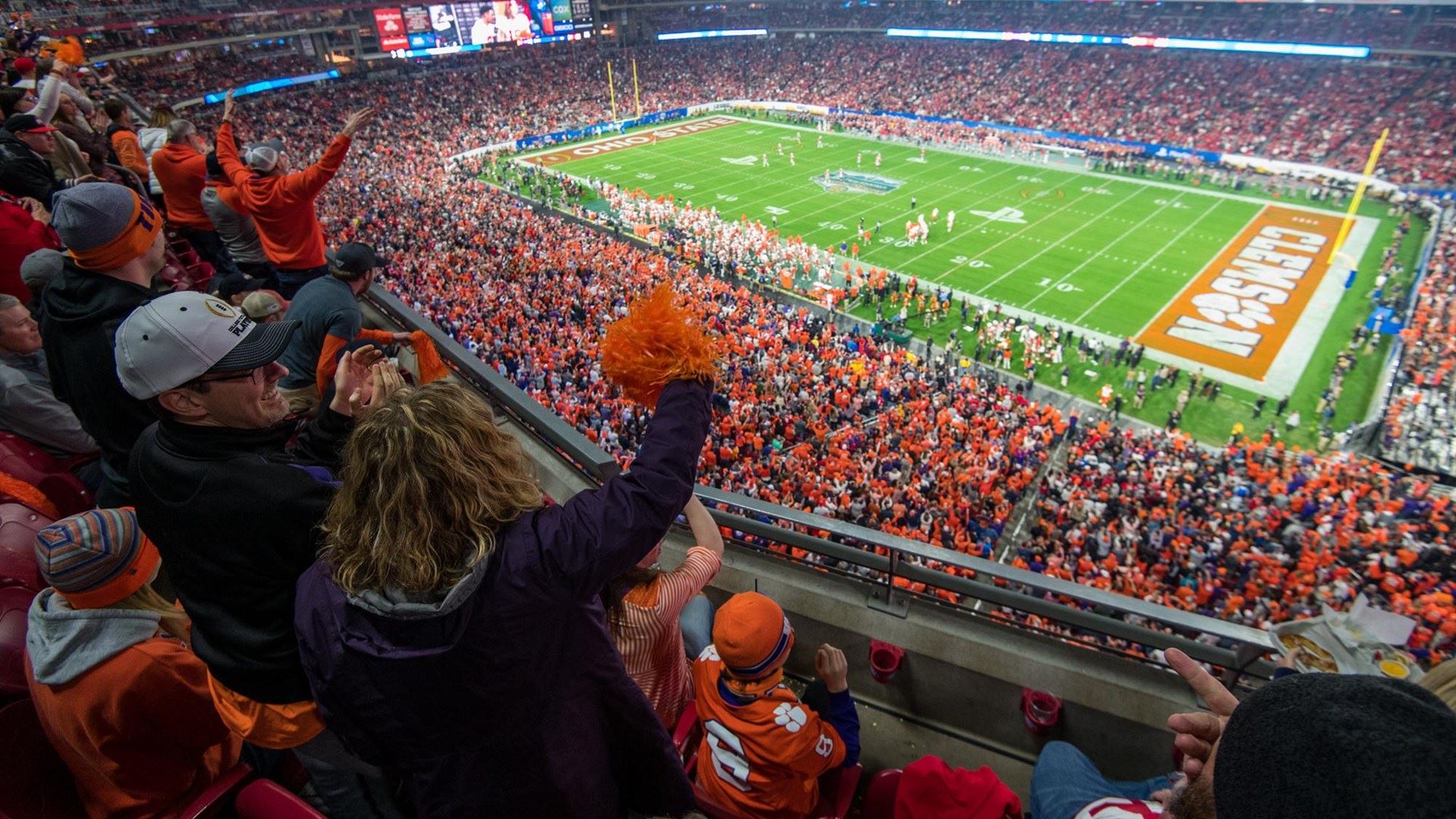
As the CFP expands, the Fiesta Bowl will move into a rotating system of quarterfinals and semifinals. This move is expected to increase the media valuation of the game significantly. More games with higher stakes mean more advertising inventory for networks and higher ticket premiums. The Fiesta Bowl is positioning itself to be a permanent fixture in this new high-stakes financial landscape, ensuring its “location” remains at the pinnacle of the sports-industrial complex.
The NIL Era and the Changing Cost of Participation
We cannot discuss the money of the Fiesta Bowl without mentioning Name, Image, and Likeness (NIL). As players now have the ability to profit from their participation, the “where” of the bowl includes the digital marketplace. Star athletes appearing in the Fiesta Bowl use the platform to increase their market value, leading to lucrative endorsement deals. The bowl itself must now navigate a world where it isn’t just a destination for teams, but a platform for individual athlete “start-ups” to seek venture-style returns on their performance.
In conclusion, the Fiesta Bowl is much more than a pin on a map in Glendale, Arizona. It is a massive financial engine that drives regional growth, fuels corporate marketing strategies, and provides a platform for some of the largest media transactions in the world. Whether viewed through the lens of municipal bonds, secondary ticket liquidity, or global broadcast rights, the Fiesta Bowl is located exactly where the money is. For the savvy observer, tracking the “where” of this event provides a masterclass in the intersection of sports, finance, and economic development.
aViewFromTheCave is a participant in the Amazon Services LLC Associates Program, an affiliate advertising program designed to provide a means for sites to earn advertising fees by advertising and linking to Amazon.com. Amazon, the Amazon logo, AmazonSupply, and the AmazonSupply logo are trademarks of Amazon.com, Inc. or its affiliates. As an Amazon Associate we earn affiliate commissions from qualifying purchases.