
Costco Wholesale Corporation has long been a bellwether for the health of the global consumer economy. As we move through 2024, the retail giant’s expansion strategy serves as a critical indicator of regional economic strength and corporate confidence. For investors, members, and local governments, the announcement of a new Costco location is more than just a retail opening; it is a significant financial event. In fiscal year 2024, Costco has committed to an aggressive growth trajectory, planning to open approximately 30 new warehouses globally. This expansion represents a multi-billion dollar capital investment aimed at capturing high-growth markets and reinforcing its dominant position in the membership-based warehouse club sector.
The Financial Blueprint of Costco’s 2024 Global Expansion
The decision to open a new Costco warehouse is a calculated financial move backed by years of demographic research and supply chain logistics. Unlike traditional retailers that might shutter underperforming stores to pivot to e-commerce, Costco utilizes its physical locations as the primary engine for its unique revenue model. In 2024, the company’s capital expenditure (CapEx) is projected to range between $4.5 billion and $5 billion, a substantial portion of which is dedicated to real estate acquisition and construction.
Capital Expenditure and Sustainable Growth
Costco’s financial philosophy centers on the long-term. When the company identifies a new location for 2024—whether it be in the suburbs of California or the burgeoning markets of China—it is looking at a thirty-to-fifty-year horizon. The upfront cost of building a warehouse, which can exceed $100 million when accounting for land and infrastructure, is offset by the immediate influx of membership fees.
Because Costco operates on razor-thin margins for its merchandise (often capped at 14-15%), the membership fees represent the bulk of the company’s net income. Therefore, the 2024 expansion is less about the immediate sale of goods and more about the acquisition of new “recurring revenue” units—the members themselves. By expanding the footprint, Costco increases its total addressable market (TAM), ensuring a steady stream of cash flow that is largely insulated from the volatility of individual product cycles.
The Membership Model as a Revenue Engine
A key component of the 2024 strategy is the optimization of the membership tier. With renewal rates hovering near 90% in North America, each new store opened this year serves as a catalyst for high-margin executive membership upgrades. The physical store acts as a customer acquisition tool. In 2024, we are seeing Costco target “fill-in” markets—areas that are already adjacent to successful stores but are currently underserved. This reduces cannibalization and maximizes the logistics efficiency of their distribution centers, directly impacting the bottom line through reduced “last-mile” costs to the warehouse itself.
Mapping the 2024 Openings: Domestic and International Targets
The 2024 roadmap for Costco is a balanced mix of domestic fortification and international exploration. While the United States remains the company’s primary profit center, the international pipeline is increasingly important for long-term valuation.
The US Expansion: Strengthening the Core Markets
In the United States, Costco’s 2024 expansion focuses on regions with high household incomes and growing populations. Key locations that have seen or are scheduled for openings in 2024 include:
- Loomis, California: A strategic move to capture the growing affluent population in the Sacramento metropolitan area.
- North Port, Florida: Tapping into the massive migration trends toward the Sun Belt, where retirees and remote workers are driving demand for bulk goods.
- Chaska, Minnesota: Strengthening the presence in the Midwest, where brand loyalty to warehouse clubs remains exceptionally high.
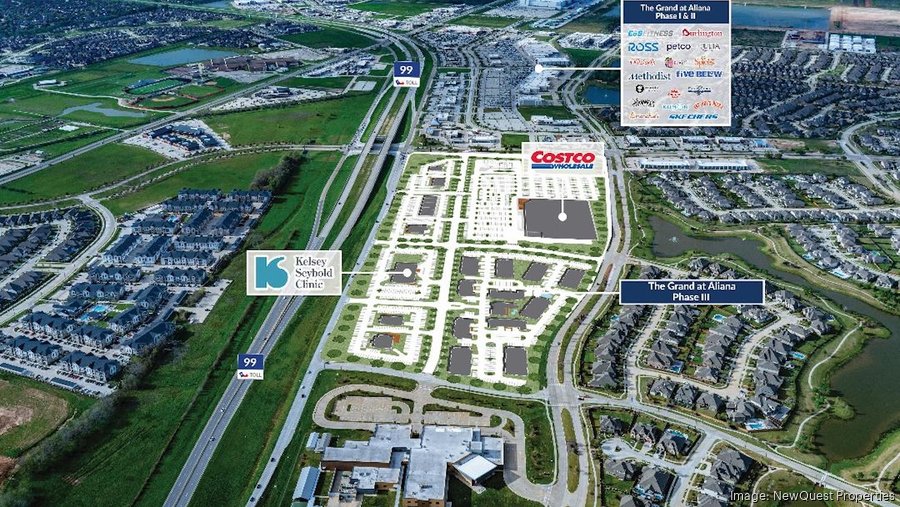
- Richmond, Texas: Capitalizing on the suburban sprawl of Houston, one of the fastest-growing economic hubs in the country.
These domestic openings are meticulously timed. By entering these markets, Costco is not just selling groceries; it is integrating into the local financial ecosystem. Each new warehouse typically brings 200 to 300 jobs with competitive wages and benefits, which in turn fuels local consumer spending.
Global Frontiers: The Strategic Importance of China and Beyond
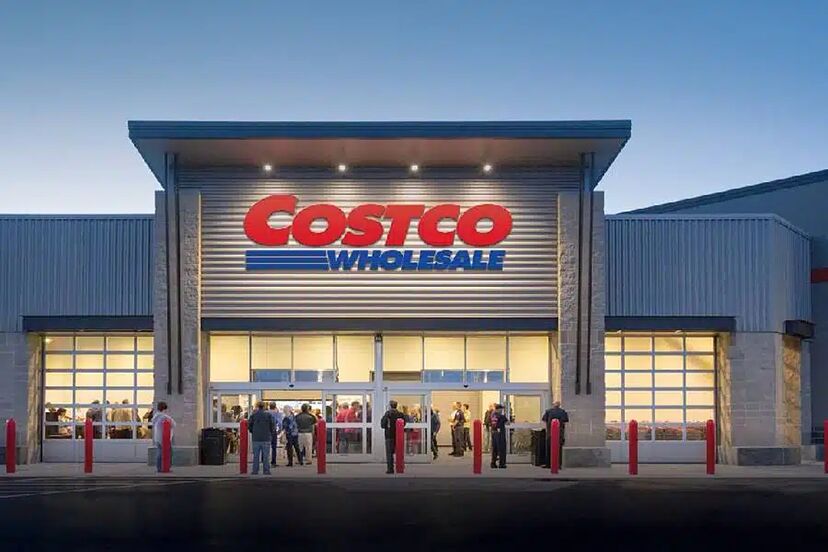
Perhaps the most exciting aspect of the 2024 expansion is the international segment. Costco has seen unprecedented success in China, where the demand for high-quality, Western-style bulk retail is surging among the middle class. The opening of the Jiangning warehouse in Nanjing earlier this year serves as a blueprint for the company’s “China 2.0” strategy.
Beyond China, Costco is targeting 2024 openings in Japan, South Korea, and Australia. These markets are attractive because they offer higher margins on certain imported goods and have high population densities that suit the warehouse model. From a currency perspective, international expansion provides Costco with a natural hedge against US dollar fluctuations, diversifying its revenue streams across different geopolitical environments.
The “Costco Effect” on Local Economies and Personal Finance
The arrival of a Costco in 2024 is often referred to by economists as the “Costco Effect.” This phenomenon describes the broad financial impact a new warehouse has on the surrounding community and the personal balance sheets of its residents.
Impact on Real Estate and Regional Commercial Health
From a business finance perspective, a new Costco acts as an anchor for commercial real estate development. When Costco announces a 2024 opening, developers often scramble to secure adjacent plots for “outparcel” developments—typically gas stations, fast-food franchises, and specialty retail. This creates a synergistic economic hub.
Furthermore, residential property values within a five-to-ten-mile radius of a new Costco often see a measurable uptick. Homebuyers view proximity to a warehouse club as a significant amenity, equating to long-term savings on household essentials. This “amenity premium” is a tangible example of how retail expansion translates into household net worth.
Bulk Buying as an Inflationary Hedge for Households
For the individual consumer, the 2024 store openings provide a critical tool for managing personal finance in an era of persistent inflation. The “unit price” advantage offered by Costco allows households to lower their cost of living by purchasing in bulk. As more stores open in 2024, a larger segment of the population gains access to these “shadow savings.”
Financial planners often note that a Costco membership can pay for itself within just a few trips, especially when utilizing the ancillary services such as the Costco Gas Station, Optical, and Pharmacy. The expansion in 2024 into new markets effectively gives those local populations a localized “inflation hedge,” allowing them to stretch their discretionary income further than they could at traditional supermarkets.
Investment Analysis: Evaluating COST Stock in an Expanding Market
For those looking at Costco through the lens of equity markets, the 2024 expansion is a primary driver of the stock’s premium valuation. Costco (NASDAQ: COST) often trades at a higher price-to-earnings (P/E) ratio than its peers like Walmart or Target, and its aggressive 2024 roadmap justifies this “growth premium.”
Supply Chain Resilience and Margin Stability
Investors are particularly keen on how Costco manages its supply chain during this expansion. Each new store requires a robust backend. In 2024, the company has continued to invest in its own logistics fleet and cold-storage facilities. This vertical integration allows Costco to maintain margin stability even when global shipping costs fluctuate. By controlling the supply chain from the port to the warehouse floor, Costco ensures that the new stores opened this year will be profitable almost from day one.
Future Outlook: Digital Transformation and Long-term Valuation
While the 2024 story is dominated by physical store openings, the financial community is also watching Costco’s digital integration. The company is using its new physical footprints as “last-mile” fulfillment centers for its e-commerce business. This hybrid approach—opening more warehouses while simultaneously upgrading the digital experience—positions Costco to capture a greater share of the “Total Wallet.”
The 2024 expansion is not merely about increasing the number of warehouses; it is a sophisticated play to deepen the company’s moat. Each new store represents a fortress of recurring revenue, a hub of local economic activity, and a promise of value to the consumer. As the company continues to execute its 2024 rollout, the financial implications remain clear: Costco is doubling down on a physical-first strategy that continues to defy digital-only trends, proving that in the world of high-volume retail, scale is the ultimate competitive advantage. For the savvy observer, watching where the next “red and blue” sign goes up is one of the most reliable ways to track the shifting tides of global wealth and consumer demand.
aViewFromTheCave is a participant in the Amazon Services LLC Associates Program, an affiliate advertising program designed to provide a means for sites to earn advertising fees by advertising and linking to Amazon.com. Amazon, the Amazon logo, AmazonSupply, and the AmazonSupply logo are trademarks of Amazon.com, Inc. or its affiliates. As an Amazon Associate we earn affiliate commissions from qualifying purchases.