
American Express has long been synonymous with premium financial services, offering an array of cards known for their robust rewards programs, exclusive benefits, and often, a perception of prestige. However, for many cardholders, the question “where is American Express not accepted?” remains a recurring financial puzzle. While Amex has made significant strides in expanding its merchant network, its acceptance still lags behind its competitors, Visa and Mastercard, in certain crucial scenarios. Understanding these limitations is not merely a matter of convenience; it’s a fundamental aspect of savvy personal and business financial management.

This article delves into the core financial reasons behind these acceptance disparities, dissecting the economic models that influence merchant decisions and offering strategic insights for cardholders to navigate a world where Amex isn’t universally embraced. From the intricate world of interchange fees to the dynamics of small business operations and international finance, we will explore why knowing the boundaries of Amex acceptance is essential for optimizing your spending and ensuring smooth transactions.
The Financial Landscape of Card Acceptance: Why Merchants Say No
The decision for a merchant to accept a particular credit card is fundamentally an economic one, driven by a complex interplay of costs, customer demographics, and competitive positioning. For American Express, its distinct business model often places it at a disadvantage compared to the widely accepted Visa and Mastercard networks. Understanding these underlying financial mechanics is key to grasping why Amex isn’t always welcome.
Understanding Interchange Fees and Merchant Discount Rates
At the heart of credit card acceptance lies the concept of interchange fees and merchant discount rates. When a customer uses a credit card, the merchant doesn’t receive the full purchase amount. A percentage, known as the merchant discount rate, is deducted by the acquiring bank (the bank that processes the transaction for the merchant) and the card network. This rate is comprised of several components, with the interchange fee being the largest. Interchange fees are paid by the acquiring bank to the issuing bank (the bank that issued the card to the customer) and compensate the issuer for the costs and risks associated with offering credit, managing fraud, and funding rewards programs.
Historically, and often still today, American Express has charged merchants higher interchange fees (or, more accurately, a higher overall merchant discount rate, as Amex operates as both the issuer and network in many cases, eliminating the separate interchange fee structure of Visa/Mastercard) compared to Visa and Mastercard. While these rates vary significantly based on industry, transaction type, and card tier, Amex’s rates can sometimes be 0.5% to 1.5% higher. For a business operating on thin margins, these additional percentage points can significantly impact profitability, making the acceptance of Amex a financially burdensome proposition. This higher cost structure is often attributed to Amex’s premium cardholder base, which typically expects more robust rewards and benefits, directly funded by these higher merchant fees.
The Cost-Benefit Analysis for Small Businesses
For large corporations with high transaction volumes, absorbing slightly higher Amex fees might be justifiable due to the potential revenue from Amex’s affluent customer base. However, for small businesses, independent retailers, and those with lower average transaction values, the cost-benefit analysis often tilts against American Express. A local coffee shop, for instance, might sell numerous items priced under $5. If the merchant discount rate on a $3 coffee is 3-4% for Amex versus 1.5-2% for Visa/Mastercard, the absolute difference in cents per transaction might seem small, but scaled across hundreds or thousands of transactions, it accumulates rapidly.
Small businesses typically operate with tighter margins and fewer resources to absorb additional costs. Every cent matters. While Amex offers programs like “Small Business Saturday” and initiatives to reduce fees for small businesses, the perception and often the reality of higher costs persist. For many, the marginal increase in sales from accepting Amex cardholders simply doesn’t outweigh the higher processing expenses, especially if their primary customer base predominantly uses Visa, Mastercard, or even cash. This financial rationale leads many smaller entities to make the pragmatic decision to forego Amex acceptance, prioritizing their bottom line.
Network Infrastructure and Processing Costs
Beyond the direct merchant discount rates, there are also nuances in network infrastructure and processing costs. Visa and Mastercard operate as open networks, meaning they license their brands and processing capabilities to thousands of banks worldwide that issue cards and acquire merchant transactions. This widespread, distributed model contributes to their pervasive acceptance and often competitive pricing for merchants.
American Express, conversely, traditionally operated as a “closed-loop” network, meaning it issues its own cards and processes its own transactions directly with merchants. While Amex has increasingly partnered with banks for card issuance (e.g., through its Optima and Centurion networks) and expanded its acquiring partnerships, its primary model is still more vertically integrated. This can sometimes lead to different pricing structures and contract negotiations for merchants. Furthermore, some older point-of-sale (POS) systems or payment gateways might require specific software updates or separate integration processes to accept Amex, adding another layer of cost or complexity for businesses, particularly those not looking to overhaul their existing payment infrastructure.
Common Scenarios and Specific Locations of Non-Acceptance
Understanding the underlying financial reasons illuminates why Amex isn’t accepted everywhere, but knowing where these financial considerations most often manifest is crucial for practical financial planning. Certain types of businesses, geographical regions, and transaction methods are more prone to declining American Express.
Small Businesses and Independent Merchants
As detailed earlier, the impact of higher processing fees disproportionately affects small businesses and independent merchants. This category includes:
- Local restaurants and cafes: Particularly those with low average check sizes or a focus on quick-service, where every percentage point of cost impacts profitability.
- Mom-and-pop shops: Independent boutiques, hardware stores, gift shops, and other local retail establishments that may have limited negotiating power with payment processors.
- Farmers’ markets and craft fairs: Vendors at these venues often operate on razor-thin margins and may prefer cash or payment apps with lower fees, or only accept the most common card networks.
- Service-based businesses: Individual practitioners like massage therapists, personal trainers, or small home repair services might shy away from Amex to keep overheads low.
- Food trucks and street vendors: Mobility and quick transactions often necessitate streamlined payment processing, and higher Amex fees can be an inhibitor.
For these businesses, maintaining low costs is paramount, and the potential increase in sales from Amex cardholders might not justify the higher fees.
International Travel and Emerging Markets
While American Express has a strong global presence, its acceptance abroad is notably less consistent than in the United States, especially outside major metropolitan areas and tourist hotspots.
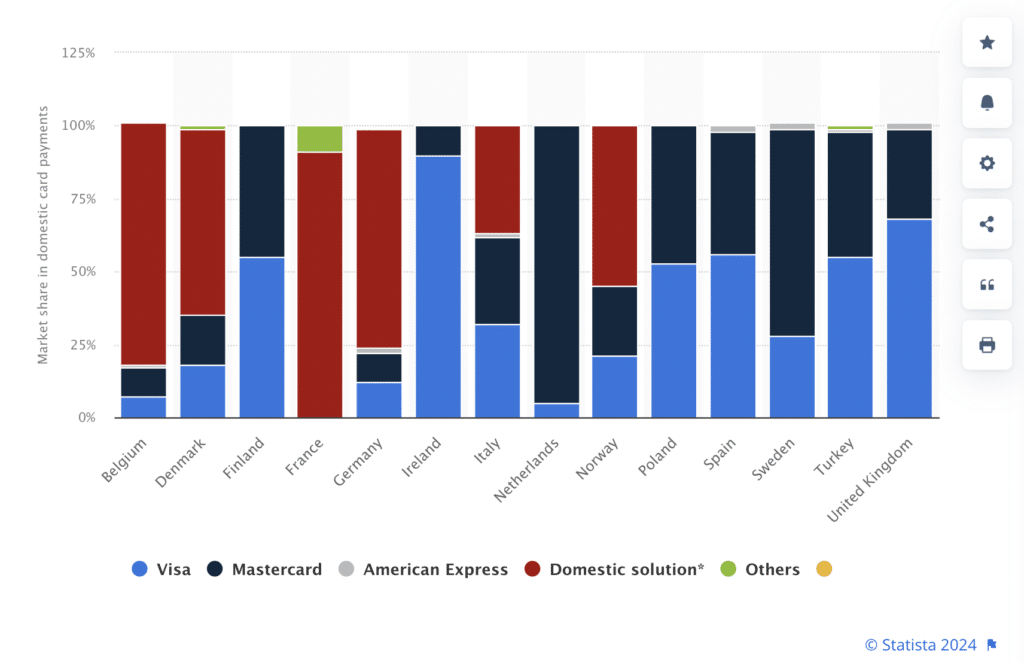
- Europe: While major cities and tourist-centric businesses in countries like the UK, France, and Italy generally accept Amex, smaller towns, local eateries, and independent shops might not. Spain and Germany, in particular, have historically had lower Amex acceptance rates than other Western European nations.
- Asia: In regions like Southeast Asia (e.g., Vietnam, Thailand outside of major hotels/resorts, local shops in Japan, etc.), Amex acceptance can be sporadic. While high-end establishments, international hotel chains, and duty-free shops typically accept it, local markets, smaller restaurants, and many retail outlets often do not. China’s domestic payment systems (UnionPay) also dominate, making Amex less common.
- South America and Africa: Acceptance varies widely by country and development level. In some areas, card acceptance in general is lower, and where it exists, Visa and Mastercard are almost always prioritized due to their widespread use by local banks and lower fees.
- Emerging Markets: In countries with developing financial infrastructures, the focus is often on onboarding the most ubiquitous and cost-effective payment networks. Amex, with its premium positioning and typically higher fees, often comes later, if at all.
For international travelers, relying solely on an American Express card can lead to significant inconvenience and potential financial stress, necessitating a backup Visa or Mastercard or sufficient local currency.
Specific Transaction Types and Niche Services
Beyond merchant categories and geographic locations, certain types of transactions or services are less likely to accept American Express due to their specific financial models or operational constraints.
- Utility Payments: Some local utility companies (electricity, water, gas, internet) may charge a convenience fee for credit card payments, or they may only accept Visa and Mastercard, especially for online or automated payments, to minimize their own processing costs.
- Government Services and Taxes: Payment for government services, parking tickets, or local taxes often comes with processing fees if paid by credit card, and some municipal or federal agencies may restrict acceptance to the most common networks to avoid higher costs.
- Online-Only, Micro-Merchants: Very small online businesses or individual sellers on platforms that process payments might opt for payment gateways with the lowest possible fees, often excluding Amex. While major e-commerce platforms generally support Amex, niche or local online shops might not.
- Transportation (Local): While major airlines and international train lines accept Amex, local public transportation (buses, subways, local taxis in some regions) might only take cash or general debit/credit cards (Visa/Mastercard).
These scenarios highlight that even within a financially sophisticated economy, the decision to accept American Express is a calculated one, often leaning towards cost-saving for the merchant or service provider.
Strategic Financial Planning for American Express Cardholders
For those who enjoy the premium benefits and rewards offered by American Express, navigating its acceptance limitations requires proactive financial planning. Smart cardholders don’t just understand where Amex isn’t accepted; they strategize to mitigate potential inconveniences and maximize the utility of their cards.
Always Have a Backup Payment Method
This is perhaps the most critical piece of advice for any American Express cardholder. Given the scenarios of non-acceptance, it is financially prudent to always carry at least one alternative payment method.
- Visa or Mastercard: A widely accepted Visa or Mastercard credit or debit card should be your primary backup. These networks boast near-universal acceptance globally, making them indispensable for travel or situations where Amex is declined. Consider a card with no foreign transaction fees if you travel frequently.
- Cash: For small transactions, independent vendors, or in regions where card acceptance is generally low, cash remains king. It’s always wise to have some local currency on hand, especially when exploring markets or smaller local establishments.
- Digital Wallets (with backup cards): While digital wallets like Apple Pay or Google Pay can streamline transactions, remember that they still rely on the underlying card network. Ensure your digital wallet includes a Visa or Mastercard in addition to your Amex for maximum flexibility.
Having these alternatives prevents embarrassing situations at the point of sale and ensures you can complete transactions without hassle, maintaining financial fluidity.
Leveraging Amex Where It’s Accepted
Despite its limitations, American Express offers some of the most compelling rewards, purchase protections, and customer service in the industry. The strategy isn’t to abandon Amex, but to judiciously use it where its benefits can be maximized.
- Major Retailers and Chains: Most large retail chains, department stores, supermarkets, and national brands in the U.S. and many developed countries readily accept American Express. Focus your Amex spending here to accrue points and leverage purchase protections.
- Travel and Dining (Premium): Airlines, major hotel chains, upscale restaurants, and car rental agencies are typically reliable Amex acceptance points. These are often categories where Amex cards offer bonus rewards, making them ideal for maximizing your returns on travel and dining expenses.
- Online Shopping: Many major e-commerce sites and international online retailers accept Amex, often providing a smooth checkout experience. This is a great channel for using your Amex, especially for larger purchases where extended warranty or purchase protection benefits might be valuable.
- Amex Offers: American Express frequently provides targeted “Amex Offers” for statement credits or bonus points at specific merchants. Activating and utilizing these offers can provide significant value, further enhancing the financial benefit of using your Amex card where accepted.
By consciously directing your Amex spending to places that welcome it, you ensure you’re getting the most out of your card’s fee and benefits, making it a powerful tool within your financial arsenal.
Researching Acceptance Before You Go
Forethought can save a lot of headaches, especially when traveling or planning significant purchases. Incorporating a quick check on Amex acceptance into your financial travel or shopping preparations is a simple yet effective strategy.
- For Travel: Before an international trip, research common payment methods in your destination country. Consult travel forums, official tourism websites, or even contact your hotel or key attractions directly. Don’t assume. Always have a “Plan B.”
- For Major Purchases: If you’re planning a large expenditure at a specific retailer (e.g., furniture, electronics, car repairs), it’s prudent to call ahead or check their website for accepted payment methods. This ensures you can use your preferred card and avoid last-minute surprises.
- Online Merchant Check: Many online merchants clearly display accepted payment logos at the bottom of their website or during the checkout process. A quick glance can confirm Amex acceptance.
- Use Amex’s Merchant Locator: American Express itself provides tools, often through its website or app, that can help identify nearby businesses that accept Amex. This can be particularly useful when exploring a new city or neighborhood.
This proactive approach allows you to make informed financial decisions, ensuring your payment method aligns with the merchant’s capabilities and preventing unnecessary stress.
The Evolution of Amex Acceptance: Shifting Tides and Future Outlook
While American Express has faced persistent challenges with its acceptance network, the company is not static. It actively works to expand its reach and adapt to the evolving payment landscape, hinting at a potentially brighter future for Amex cardholders.
Amex’s Initiatives to Increase Acceptance
Recognizing the competitive disadvantage of lower acceptance, American Express has undertaken various initiatives to expand its merchant network.
- OptBlue Program: Launched in 2014, OptBlue is a program specifically designed for small businesses in the U.S. It allows third-party processors (like Square, PayPal, Clover) to process Amex transactions directly, often at lower rates than Amex’s traditional direct model. This move has significantly broadened Amex’s reach among smaller merchants who previously found Amex too costly or complex to accept. OptBlue has been instrumental in chipping away at the perception of limited acceptance.
- Global Expansion and Partnerships: Amex continues to forge partnerships with local banks and payment processors around the world to increase its international footprint, particularly in high-growth markets.
- Digital Integration: Collaborating with digital payment platforms, e-commerce solutions, and POS system providers to ensure seamless integration and lower barriers to entry for merchants.
These efforts demonstrate Amex’s commitment to becoming a more universally accepted payment option, addressing the very pain points discussed in this article.
Impact of Digital Wallets and Contactless Payments
The rise of digital wallets (Apple Pay, Google Pay, Samsung Pay) and contactless payment technologies (NFC) is subtly influencing Amex acceptance. When a merchant accepts contactless payments, they typically accept any card (Visa, Mastercard, Amex, Discover) loaded into the digital wallet, provided their underlying payment terminal supports the respective network. This can simplify the acceptance process from the merchant’s perspective, as they no longer need to explicitly market “Amex Accepted” but rather “Contactless Payments Accepted.” While the core financial cost structure remains, the ease of transaction processing through modern terminals might encourage broader implicit acceptance. As more merchants upgrade to EMV-compliant and NFC-enabled terminals, the friction points for Amex acceptance could gradually lessen.
The Value Proposition for Merchants: Beyond Just Fees
While interchange fees are a major hurdle, American Express also positions its value proposition beyond just transaction costs. Amex cardholders are often perceived as more affluent, with higher average transaction values and a greater propensity for spending on travel, dining, and luxury goods. For certain businesses, attracting this premium customer segment can outweigh the higher processing fees.
- Higher Spenders: Businesses that cater to a high-net-worth clientele may see Amex acceptance as a strategic investment to capture a valuable customer base.
- Customer Loyalty: Amex cardholders are known for their loyalty to brands that provide excellent service and accept their preferred card.
- Brand Perception: For some businesses, accepting American Express enhances their own brand image, signaling a commitment to premium service and catering to discerning customers.
Therefore, while financial costs are paramount, the strategic value of attracting American Express’s cardholder demographic remains a powerful, albeit selective, draw for merchants.
In conclusion, understanding “where American Express is not accepted” is more than a trivial inquiry; it’s a vital component of informed financial literacy. It exposes the intricate economic considerations that govern payment processing and underscores the need for strategic financial planning. While American Express continues to bridge its acceptance gap, particularly through initiatives like OptBlue and the proliferation of digital wallets, cardholders must remain vigilant. Equipping yourself with backup payment methods, strategically leveraging Amex’s benefits where it’s welcome, and proactively researching acceptance ensures that you can confidently navigate the diverse financial landscape, making the most of your premium card while avoiding unnecessary transactional friction.
aViewFromTheCave is a participant in the Amazon Services LLC Associates Program, an affiliate advertising program designed to provide a means for sites to earn advertising fees by advertising and linking to Amazon.com. Amazon, the Amazon logo, AmazonSupply, and the AmazonSupply logo are trademarks of Amazon.com, Inc. or its affiliates. As an Amazon Associate we earn affiliate commissions from qualifying purchases.