
The seemingly simple question, “What time does the stock open?” unlocks a complex, dynamic world of global finance that impacts everyone from individual retail investors to multinational corporations. Far more than just a matter of clock-watching, understanding stock market trading hours is fundamental to effective investment strategy, risk management, and comprehending the ebb and flow of capital across continents. The timing of market openings and closings dictates liquidity, volatility, and how investors react to breaking news, earnings reports, and geopolitical events. For those navigating the intricate landscape of stocks, bonds, and other financial instruments, knowing when the trading bells ring – or remain silent – is not merely informational, but absolutely crucial for informed decision-making.
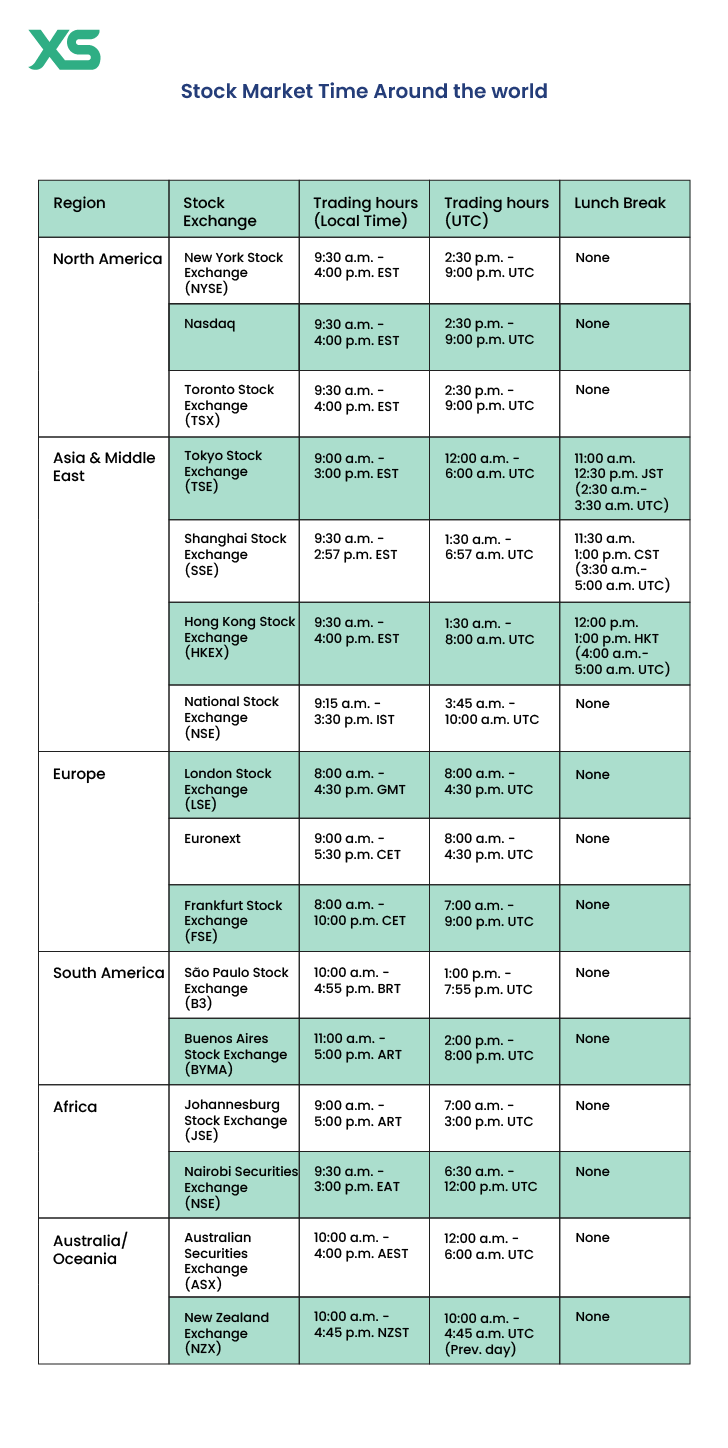
This comprehensive guide will delve into the standard trading hours of major global stock exchanges, explore the nuances of extended trading sessions, and discuss why these timings hold such significant weight for investors. We’ll also touch upon the operational hours of related financial instruments and offer practical tips for leveraging this knowledge to your advantage in the pursuit of financial growth.
The Standard Trading Day: U.S. Stock Exchanges and Beyond
When most people refer to “the stock market,” they are often thinking of the major exchanges in the United States, primarily the New York Stock Exchange (NYSE) and NASDAQ. These venerable institutions set a rhythm that reverberates through global financial markets, but they are by no means the only players on the field.
New York Stock Exchange (NYSE) and NASDAQ: The Core Hours
For the vast majority of investors, the “official” stock market hours in the United States are straightforward:
- Opening Bell: 9:30 AM Eastern Time (ET)
- Closing Bell: 4:00 PM Eastern Time (ET)
These hours apply from Monday through Friday, creating a 6.5-hour trading window each weekday. Weekends and U.S. federal holidays are observed as non-trading days, allowing market participants a periodic pause for reflection and strategic planning, though global news continues to unfold. This standard trading session is characterized by the highest liquidity and typically the tightest bid-ask spreads, making it the preferred time for most retail and institutional trading activity. The frenetic pace often seen around the opening and closing bells is a testament to the concentration of orders and the immediate reactions to overnight or late-day news.
Pre-Market Trading: Getting a Head Start
While 9:30 AM ET marks the official open, the reality is that trading activity for many stocks begins much earlier. Pre-market trading allows investors to react to news that breaks before the standard market opens, such as overnight corporate earnings reports, economic data releases, or significant international developments.
- Typical Hours: Generally from 4:00 AM ET to 9:30 AM ET.
- Participants: While accessible to retail investors through many brokerage platforms, pre-market trading is often dominated by institutional traders and high-frequency trading firms. These participants have the resources and algorithms to analyze and react quickly to early information.
- Characteristics: Pre-market sessions are typically less liquid than regular hours, meaning fewer buyers and sellers are active. This reduced liquidity can lead to wider bid-ask spreads and increased price volatility. Orders placed during this time are primarily limit orders, ensuring trades execute only at a specified price or better, mitigating some of the risks associated with thinner markets.
After-Hours Trading: Extending the Day
Just as trading can start before the official open, it also continues after the closing bell. After-hours trading provides a window for investors to respond to news released post-market close, which often includes quarterly earnings announcements or unexpected corporate actions.
- Typical Hours: Generally from 4:00 PM ET to 8:00 PM ET.
- Purpose: Similar to pre-market trading, it offers an opportunity to adjust portfolios based on late-breaking information without waiting until the next trading day.
- Characteristics: Like pre-market, after-hours sessions are also characterized by lower liquidity and potentially higher volatility. The same caution regarding wider spreads and the necessity of using limit orders applies. Savvy investors often watch these extended hours closely to gauge early market sentiment before the next official trading day.
Understanding Market Holidays and Early Closures
The stock market observes several holidays throughout the year, during which trading is suspended entirely. These typically align with U.S. federal holidays, ensuring that critical market infrastructure and personnel can rest. Common market holidays include:
- New Year’s Day
- Martin Luther King, Jr. Day
- Presidents’ Day
- Good Friday
- Memorial Day
- Juneteenth National Independence Day
- Independence Day
- Labor Day
- Thanksgiving Day
- Christmas Day
Additionally, there are instances of early market closures, particularly on the day before Independence Day or the day after Thanksgiving (Black Friday). On these days, the market might close at 1:00 PM ET, providing a shortened trading session. It’s imperative for investors to consult the annual market holiday schedule published by the NYSE and NASDAQ to avoid surprises and plan trades accordingly.
Global Perspectives: International Stock Market Hours
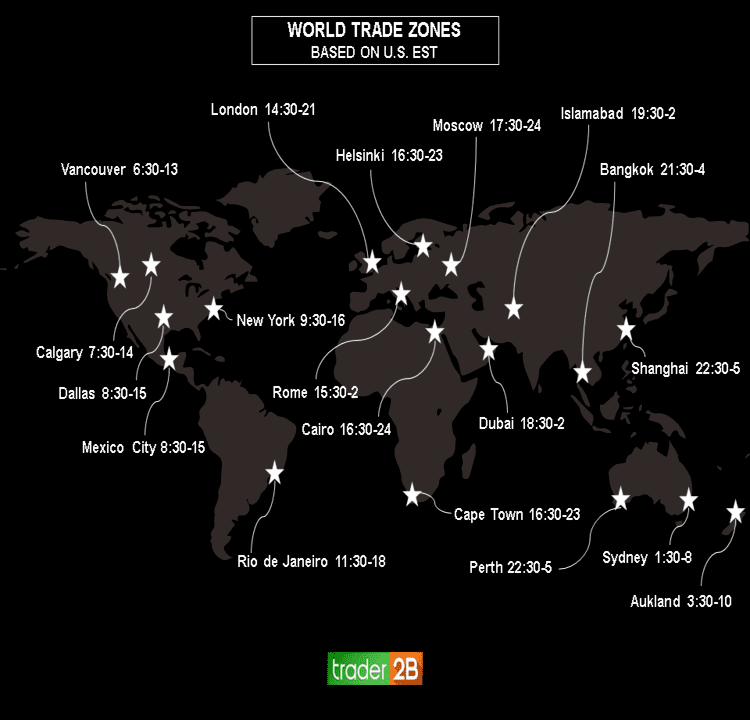
While U.S. markets are central, the global financial system operates continuously, with exchanges opening and closing in different time zones, creating a near 24-hour cycle of trading activity across the world. Understanding these international hours is critical for investors with global portfolios or those who want to grasp the worldwide sentiment affecting U.S. markets.
European Markets: London, Frankfurt, Paris
As the U.S. market heads towards its close, European markets are typically winding down their day. Major European exchanges include:
- London Stock Exchange (LSE): Generally 8:00 AM to 4:30 PM GMT (Greenwich Mean Time).
- Deutsche Börse (Frankfurt): Often 9:00 AM to 5:30 PM CET (Central European Time).
- Euronext (Paris, Amsterdam, Brussels, etc.): Typically 9:00 AM to 5:30 PM CET.
These markets often open several hours before the U.S. market, meaning that early U.S. market sentiment can often be influenced by how European markets performed overnight. There’s a significant overlap between the early hours of U.S. trading and the late hours of European trading, which can contribute to concentrated liquidity and volatility during this shared window.
Asian Markets: Tokyo, Hong Kong, Shanghai
The Asian markets are usually the first to open the trading week, often on Sunday evening ET, and are well underway before European markets begin.
- Tokyo Stock Exchange (TSE): Typically 9:00 AM to 3:00 PM JST (Japan Standard Time), with a lunch break from 11:30 AM to 12:30 PM.
- Hong Kong Stock Exchange (HKEX): Generally 9:30 AM to 4:00 PM HKT (Hong Kong Time), also with a lunch break.
- Shanghai Stock Exchange (SSE): Usually 9:30 AM to 3:00 PM CST (China Standard Time), with a lunch break.
The performance of Asian markets can set the initial tone for the trading day in Europe and subsequently in the Americas. Significant economic news or geopolitical events occurring in Asia can cascade globally, influencing futures prices and investor sentiment long before the U.S. cash markets open.
Overlapping Trading Sessions: A Global Symphony
The concept of overlapping trading sessions is crucial for global investors. For example, while the New York market is open, it can overlap with the closing hours of European markets and, in its pre-market phase, with the opening of Asian markets. This creates a continuous, albeit fragmented, global marketplace. The 24/5 nature of the Forex market (Foreign Exchange) serves as a stark contrast to stock markets, which, despite their global nature, still adhere to defined local operating hours. Investors seeking to capitalize on global events must be aware of these overlaps to execute trades efficiently and respond to real-time information.
Why Trading Hours Matter: Strategic Implications for Investors
The specific times markets open and close are not merely logistical details; they carry profound strategic implications for all types of investors, from day traders to long-term portfolio holders.
Volatility and Liquidity Dynamics

The concentration of trading activity during official market hours translates to higher liquidity and generally tighter bid-ask spreads. This means investors can typically buy or sell shares closer to their desired price, with less impact on the market. Conversely, pre-market and after-hours sessions are often characterized by lower liquidity, leading to:
- Wider Spreads: The difference between the highest price a buyer is willing to pay (bid) and the lowest price a seller is willing to accept (ask) can be significantly larger.
- Increased Volatility: With fewer participants, a single large order can have a more pronounced effect on a stock’s price, leading to sharper, less predictable movements.
- Order Execution Risk: Market orders placed during these times might execute at prices far from what the investor anticipated, underscoring the importance of using limit orders.
News and Earnings Reactions: The Time of Impact
Companies strategically time the release of critical information, such as quarterly earnings reports or significant corporate announcements, outside of regular market hours. This is done to give investors and analysts time to process the information without the immediate pressure of an active trading session.
- Pre-Market/After-Hours Impact: These announcements often trigger substantial price movements in extended trading. Savvy investors and algorithmic traders will react instantly, setting the stage for how the stock will perform when the regular session begins.
- Gap Ups/Downs: For investors holding positions overnight, a major news release can lead to a “gap up” or “gap down” in price when the market reopens, significantly impacting portfolio value before any action can be taken.
- Investor Psychology: The anticipation and reaction to news during these periods can fuel market narratives and influence overall investor sentiment for the upcoming trading day.
Global Events and Market Contagion
The interconnectedness of global markets means that events in one region can have a ripple effect across others, often before their respective markets even open. For instance, a major economic announcement in China or a political development in Europe can influence U.S. stock futures overnight, signaling potential movements for the NYSE and NASDAQ hours before the opening bell. This “market contagion” highlights the need for a global perspective, even for those primarily investing in domestic assets. Monitoring international news and the performance of overseas markets can provide valuable early indicators for local trading strategies.
Beyond Stocks: Other Financial Instruments and Their Hours
While the focus is often on stocks, it’s important to recognize that other financial instruments have their own trading schedules, some of which differ significantly from traditional equity markets.
Options and Futures Markets
Options and futures contracts, which derive their value from an underlying asset like a stock index, commodity, or currency, generally follow hours that are closely tied to their underlying markets.
- Equity Options: Typically trade during the regular stock market hours (9:30 AM – 4:00 PM ET) with some exceptions for extended-hours trading on certain index options.
- Futures: Many futures contracts, particularly those tied to major indices (e.g., E-mini S&P 500 futures), trade almost 24 hours a day, five days a week, with brief pauses. This extended availability allows for continuous risk management and speculation on global economic developments.
Exchange-Traded Funds (ETFs)
ETFs are funds that trade like individual stocks on stock exchanges. Consequently, they adhere to the same trading hours as stocks, including pre-market and after-hours sessions. This makes them highly liquid and accessible throughout the trading day.
Foreign Exchange (Forex) Market
The Forex market, where currencies are traded, is unique in its operating hours. It is a truly global, decentralized market that operates 24 hours a day, five days a week, starting on Sunday evening ET and closing on Friday evening ET. This continuous operation is due to the sequential opening and closing of major financial centers around the world (Sydney, Tokyo, London, New York). Unlike stock markets with physical locations and discrete opening bells, Forex never truly “opens” or “closes” in the traditional sense, making it highly liquid at almost any time.
Cryptocurrencies
The youngest class of assets, cryptocurrencies, stands apart with its truly non-stop trading schedule. Bitcoin, Ethereum, and thousands of other digital assets are traded 24 hours a day, 7 days a week, 365 days a year, across various global exchanges. There are no official opening or closing times, market holidays, or extended sessions; it’s a constant, always-on market, which presents both unique opportunities and challenges related to volatility and continuous monitoring.
Navigating Trading Hours: Tips for Investors
Understanding trading hours is the first step; effectively utilizing this knowledge is the next. Here are some tips for investors looking to navigate the complexities of market timings:
Understand Your Broker’s Policies
Not all brokerage firms offer full access to pre-market and after-hours trading. Even among those that do, there might be specific requirements or limitations. Always check your broker’s policy regarding extended-hours access, available order types (most often, only limit orders are accepted), and any associated fees or risks.
Stay Informed and Plan Ahead
- Economic Calendar: Keep an eye on economic calendars for major data releases, central bank announcements, and corporate earnings schedules. These events are often timed to impact markets outside regular hours.
- Global News: Monitor global news headlines, especially those from major economic blocs like Europe and Asia, to anticipate potential market movements before U.S. markets open.
- Holiday Schedule: Familiarize yourself with market holiday schedules for the year to avoid liquidity surprises and plan your trading around closures.
Emphasize Risk Management
The heightened volatility and lower liquidity during extended trading sessions mean increased risk.
- Limit Orders are Key: Always use limit orders during pre-market and after-hours trading to control the price at which your order executes. Market orders can lead to unfavorable fills due to wider spreads.
- Position Sizing: Consider reducing your position size if trading during extended hours to mitigate potential losses from sharp, sudden price movements.
- Avoid Over-Leverage: The risks of leverage are amplified in less liquid markets.
Develop a Strategy Aligned with Your Schedule
Whether you’re a day trader, swing trader, or long-term investor, align your trading strategy with your available time and risk tolerance.
- Day Traders: Must be highly attuned to opening and closing bell volatility and extended-hours news.
- Swing Traders: Might use extended hours to identify opportunities but prioritize official market hours for execution.
- Long-Term Investors: While less concerned with minute-to-minute fluctuations, understanding market hours is still important for placing orders, reinvesting dividends, and reacting to major company news. Don’t feel pressured to trade during extended hours if it doesn’t align with your broader investment goals.
Conclusion
The seemingly simple question, “What time does the stock open?” reveals a complex ecosystem of global financial markets, each operating on its own schedule but influencing the others in an intricate dance of capital flow. From the predictable 9:30 AM to 4:00 PM ET rhythm of U.S. exchanges to the near 24/7 availability of Forex and cryptocurrencies, trading hours are a critical dimension of the investment landscape.
For every investor, understanding these timings is more than just logistical knowledge; it is a strategic imperative. It empowers you to anticipate market reactions to news, navigate periods of high volatility and low liquidity, and ultimately make more informed decisions. By appreciating the global interconnectedness of trading sessions and tailoring your approach to your specific goals and risk tolerance, you can better position yourself for success in the dynamic world of investing. The market never truly sleeps, but knowing when and where it’s most active can make all the difference in your financial journey.
aViewFromTheCave is a participant in the Amazon Services LLC Associates Program, an affiliate advertising program designed to provide a means for sites to earn advertising fees by advertising and linking to Amazon.com. Amazon, the Amazon logo, AmazonSupply, and the AmazonSupply logo are trademarks of Amazon.com, Inc. or its affiliates. As an Amazon Associate we earn affiliate commissions from qualifying purchases.