
In the competitive landscape of the maritime industry, Disney Cruise Line (DCL) does not merely operate a fleet of ships; it manages an expansive, floating ecosystem of brand equity. When consumers ask, “Where does the Disney cruise go?” they are rarely looking for a simple list of geographic coordinates. Instead, they are inquiring about the extension of a narrative world. For Disney, “where” a ship goes is a tactical decision rooted in brand strategy, market penetration, and the meticulous curation of the guest experience.
From the turquoise waters of the Bahamas to the rugged coastlines of Alaska and the historic ports of the Mediterranean, Disney’s itinerary planning is a masterclass in how a legacy brand maintains its core identity while adapting to diverse global environments. This article explores the strategic brand logic behind Disney’s destinations and how the company uses geography to solidify its position as a leader in premium family travel.
The Strategic Architecture of Disney’s Global Itineraries
Disney Cruise Line’s expansion strategy is built on the principle of “controlled immersion.” Unlike traditional cruise lines that may focus on the ship as a means of transport to a destination, Disney views the destination as an extension of the ship’s internal storytelling. The brand’s choice of ports is never arbitrary; it is a calculated effort to align external locations with the brand’s reputation for safety, magic, and premium service.
From the Caribbean to the Mediterranean: Curating the Magical Journey
The Caribbean remains the cornerstone of the Disney Cruise Line brand. It is here that the brand established its identity, leveraging the proximity to its Florida land-based operations (Walt Disney World) to create seamless “Land and Sea” vacation packages. This synergy is a pillar of Disney’s marketing strategy, allowing for a double-dip into the consumer’s wallet while providing a unified brand experience.
However, as the brand matured, it recognized the need to capture the “lifelong traveler” segment. By expanding into the Mediterranean and Northern Europe, Disney signaled a pivot toward “educational magic.” In these regions, the brand strategy shifts slightly. The narrative becomes one of discovery and heritage, allowing Disney to compete with luxury European lines by offering a family-friendly gateway to high-culture destinations.
The Exclusive Experience of Castaway Cay and Lookout Cay
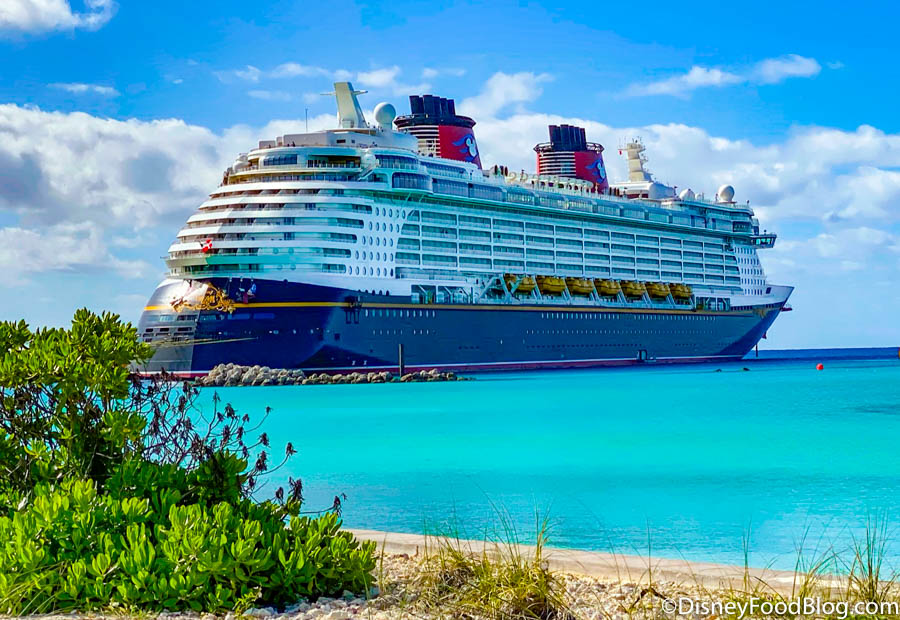
Perhaps the most significant “where” in Disney’s portfolio is not a public port at all, but its private destinations: Castaway Cay and the newly developed Lookout Cay at Lighthouse Point. From a brand strategy perspective, these private islands represent the ultimate achievement in “Brand Environment Control.”
By owning the destination, Disney eliminates the variables of a public port—crowds, third-party vendors, and inconsistent service levels. On Castaway Cay, every interaction is a brand touchpoint, from the themed bar service to the meticulously groomed beaches. This allows Disney to charge a premium, knowing they can guarantee a 100% “Disney-fied” experience. It is an exercise in vertical integration that few other brands can replicate with such success.
Destination as an Extension of Brand Storytelling
A brand is a promise of a consistent experience. For Disney, that promise must hold true whether a guest is in a theater watching Frozen or standing on a glacier in Juneau. The “where” of a Disney cruise serves as a backdrop for immersive storytelling that begins the moment a passenger books their trip.
Immersive Storytelling Beyond the Ship
Disney utilizes its destinations to reinforce its intellectual property (IP). In Alaska, for example, the natural surroundings are framed through the lens of adventure and discovery, themes central to many Disney films. The brand doesn’t just take you to Alaska; it takes you on a “Disney Adventure” in Alaska.
This is achieved through “Port Adventures,” Disney’s branded shore excursions. These excursions are vetted to ensure they meet the brand’s high standards for safety and entertainment. By branding these off-ship experiences, Disney ensures that the “brand glow” does not fade when the guest steps off the gangway. It creates a seamless narrative loop where the destination feels like a live-action set designed specifically for the guest.
Strategic Partnerships and Port Selection
The selection of ports is also a strategic branding move designed to signal exclusivity. Disney often utilizes smaller or more premium ports that larger, mass-market cruise lines might overlook. This reinforces the “premium” positioning of the DCL brand.
Furthermore, Disney’s entrance into a new port is often accompanied by significant local investment and PR campaigns. This helps build the brand’s corporate identity as a responsible and beneficial global citizen. By partnering with local communities to create authentic yet “on-brand” experiences, Disney ensures that its geographic expansion is met with enthusiasm rather than resistance, protecting the brand’s reputation on a global stage.

Replicating Quality in Diverse Markets: The Global Strategy
As Disney Cruise Line looks toward the future, its geographic “where” is shifting toward the East. The brand’s expansion into the Asia-Pacific market represents one of the most significant strategic moves in its history. This expansion is not just about adding more ships; it is about translating the Disney brand for a new demographic while maintaining the core values that make it successful in the West.
Entering the Asia-Pacific Market: The Singapore Strategy
The announcement of a Disney ship permanently homeporting in Singapore is a landmark brand strategy move. Singapore serves as a hub for Southeast Asia, a region with a burgeoning middle class and a deep affinity for Disney IP. By placing a ship in this strategic location, Disney is making its “cruise experience” accessible to millions who might find a trip to Florida or California cost-prohibitive.
The brand challenge here is “localization without dilution.” The ship operating out of Singapore will likely feature dining and entertainment options tailored to regional tastes, yet it must remain unmistakably “Disney.” This balance is crucial for brand integrity. If the experience feels too local, it loses the “imported luxury” appeal of the Disney brand; if it feels too Western, it may fail to resonate with the local market.
Maintaining Brand Consistency Across Oceans
Whether a ship is in the fjords of Norway or the islands of the South Pacific, Disney employs a rigorous “Brand Standard Operating Procedure.” This includes everything from ship maintenance to the specific “Cast Member” training.
The geographic diversity of the fleet serves as a stress test for the brand’s operational excellence. By successfully replicating the same high-tier experience in vastly different environments, Disney reinforces its brand promise of reliability. In the world of high-end travel, reliability is the ultimate currency. Parents choose Disney Cruises specifically because they trust the brand to deliver a “hassle-free” vacation, regardless of the destination’s complexity.
The Psychology of “Disneyized” Travel and Market Demand
The brand strategy of Disney Cruise Line also relies heavily on the psychological drivers of its fan base. By carefully selecting where its ships go, Disney creates a sense of urgency, scarcity, and seasonal demand that fuels high occupancy rates and premium pricing.
Creating Scarcity and Seasonal Demand
Disney does not keep its entire fleet in one place. By rotating ships through different regions—such as the Mediterranean in the summer and the Caribbean in the winter—the brand creates a “limited time offer” mentality. Fans of the brand feel a sense of FOMO (Fear Of Missing Out) if they do not book a specific seasonal itinerary, such as the “Halloween on the High Seas” or “Very Merrytime Cruises.”
This seasonal rotation also allows Disney to maximize revenue based on global travel trends. It positions the brand as a year-round travel solution, ensuring that there is always a “Disney destination” somewhere in the world that is in peak season.
The Halo Effect of Port Adventures
The “Port Adventures” mentioned earlier do more than just provide entertainment; they create a “Halo Effect” for the brand. When a guest has a life-changing experience—like dog-sledding in Alaska or touring the ruins of Pompeii—and that experience is facilitated by Disney, the positive emotions from that event are tethered to the Disney brand.
This creates a powerful cycle of brand loyalty. The guest doesn’t just remember the destination; they remember that Disney took them there. This strategic association ensures that when the guest plans their next “big” trip, they are less likely to look at a map and more likely to look at the Disney Cruise Line website.
Conclusion: The Map is the Brand
When we analyze “where” the Disney cruise goes, we see more than just a list of ports; we see a sophisticated map of brand strategy. Every destination is a carefully chosen chapter in a larger story designed to reinforce Disney’s status as the gold standard of family entertainment.
Through the ownership of private islands, the strategic expansion into the Asia-Pacific market, and the meticulous branding of shore excursions, Disney has transformed the act of travel into a proprietary brand experience. The “where” is not the point; the “Disney” is. By ensuring that the brand promise travels as well as the ships themselves, Disney Cruise Line has successfully turned the entire world into its theme park, one port at a time. This geographic mastery ensures that no matter where in the world a Disney ship drops anchor, the guests are always exactly where Disney wants them to be: immersed in the magic.
aViewFromTheCave is a participant in the Amazon Services LLC Associates Program, an affiliate advertising program designed to provide a means for sites to earn advertising fees by advertising and linking to Amazon.com. Amazon, the Amazon logo, AmazonSupply, and the AmazonSupply logo are trademarks of Amazon.com, Inc. or its affiliates. As an Amazon Associate we earn affiliate commissions from qualifying purchases.