
Tesla, the undisputed pioneer and a leading force in the electric vehicle (EV) revolution, owes much of its success to its relentless pursuit of technological innovation, particularly concerning battery technology. The performance, range, and cost-effectiveness of an EV are inextricably linked to its battery pack, making the source and type of these energy storage units a critical strategic consideration for any manufacturer. For Tesla, understanding “where it gets its batteries” is not just about identifying suppliers; it’s a deep dive into advanced chemistry, global manufacturing dynamics, strategic partnerships, and an ambitious vision for vertical integration. This article delves into the intricate web of Tesla’s battery supply chain, exploring the technological choices, key players, and future ambitions that underpin its position at the forefront of sustainable transportation.

The Core of Tesla’s Power: Understanding Battery Technologies
At the heart of every Tesla vehicle lies a sophisticated battery pack, comprised of thousands of individual cells working in concert. The choice of battery chemistry is paramount, influencing everything from energy density and power output to lifespan and cost. Tesla’s approach has been dynamic, adapting its chemistry choices to meet specific vehicle requirements, market demands, and evolving technological advancements.
Evolution of Battery Chemistry for EVs
Historically, lithium-ion batteries, specifically Nickel-Manganese-Cobalt (NMC) and Nickel-Cobalt-Aluminum (NCA) chemistries, have dominated the high-performance EV segment. These chemistries offer high energy density, allowing for longer driving ranges with a relatively compact and lighter battery pack. NCA, a variant closely related to NMC, was a primary choice for Tesla’s early models and high-performance vehicles, known for its balance of energy density and power.
However, the industry has seen a significant shift with the growing prominence of Lithium Iron Phosphate (LFP) batteries. While LFP typically offers lower energy density than NMC/NCA, it boasts several compelling advantages: superior thermal stability (making them safer), longer cycle life (more charge-discharge cycles before degradation), and significantly lower cost due to the absence of expensive and ethically contentious cobalt. The robust nature of LFP also allows for charging to 100% more regularly without significant long-term degradation, a benefit not typically recommended for NMC/NCA cells.
Tesla’s Strategic Choices in Battery Types
Tesla has shrewdly adopted a multi-chemistry strategy to optimize its product offerings. For its standard range vehicles, particularly those manufactured in China for the local and export markets (like the Model 3 Standard Range and Model Y Standard Range), Tesla has increasingly shifted to LFP batteries. This move not only reduces vehicle costs, making them more accessible, but also diversifies its supply chain away from reliance on nickel and cobalt, which are subject to greater price volatility and geopolitical risks. The slightly lower energy density of LFP is less critical for standard range models, where everyday commuting range is prioritized over maximum long-distance capability.
Conversely, for its long-range and performance variants, such as the Model S, Model X, Cybertruck, and higher-end Model 3/Y, Tesla continues to primarily utilize high-nickel NMC or NCA chemistries. These chemistries provide the necessary energy density to achieve extended ranges and the power output required for exhilarating acceleration, aligning with the expectations of premium and performance-oriented customers. This dual approach allows Tesla to tailor battery characteristics to specific vehicle segments, optimizing for both cost and performance across its diverse product portfolio.
Key Players in Tesla’s Battery Supply Network
Despite its ambitious goals for in-house battery production, Tesla has historically relied, and continues to rely, on a robust network of established battery manufacturers. These partnerships are crucial for meeting the immense demand for its vehicles and for leveraging the deep expertise and manufacturing scale of the world’s leading battery cell producers.
Panasonic: A Legacy Partnership
The relationship between Tesla and Panasonic is perhaps the most enduring and strategically significant. Panasonic, a Japanese multinational electronics company, was Tesla’s primary and virtually exclusive battery cell supplier for many years, dating back to the original Roadster and extending through the Model S, Model X, and early Model 3 production. Panasonic has been instrumental in developing and mass-producing the cylindrical lithium-ion cells that have become synonymous with Tesla’s early success – first the 18650 cells, and later the larger and more energy-dense 2170 cells, which are produced at the Gigafactory Nevada in a joint venture with Tesla. This partnership exemplifies a deep collaboration, with Panasonic bringing its extensive battery manufacturing experience and Tesla providing the innovation and market demand for large-scale EV adoption. The collaboration has focused on continuous improvement in cell chemistry, energy density, and manufacturing efficiency, pushing the boundaries of what cylindrical cells can achieve.
CATL: Dominance in LFP and Global Expansion
Contemporary Amperex Technology Co. Limited (CATL), a Chinese battery giant, has emerged as a crucial partner for Tesla, particularly with the strategic shift towards LFP batteries. CATL is the world’s largest battery manufacturer by volume and a leader in LFP technology. Its partnership with Tesla has been pivotal in enabling the production of more affordable Model 3 and Model Y variants, primarily from Gigafactory Shanghai. CATL supplies LFP cells, often in a prismatic form factor, which Tesla then integrates into its battery packs. This collaboration has not only helped Tesla diversify its battery supply chain but has also allowed it to significantly reduce production costs and offer more competitive pricing for its vehicles, especially in markets where cost-effectiveness is a key purchasing factor. CATL’s vast manufacturing capacity and expertise in LFP cells have been instrumental in scaling Tesla’s global output.
LG Energy Solution: Diversification and Global Reach
LG Energy Solution (LGES), a South Korean chemical and energy company and a spin-off of LG Chem, represents another vital pillar in Tesla’s battery supply network. LGES provides NMC-based pouch or cylindrical cells for various Tesla models, serving to further diversify Tesla’s supply base and reduce dependence on any single supplier or chemistry. Their global manufacturing footprint, with facilities in South Korea, China, Poland, and the United States, makes them an attractive partner for Tesla’s expanding global production ambitions. LGES’s contributions help ensure a stable supply of high-energy-density batteries for Tesla’s performance and long-range vehicles, especially those produced at Gigafactory Shanghai and Berlin, complementing the Panasonic and CATL supplies.
Other Potential Suppliers and Regional Considerations
While Panasonic, CATL, and LGES are the primary identified suppliers, the dynamic nature of the battery market means Tesla is always exploring options. Other major battery manufacturers like Samsung SDI (also from South Korea) have the technological capability and scale to be potential future partners or to supply specific components. Furthermore, as Tesla expands its manufacturing presence globally, particularly in Europe (Gigafactory Berlin) and the United States (Gigafactory Texas), regional sourcing becomes increasingly important. Localizing the battery supply chain reduces logistics costs, mitigates geopolitical risks, and can qualify vehicles for regional incentives. This pushes Tesla to evaluate potential partnerships with other players or to expand existing suppliers’ regional capacities.
Tesla’s Vertical Integration and “In-House” Battery Ambitions
While leveraging external expertise has been fundamental, Tesla’s long-term strategy involves a significant move towards vertical integration, with ambitious plans to produce a substantial portion of its battery cells internally. This strategy is driven by the desire for greater control over cost, supply, technological innovation, and manufacturing processes.
The Promise of the 4680 Cell
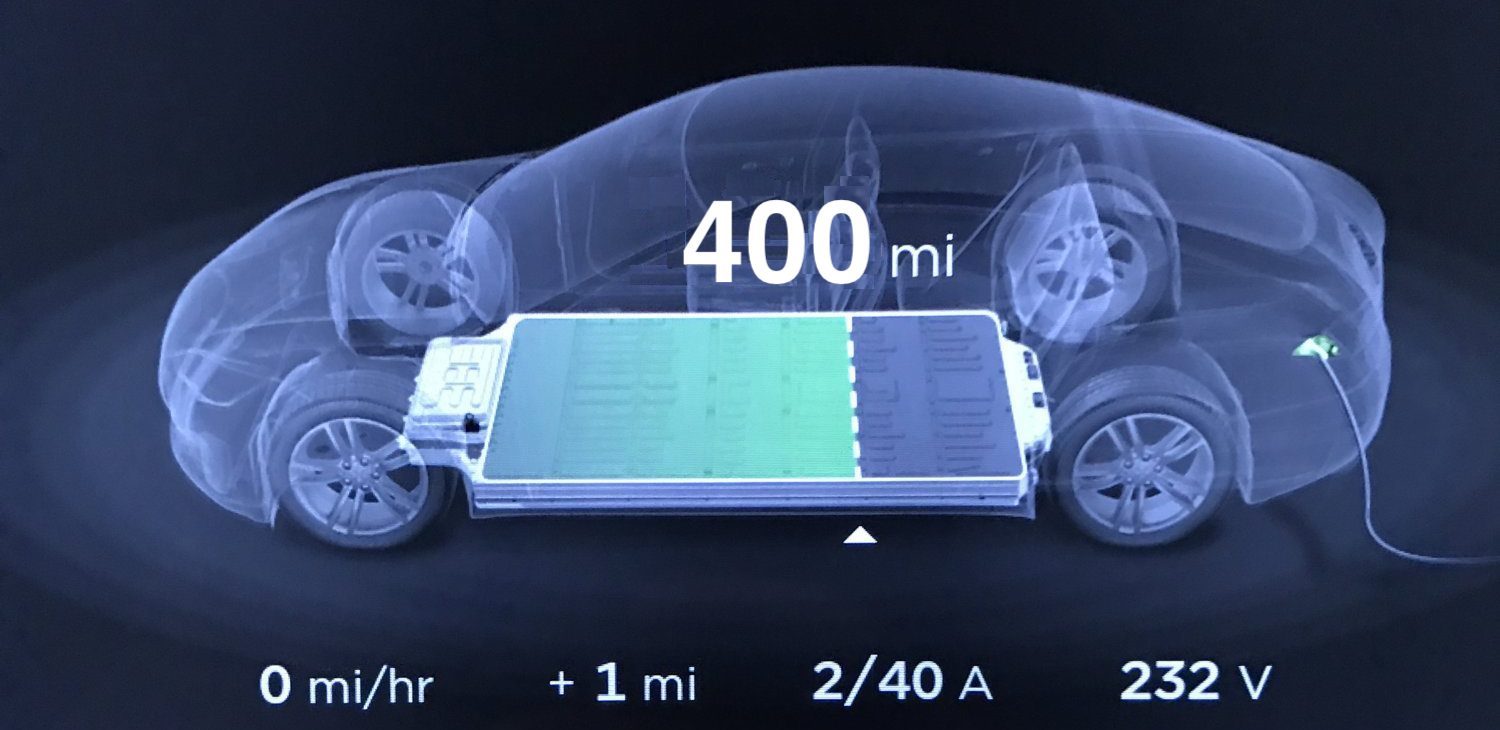
The cornerstone of Tesla’s in-house battery production strategy is the development and mass production of its proprietary “4680” cell. Unveiled at Tesla’s Battery Day in September 2020, the 4680 refers to a new, larger cylindrical cell format (46mm diameter, 80mm length) designed to offer several significant advantages over existing cells. These include:
-
Larger Size: The increased volume allows for greater energy density per cell and fewer cells needed per pack, simplifying pack assembly.
-
Tabless Design: This innovative design reduces internal resistance, leading to faster charging, lower heat generation, and improved power output.
-
Dry Electrode Manufacturing: Tesla aims to implement a dry electrode coating process, which promises to be significantly more cost-effective, energy-efficient, and environmentally friendly than conventional wet coating methods.
-
Structural Battery Pack: The 4680 cells are designed to be integrated directly into the vehicle’s chassis, forming a “structural battery pack.” This design simplifies manufacturing, reduces weight, increases structural rigidity, and frees up interior space, acting as both an energy storage unit and a structural component.
The 4680 cell is not just about a new form factor; it represents a comprehensive overhaul of battery chemistry, manufacturing processes, and vehicle integration, all aimed at achieving a dramatic reduction in cost per kWh, an increase in energy density, and faster production rates.
Battery Day Announcements and Giga-factories
At Battery Day, Elon Musk outlined a vision for Tesla to produce 100 GWh of batteries internally by 2022 and 3 TWh annually by 2030, a monumental undertaking. This internal production is planned to take place at dedicated battery production facilities within Tesla’s Gigafactories, such as Gigafactory Texas, Gigafactory Berlin, and potentially other locations. The rationale behind this aggressive push includes:
-
Cost Reduction: By controlling the entire manufacturing process, from raw materials to finished cells, Tesla aims to significantly cut battery costs, which remain the most expensive component of an EV.
-
Supply Security: Relying solely on external suppliers creates vulnerabilities. In-house production ensures a more stable and controlled supply chain, reducing exposure to geopolitical tensions or supplier production issues.
-
Accelerated Innovation: Direct control over battery chemistry and manufacturing allows Tesla to iterate and innovate faster, tailoring cells precisely to its specific vehicle architectures and performance goals.
-
Environmental Impact: Tesla intends to implement more sustainable and ethical raw material sourcing and closed-loop recycling processes for its own battery production.
Balancing External Sourcing with Internal Production
Despite the ambitious in-house battery production plans, Tesla has repeatedly stated that it will continue to source batteries from its existing partners. The sheer volume of batteries required to meet Tesla’s growth targets means that even with successful internal production, external suppliers will remain indispensable for the foreseeable future. The strategy is not to replace suppliers entirely, but rather to supplement external supply, gain leverage in negotiations, and ensure a strategic backup. Internal production is likely to be prioritized for cutting-edge technologies like the 4680 cells, while partners will continue to supply the established and proven cell types. This hybrid approach offers flexibility, risk mitigation, and the ability to scale production rapidly to meet escalating global demand for EVs.
The Broader Technological and Strategic Implications
Tesla’s battery sourcing and manufacturing strategy has far-reaching implications beyond just its own vehicles, influencing the broader EV industry and global technology trends.
Supply Chain Security and Raw Material Sourcing
The quest for battery raw materials — primarily lithium, nickel, cobalt, and graphite — has become a critical geopolitical and economic challenge. Tesla, like other automakers, is acutely aware of the vulnerabilities in securing these vital resources. Its strategy involves direct engagement with mining companies, exploring innovative refining processes, and advocating for more sustainable extraction methods. The move towards LFP batteries for standard range vehicles is partly driven by a desire to reduce reliance on cobalt and nickel, which have historically faced supply constraints, price volatility, and ethical concerns related to mining practices. Furthermore, Tesla is investing in raw material processing facilities and exploring recycling initiatives to create a more closed-loop, resilient supply chain.
Environmental and Ethical Considerations in Battery Production
The environmental footprint and ethical implications of battery production are increasingly scrutinized. Tesla’s focus on dry electrode manufacturing for 4680 cells is a significant step towards reducing the environmental impact of cell production, as it eliminates the need for vast quantities of toxic solvents and energy-intensive drying processes. Similarly, by prioritizing suppliers with strong environmental, social, and governance (ESG) practices and by investigating direct raw material sourcing, Tesla aims to ensure that its batteries are produced as sustainably and ethically as possible, from mine to vehicle. Responsible sourcing of cobalt and other minerals is a continuous challenge that Tesla, along with the broader industry, is actively addressing.
Impact on EV Technology Trends
Tesla’s innovative approach to battery technology and manufacturing serves as a powerful catalyst for the entire EV industry. Its aggressive pursuit of cost reduction through advanced manufacturing (like the structural battery pack and dry electrode) and its strategic adoption of LFP batteries have forced competitors to re-evaluate their own battery strategies. The 4680 cell, if mass-produced successfully, could set new benchmarks for energy density, power, and cost, pushing other battery manufacturers and automakers to accelerate their own research and development into next-generation battery technologies and manufacturing processes. Tesla’s influence extends to driving demand for robust and sustainable raw material supply chains, thereby shaping the future direction of the entire EV ecosystem.
The Future of Tesla’s Battery Ecosystem
The journey of battery technology is far from over. Tesla’s future battery ecosystem will likely be characterized by continued innovation, diversification, and localization.
Continued Innovation in Battery Technology
Beyond the current NMC, NCA, and LFP chemistries, the industry is constantly exploring new frontiers. Solid-state batteries, which promise significantly higher energy density, faster charging times, and enhanced safety by replacing liquid electrolytes with solid ones, are a long-term goal for many. While still in the research and development phase for mass production, Tesla is undoubtedly keeping a close eye on these advancements. Further improvements in silicon anode technology, which can dramatically increase energy density, and other novel chemistries will also likely play a role in Tesla’s future battery strategies, pushing the boundaries of what EVs can achieve.
Diversification and Localization of Supply Chains
The trend towards regional battery manufacturing facilities is gaining momentum globally. Geopolitical considerations, the desire to reduce logistics costs, and the push for greater supply chain resilience are driving automakers and battery manufacturers to build production hubs closer to their assembly plants. Tesla is at the forefront of this, with plans for battery production in the U.S. and Germany. This localization will not only make supply chains more robust but also enable greater customization of battery packs for regional market preferences and regulatory requirements. A diversified supply chain, encompassing multiple chemistries and geographical sources, will be key to Tesla’s continued growth and stability.
Energy Storage Beyond Vehicles
Tesla’s battery expertise extends beyond its vehicles to its rapidly growing energy storage division, Tesla Energy. Products like the Powerwall for homes and Megapack for utility-scale applications utilize similar battery technologies, often employing LFP cells for their safety, durability, and cost-effectiveness. The synergies between EV battery development and stationary energy storage are significant, with innovations in one area often benefiting the other. As the world transitions to renewable energy sources, the demand for grid-scale battery storage will only escalate, making Tesla’s control over battery technology and supply a powerful asset in shaping the future of global energy infrastructure.
Conclusion
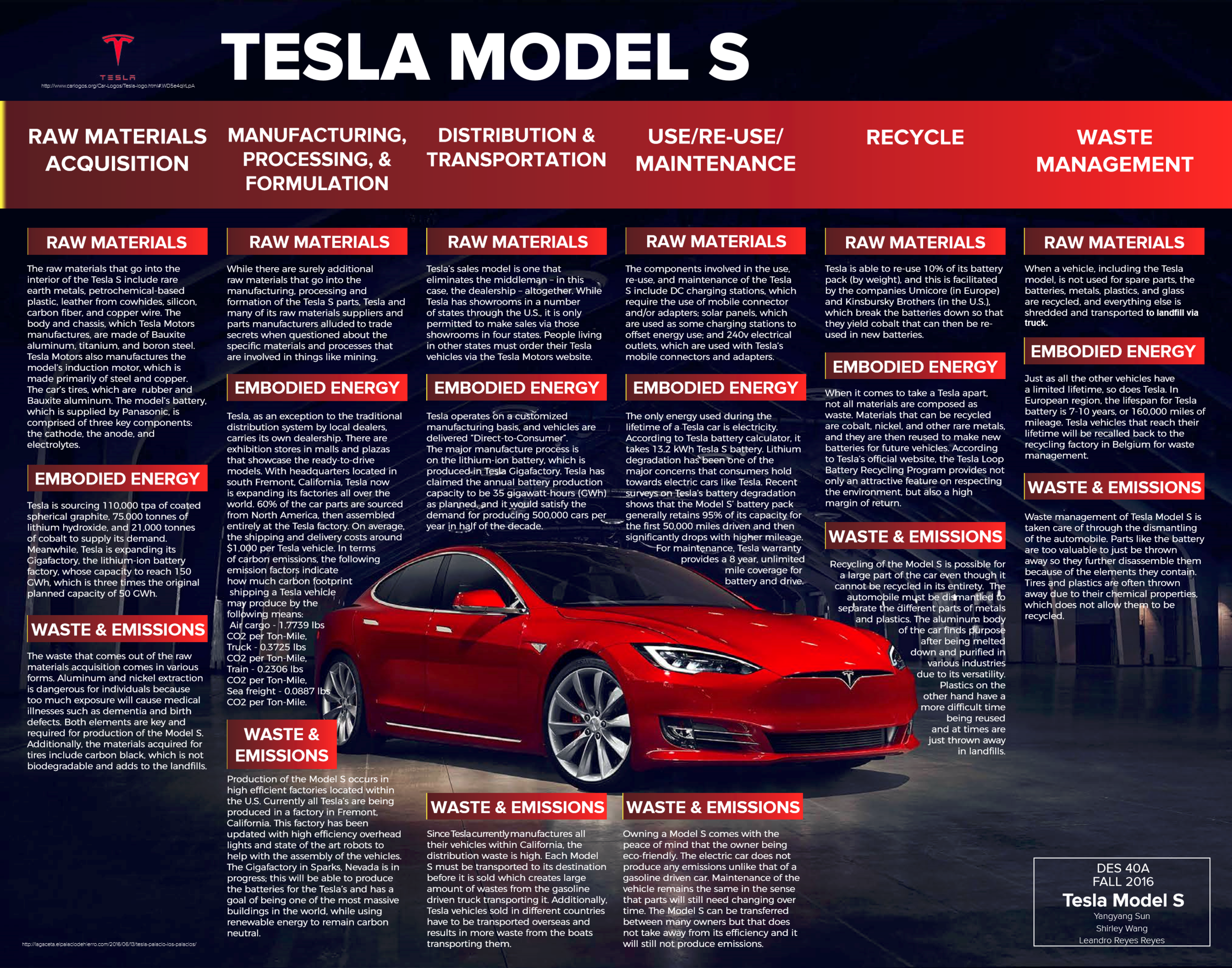
Tesla’s battery sourcing strategy is a complex, multi-faceted approach defined by a judicious blend of strategic partnerships and aggressive in-house technological development. It’s a testament to the company’s commitment to pushing the boundaries of what’s possible in electric vehicle technology. By partnering with global leaders like Panasonic, CATL, and LG Energy Solution, Tesla ensures a robust and diversified supply of high-quality battery cells across various chemistries. Simultaneously, its ambitious pursuit of the 4680 cell and structural battery pack, coupled with vertical integration into battery manufacturing, underscores a long-term vision for unparalleled cost reduction, enhanced performance, and ultimate control over its most critical component. This dynamic strategy not only fuels Tesla’s rapid expansion but also significantly influences the broader technological trajectory of the entire electric vehicle and renewable energy industries, cementing batteries as the fundamental powerhouses of our sustainable future.
aViewFromTheCave is a participant in the Amazon Services LLC Associates Program, an affiliate advertising program designed to provide a means for sites to earn advertising fees by advertising and linking to Amazon.com. Amazon, the Amazon logo, AmazonSupply, and the AmazonSupply logo are trademarks of Amazon.com, Inc. or its affiliates. As an Amazon Associate we earn affiliate commissions from qualifying purchases.