
The landscape of modern media is defined by the rapid evolution of how we consume content. When consumers ask “what is the AMC channel,” the answer is no longer a simple reference to a position on a cable dial. In the contemporary technological era, AMC has transformed from a linear television network into a sophisticated digital ecosystem. This transition reflects a broader shift in the tech industry, where traditional software delivery models are being replaced by high-performance streaming platforms, integrated applications, and data-driven content delivery networks.
To understand AMC today is to understand the intersection of cloud computing, application development, and the massive infrastructure required to deliver high-definition video to millions of global users simultaneously.

The Evolution of AMC: From Analog Cable to a Digital-First Tech Stack
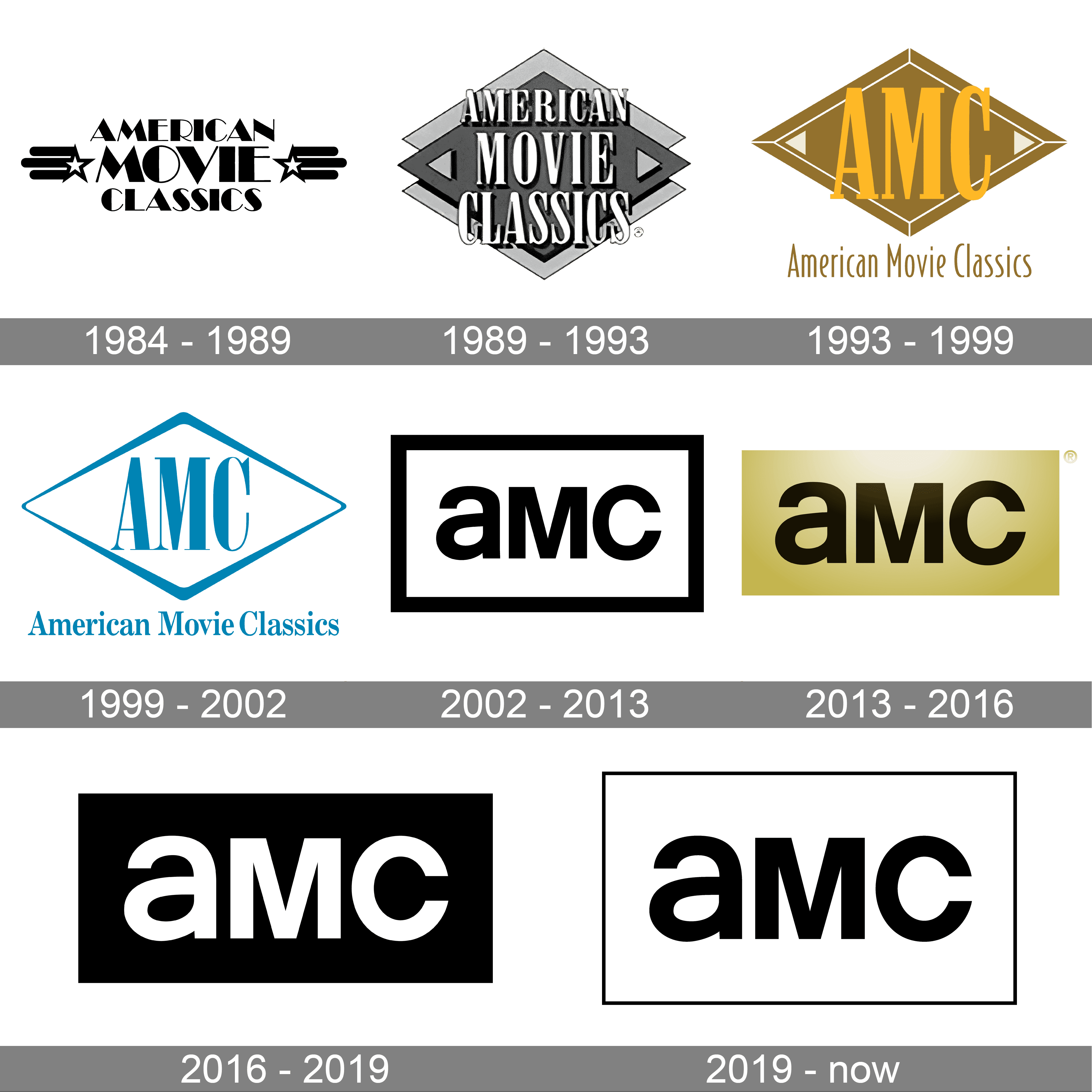
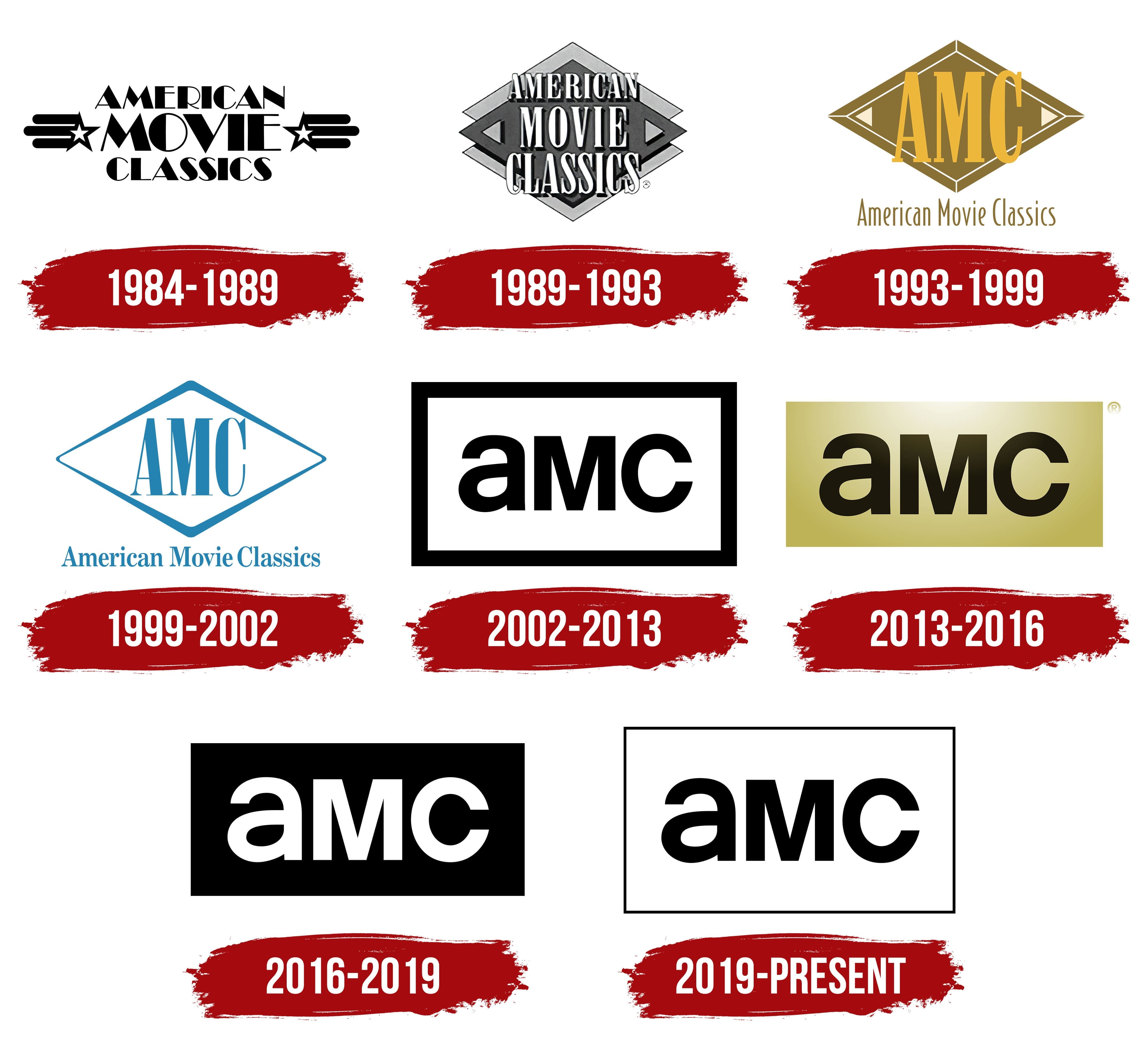
Originally known as American Movie Classics, the “channel” was once a static entity. It functioned via satellite-to-cable distribution, utilizing analog and early digital signals to broadcast a pre-determined schedule of films. However, the technological revolution of the early 2010s forced a pivot. The AMC of today is a multi-platform software entity that operates across a variety of hardware, including smart TVs, gaming consoles, mobile devices, and web browsers.
The Shift to Streaming Architectures
The primary technological leap for AMC was the development of its standalone streaming service, AMC+. This move represented a shift from being a content provider for third-party distributors to becoming a full-stack platform operator. Building a streaming service requires a robust backend capable of handling millions of concurrent requests. AMC utilizes modern cloud infrastructure—predominantly leveraging Amazon Web Services (AWS) or similar cloud providers—to ensure low-latency delivery and high availability.
Legacy Integration vs. Modern UX
One of the greatest challenges in the tech transition for a legacy brand like AMC is maintaining compatibility. The “AMC Channel” must exist simultaneously as a legacy linear feed for cable providers (via QAM modulation) and as an interactive, on-demand application (via OTT or Over-The-Top technology). This dual-path architecture requires sophisticated transcoding pipelines that can take a single master video file and convert it into dozens of different bitrates and formats to suit everything from a 4K OLED home theater system to a smartphone on a patchy 4G connection.
Decoding the AMC+ App: A Case Study in SVOD Technology
At its core, the modern AMC channel is defined by its Subscription Video on Demand (SVOD) platform, AMC+. This is not merely a website with videos; it is a complex software application that utilizes various frameworks to provide a seamless user experience.
Front-End Frameworks and Cross-Platform Compatibility
The AMC+ application is built to run on diverse operating systems, including Roku OS, tvOS (Apple TV), Android TV, and Fire OS. This requires the use of cross-platform development tools or native development teams to ensure that the user interface (UI) remains consistent. The tech stack behind these apps focuses on minimizing “time to first frame,” a critical metric in streaming performance that measures how quickly a video starts playing after a user clicks “play.”
Recommendation Engines and Data Analytics
A key component of any modern digital “channel” is the algorithm. AMC uses data analytics to track user behavior, such as viewing duration, search history, and genre preference. This data is processed through machine learning models to generate personalized recommendations. In the tech world, this is a sophisticated implementation of predictive analytics, ensuring that the platform can retain users by surfacing relevant content in an increasingly crowded marketplace.
Digital Rights Management (DRM)
A significant part of the technology powering the AMC channel involves security. To protect high-value intellectual property, AMC utilizes advanced Digital Rights Management (DRM) systems like Google’s Widevine, Apple’s FairPlay, and Microsoft’s PlayReady. These technologies ensure that the content is encrypted from the server to the end-user device, preventing unauthorized redistribution while allowing legitimate users to access the content they have paid for across multiple authorized devices.
The Infrastructure of Content Delivery: CDNs and Edge Computing
When a user watches the AMC channel digitally, the video doesn’t typically travel from a single central server. Instead, AMC relies on Content Delivery Networks (CDNs). This is a critical piece of tech infrastructure that places “edge servers” in various geographical locations around the world.
Reducing Latency through Edge Computing
By utilizing CDNs like Akamai or Cloudflare, AMC ensures that a viewer in London is pulling data from a server in the UK, rather than one in New York. This drastically reduces latency and prevents the dreaded buffering icon. For high-stakes broadcasts, such as season finales of major franchises, the technical load on these CDNs is immense, requiring real-time load balancing to distribute traffic and prevent system crashes.
Adaptive Bitrate Streaming (ABS)
The AMC channel utilizes Adaptive Bitrate Streaming, a technology that adjusts the quality of the video stream in real-time based on the user’s internet speed. This is achieved by breaking the video file into small segments (usually 2 to 10 seconds long). Each segment is encoded at several different quality levels. As the player detects a drop in bandwidth, it automatically requests the next segment at a lower resolution, ensuring that the video never stops playing, even if the quality fluctuates.
The Ecosystem Approach: APIs and Third-Party Aggregation
In the modern tech landscape, a “channel” is often just a node in a larger network. AMC has embraced an “ecosystem approach,” making its service available through APIs and integration modules within larger platforms.
Integration with “Channels” on Amazon and Apple
A significant portion of AMC’s digital footprint exists within the Amazon Prime Video and Apple TV “Channels” ecosystem. Technically, this is achieved through deep API integration. Instead of a user opening a separate AMC app, the AMC content library is surfaced directly within the host platform’s interface. This requires sophisticated metadata synchronization, where AMC’s content database communicates with Amazon’s or Apple’s servers to ensure that episode titles, descriptions, and user watch-history are synced in real-time.
Authentication and Single Sign-On (SSO)
For users who still have a traditional cable subscription, the “AMC Channel” app often uses TV Everywhere technology. This relies on Single Sign-On (SSO) protocols like SAML or OAuth. When you “log in with your provider,” a secure token is passed between the cable company’s authentication server and AMC’s app, verifying your subscription status without the app ever seeing your actual password. This is a standard but vital piece of digital security tech that bridges the gap between old-school cable and modern apps.
The Future of the AMC Channel: AI, Cloud Gaming, and Interactive Media
As we look toward the future, the definition of the AMC channel will continue to be shaped by emerging technology. We are seeing the early stages of a shift toward more interactive and immersive entertainment experiences.
AI-Enhanced Upscaling and Restoration
AMC owns a vast library of classic films and television shows. One of the current tech trends they are likely to leverage is AI-driven upscaling. Using generative neural networks, low-resolution archival footage can be enhanced to 4K or even 8K quality, breathing new life into older content for modern displays. This technology goes beyond simple filtering; it actually “fills in” missing pixels based on learned patterns.
The Move Toward Interactivity
With the rise of 5G and low-latency cloud technology, the AMC channel could potentially evolve into an interactive experience. This might include “choose-your-own-path” narratives or augmented reality (AR) integrations where viewers can use their smartphones to see digital overlays while watching a broadcast on their TV. The underlying tech for this—low-latency WebRTC or high-speed data streaming—is already being tested in the gaming and sports sectors.
Personalization at the Edge
The next frontier for the AMC digital platform is hyper-personalization. Instead of just recommending a show, the technology may soon allow for “dynamic ad insertion” (DAI) and even “dynamic content insertion,” where certain elements of the viewing experience are tailored to the individual user in real-time at the edge server level. This would represent the pinnacle of targeted digital delivery, turning a mass-media channel into a one-to-one personalized stream.
Conclusion: AMC as a Software Platform
In summary, when we ask “what is the AMC channel,” we are looking at a masterclass in digital transformation. It is no longer just a frequency on a wire; it is a sophisticated suite of applications, a massive database of encrypted content, and a global distribution network powered by the latest in cloud and edge computing.
For the tech-savvy consumer, AMC represents the successful migration of legacy media into the SaaS (Software as a Service) era. Through the use of robust APIs, secure DRM, efficient CDNs, and data-driven personalization, AMC has ensured its relevance in a world where the “channel” is an app, and the “viewer” is a data point in a vast, global network. Whether accessed through a standalone app, a web portal, or an integrated platform, the AMC channel is a testament to the power of technological evolution in the entertainment industry.
aViewFromTheCave is a participant in the Amazon Services LLC Associates Program, an affiliate advertising program designed to provide a means for sites to earn advertising fees by advertising and linking to Amazon.com. Amazon, the Amazon logo, AmazonSupply, and the AmazonSupply logo are trademarks of Amazon.com, Inc. or its affiliates. As an Amazon Associate we earn affiliate commissions from qualifying purchases.