
The question “Where does American Airlines fly to?” might seem like a simple inquiry about destinations, a practical concern for any prospective traveler. However, for a brand strategist or a marketing professional, this question unlocks a much deeper narrative. It’s not merely a list of cities on a map; it’s a meticulously crafted tapestry reflecting brand identity, strategic positioning, competitive dynamics, and the very aspirations of one of the world’s largest airlines. American Airlines’ route network is a physical manifestation of its brand strategy, a global footprint designed to capture market share, build loyalty, and project a specific corporate image. Analyzing where it flies, and why, offers profound insights into the intricate interplay between operational decisions and brand objectives.
The Global Reach of a Flagship Brand
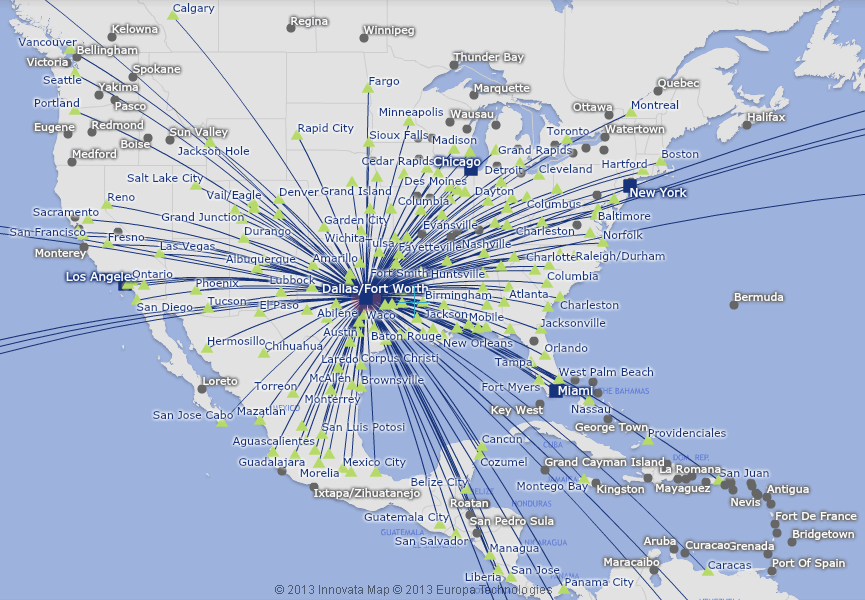
American Airlines’ sprawling network is a cornerstone of its brand identity as a leading global carrier. The sheer volume and diversity of its destinations speak volumes about its ambition, its commitment to connectivity, and its place in the pantheon of international aviation. Every route, from a short hop between regional cities to a transcontinental journey, contributes to a larger brand story of extensive reach and reliable service.
Strategic Hubs and Network Design
At the heart of American Airlines’ brand architecture is its strategic hub-and-spoke model. Major hubs like Dallas-Fort Worth (DFW), Charlotte (CLT), Miami (MIA), Chicago O’Hare (ORD), Philadelphia (PHL), and Phoenix (PHX) are not just operational centers; they are brand beacons. These hubs act as vital nodes, concentrating passenger traffic from smaller regional airports and distributing it to domestic and international destinations. This system reinforces American’s brand promise of seamless connectivity, positioning it as the gateway to virtually anywhere. The robustness of these hubs projects an image of efficiency, reliability, and strategic foresight, essential attributes for a global airline brand. By investing heavily in these key locations, American Airlines signals its commitment to providing comprehensive service, whether for business travelers seeking efficiency or leisure travelers desiring convenience. The choice of these particular cities as hubs also reflects a strategic decision to dominate specific geographic regions, anchoring the brand deeply within key markets across the United States.
Domestic Dominance and Regional Connectivity
Before it flies across oceans, American Airlines’ brand power is solidified in its home territory. The airline boasts an unparalleled domestic network, serving hundreds of cities across the United States. This extensive domestic presence reinforces the “American” in its name, establishing it as a fundamental part of the national travel infrastructure. For many Americans, American Airlines is the default, reliable choice for domestic travel, fostering a deep sense of familiarity and brand loyalty. This dominance is not just about market share; it’s about embedding the brand into the daily lives and travel habits of millions. Furthermore, its regional partners, operating under the American Eagle brand, extend this connectivity to smaller communities, ensuring that even remote areas are linked to the global network. This broad domestic reach cultivates an image of accessibility and comprehensive service, a vital component of its brand promise. It demonstrates a commitment to serving diverse communities, from bustling metropolitan areas to quieter regional towns, reinforcing its status as truly “American.”
International Footprint and Global Aspirations
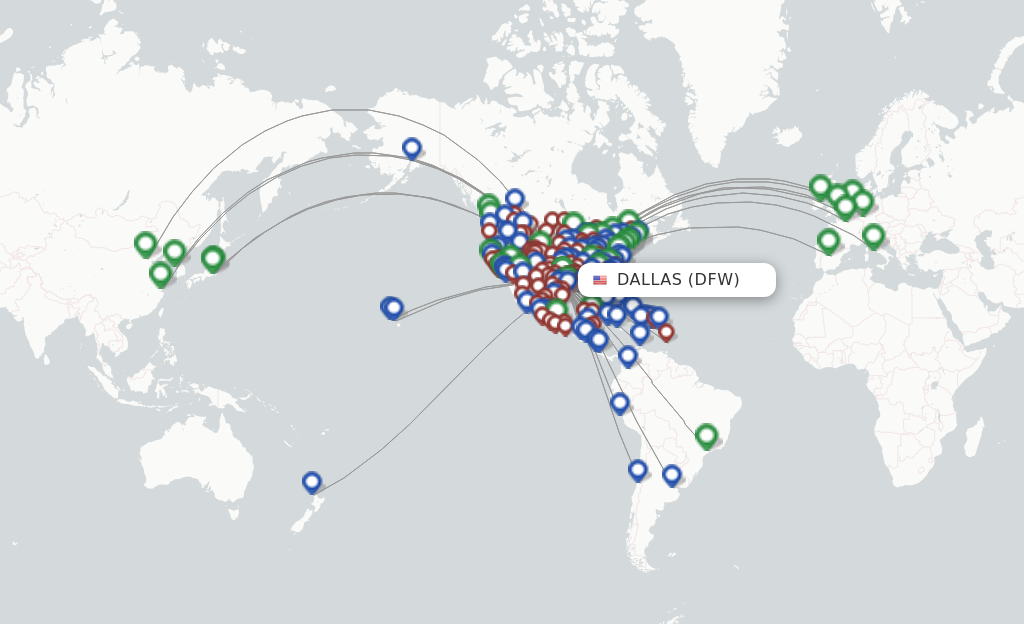
Beyond its domestic strength, American Airlines projects its brand as a global player through its extensive international footprint. Major routes to Europe (London, Paris, Madrid, Rome), Latin America (Mexico City, Cancun, São Paulo, Buenos Aires), and an expanding presence in Asia-Pacific (Tokyo, Sydney, Auckland via partners) define its global aspirations. These international routes are not just about transporting passengers; they are about extending the American Airlines brand into diverse cultures and economies. Each international destination represents a strategic decision to tap into new markets, compete with foreign carriers, and offer a truly global travel experience. For the brand, flying to iconic international cities communicates prestige, ambition, and a commitment to facilitating global commerce and tourism. It positions American Airlines as a sophisticated, worldly brand, capable of connecting people and businesses across continents. This global presence is a powerful message to customers, investors, and competitors alike, showcasing the airline’s scale and influence on the world stage.
Brand Strategy in Route Network Development
The decision of where American Airlines flies is never arbitrary; it’s a sophisticated exercise in brand strategy, deeply intertwined with market analysis, competitive positioning, and alliance dynamics. Each route added or removed is a calculated move to reinforce specific brand attributes and achieve overarching business objectives.
Market Penetration and Competitive Positioning
American Airlines’ route network is a dynamic battleground for market penetration and competitive advantage. The routes chosen are often a direct response to competitor movements, opportunities in underserved markets, or efforts to solidify dominance in key regions. For instance, adding a new international route might aim to capture a growing segment of business travelers or leisure tourists, directly challenging rivals like Delta or United. Conversely, bolstering capacity on existing profitable routes ensures market leadership and fends off low-cost carriers. The brand image American Airlines wishes to project—whether as a premium carrier offering a full-service experience or a competitive option on certain price-sensitive routes—is directly reflected in its route choices and the class configurations offered on those flights. These strategic decisions are about carving out a distinct space in the consumer’s mind, demonstrating that American Airlines understands the evolving needs of various traveler segments and is agile enough to meet them. By strategically deploying its aircraft on specific routes, the airline actively shapes its brand perception, from a luxury option on long-haul international flights to a convenient and reliable choice for domestic travel.
Alliance Partnerships: Oneworld’s Brand Synergy
A significant aspect of American Airlines’ brand strategy, particularly regarding its global reach, lies in its participation in the Oneworld alliance. This partnership, which includes other major carriers like British Airways, Iberia, Finnair, Qantas, and Cathay Pacific, allows American Airlines to offer its customers an exponentially larger network without the colossal operational costs of flying to every single destination itself. For the brand, Oneworld provides a powerful synergy: it extends American’s brand promise of seamless global travel, reciprocal loyalty benefits, and a unified customer experience across dozens of airlines and hundreds of destinations. This collaboration enhances American’s brand value by associating it with other world-class carriers, projecting an image of global connectivity and sophisticated partnership. Customers perceive the American Airlines brand as not just its own flights but as a gateway to the entire Oneworld network, fostering a sense of comprehensive global access and reinforcing its position as a truly international brand. This strategic alliance allows American Airlines to compete effectively with other major alliances, offering a compelling proposition to global travelers who value consistency and reach.
Customer Segmentation and Service Differentiation
American Airlines’ route development strategy is also finely tuned to cater to diverse customer segments, and these choices inherently shape its brand perception. Certain routes, particularly those serving major financial centers or global business hubs, are designed with the corporate traveler in mind, offering premium cabins, lounge access, and convenient schedules that reinforce a brand image of efficiency and executive service. Conversely, routes to popular vacation destinations often feature more economy seating and cater to leisure travelers, reflecting a brand facet focused on affordability and enjoyable experiences. The selection of aircraft, the in-flight service offerings, and even the marketing language used for specific routes all contribute to differentiating the American Airlines brand experience for different audiences. By carefully curating its route network to align with the needs and desires of various segments, American Airlines strengthens its brand appeal across a broad spectrum of travelers, demonstrating versatility and a deep understanding of its customer base. This targeted approach allows the brand to speak directly to different customer groups, making its offerings more relevant and appealing.
Marketing the Map: Communicating Brand Value Through Destinations
The “where does American Airlines fly to” question isn’t just about operations; it’s a profound marketing opportunity. The airline actively leverages its expansive route network to communicate its brand value, creating aspirational connections between its destinations and the emotional desires of its customers.
Destination-Centric Campaigns
American Airlines frequently designs marketing campaigns that highlight specific destinations, transforming a mere route into an enticing experience. Instead of simply stating “We fly to Rome,” their campaigns might evoke the romance of the Colosseum, the allure of Italian cuisine, or the joy of exploration, seamlessly linking these aspirational elements to the convenience and reliability of flying with American. These destination-centric approaches are crucial for brand building. They position American Airlines not just as a transportation provider, but as a facilitator of dreams, adventures, and meaningful connections. By showcasing the vibrant possibilities at the other end of a journey, the brand creates an emotional resonance with potential travelers, moving beyond mere logistics to inspire desire. Such campaigns often feature stunning visuals and compelling storytelling, which are vital in reinforcing the brand’s identity as a gateway to new experiences and broadening horizons. They humanize the brand, making it relatable to the personal aspirations of travelers, whether for business or leisure.
Digital Presence and Route Exploration Tools
In the digital age, American Airlines’ online presence is a critical component of marketing its route network and reinforcing its brand. Its website, mobile app, and social media channels are sophisticated tools designed to allow customers to easily explore destinations, visualize travel possibilities, and understand the breadth of the brand’s reach. Interactive maps, destination guides, and personalized recommendations not only simplify the booking process but also serve as powerful brand touchpoints. They empower customers to discover new places, making the brand synonymous with exploration and accessibility. By providing a seamless digital experience for route discovery, American Airlines reinforces its image as a modern, customer-centric brand that prioritizes convenience and engagement. This digital window into its network is crucial for maintaining brand relevance and ensuring that customers can effortlessly connect with the diverse experiences the airline offers. The intuitive design and rich content on these platforms actively encourage engagement, turning a functional search into an inspiring journey even before takeoff.
Corporate Social Responsibility and Community Engagement
While not always directly about routes, American Airlines’ commitment to serving specific communities and facilitating connectivity often enhances its brand perception and loyalty. By maintaining routes to smaller cities, particularly during challenging times, or by engaging in community outreach programs at its hub cities, the airline demonstrates a sense of corporate social responsibility. This can translate into a stronger brand image as a caring, reliable, and community-minded organization. When a route helps boost local economies or connects families, it imbues the American Airlines brand with a deeper sense of purpose beyond profit. This aspect of brand building, though sometimes subtle, resonates strongly with customers who value companies that contribute positively to society. It builds trust and strengthens emotional ties, making the brand more than just a service provider but a vital partner in community development and connectivity.
Evolving Brand Identity Through Network Expansion and Contraction
The American Airlines brand is not static; it is a living entity that evolves with market dynamics, technological advancements, and global events. Its route network serves as a real-time barometer of these shifts, reflecting a brand that is adaptable, resilient, and forward-looking.
Responding to Market Demands and Economic Shifts
The decision to expand into new markets or, conversely, to reduce capacity on existing routes is a direct reflection of American Airlines’ brand strategy adapting to economic realities and market demands. During periods of economic growth, the brand might project an image of aggressive expansion and optimism, adding routes to emerging business centers or popular new tourist destinations. In downturns, the brand’s network adjustments—such as consolidating flights or temporarily suspending routes—demonstrate prudent management and a commitment to long-term sustainability, an important aspect of brand trust. These strategic shifts communicate to investors and customers alike that American Airlines is a responsive and resilient brand, capable of navigating complex global dynamics. The agility demonstrated in these network changes reinforces the brand’s intelligence and its ability to make tough, yet necessary, decisions for its continued viability and strength. This responsiveness ensures the brand remains relevant and competitive in an ever-changing industry.
Post-Pandemic Reimagining of the Network
The COVID-19 pandemic presented an unprecedented challenge to the airline industry, forcing a dramatic re-evaluation of route networks globally. American Airlines’ post-pandemic strategy, including the reintroduction of certain international flights and the restructuring of domestic schedules, has been a critical element in redefining its brand identity in a new travel landscape. This “reimagining” of the network has conveyed a brand image of resilience, recovery, and a forward-looking perspective. By carefully selecting which routes to prioritize and how to rebuild capacity, American Airlines has communicated its confidence in the future of travel and its commitment to reconnecting the world. The adjustments made during this period have underscored the brand’s adaptability and its unwavering dedication to serving its core markets while strategically exploring new opportunities, thus reinforcing its strength and leadership within the industry. This strategic recalibration showcases a brand that learns, adapts, and emerges stronger, fostering renewed customer trust and loyalty.
Sustainability and Future Route Planning
As environmental concerns increasingly influence consumer choices, American Airlines’ future route planning will inevitably reflect its commitment to sustainability, influencing its brand image significantly. Decisions to invest in more fuel-efficient aircraft for specific long-haul routes, to optimize flight paths, or even to explore alternative fuels, all contribute to a brand narrative of corporate responsibility. While these aren’t direct route additions or subtractions, the way routes are operated will become a critical brand differentiator. A brand that is perceived as environmentally conscious will attract a growing segment of responsible travelers, strengthening its ethical standing and long-term appeal. Future route decisions may also involve considering the environmental impact of certain destinations or the efficiency of connecting hubs, further aligning the brand with global sustainability goals. This proactive approach to environmental stewardship positions American Airlines as a responsible and forward-thinking brand, ready for the challenges of the future.

The Brand Promise: Beyond the Destination
In conclusion, the question “Where does American Airlines fly to?” transcends a simple geographical query. It serves as a profound entry point into understanding the intricate brand strategy of a global aviation leader. Every city on its route map, every hub connection, and every alliance partnership is a deliberate brushstroke in the larger painting of the American Airlines brand. It speaks to its extensive reach, its strategic positioning against competitors, its tailored approach to customer segments, and its resilience in the face of global challenges.
American Airlines’ route network is a dynamic, living embodiment of its brand promise: to connect people and places with reliability, efficiency, and a touch of aspiration. It is a testament to its commitment to being a flagship carrier that not only transports passengers but also facilitates global commerce, fosters cultural exchange, and helps individuals fulfill their dreams of exploration and connection. Ultimately, where American Airlines flies is not just about points on a map; it’s about the expansive world it opens up for its customers, solidifying its identity as a vital gateway to countless possibilities.
aViewFromTheCave is a participant in the Amazon Services LLC Associates Program, an affiliate advertising program designed to provide a means for sites to earn advertising fees by advertising and linking to Amazon.com. Amazon, the Amazon logo, AmazonSupply, and the AmazonSupply logo are trademarks of Amazon.com, Inc. or its affiliates. As an Amazon Associate we earn affiliate commissions from qualifying purchases.