
To understand the sheer scale of Amazon’s dominance in global commerce, one must look past the user interface of the website and into the complex, multi-layered financial machine that fuels its inventory. The question of where Amazon gets its products is not answered by a single source, but rather through a sophisticated ecosystem of first-party relationships, third-party entrepreneurs, and strategic private-label manufacturing. For investors, entrepreneurs, and finance professionals, analyzing this sourcing model reveals the core of Amazon’s high-margin business strategy and its role as a massive engine for global wealth distribution.
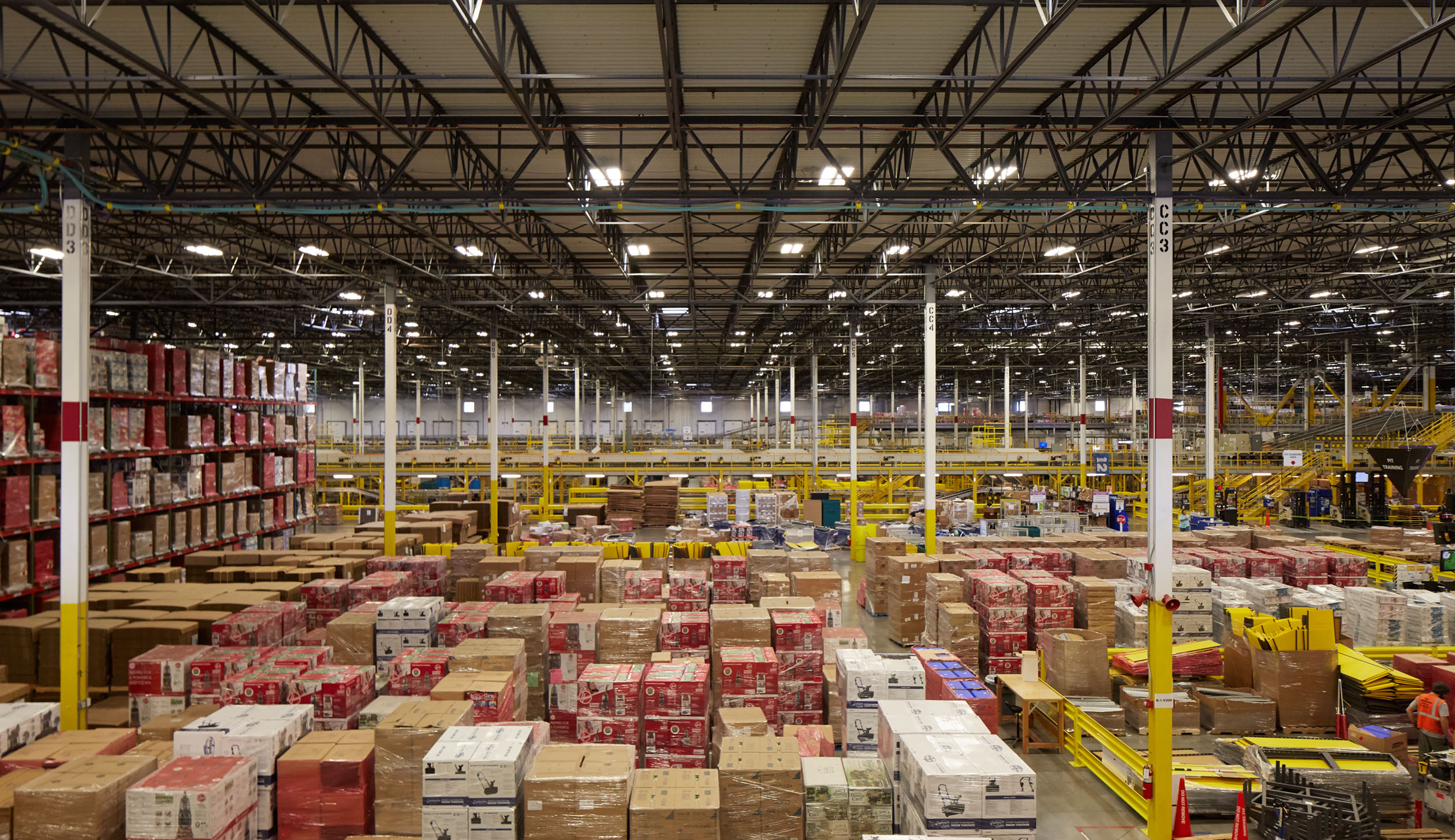
The Dual Architecture: First-Party (1P) vs. Third-Party (3P) Models
The primary division in Amazon’s product sourcing lies between its first-party (1P) and third-party (3P) operations. These two models represent different financial risks, profit margins, and operational requirements, yet they work in tandem to create the “Everything Store.”
The Vendor Central Powerhouse (1P)
In the first-party model, Amazon acts as a traditional retailer. Through its “Vendor Central” platform, the company identifies high-demand products and buys them in bulk directly from manufacturers or established brands. Brands like Sony, Procter & Gamble, or LEGO sell their inventory to Amazon at wholesale prices. Once the transaction is complete, Amazon takes legal ownership of the inventory, manages the storage, and dictates the final retail price.
From a business finance perspective, the 1P model is capital-intensive. Amazon must commit significant cash flow to purchase and hold this inventory, assuming the risk of depreciation or slow-moving stock. However, this model allows Amazon to maintain strict control over the customer experience, ensuring that high-volume, “anchor” products are always available for Prime shipping.
The Seller Central Revolution (3P)
The most significant shift in Amazon’s financial history was the opening of its platform to third-party sellers via “Seller Central.” Today, over 60% of the physical units sold on Amazon come from independent sellers. These range from solo entrepreneurs running side hustles to multi-million dollar brands.
In the 3P model, Amazon does not “get” the product in a traditional sense; instead, it provides the marketplace infrastructure. The seller retains ownership of the inventory and sets the price, while Amazon takes a referral fee (typically 8% to 15%) on every sale. This model is a financial masterstroke for Amazon, as it allows them to expand their catalog to hundreds of millions of items without the financial risk of buying the inventory themselves. It effectively offloads the cost of product sourcing and market testing onto millions of small business owners.
Private Label Dominance: The Profit Margin Strategy
Beyond buying from others, Amazon has increasingly become its own supplier. By leveraging the massive amounts of consumer data generated on its platform, Amazon identifies categories where demand is high but brand loyalty is low. This led to the birth of Amazon’s private-label empire, most notably Amazon Basics.
Identifying Gaps through Data-Driven Sourcing
Amazon’s sourcing strategy for private labels is rooted in financial efficiency. When the company sees that third-party sellers are generating high margins on a generic item—such as HDMI cables, office chairs, or batteries—Amazon uses its internal data to source a near-identical product at a lower cost.
By cutting out the middleman and the marketing costs associated with national brands, Amazon can offer these products at a lower price point to the consumer while maintaining higher net margins for itself. For the company, these products represent a move from being a “distributor” to being a “manufacturer,” capturing the entire value chain.
White-Labeling and Global Manufacturing Partnerships
Amazon does not own the factories that produce Amazon Basics. Instead, they engage in “white-labeling” or “contract manufacturing.” They partner with massive manufacturing hubs, primarily in China, Vietnam, and India, to produce goods to their specifications. These are often the same factories that produce items for major national brands. By leveraging their massive purchasing power, Amazon secures manufacturing contracts that smaller competitors simply cannot match, further solidifying their competitive advantage in the retail space.
The Side Hustle Pipeline: How Small Players Feed the Machine
A significant portion of Amazon’s inventory is sourced through the ingenuity of individual entrepreneurs. This “bottom-up” sourcing provides the platform with a constant influx of niche, unique, and hard-to-find items that big-box retailers ignore.
The Mechanics of Retail Arbitrage
Retail arbitrage is a popular entry-level side hustle that contributes significantly to Amazon’s inventory of branded goods. In this model, individuals purchase clearance or discounted items from physical retail stores (like Walmart, Target, or Home Depot) and resell them on Amazon for a profit.
While this might seem like a small-scale operation, it collectively accounts for millions of units in the Amazon ecosystem. From a financial standpoint, this is highly efficient for Amazon; it utilizes a decentralized workforce of “scouts” who find mispriced inventory in the real world and bring it into the digital marketplace.
Wholesale Sourcing and the FBA Advantage
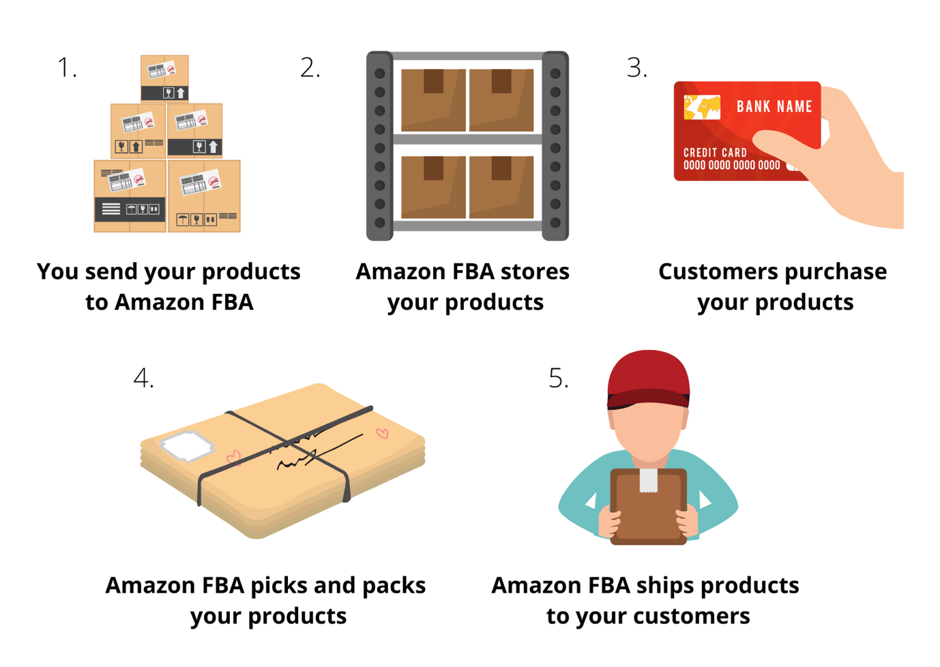
Moving up the financial ladder, many professional sellers engage in wholesale sourcing. These business owners apply for wholesale accounts with manufacturers or authorized distributors. They buy products in bulk—ranging from beauty supplies to kitchen gadgets—and ship them to Amazon’s fulfillment centers.
This is where “Fulfillment by Amazon” (FBA) becomes a critical financial tool. By charging sellers for storage and shipping, Amazon turns its logistics network into a profit center. Sellers are willing to pay these fees because FBA makes their products “Prime Eligible,” which significantly increases sales velocity. This creates a circular economy where Amazon earns money on the storage, the shipping, and the final sale of products it never actually had to buy.
Global Sourcing and the Logistics Moat
The physical journey of Amazon’s products—from a factory floor in Shenzhen to a doorstep in Seattle—is a testament to the company’s investment in supply chain infrastructure.
Direct-from-Manufacturer Imports
Amazon has significantly streamlined the process for overseas manufacturers to sell directly to Western consumers. Through initiatives like “Amazon Global Selling,” manufacturers in Asia can list their products directly on the U.S. and European marketplaces. This removes the “importer” layer of the traditional retail finance model, allowing for lower prices and higher margins. By facilitating this direct link, Amazon captures a larger share of the global trade economy.
The Financial Impact of Logistics Investment
Amazon’s sourcing is inextricably linked to its logistics. The company has spent billions building its own fleet of planes, ships, and trucks. This “logistics moat” allows them to source products from further away and move them faster than any competitor.
For a business to be successful on Amazon, the “cost of goods sold” (COGS) must be balanced against the “landed cost”—the total price of a product once it has reached the fulfillment center. Amazon’s ability to drive down these landed costs through its own shipping lanes is a key reason why it remains the preferred destination for both manufacturers and third-party sellers.
Strategic Acquisitions and the Future of Inventory
Finally, Amazon “gets” its products by simply buying the companies that make them. This is a high-level corporate finance strategy designed to dominate specific market segments.
Acquisition of Physical Brands
Amazon’s acquisition of Whole Foods Market was not just a move into grocery; it was a massive acquisition of a premium supply chain and established private-label brands like “365 Everyday Value.” By purchasing these brands, Amazon instantly gained access to high-quality grocery inventory that it could then leverage across its Prime Now and Amazon Fresh platforms.
Similarly, acquisitions of companies like Ring (home security) and Blink have allowed Amazon to own the hardware in the burgeoning smart-home market. Rather than just selling other people’s tech, they source the tech from their own subsidiary brands, ensuring that the entire lifecycle of the product—from production to the monthly subscription fee—stays within the Amazon financial ecosystem.

The Shift Toward Vertical Integration
The trend in Amazon’s sourcing is clear: vertical integration. The company is moving away from being a mere intermediary and toward being the owner of the products, the data, and the delivery mechanism. For the consumer, this means lower prices and more variety. For the investor and business owner, it means that the “source” of Amazon’s products is increasingly becoming Amazon itself. By controlling the means of production and the marketplace, Amazon has created a self-sustaining loop that captures value at every possible touchpoint in the global economy.
aViewFromTheCave is a participant in the Amazon Services LLC Associates Program, an affiliate advertising program designed to provide a means for sites to earn advertising fees by advertising and linking to Amazon.com. Amazon, the Amazon logo, AmazonSupply, and the AmazonSupply logo are trademarks of Amazon.com, Inc. or its affiliates. As an Amazon Associate we earn affiliate commissions from qualifying purchases.