
In an increasingly interconnected world, air travel has become a cornerstone of both personal and professional life. Yet, for many, the process of purchasing plane tickets remains a significant financial puzzle. It’s not merely about “where” you click to buy, but “how” and “when” you make that purchase to optimize value and minimize expenditure. This article delves into the financial intricacies of acquiring plane tickets, offering a blueprint for savvy travelers to navigate the vast digital marketplace, leverage strategic insights, and harness financial tools to secure the best possible deals. By framing the purchasing decision through a lens of personal finance, investing acumen, and smart spending, we transform a routine transaction into an opportunity for significant savings and financial empowerment.
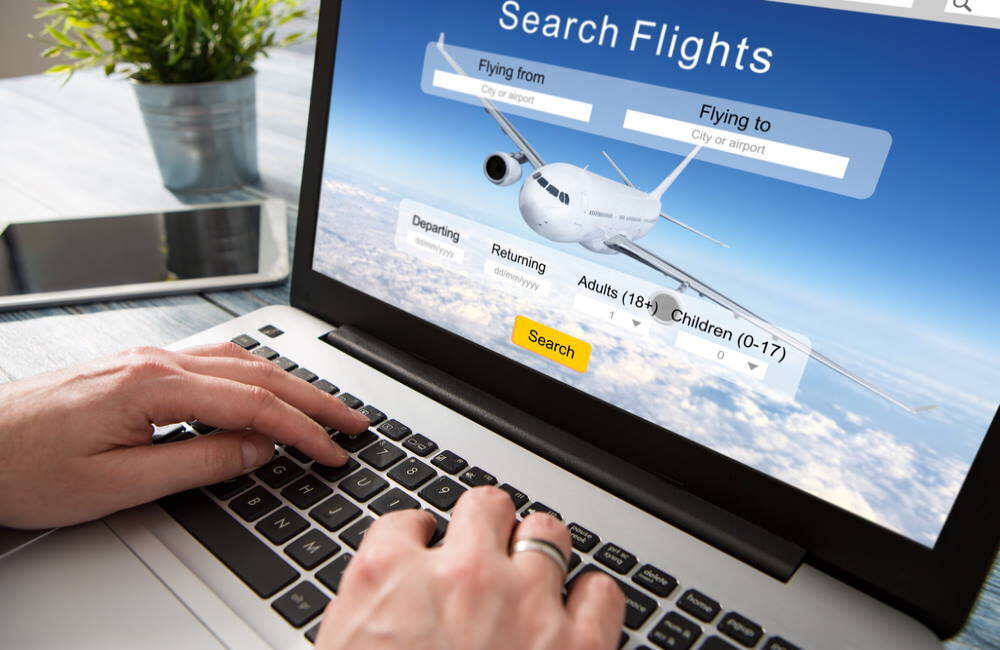
Unlocking Value: Deciphering the Digital Landscape of Flight Purchases
The digital age has revolutionized how we search for and purchase airfare, presenting a myriad of options that, while convenient, can also be overwhelming. Understanding the financial implications of each purchasing channel is crucial for making informed decisions and unlocking the best value for your travel budget. Each platform offers distinct advantages and potential pitfalls that impact your bottom line.
Online Travel Agencies (OTAs): The Price Comparison Powerhouses
Online Travel Agencies like Expedia, Priceline, Kayak, Skyscanner, and Travelocity have become synonymous with flight booking for a reason: their ability to aggregate flight data from numerous airlines, presenting a broad spectrum of options and often competitive pricing. From a financial perspective, OTAs excel at allowing travelers to quickly compare prices across different carriers and routes, making it easier to identify potential savings. They often bundle flights with hotels or car rentals, sometimes offering further discounts for package deals.
However, a critical financial consideration with OTAs is their role as intermediaries. While they can surface excellent deals, especially for complex itineraries, their customer service channels can sometimes be less direct than dealing with an airline, potentially leading to complications if changes or cancellations are needed. Moreover, some budget airlines may not list their lowest fares on OTAs, or may add extra fees during the booking process that aren’t immediately apparent. Savvy travelers use OTAs as a powerful price comparison tool, but always cross-reference the advertised fare with the airline’s direct website to ensure the best final price and terms, especially when factoring in baggage fees and other ancillaries.
Direct from Airlines: Maximizing Loyalty and Exclusive Offers
Purchasing directly from an airline’s official website or app offers several distinct financial advantages, particularly for those with established loyalty. Firstly, airlines often reserve their absolute lowest fares or exclusive promotional deals for direct bookings, bypassing the commissions they would otherwise pay to OTAs. This can translate into immediate savings. Secondly, direct bookings are paramount for accumulating and redeeming frequent flyer miles or status points, which represent a significant long-term financial asset for regular travelers.
Beyond financial rewards, direct airline bookings often come with enhanced flexibility for changes, easier access to customer support, and direct communication regarding flight status or disruptions. For instance, if a flight is canceled, an airline will typically offer more direct rebooking options or compensation than an OTA might facilitate. For travelers committed to a specific airline alliance or frequently flying certain routes, buying direct isn’t just a preference; it’s a strategic financial decision to maximize loyalty program benefits and ensure smoother travel logistics.
Flight Aggregators: Your Go-To for Broad Market Price Scans
Flight aggregators like Google Flights are not booking platforms themselves but powerful search engines that scour the web for flight prices from both OTAs and direct airline websites. From a financial standpoint, they are invaluable for gaining a comprehensive overview of the market, identifying the cheapest dates to fly, and even suggesting alternative airports or routes that might offer better value. Their interactive calendars and price graphs make it easy to visualize price fluctuations, a key tool for budget-conscious planning.
While aggregators don’t process payments, they provide direct links to the booking source, whether an OTA or an airline, empowering travelers to make an informed choice based on the best detected price. Their strength lies in their transparency and breadth of information, acting as a financial compass that points you towards the most economical options before you commit to a specific booking channel.
Strategic Spending: Tactical Approaches to Saving Money on Airfare
The act of buying a plane ticket extends beyond simply choosing a platform; it’s about employing smart financial strategies that capitalize on market dynamics and personal flexibility. Understanding these tactical approaches can yield significant savings, turning potential high costs into budget-friendly travel opportunities.
The Flexibility Factor: Dates, Airports, and Destinations for Price Optimization
One of the most potent financial levers a traveler possesses is flexibility. Airlines use sophisticated algorithms that adjust pricing based on demand, time of year, day of the week, and even time of day. Flying during off-peak seasons (e.g., shoulder seasons) or mid-week (Tuesday to Thursday) almost invariably results in lower fares than weekend or holiday travel. Similarly, being open to flying into or out of alternative, smaller airports near your desired destination can significantly reduce costs, as these airports often have lower fees or are served by budget carriers.
Furthermore, if your primary goal is to travel and your destination is flexible, using “explore” or “everywhere” search functions on aggregators can reveal remarkably cheap flights to unexpected places. This approach transforms travel planning from a rigid expense into an opportunistic financial venture, where the destination is secondary to the deal.
The Art of the Early Bird (or Last Minute) Deal: Timing Your Purchase for Financial Gain
The timing of your ticket purchase is a critical financial decision. Conventional wisdom often suggests booking far in advance, typically 2-3 months for domestic flights and 3-6 months for international. This “early bird” approach often locks in competitive rates before demand drives prices up, mitigating the financial risk of last-minute price surges. However, there can be exceptions. Occasionally, airlines release “last-minute deals” to fill unsold seats, especially for less popular routes or during off-peak times. While these can offer steep discounts, relying on them is a gamble, as the availability and price are highly unpredictable. For critical travel, such as business trips or family events, the financial prudence lies in booking early to secure a predictable cost. For spontaneous, low-stakes getaways, the last-minute gamble might pay off.
Embrace Layover Savings: Weighing Convenience Against Cost
Direct flights offer convenience, but they almost always come with a premium price tag. For budget-conscious travelers, embracing layovers can represent substantial financial savings. Airlines often offer cheaper fares on routes with one or more stops because these flights are less desirable for many passengers. When considering a layover, the financial decision involves weighing the monetary savings against the added travel time, potential for delays, and reduced comfort. For long-haul international flights, a well-timed layover can even break up the journey, making the trip more manageable while costing less. Always calculate the total time and potential stress against the financial benefit to make an informed choice.
The Power of Incognito Mode and VPNs: Myth vs. Financial Reality
A widely discussed tip for saving money on flights is to use incognito mode or a Virtual Private Network (VPN) when searching for fares. The theory is that airlines and OTAs track your browsing history and increase prices for routes you’ve repeatedly searched, exploiting your perceived interest. From a financial reality perspective, while direct evidence linking individual browsing history to dynamic pricing manipulation remains largely anecdotal for consumers, using incognito mode or a VPN can sometimes prevent cookies from influencing search results, potentially displaying fresh, untainted prices. The financial cost of trying this method is negligible, making it a harmless tactic to employ. Clearing cookies and trying different browsers or devices can also yield similar results, ensuring you’re seeing the most current, unbiased pricing data available.
Beyond the Ticket Price: Understanding the Full Financial Commitment
The sticker price of a plane ticket is rarely the final cost. A comprehensive financial approach to air travel requires understanding and budgeting for the myriad of additional fees and considerations that can significantly impact your overall expenditure. Neglecting these elements can lead to unwelcome financial surprises and budget overruns.
Unmasking Ancillary Fees: Baggage, Seat Selection, and In-Flight Services
Airlines, especially budget carriers, have become adept at unbundling services and charging for what were once standard inclusions. Baggage fees are perhaps the most common and significant ancillary cost. Checked bags, and sometimes even carry-on bags on ultra-low-cost carriers, incur additional charges. These fees can sometimes make a seemingly cheap base fare more expensive than a pricier ticket from a full-service airline that includes baggage. Similarly, choosing a specific seat (e.g., aisle, window, or extra legroom) or opting for in-flight meals, entertainment, or Wi-Fi all add to the financial burden.
To financially mitigate these costs, travelers should:
- Read the fine print: Always check the airline’s baggage policy and other fee structures before booking.
- Pack light: Traveling with only a personal item or a free carry-on is the ultimate money-saver.
- Consider an upgrade: Sometimes, purchasing a slightly more expensive fare class that includes baggage and seat selection can be cheaper than adding these as separate ancillaries to a basic economy ticket.
By anticipating these fees, you can accurately budget for your trip and avoid unexpected expenses at the airport.
Currency Exchange Rates: Impact on International Purchases
For international travel, the currency exchange rate can play a surprisingly significant role in the actual financial cost of your plane ticket. When booking flights from an international airline or an OTA based in a foreign country, you might be offered the option to pay in their local currency or your home currency. While paying in your home currency seems simpler, the conversion rate offered by the merchant or payment processor often includes a hidden markup, making it more expensive.
Financially astute travelers often choose to pay in the local currency of the booking entity and use a credit card that offers no foreign transaction fees and a favorable interbank exchange rate. This strategy minimizes conversion costs and ensures you’re getting the most out of your money. Monitoring currency fluctuations leading up to your purchase can also inform whether to book sooner or later if you anticipate a more favorable exchange rate.
Travel Insurance: A Financial Safeguard Worth Considering
While an additional upfront cost, travel insurance serves as a crucial financial safeguard against unforeseen circumstances that can derail your trip and lead to substantial losses. Flight cancellations, medical emergencies abroad, lost luggage, or unexpected itinerary changes can incur significant expenses. A comprehensive travel insurance policy, especially for high-value tickets or complex international journeys, acts as an investment that protects your financial outlay.
When considering travel insurance, evaluate the cost-benefit ratio. Some credit cards offer built-in travel protection benefits, which might negate the need for a separate policy. For others, the peace of mind and financial protection offered by insurance can be invaluable, preventing a minor mishap from turning into a major financial setback. It’s a classic example of a small financial outlay preventing a potentially catastrophic one.
Leveraging Financial Tools and Rewards for Enhanced Savings
In the pursuit of cheaper plane tickets, modern financial tools and reward programs offer sophisticated avenues to further optimize your spending and extract maximum value. These are not merely conveniences but strategic components of a robust personal finance plan for travel.
Credit Card Rewards and Airline Miles: Turning Spending into Savings
For many, credit card rewards programs and airline loyalty schemes represent one of the most powerful financial tools for reducing or eliminating the cost of air travel. By strategically using credit cards that offer generous points, miles, or cashback for everyday spending, consumers can accumulate significant rewards that can be redeemed for flights. Travel-specific credit cards often come with lucrative sign-up bonuses, annual travel credits, and benefits like free checked bags, lounge access, or priority boarding, all of which translate into tangible financial savings and enhanced travel experiences.
Understanding the value of your points and miles is key. Redemption rates vary greatly, and the astute traveler learns to identify “sweet spots” for booking flights where the value of points far exceeds their cash equivalent. This transforms everyday expenditures into future travel capital, embodying a smart financial strategy where spending is effectively an investment in future experiences.
Price Alert Tools and Predictive Analytics: Monitoring for Optimal Entry Points
The dynamic nature of flight pricing makes it challenging to know the “best” time to buy. This is where price alert tools and predictive analytics services become invaluable financial aids. Platforms like Google Flights, Kayak, and Hopper offer features that allow you to set up alerts for specific routes, notifying you when prices drop. Hopper even goes a step further by using historical data and algorithms to predict whether prices are likely to rise or fall, advising you whether to “buy now” or “wait.”
These tools act as your personal financial analyst for airfare, continuously monitoring the market and providing data-driven insights to help you make purchasing decisions at the optimal financial entry point. By leveraging such technology, travelers can avoid overpaying and capitalize on market fluctuations, ensuring they secure their tickets at the lowest possible price.

Budgeting for Flights: Integrating Travel Costs into Your Financial Plan
Ultimately, the most effective financial strategy for purchasing plane tickets is to integrate travel costs into your overall personal financial plan. This involves proactive budgeting, setting realistic savings goals, and allocating funds specifically for travel. Whether it’s through a dedicated savings account, a sinking fund, or simply accounting for travel expenses within a broader budget, financial planning provides the framework for responsible and stress-free travel.
By understanding your financial capacity, setting priorities, and consistently saving, you transform the purchase of plane tickets from a sporadic, potentially stressful expense into a well-managed component of your lifestyle. This holistic approach ensures that your desire to explore the world aligns seamlessly with your financial well-being, allowing you to buy plane tickets not just efficiently, but sustainably.
aViewFromTheCave is a participant in the Amazon Services LLC Associates Program, an affiliate advertising program designed to provide a means for sites to earn advertising fees by advertising and linking to Amazon.com. Amazon, the Amazon logo, AmazonSupply, and the AmazonSupply logo are trademarks of Amazon.com, Inc. or its affiliates. As an Amazon Associate we earn affiliate commissions from qualifying purchases.