
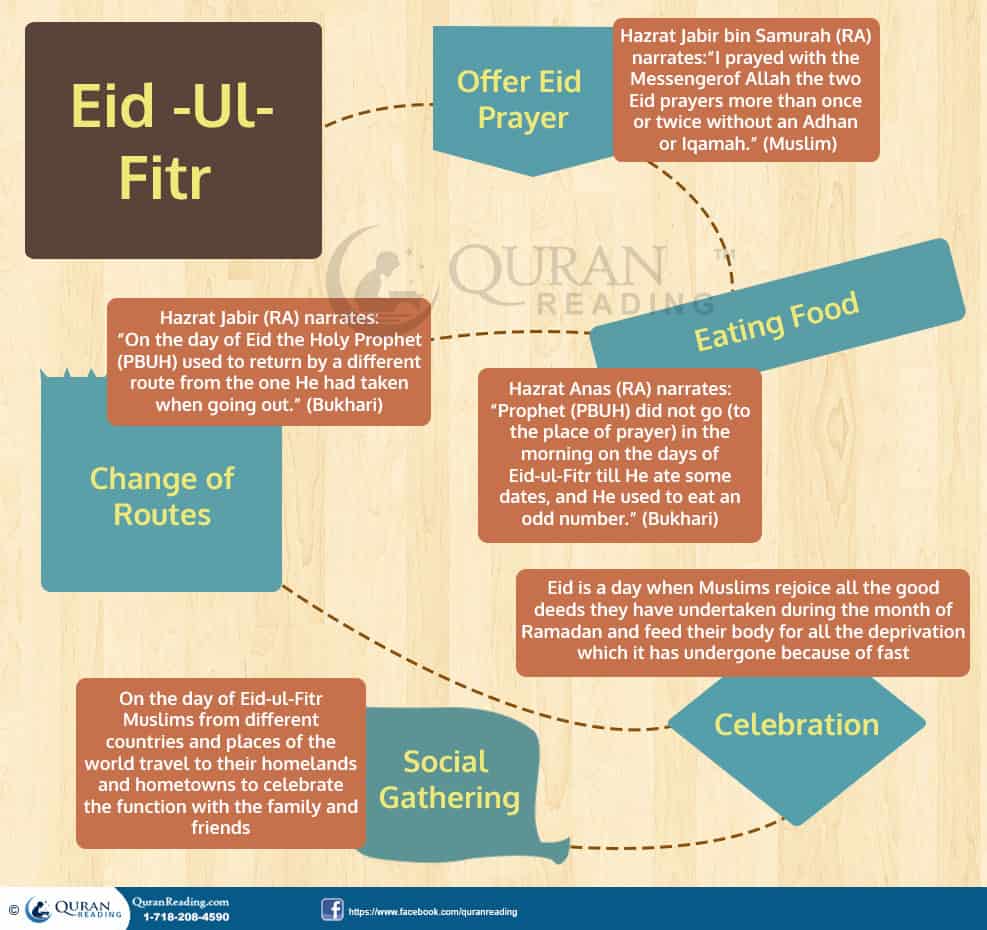
Eid al-Fitr, often translated as the “Festival of Breaking the Fast,” marks the joyous conclusion of Ramadan, the Islamic holy month of fasting. While its spiritual and communal significance is paramount, Eid al-Fitr also carries substantial financial implications that resonate through individual households, local economies, and charitable organizations worldwide. From obligatory almsgiving to vibrant consumer spending and the stimulation of various industries, understanding Eid al-Fitr through a financial lens reveals a dynamic interplay of personal budgeting, economic activity, and philanthropic principles. This exploration delves into how this significant Islamic observance shapes financial behaviors and economic landscapes.
The Core Financial Obligation: Zakat al-Fitr
One of the most distinctive financial aspects of Eid al-Fitr is the mandatory charitable contribution known as Zakat al-Fitr. Distinct from Zakat al-Mal (the annual obligatory charity on wealth), Zakat al-Fitr is specifically tied to the end of Ramadan, serving as a purification for those who fasted and a means to ensure that the less fortunate can also partake in the Eid festivities. This obligation underscores Islam’s profound emphasis on social justice and economic solidarity.
Understanding Zakat al-Fitr’s Purpose
The primary objective of Zakat al-Fitr is to provide sustenance for the poor and needy, allowing them to celebrate Eid al-Fitr with dignity and joy, free from financial worry. It is a fundamental financial safety net, ensuring that the festive atmosphere is shared across all strata of society. This direct transfer of wealth from the affluent to the impoverished helps to mitigate economic disparities, at least temporarily, during a period of widespread celebration. From a macroeconomic perspective, this mandated redistribution injects capital into low-income households, potentially stimulating local economies as recipients spend their Zakat on essential goods for the holiday. It reinforces the idea that wealth accumulation is not solely for personal gain but carries communal responsibilities, directly impacting the financial well-being of the broader society.
Calculating and Distributing Zakat al-Fitr
Zakat al-Fitr is typically calculated as a fixed amount of staple foodstuff (like wheat, barley, dates, or rice) or its monetary equivalent per person, payable by every Muslim, including dependents. The head of the household is responsible for paying on behalf of all family members. This calculation, often determined by local religious authorities based on prevailing market prices, makes it a readily understandable and accessible financial obligation. The timely distribution of Zakat al-Fitr before the Eid prayers is crucial, ensuring that beneficiaries receive the funds or food in time for the celebration. Many individuals and families prefer to disburse this charity through reputable Islamic charities or local mosques, which streamline the collection and distribution process, making it an efficient mechanism for wealth transfer. This organized approach to charity reflects a sophisticated system of financial management within the religious framework, ensuring accountability and broad reach.
Holiday Spending and Personal Finance Management
Beyond the obligatory Zakat al-Fitr, Eid al-Fitr is characterized by a significant surge in discretionary spending. Families prepare for celebrations, which often involve new clothes, special meals, gifts, and travel. Managing these expenses effectively requires careful personal finance planning and budgeting.
Budgeting for Eid Celebrations
For many Muslim households, preparing for Eid al-Fitr necessitates dedicated financial planning often months in advance. Similar to other major holidays globally, anticipated expenses for Eid can be substantial. Families might set aside specific funds throughout the year or during Ramadan to cover costs associated with food, gifts, clothing, and entertainment. This budgeting process involves prioritizing expenditures, distinguishing between essential festive items and desirable luxuries. Strategic savers might leverage online banking tools or budgeting apps to track their Eid-related savings and spending. The discipline fostered by Ramadan, particularly in managing consumption, can extend into post-Ramadan financial habits, encouraging more mindful spending even amidst celebrations. However, the excitement of Eid can also lead to overspending if not carefully managed, making robust personal budgeting skills critical.
The Economics of Gifts and New Attire
Gifts, known as ‘Eidi’ (cash gifts, especially to children), and new clothing are integral traditions of Eid al-Fitr. The gifting of Eidi not only brings joy to children but also serves as an early introduction to handling money for the young, often spent on toys or treats. For adults, exchanging gifts among family and friends is common, contributing to a vibrant consumer market for various goods. The demand for new clothing, particularly traditional and festive wear, peaks significantly in the weeks leading up to Eid. This surge drives sales for apparel retailers, tailors, and textile manufacturers. From a financial perspective, this tradition stimulates production and retail, providing a substantial economic boost, akin to Christmas or Diwali spending in other cultures. Households allocate a considerable portion of their Eid budget to these categories, making them key drivers of holiday-specific financial activity.
Travel and Family Gatherings: Managing Related Costs
Eid al-Fitr is a time for family reunions, often involving travel to connect with relatives who live far away. This leads to increased demand for transportation services—flights, trains, buses, and fuel for personal vehicles—during the holiday period. For families, travel expenses can constitute a significant portion of their Eid budget, requiring advance booking and careful consideration of costs. Beyond travel, hosting family gatherings involves substantial expenditure on groceries, ingredients for elaborate meals, and home decorations. These costs highlight the need for comprehensive financial planning that accounts for both direct and indirect expenses associated with celebrating Eid. Many families use loyalty programs, credit card rewards, or seek out discounts to mitigate these costs, demonstrating practical financial strategies in action.
Eid’s Impact on Business and Local Economies
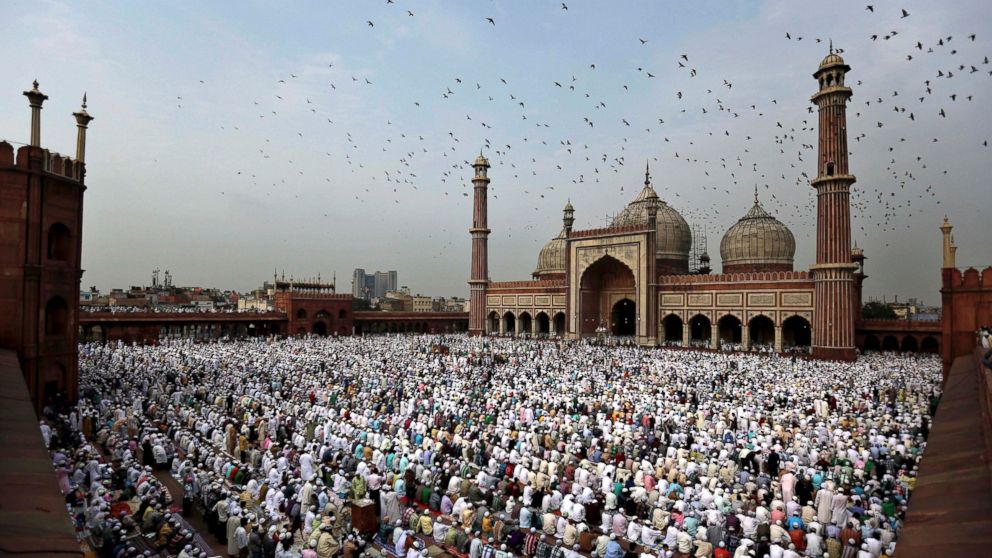
The collective spending by millions of Muslims celebrating Eid al-Fitr creates a powerful ripple effect throughout local and national economies, providing a significant seasonal boost to various sectors.
Retail Boost and Seasonal Sales
The weeks preceding Eid al-Fitr are often a peak season for retailers, particularly those specializing in clothing, jewelry, cosmetics, and home goods. Shopping malls and online stores experience increased foot traffic and digital sales as consumers purchase new outfits, gifts, and decorations. Many businesses offer special Eid promotions and discounts to attract shoppers, driving competitive pricing and consumer engagement. This retail surge directly impacts sales volumes, inventory management, and staffing requirements for businesses, demonstrating a robust, predictable seasonal economic cycle. For many small and medium-sized enterprises (SMEs), Eid sales can represent a substantial portion of their annual revenue, making it a critical period for business finance and cash flow.
Food and Beverage Industry Surge
The emphasis on elaborate family meals and festive treats during Eid al-Fitr leads to a significant increase in demand for food and beverage products. Grocery stores, bakeries, confectioneries, and restaurants all experience heightened activity. Farmers and food producers see increased orders, ensuring a steady supply chain to meet consumer needs. Catering businesses also thrive during this time, serving individuals and organizations hosting large gatherings. This boost to the food sector not only generates revenue but also supports employment within the supply chain, from agricultural workers to food service staff. The diverse culinary traditions associated with Eid further stimulate niche markets for specific ingredients and specialty foods.
Online Marketplaces and E-commerce Trends
In the digital age, online marketplaces and e-commerce platforms play an increasingly pivotal role in Eid al-Fitr spending. Consumers leverage these platforms for convenience, wider product selection, and competitive pricing, especially for gifts and non-perishable goods. This shift impacts logistics, digital marketing strategies, and payment processing systems. Online businesses that cater to specific cultural or religious needs, such as modest fashion or Halal food items, experience significant spikes in sales. The growth of e-commerce around Eid highlights the evolving nature of consumer spending and the need for businesses to adapt their online strategies to capture this seasonal demand. It also presents opportunities for online income and side hustles for individuals offering unique Eid-related products or services through digital channels.
Long-Term Financial Planning Inspired by Eid Principles
Beyond the immediate financial transactions, the principles embedded within Eid al-Fitr, particularly its emphasis on generosity and community, can inspire long-term positive financial behaviors and strategies.
Embracing Generosity and Charitable Giving
The practice of Zakat al-Fitr during Eid reinforces the importance of generosity and charitable giving in a Muslim’s financial life. This spirit often extends beyond the obligatory charity, encouraging individuals and families to contribute more to various causes throughout the year. From a personal finance perspective, regular charitable giving, whether in small amounts or larger donations, can be integrated into a well-structured budget. Many individuals consciously allocate a portion of their income to charity, viewing it as an investment in society and a spiritual obligation. This consistent practice of giving can lead to better financial discipline and a more balanced perspective on wealth accumulation, understanding its role in uplifting the community.
Financial Discipline Beyond Ramadan
The month of Ramadan, preceding Eid al-Fitr, is a period of heightened self-discipline, not just spiritually but often financially. Many individuals practice more mindful consumption and saving during Ramadan. The challenge is to extend these positive habits beyond the festive period. The lessons learned in budgeting for Eid, prioritizing needs over wants, and managing expenses can be powerful tools for long-term financial stability. By carrying forward the discipline of thoughtful spending and saving, individuals can improve their personal financial health, build emergency funds, and work towards long-term financial goals, ensuring that the financial wisdom gained during the holy month and its festive culmination endures.

Community Investment and Economic Circulation
Eid al-Fitr’s economic impact goes beyond individual transactions; it represents a significant collective investment in community well-being. The circulation of money through charitable donations, local purchases, and support for small businesses strengthens community bonds and fosters local economic growth. This collective spending and giving can lead to sustained economic activity, supporting local enterprises and creating jobs. For financial planners, understanding the socio-economic drivers like Eid al-Fitr is crucial for advising clients on wealth management that aligns with cultural and religious values, including planned giving and community investment. The cyclical nature of Eid celebrations, with its predictable financial flows, provides an annual opportunity to reinforce economic principles of sharing, spending, and growth within the Islamic framework.
aViewFromTheCave is a participant in the Amazon Services LLC Associates Program, an affiliate advertising program designed to provide a means for sites to earn advertising fees by advertising and linking to Amazon.com. Amazon, the Amazon logo, AmazonSupply, and the AmazonSupply logo are trademarks of Amazon.com, Inc. or its affiliates. As an Amazon Associate we earn affiliate commissions from qualifying purchases.