
Tax season can often feel like a complex maze, with numerous forms, calculations, and deadlines to navigate. Among the most critical questions taxpayers face is not just how much they owe, but where and how to send their federal tax payments to the Internal Revenue Service (IRS). Failing to remit your taxes correctly and on time can lead to penalties, interest, and unnecessary stress. This comprehensive guide will demystify the process, detailing the various official channels available for submitting your federal tax payments, ensuring compliance and peace of mind.
For many, the idea of paying taxes conjures images of mailing checks or navigating archaic government websites. However, the IRS has significantly modernized its payment infrastructure, offering a wide array of options designed to accommodate diverse preferences and technological proficiencies. From swift digital transfers to traditional mail, understanding these avenues is the first step toward fulfilling your civic duty efficiently and securely. This article will break down each method, highlight its benefits, and provide practical advice to help you choose the best approach for your financial situation, whether you’re an individual taxpayer, a small business owner, or someone making estimated quarterly payments.
Navigating Your Federal Tax Payment Options
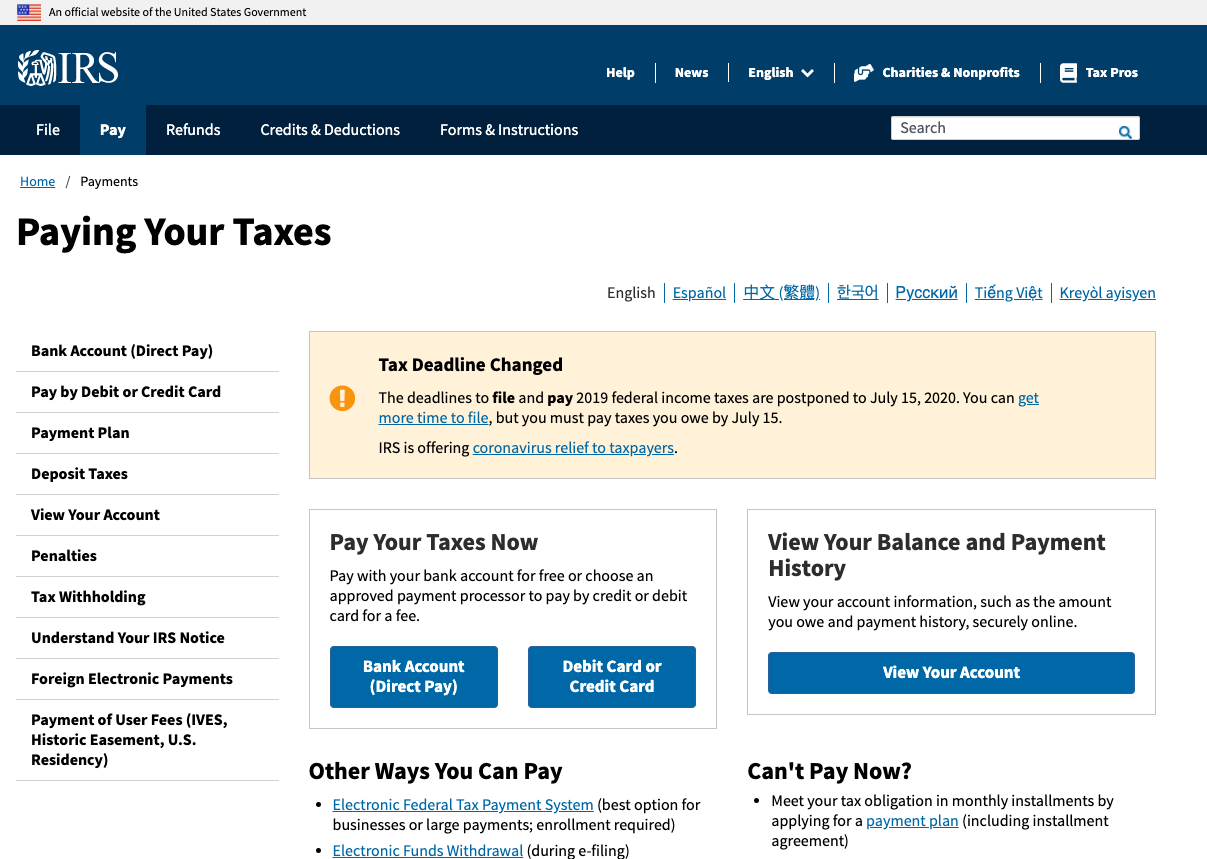
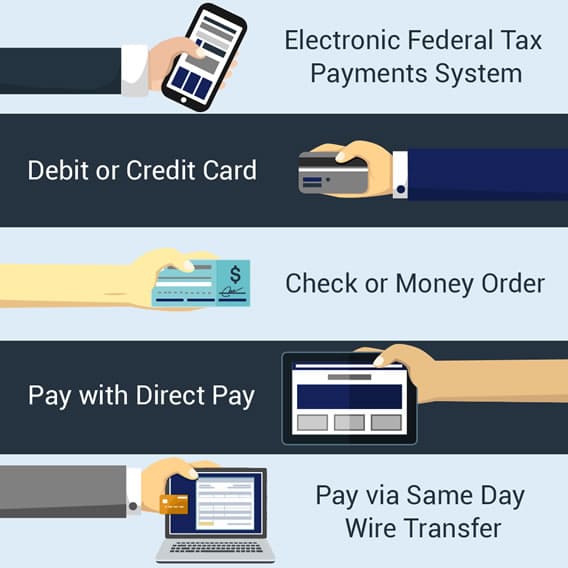
The IRS provides several legitimate pathways to pay your federal taxes, each with its own set of advantages and specific requirements. Choosing the right method depends on factors such as your preferred level of convenience, the speed with which you need to make the payment, and whether you are comfortable with digital transactions. Understanding the landscape of these options is crucial for making an informed decision that suits your financial management style.
Understanding Your Tax Obligation
Before even considering how to pay, it’s paramount to have a clear understanding of your tax obligation. This involves accurately calculating your income, deductions, credits, and ultimately, the total tax due. Whether you use tax preparation software, hire a professional tax preparer, or manually complete IRS forms, arriving at the correct amount is the foundational step. Any payment sent to the IRS must correspond to an accurately filed tax return or an estimated tax calculation. Miscalculations can lead to either overpayment (resulting in a refund later) or underpayment (leading to penalties). Regularly reviewing your tax situation, especially after significant life changes like marriage, childbirth, or a new job, can help prevent surprises at tax time.
Key Deadlines to Remember
Timeliness is as critical as accuracy when it comes to federal tax payments. The primary deadline for filing individual income tax returns (Form 1040) and paying any tax due is typically April 15th each year, or the next business day if April 15th falls on a weekend or holiday. However, this is not the only deadline. Individuals who are self-employed or have significant income not subject to withholding (like rental income, interest, or dividends) must also make estimated tax payments throughout the year, typically on a quarterly basis. These deadlines usually fall on April 15, June 15, September 15, and January 15 of the following year. Businesses also have their own specific deadlines for various federal taxes. Missing these deadlines can trigger interest charges and penalties, making it essential to mark your calendar and plan your payments accordingly. An extension to file a return does not extend the time to pay your taxes; estimated payments are still due by the original deadline.
Why Choosing the Right Method Matters
The method you choose for paying your federal taxes is more than just a preference; it can impact the security of your payment, the speed of processing, and even your peace of mind. Digital methods, for instance, offer immediate confirmation and often faster processing, reducing the risk of lost mail or delays. Traditional methods provide a tangible record for those who prefer physical documentation. The chosen method also influences how easily you can track your payment and verify its receipt by the IRS. For businesses, certain methods like the Electronic Federal Tax Payment System (EFTPS) are often mandatory for certain tax types. Selecting a method that aligns with your financial habits and offers the highest level of security and convenience for your specific situation is a key component of effective tax management.
Digital Payment Methods: Convenience and Speed
In an increasingly digitized world, the IRS has embraced technology to make tax payments simpler, faster, and more secure. Digital payment methods are highly recommended for their convenience, immediate confirmation capabilities, and reduced risk of errors associated with manual processing. These options cater to individuals and businesses alike, offering streamlined ways to fulfill tax obligations from the comfort of your home or office.
Direct Pay (IRS.gov): Your Bank Account Online
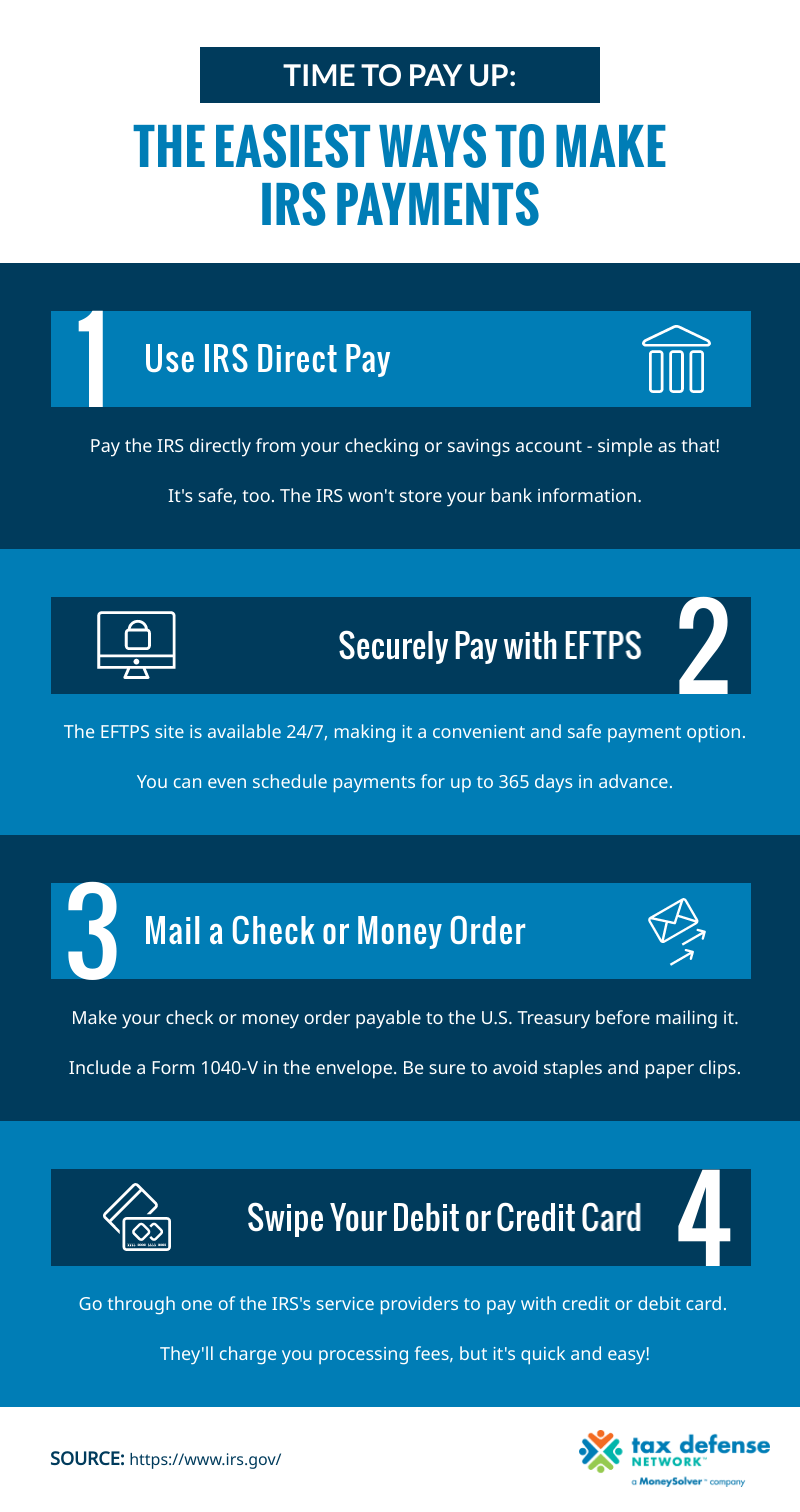
IRS Direct Pay is one of the most popular and straightforward digital options for individuals. It allows you to pay your taxes directly from your checking or savings account, free of charge, securely through the IRS website (IRS.gov). You can schedule payments up to 365 days in advance and receive immediate confirmation via email. This service is ideal for making tax payments for Form 1040, estimated tax payments, or payments for an amended return. It requires basic information such as your Social Security Number (SSN) or Individual Taxpayer Identification Number (ITIN), date of birth, and filing status for verification. Its ease of use and zero cost make it a top choice for many taxpayers.
Debit/Credit Card or Digital Wallet: Third-Party Processors
For those who prefer the flexibility of paying with a credit card, debit card, or a digital wallet service like PayPal or Click to Pay, the IRS partners with several third-party payment processors. While these processors typically charge a small convenience fee (which varies by provider and payment type), they offer the advantage of earning credit card rewards or deferring payment, albeit with potential interest if the balance isn’t paid off promptly. This option provides instant payment confirmation and the ability to track your payment through your card statement. It’s important to carefully review the fees charged by each processor before making a decision, as these fees are separate from your tax liability and are non-refundable.
Electronic Federal Tax Payment System (EFTPS): For Businesses and Frequent Filers
The Electronic Federal Tax Payment System (EFTPS) is a free service provided by the U.S. Department of the Treasury that allows individuals, businesses, and tax professionals to make federal tax payments electronically. While it can be used by anyone, it is often required for businesses making certain types of tax deposits, such as employment taxes, corporate income taxes, and excise taxes. EFTPS requires enrollment and a PIN, making it a highly secure system for recurring payments. Payments can be scheduled up to 365 days in advance, and you can receive email confirmations. For businesses, EFTPS is a crucial tool for ensuring timely and compliant tax payments.
IRS2Go Mobile App: Payments on the Go
In line with increasing mobile usage, the IRS offers the IRS2Go mobile app, available for free on both iOS and Android devices. This app provides a convenient way to make payments using IRS Direct Pay or through a third-party processor. Beyond payments, IRS2Go allows taxpayers to check the status of their refund, find free tax help, and access helpful tax tips. It’s a great option for those who manage their finances primarily through their mobile devices, offering flexibility and accessibility.
Traditional Payment Methods: For Those Who Prefer Analog
Despite the growing popularity of digital solutions, the IRS continues to support traditional payment methods. These options cater to taxpayers who may not have access to online banking, prefer physical records, or simply feel more comfortable with established, non-digital processes. While they might take longer to process, they remain legitimate and widely used channels for remitting federal taxes.
Paying by Mail: Check or Money Order
Paying by mail with a check or money order remains a venerable option. To do this, you must complete the appropriate payment voucher (such as Form 1040-V for individual income tax payments) and mail it along with your check or money order to the specified IRS address. It is crucial to make the check or money order payable to “U.S. Treasury,” write your name, address, daytime phone number, Social Security Number (SSN) or Employer Identification Number (EIN), the tax year, and the related tax form or notice number on the check or money order. Always use the correct mailing address provided in the instructions for your specific tax form, as these addresses can vary by region and form type. Send your payment via certified mail with return receipt requested for proof of mailing and delivery, especially as the tax deadline approaches.
Cash Payments: In-Person Options
For taxpayers who prefer to pay in cash, the IRS has partnered with various retail stores across the country to offer a secure way to make in-person payments. This service allows taxpayers to pay their federal taxes with cash at participating retail locations, including Walmart, 7-Eleven, and other popular stores, often facilitated by payment networks like PayNearMe or Official Payments. To use this method, you typically need to access a payment barcode from the IRS website or via a tax notice, which you then present at the retail location. A small fee may apply, and payment limits might be in place. This option is particularly useful for individuals who are unbanked or prefer not to use electronic methods.
Installment Agreements: When You Can’t Pay in Full
If you find yourself unable to pay your entire tax liability by the deadline, don’t panic or ignore the issue. The IRS offers several options, including installment agreements, to help taxpayers manage their payments. An installment agreement allows you to make monthly payments for up to 72 months. While interest and penalties still apply, setting up an agreement can prevent further collection actions. You can apply for an installment agreement online (if you owe a combined total of under $50,000 in tax, penalties, and interest), by phone, or by mail using Form 9465, Installment Agreement Request. This proactive approach demonstrates your willingness to pay and can significantly alleviate financial strain.
Special Circumstances and Considerations
Beyond the standard annual tax payments, several situations require specific payment approaches or understanding of IRS rules. These include quarterly payments for certain types of income, payments for past tax years, and strategies for dealing with underpayments or financial hardship. Being aware of these special circumstances ensures you remain compliant and can navigate unforeseen challenges effectively.
Estimated Tax Payments: Quarterlies Explained
Many individuals, especially those who are self-employed, independent contractors, or have significant income from investments, rentals, or alimony, are required to pay estimated taxes throughout the year. The U.S. tax system operates on a “pay-as-you-go” basis, meaning taxes should be paid as income is earned, rather than in one lump sum at year-end. Estimated tax payments are typically due quarterly: April 15, June 15, September 15, and January 15 of the following year. Failing to make sufficient estimated payments can result in underpayment penalties. Taxpayers can use Form 1040-ES, Estimated Tax for Individuals, to calculate and track these payments, which can be made using any of the digital or traditional methods previously discussed.
Payments for Prior Year Taxes or Amendments
Sometimes, you might discover an error on a previously filed tax return or owe taxes from a prior year. When filing an amended return (Form 1040-X), any additional tax due must also be paid. The payment methods remain the same as for current year taxes. It’s crucial to specify the tax year to which the payment applies to ensure it’s credited correctly. If you owe taxes from a prior year due to an audit or notice from the IRS, you can generally use the same payment channels, but be sure to reference any notice numbers provided by the IRS to ensure proper crediting of your payment.
Dealing with Underpayment Penalties
If you don’t pay enough tax through withholding or estimated payments, you might face an underpayment penalty. This penalty is calculated based on how much you underpaid and for how long. The IRS may waive the penalty under certain circumstances, such as casualty, disaster, or other unusual situations. If you receive a notice for an underpayment penalty, review it carefully. While most people try to avoid penalties, understanding how they are calculated and when they might be applied can help you plan better for future tax years. The best way to avoid underpayment penalties is to ensure your withholding and/or estimated tax payments cover at least 90% of your current year’s tax liability or 100% of your prior year’s tax liability (110% if your Adjusted Gross Income was over $150,000).
What to Do If You Can’t Pay
Facing a tax bill you cannot afford to pay can be daunting, but ignoring it is the worst course of action. The IRS offers several relief options:
-
Short-Term Payment Plan: You might be granted up to 180 additional days to pay your tax liability in full, though interest and penalties still apply.
-
Offer in Compromise (OIC): This allows certain taxpayers to settle their tax debt with the IRS for a lower amount than what they originally owe. An OIC is typically an option when you are experiencing significant financial difficulty and cannot pay your full tax liability.
-
Currently Not Collectible (CNC) Status: If the IRS determines you cannot pay any of your tax debt due to financial hardship, they may temporarily delay collection until your financial situation improves.
It is always advisable to contact the IRS or a tax professional as soon as you realize you cannot pay your tax liability to explore these options and prevent more severe collection actions.
Best Practices for Secure and Timely Payments
Regardless of the method you choose, adhering to best practices for secure and timely payments is paramount. Tax-related identity theft and payment errors are serious concerns, making vigilance and meticulous record-keeping essential. Following these guidelines will help ensure your payment reaches the IRS correctly and securely.
Double-Checking Your Information
Before finalizing any payment, take a moment to double-check all the information. This includes the payment amount, your Social Security Number or EIN, the tax year the payment applies to, and your bank account or credit card details. A single digit error can lead to your payment being misapplied or rejected, potentially resulting in penalties for non-payment. For mailed checks, ensure your information is clearly written on the check itself, not just the voucher. For digital payments, confirm the confirmation screen before clicking submit.
Keeping Records of Your Payments
Maintaining thorough records of all your tax payments is a non-negotiable best practice. For digital payments, save confirmation emails and transaction numbers. For mailed payments, keep copies of the check or money order, the payment voucher, and certified mail receipts. If paying in cash, retain the receipt provided by the retail partner. These records serve as proof of payment in case of any discrepancies or inquiries from the IRS in the future. It’s wise to keep these records for at least three years from the date you filed your original return or two years from the date you paid the tax, whichever is later.
Avoiding Common Payment Scams
Unfortunately, tax season is also prime time for scams. Be wary of unsolicited emails, phone calls, or text messages claiming to be from the IRS and demanding immediate payment. The IRS typically initiates contact via mail, not through aggressive phone calls or emails. They will never demand payment via gift cards, wire transfers, or cryptocurrency. If you receive a suspicious communication, do not click on links, provide personal information, or make any payments. Report suspected scams to the IRS and the Treasury Inspector General for Tax Administration (TIGTA). Always use official IRS channels (IRS.gov, official apps, or direct mail to known addresses) for all tax-related payments and communications.
Seeking Professional Assistance
If you find the process overwhelming, are dealing with complex tax situations, or have difficulty understanding your options, don’t hesitate to seek professional assistance. A qualified tax professional—such as a Certified Public Accountant (CPA), an Enrolled Agent (EA), or an attorney—can provide expert advice, help calculate your tax liability, and guide you through the payment process. They can also represent you before the IRS if issues arise. Investing in professional help can save you time, reduce stress, and potentially prevent costly errors or penalties, ensuring your federal tax obligations are met accurately and efficiently.
Paying your federal taxes correctly and on time is a fundamental aspect of financial responsibility. By understanding the diverse range of payment methods available—from convenient digital transfers to reliable traditional options—and adhering to best practices, you can navigate tax season with confidence and ensure your contributions are properly recorded by the U.S. Treasury.
aViewFromTheCave is a participant in the Amazon Services LLC Associates Program, an affiliate advertising program designed to provide a means for sites to earn advertising fees by advertising and linking to Amazon.com. Amazon, the Amazon logo, AmazonSupply, and the AmazonSupply logo are trademarks of Amazon.com, Inc. or its affiliates. As an Amazon Associate we earn affiliate commissions from qualifying purchases.