
When investors ask, “How much is one share of Amazon stock?” they are often seeking more than just a real-time ticker price. They are inquiring about the barrier to entry for one of the most influential companies in human history. Amazon (NASDAQ: AMZN) has evolved from a niche online bookseller into a diversified global powerhouse spanning e-commerce, cloud computing, digital streaming, and artificial intelligence.
Because the stock market is a live environment, the price of a single share of Amazon fluctuates every second during trading hours. While the specific numerical value changes daily, understanding the context of that price—how it got there, what influences its movement, and how you can acquire it—is essential for any modern investor.
Understanding Amazon’s Market Value and Share Price Dynamics
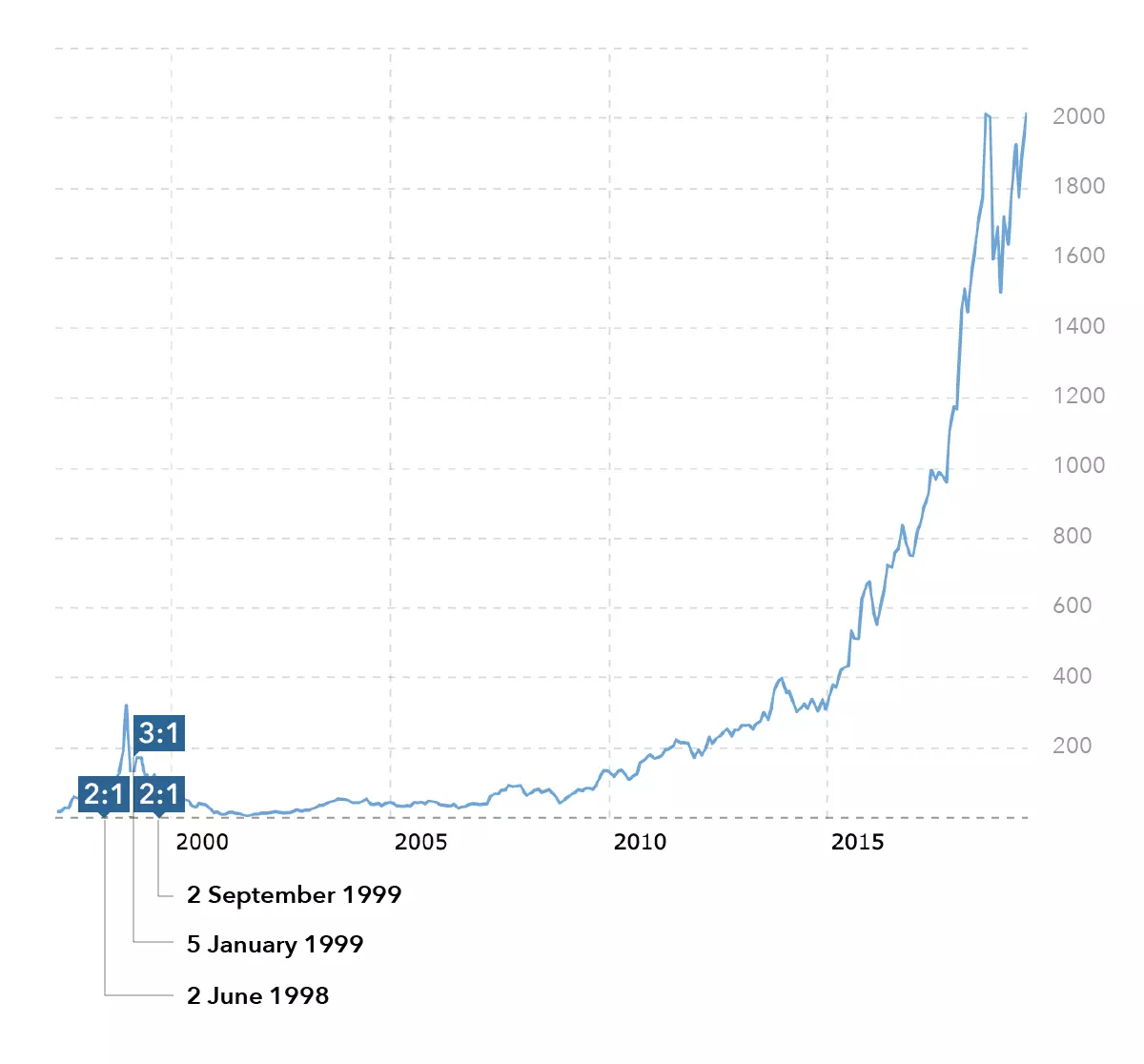
The price of a single share of Amazon is a reflection of the company’s total market capitalization divided by the number of shares outstanding. For much of the late 2010s and early 2020s, a single share of Amazon was priced in the thousands of dollars, making it difficult for the average retail investor to purchase a whole unit. However, following a significant corporate action in 2022, the price became much more accessible.
The Role of Market Capitalization
Market capitalization is the total dollar market value of a company’s outstanding shares. Amazon consistently sits in the elite “Trillion Dollar Club,” alongside tech giants like Apple, Microsoft, and Alphabet. When you look at the price of one share, you are looking at a micro-fraction of that trillion-dollar valuation. If the share price is $185, for example, and there are roughly 10 billion shares outstanding, the market cap sits near $1.85 trillion.
Intraday Volatility and Trading Hours
The price you see on Google or a financial news site is the “last traded price.” Because Amazon is one of the most heavily traded stocks in the world, this price is highly liquid. It is influenced by institutional buying, quarterly earnings reports, and broader macroeconomic trends such as interest rate changes by the Federal Reserve. To get the most accurate price, investors must look at “Level 2” market data, which shows the bid (what buyers are willing to pay) and the ask (what sellers are demanding).
The History of Amazon Stock Splits: Making Shares Accessible
One of the most frequent points of confusion regarding Amazon’s stock price is its historical volatility. Long-term observers remember the stock trading at over $3,000 per share. Today, the price is significantly lower, but this is not due to a loss in value; rather, it is the result of a strategic stock split.
The 20-for-1 Split of 2022
In June 2022, Amazon executed a 20-for-1 stock split. For every one share an investor owned, they were suddenly issued 19 additional shares. Consequently, the price of the stock was divided by 20. If the stock was trading at $2,400 before the split, it opened at $120 the following day.
The primary goal of this split was to make the stock more accessible to retail investors and employees. A lower “per-share” price lowers the psychological barrier to entry and increases liquidity in the market. It also made the stock eligible for inclusion in price-weighted indices, should the opportunity arise.
Previous Splits in the Dot-Com Era
Before the 2022 split, Amazon had not split its stock since the late 1990s. Specifically, it underwent a 2-for-1 split in June 1998, a 3-for-1 split in January 1999, and another 2-for-1 split in September 1999. These splits were characteristic of the rapid growth during the early internet boom. Understanding this history is vital because it explains why Amazon’s “nominal” price might look lower than other tech giants, even if its total value is much higher.
Key Factors Influencing Amazon’s Current Stock Price
To understand why a share of Amazon costs what it does today, one must look at the diverse revenue streams that fuel the company. Amazon is no longer just a “store”; it is a complex ecosystem of high-margin services and infrastructure.
Amazon Web Services (AWS)
While the retail side of Amazon generates the most revenue, AWS generates the most profit. AWS is the global leader in cloud infrastructure. Its growth rate and operating margins are the most significant drivers of the AMZN share price. When AWS outperforms expectations, the stock price usually surges, as investors value the high-margin, recurring revenue that cloud computing provides.

Advertising Revenue and Services
In recent years, Amazon has become an advertising juggernaut. Every time a seller pays to have their product “sponsored” at the top of a search result, Amazon earns a high-margin fee. This segment has grown into a multi-billion dollar business that rivals traditional advertising platforms like Meta and Google. Investors pay close attention to this segment because it represents “pure profit” compared to the capital-intensive nature of shipping physical goods.
The Logistics and Retail Footprint
The cost of one share also reflects the company’s massive investment in physical infrastructure. From its fleet of cargo planes to its last-mile delivery vans and automated warehouses, Amazon’s ability to deliver goods faster than anyone else creates a “moat” that protects its market share. However, high fuel costs or labor disputes can weigh on the stock price, as these factors increase the cost of doing business.
Artificial Intelligence Integration
As of 2024 and beyond, AI has become a central pillar of the Amazon valuation. Whether it is through AI-optimized logistics, generative AI assistants like Rufus, or the Bedrock platform on AWS, the market’s perception of Amazon as an “AI winner” heavily dictates the daily fluctuations in its share price.
How to Invest in Amazon Stock: Platforms and Strategies
If you have determined the current price of one share and decided to invest, the process is more flexible than it was a decade ago. You no longer need the full price of a share to become an owner.
Fractional Shares
Most modern brokerages—such as Charles Schwab, Fidelity, Robinhood, and Vanguard—offer “fractional shares.” This means if a share of Amazon is trading at $200, but you only have $20 to invest, you can buy 0.10 shares. This has revolutionized personal finance by allowing investors to build a portfolio based on dollar amounts rather than share counts.
Exchange-Traded Funds (ETFs)
For those who find the price of a single stock too volatile, many investors choose to own Amazon indirectly through ETFs. Amazon is a top holding in major funds like the SPDR S&P 500 ETF Trust (SPY) and the Invesco QQQ Trust (QQQ). By buying a share of these funds, you own a “basket” of companies, including Amazon, which provides diversification and mitigates the risk of a single-stock price drop.
Dollar-Cost Averaging (DCA)
Because the price of one share of Amazon changes every day, timing the market is notoriously difficult. Many financial advisors suggest dollar-cost averaging. This involves investing a set amount of money at regular intervals (e.g., $100 every month) regardless of the share price. Over time, this strategy reduces the impact of volatility and ensures you are buying more shares when the price is low and fewer when the price is high.
Assessing Amazon as a Long-Term Financial Asset
When evaluating the cost of a share, investors must decide if the stock is “expensive” or “cheap” based on valuation metrics, not just the dollar price.
The Price-to-Earnings (P/E) Ratio
Amazon historically trades at a high P/E ratio compared to the broader market. This is because the company reinvests a massive portion of its profits back into growth and R&D. A high P/E indicates that investors expect significant growth in the future. If you see the share price rising while earnings are also rising, it suggests the company is growing into its valuation.
Risk Factors to Consider
No investment is without risk. When you buy a share of Amazon, you are taking on exposure to several potential headwinds:
-
Regulatory Scrutiny: Antitrust investigations in the US and Europe could lead to fines or forced divestitures of business units like AWS.
-
Competition: Competitors like Walmart in retail and Microsoft Azure in cloud computing are constantly chipping away at Amazon’s dominance.
-
Consumer Spending: As a consumer-facing company, Amazon’s retail revenue is sensitive to economic downturns and shifts in discretionary spending.

Conclusion
The price of one share of Amazon is more than just a number on a screen; it is a real-time assessment of a global empire’s health. While the 2022 stock split made the “sticker price” more affordable for the general public, the value of the company continues to be driven by its dominance in cloud computing, advertising, and logistics.
Whether you are looking to buy a single share, a fractional piece, or gain exposure through an index fund, understanding the mechanics of Amazon’s valuation is the first step toward informed investing. As the company continues to pivot toward AI and expanded digital services, the price per share will remain a key barometer for the health of the broader tech economy and the retail sector alike. For the modern investor, the question isn’t just “how much is one share,” but rather “what is the long-term value of owning a piece of this ecosystem?”
aViewFromTheCave is a participant in the Amazon Services LLC Associates Program, an affiliate advertising program designed to provide a means for sites to earn advertising fees by advertising and linking to Amazon.com. Amazon, the Amazon logo, AmazonSupply, and the AmazonSupply logo are trademarks of Amazon.com, Inc. or its affiliates. As an Amazon Associate we earn affiliate commissions from qualifying purchases.