
The annual ritual of tax filing can often feel daunting, and for many, the final step—making a payment—raises a crucial question: “Where exactly do I mail this check?” While digital payment methods have gained significant traction, mailing a payment to the Internal Revenue Service (IRS) remains a common and necessary option for millions of taxpayers. Understanding the precise protocols for sending your payment is not just a matter of convenience; it’s a critical component of sound financial management, ensuring your payment is credited correctly and on time, thereby avoiding costly penalties and interest. This guide will demystify the process, offering a professional, insightful, and engaging overview of how to properly submit your tax payments via mail, alongside exploring other essential financial considerations.

Understanding Your IRS Payment Obligations
Before you even think about putting a stamp on an envelope, it’s vital to have a clear understanding of why and how you owe the IRS. Tax obligations vary widely based on income, filing status, deductions, and credits. A precise understanding of your tax liability is the first step towards fulfilling your financial duty.
Why Mailing a Payment Might Be Necessary
In an increasingly digital world, many taxpayers default to online payment options. However, there are several compelling reasons why mailing a payment might be your preferred, or even required, method:
- Filing by Mail: If you’re submitting your tax return (e.g., Form 1040) physically through the mail, it often makes sense to include your payment with the return, especially if you’re using a payment voucher.
- No Bank Account for Direct Debit: Some individuals may not have a bank account from which to initiate electronic payments, making a paper check the most viable option.
- Specific Tax Forms or Situations: Certain complex tax scenarios or specific forms may recommend or require a mailed payment.
- Personal Preference: Despite the availability of digital tools, some taxpayers simply prefer the tangible record and control offered by writing and mailing a check.
- Estimated Taxes: Individuals who are self-employed or have other income not subject to withholding often pay estimated taxes quarterly. While electronic options exist, mailing a check with Form 1040-ES payment vouchers is a traditional method.
Key Information Required for Your Payment
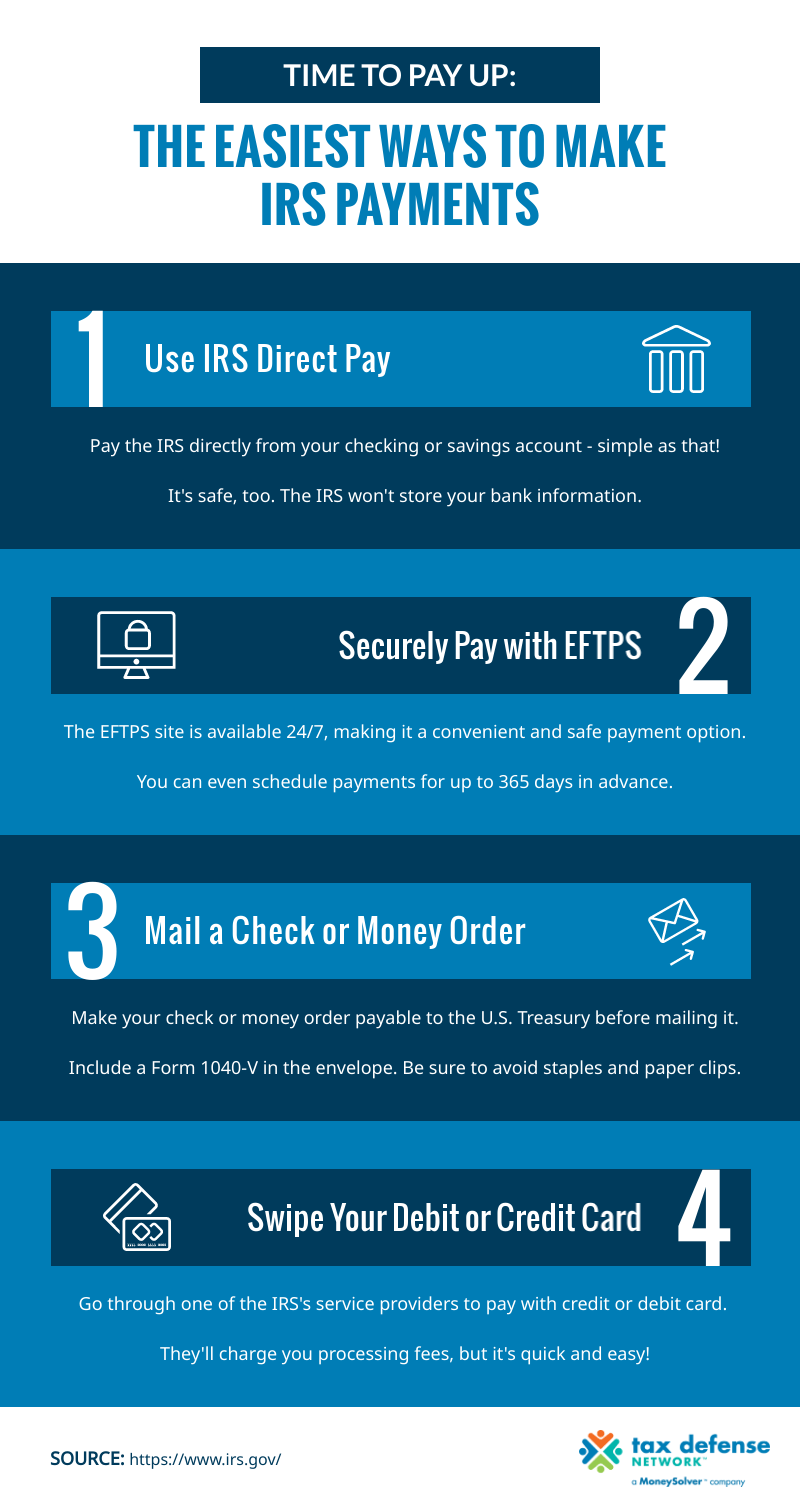
Regardless of whether you’re mailing or paying online, the IRS requires specific details to correctly attribute your payment. When preparing a check or money order, ensure it is made payable to the “U.S. Treasury.” On the memo line, you must include:
- Your Name and Address: As it appears on your tax return.
- Daytime Phone Number: In case the IRS needs to contact you.
- Your Social Security Number (SSN) or Employer Identification Number (EIN): The primary taxpayer’s SSN for individual returns, or the business’s EIN.
- The Tax Year for Which You’re Paying: For example, “2023 Tax.”
- The Associated Tax Form or Notice Number: Such as “Form 1040” for individual income tax, “Form 1040-ES” for estimated taxes, or the specific notice number if responding to an IRS letter.
Missing or incorrect information can lead to processing delays, misapplication of your payment, and potentially unnecessary penalties.
The Official IRS Mailing Addresses for Payments
The IRS does not have a single, universal mailing address for all payments. The correct address depends on several factors: your geographic location (which state you live in), the type of tax form you’re filing, and whether you are sending a payment with a tax return or without one. This complexity underscores the importance of consulting official IRS guidelines.
State-Specific Filing Requirements
The IRS maintains various service centers across the country, each responsible for processing returns and payments from specific states. This regionalization is why your mailing address can differ from a friend’s in another state. Always refer to the official IRS website (IRS.gov) or the instructions accompanying your specific tax form (e.g., Form 1040 instructions) for the most current and accurate mailing address based on your state of residence. These instructions are updated annually.
Payments Without a Tax Return
There are situations where you need to send a payment to the IRS without attaching a full tax return. Common scenarios include:
- Estimated Tax Payments (Form 1040-ES): If you anticipate owing tax because you’re self-employed, have significant investment income, or insufficient withholding, you’ll make quarterly estimated tax payments. For these, use Form 1040-ES payment vouchers and mail them to the address specified in the Form 1040-ES instructions for your state.
- Payments with an Extension to File (Form 4868): Filing an extension gives you more time to file your return, but not to pay your taxes. If you owe tax, you should estimate your liability and send payment with Form 4868 by the original deadline. The instructions for Form 4868 will provide the correct mailing address.
- Amended Return Payments (Form 1040-X): If you’ve filed an amended return that results in additional tax due, you would typically mail the payment with Form 1040-X to the address specified in its instructions.
- Responding to an IRS Notice: If you receive a bill or notice from the IRS, it will usually include a payment stub and instructions on where to mail your payment. Always use the address provided on the notice.
In these cases, ensure your check is accompanied by the relevant payment voucher or the bottom portion of the IRS notice to ensure proper crediting.
Payments with a Tax Return
When you’re mailing a paper tax return (such as Form 1040, Form 1120 for corporations, or Form 1041 for estates and trusts) and you owe tax, you typically enclose your check or money order directly with the return. The instructions for each specific tax form will contain a table of mailing addresses, categorized by state. For example, if you’re filing Form 1040 and live in California, you’d send it to a different IRS service center than someone living in New York. Always consult the official instructions for your form and state.
Important Reminders for Mailing
- Postmark Date: The IRS considers your payment received on the date it is postmarked, not when it arrives. If you are mailing close to a deadline, ensure it is postmarked by the due date.
- Certified Mail (Optional but Recommended): For critical payments or those submitted close to a deadline, consider sending your payment via Certified Mail with Return Receipt Requested. This provides proof of mailing and proof of delivery, which can be invaluable in case of a dispute.
- Check Details: Double-check that your check is signed, the amount is correct, and all required information (SSN/EIN, tax year, form number) is on the memo line. Do not staple or paperclip your check to your return; simply place it loosely in the envelope.
Beyond the Mailbox: Alternative Payment Methods
While mailing payments remains a valid option, the IRS offers several convenient electronic payment methods that can provide faster processing, greater security, and immediate confirmation. Understanding these alternatives is crucial for modern financial planning.
IRS Direct Pay: The Digital Advantage
IRS Direct Pay allows you to make tax payments directly from your checking or savings account for free. This service can be used for Form 1040 series payments (income tax, estimated tax, amended return tax), and various other tax forms. It’s user-friendly, provides instant confirmation, and eliminates the need for checks or stamps. It’s often recommended as the fastest and easiest way to pay directly from a bank account.
Credit Card, Debit Card, or Digital Wallet Payments
For those who prioritize convenience or wish to earn reward points, the IRS allows payments via credit card, debit card, or digital wallet through authorized third-party payment processors. While convenient, these processors typically charge a small fee, which can add up, especially for large payments. It’s important to weigh the convenience and potential rewards against these processing fees.
Electronic Federal Tax Payment System (EFTPS)
EFTPS is a free service provided by the U.S. Department of the Treasury. It’s especially popular with businesses for making federal tax payments (e.g., payroll taxes, corporate income tax), but individuals can also use it for estimated tax payments and other federal tax liabilities. EFTPS requires enrollment and a processing time before you can make your first payment, so it’s best to register well in advance. It offers detailed payment histories and the ability to schedule payments up to 365 days in advance.
Cash Payments Through Retail Partners
For taxpayers who prefer to pay with cash, the IRS has partnered with various retail stores (such as 7-Eleven, Family Dollar, and CVS Pharmacy) to facilitate cash payments. You must first obtain a payment barcode from the IRS website (IRS.gov/paywithcash) or by calling the IRS, which you then present at a participating retail location. This method offers accessibility for unbanked individuals but requires a few extra steps.
Ensuring Your Payment is Processed Correctly
Regardless of the method chosen, the ultimate goal is to ensure your payment is accurately processed and applied to your tax account. Vigilance in this area is a hallmark of good financial stewardship.
Double-Checking Your Payment Details
Before submitting any payment, perform a final review:
- Amount: Is the dollar amount correct?
- Tax Year: Is it clearly stated for the correct tax year?
- SSN/EIN: Is your identifying number accurate and legible?
- Signature: Is your check signed?
- Mailing Address: If mailing, is it the exact address for your specific form and state?
A small error can lead to significant headaches down the line.
Record Keeping: Your Financial Safety Net
Meticulous record keeping is invaluable for all financial transactions, especially tax payments.
- For Mailed Payments: Keep a copy of the check (front and back), the payment voucher, and any certified mail receipts.
- For Electronic Payments: Save the confirmation number or print the confirmation screen. EFTPS users can review their payment history online.
- Bank Statements: Cross-reference your bank statements to ensure the payment cleared your account.
These records serve as proof of payment and can be crucial if there’s ever a discrepancy with the IRS.
What to Do If You Miss a Payment Deadline
Missing a tax payment deadline can incur penalties and interest. However, the IRS often works with taxpayers who make good-faith efforts.
- Pay as Soon as Possible: The sooner you pay, the less interest and penalties will accrue.
- Underpayment Penalty: If you didn’t pay enough tax throughout the year (through withholding or estimated payments), you might owe an underpayment penalty.
- Failure-to-Pay Penalty: This penalty applies if you don’t pay the tax you owe by the due date.
- Payment Plans: If you can’t pay your full tax bill, explore IRS payment options like a Short-Term Payment Plan (up to 180 days) or an Offer in Compromise (OIC) if you’re in severe financial hardship.
It’s always better to communicate with the IRS than to ignore the problem.
Proactive Financial Planning for Tax Season
Effective tax payment management is not just a reactive task; it’s an integral part of proactive personal and business financial planning. Integrating tax considerations throughout the year can significantly reduce stress and financial surprises.
Estimating Your Tax Liability Throughout the Year
For self-employed individuals, gig workers, or those with significant investment income, accurately estimating tax liability and making quarterly payments is paramount. This prevents a large, unexpected tax bill at the end of the year and avoids underpayment penalties. Reviewing your income and deductions periodically allows for adjustments to estimated payments as needed.
Leveraging Financial Tools for Tax Management
Modern financial technology offers numerous tools to streamline tax management:
- Tax Software: Programs like TurboTax, H&R Block, and TaxAct guide you through the filing process and often facilitate electronic payments.
- Budgeting and Expense Tracking Apps: Tools like Mint, YNAB, or QuickBooks Self-Employed can help categorize income and expenses, making tax preparation much easier.
- Payroll Services: For businesses, payroll services automate tax withholdings and payments, ensuring compliance.
The Benefits of Professional Tax Advice
While many taxpayers can manage their own affairs, complex financial situations often benefit from professional guidance.
- Accountants and Enrolled Agents (EAs): These professionals can help optimize your tax strategy, ensure compliance, identify deductions, and even represent you before the IRS if needed.
- Financial Planners: A holistic financial planner can integrate tax planning into your broader investment, retirement, and estate planning goals, creating a cohesive strategy for long-term financial peace.
Consulting an expert can be a wise investment, especially when dealing with significant income changes, business ventures, or intricate investment portfolios.
Conclusion
Navigating the various methods for mailing a payment to the IRS, or indeed any other payment option, is a fundamental aspect of sound financial health. Whether you prefer the tangible security of a mailed check or the efficiency of digital payments, understanding the correct procedures, deadlines, and required information is non-negotiable. By adopting a proactive approach to tax planning, utilizing available financial tools, and not shying away from professional advice when needed, taxpayers can ensure their obligations are met accurately and on time, paving the way for greater financial peace and security. Remember, the IRS website (IRS.gov) is always your most reliable source for the latest official instructions and addresses.
aViewFromTheCave is a participant in the Amazon Services LLC Associates Program, an affiliate advertising program designed to provide a means for sites to earn advertising fees by advertising and linking to Amazon.com. Amazon, the Amazon logo, AmazonSupply, and the AmazonSupply logo are trademarks of Amazon.com, Inc. or its affiliates. As an Amazon Associate we earn affiliate commissions from qualifying purchases.